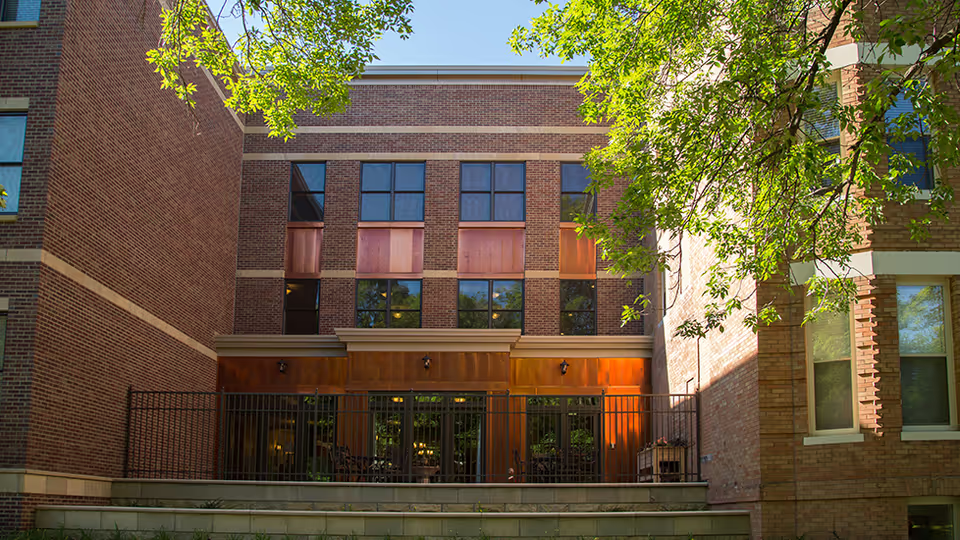
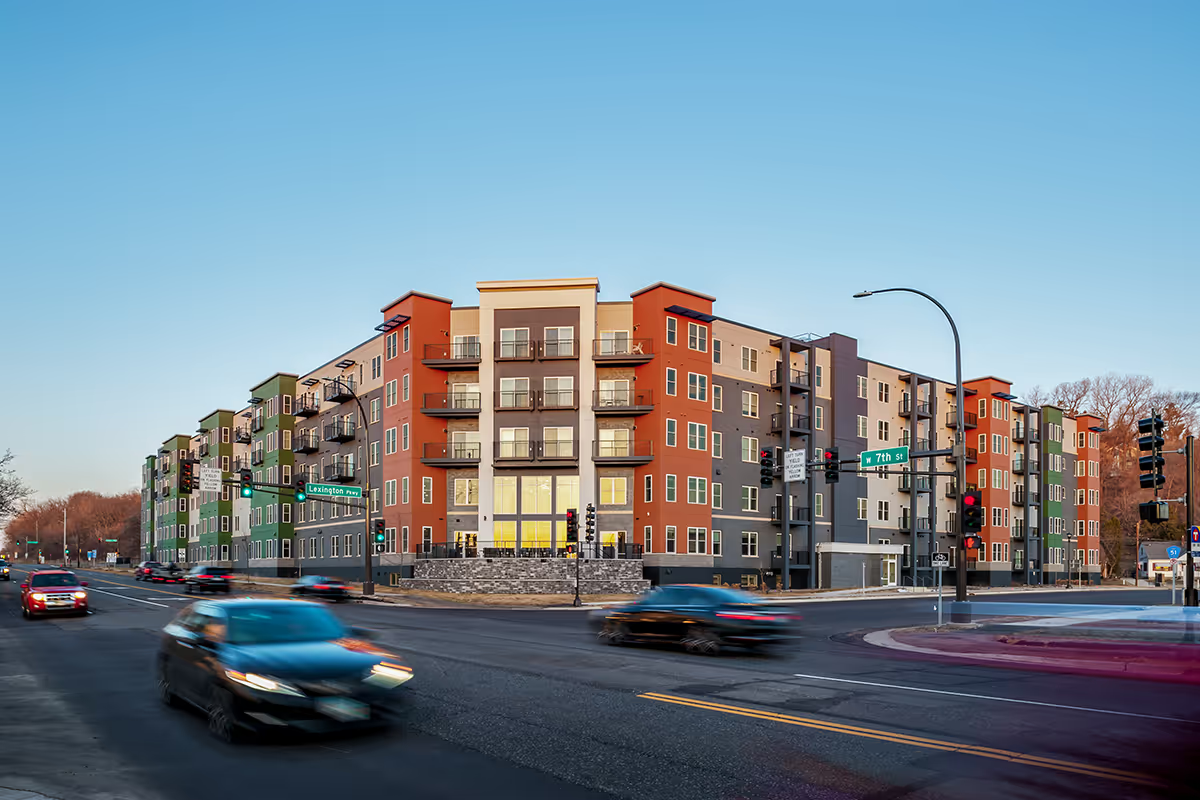
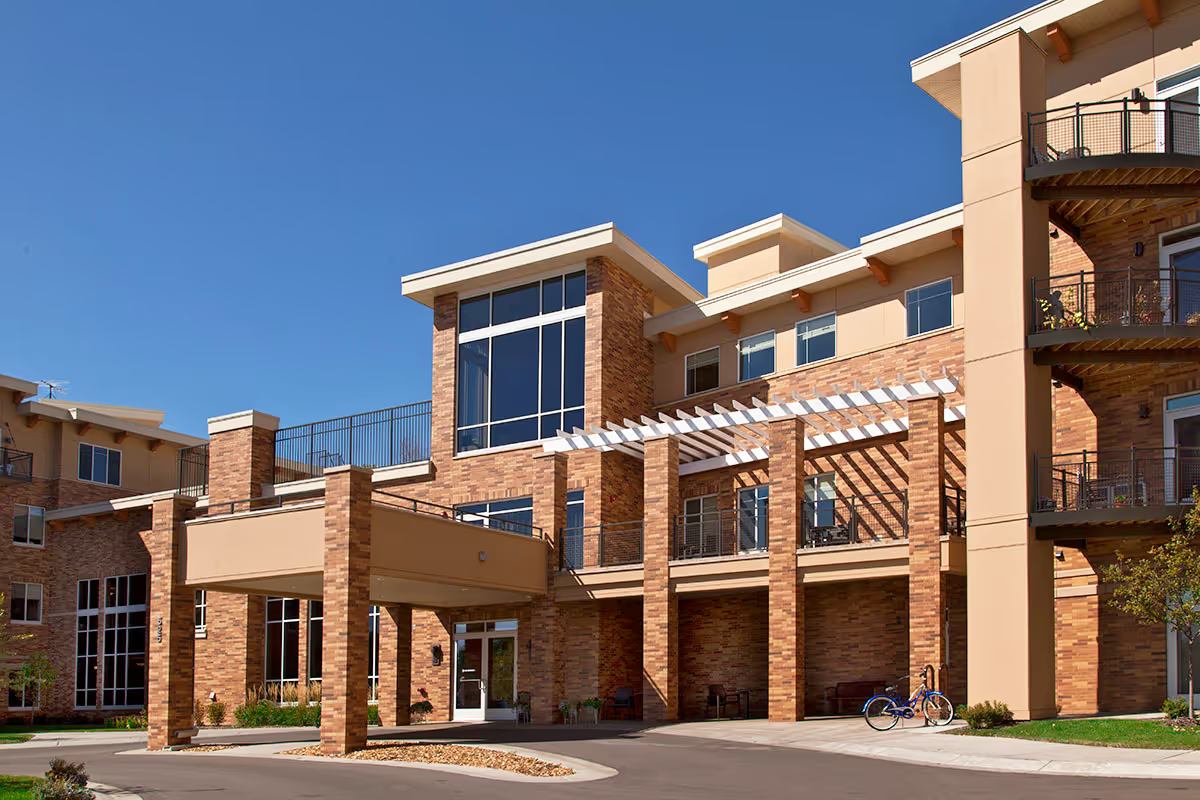
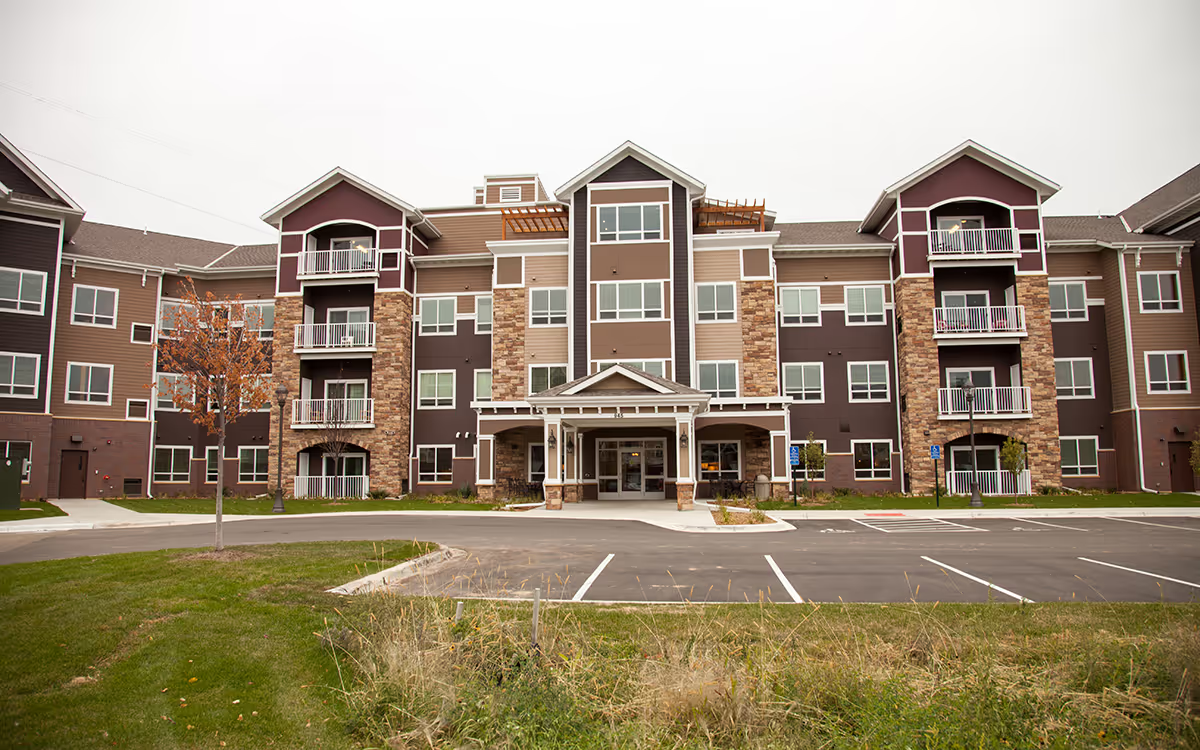
Seven Hills Senior Living is described primarily as a modern, well-appointed community with many operational strengths and several recurring operational weaknesses to consider. The physical plant and amenities are commonly praised: reviewers note a newer building with spacious apartments, large elevators, library and conference spaces, a main-floor living room with coffee and baked goods, and on-site dining venues (bistro, pub, coffee shop). The location is convenient and walkable, with transit access and nearby shops and restaurants. The community supports aging in place, offering an on-site physician, Bluestone clinical testing, and a separated memory-care unit that completes a continuum of care.
Care and staff receive mixed but informative feedback. Many families emphasize warm, caring, and helpful caregivers, a welcoming front desk and concierge, and an activities director who keeps residents engaged. There are accounts of aides visiting multiple times per day, coordinated hospice collaboration, and staff who are willing to accommodate special needs. At the same time, a consistent pattern emerges around staffing instability: high turnover, rotation issues, and gaps in evening/night coverage. These staffing patterns are associated with delays in attending to residents, inconsistent follow-through on care plans, and concerns about medication handling and clinical response. Prospective families should clarify staffing ratios, night-coverage protocols, and medication-administration procedures before committing.
Dining and activities are strengths for many residents: chef-prepared meals, daily menus, yoga and chair-exercise classes, and transportation to activities contribute to a social, engaged atmosphere. However, families also cite variability in meal quality, small portions at times, and less appealing room-service presentation. Some dining options incur extra charges, and the community’s flexible meal plans mean cost and value should be examined during financial discussions.
Management and administrative patterns are mixed. Reviewers frequently praise a friendly, helpful front office and a generally smooth move-in process, but note leadership turnover and unclear escalation pathways when issues arise. Financial transparency is an area of concern: there are references to billing inconsistencies, a two-year private-pay commitment, and additional charges for equipment or installation. Construction and design choices have practical implications—examples include shower thresholds that limit roll-in access, a lack of outdoor seating, and non-intuitive in-room controls (thermostat, phone, TV channel packages). Prospective residents should confirm contract terms, what is included in fees, accessibility features of chosen apartment types, and the process for addressing maintenance or billing issues.
Overall, Seven Hills offers many tangible advantages: modern facilities, clinical resources on-site, a strong activities program, and a generally compassionate staff culture. The principal caveats concern operational reliability—particularly staffing consistency, clinical-response processes, and financial transparency. For families considering this community, recommended due diligence includes asking about staffing levels and schedules (especially overnight coverage), medication and emergency protocols, detailed contract and billing terms, and verification of specific apartment accessibility features and dining inclusions.