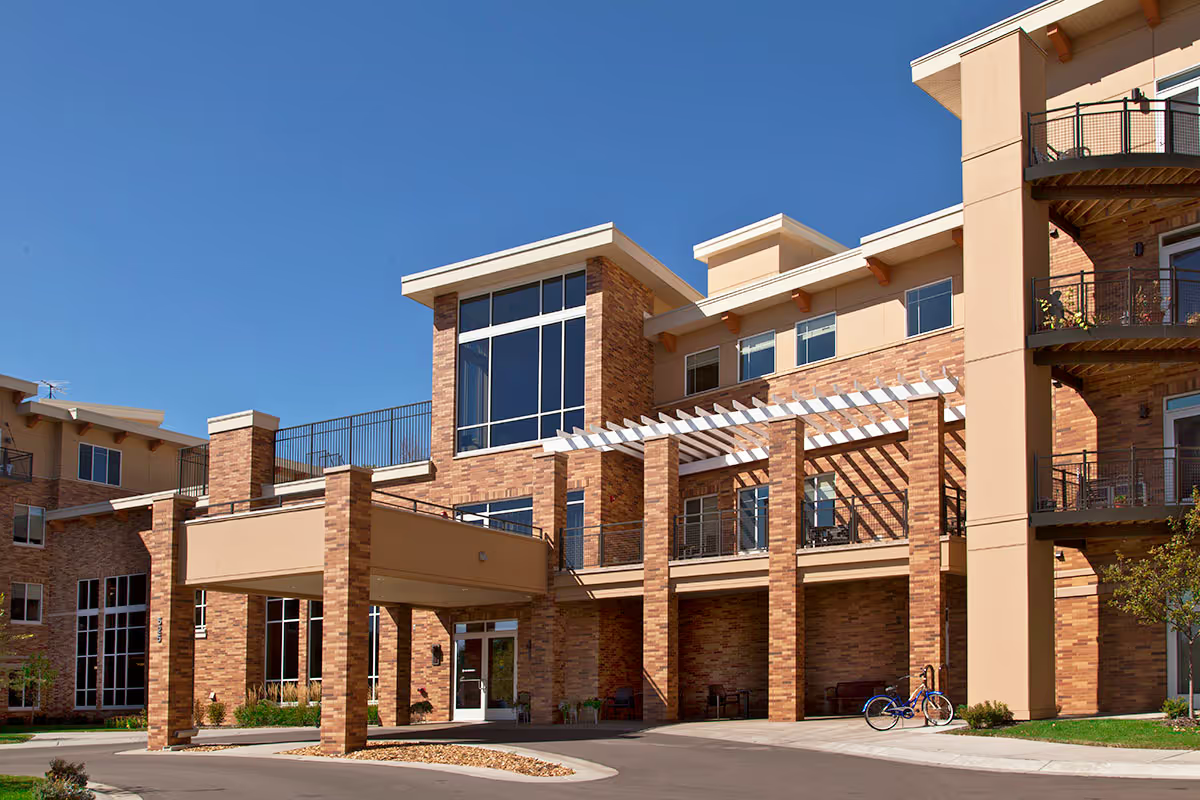
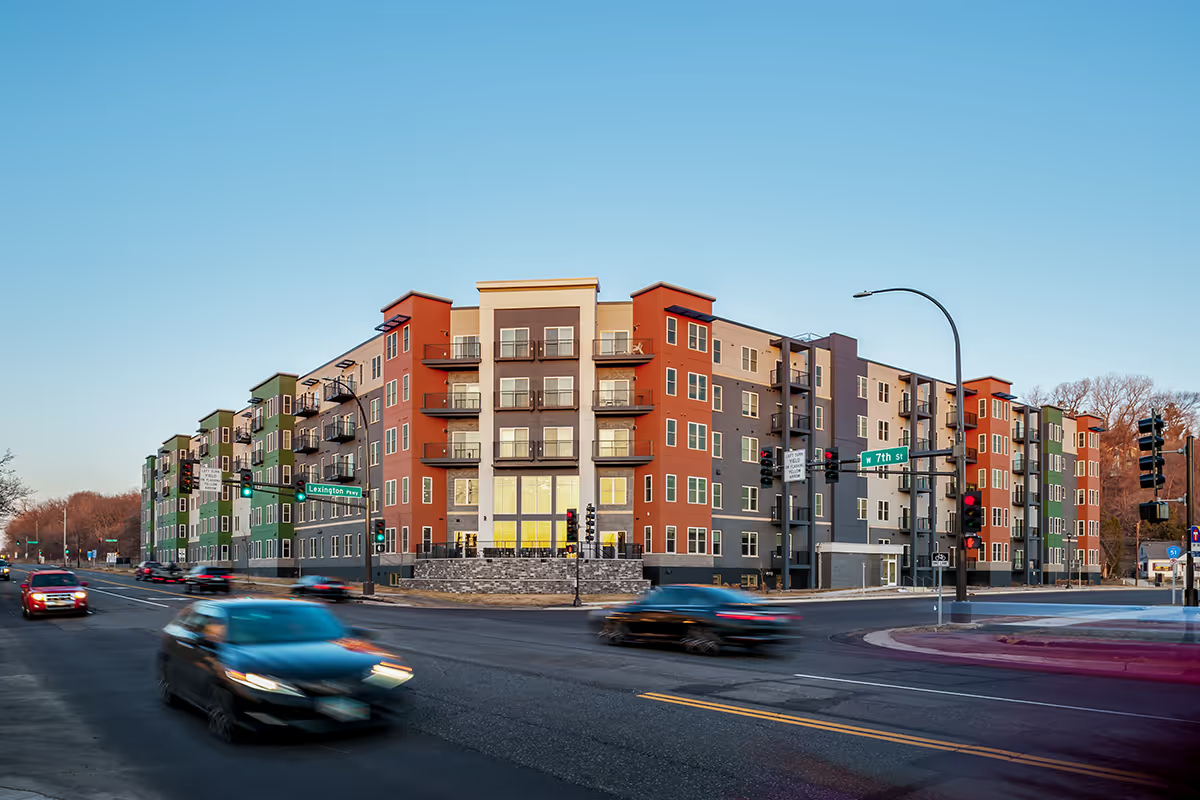
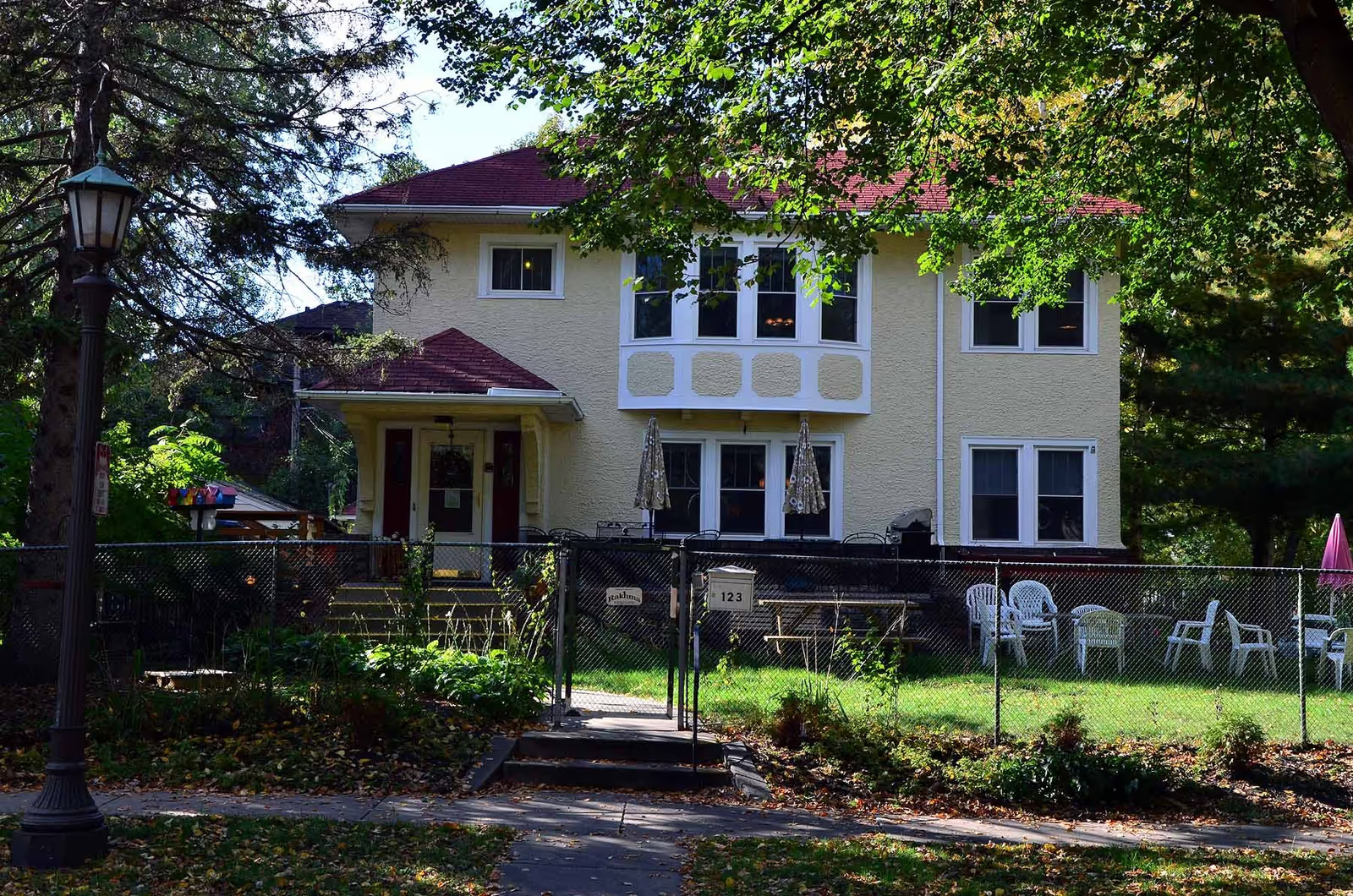
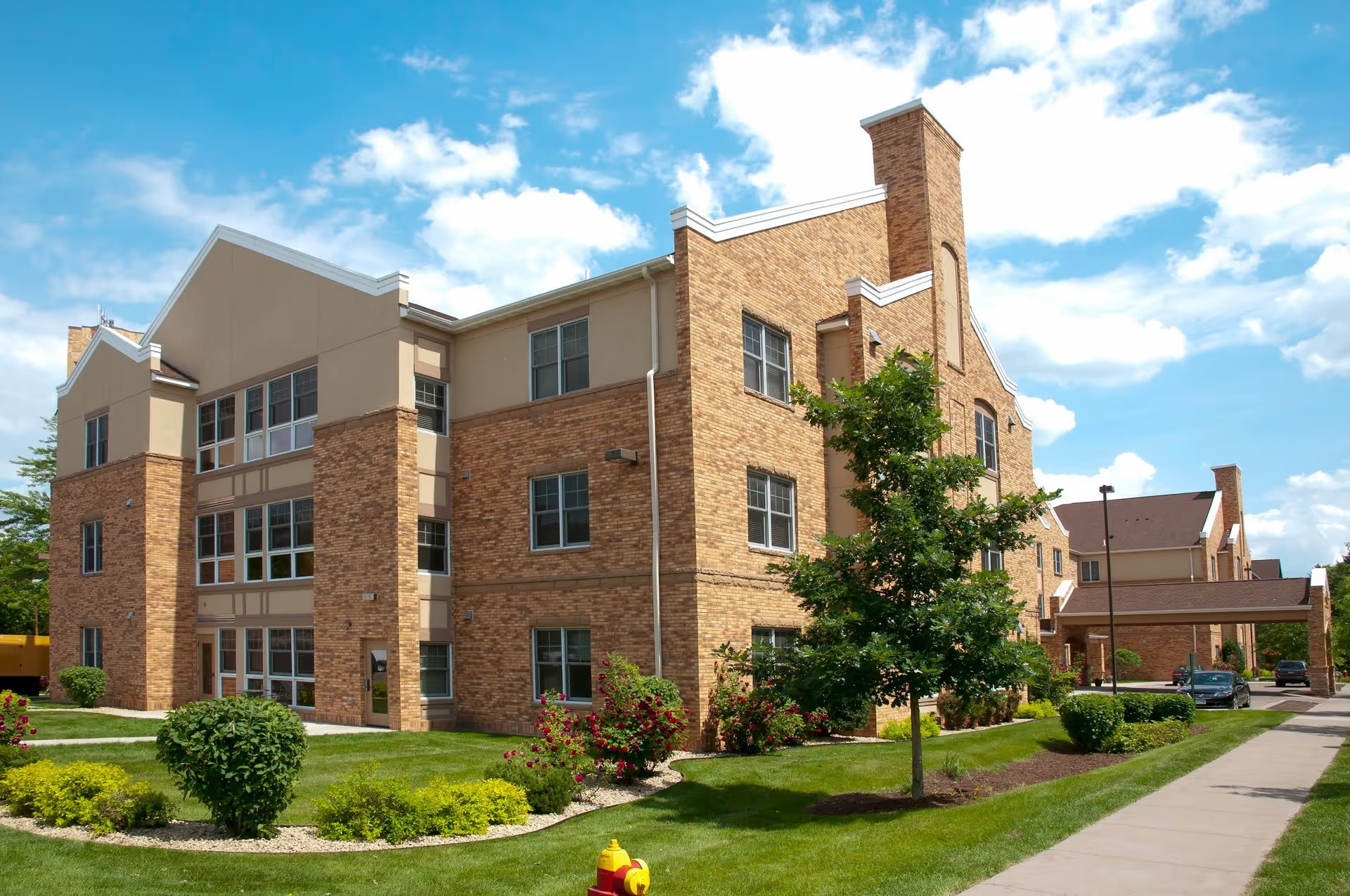
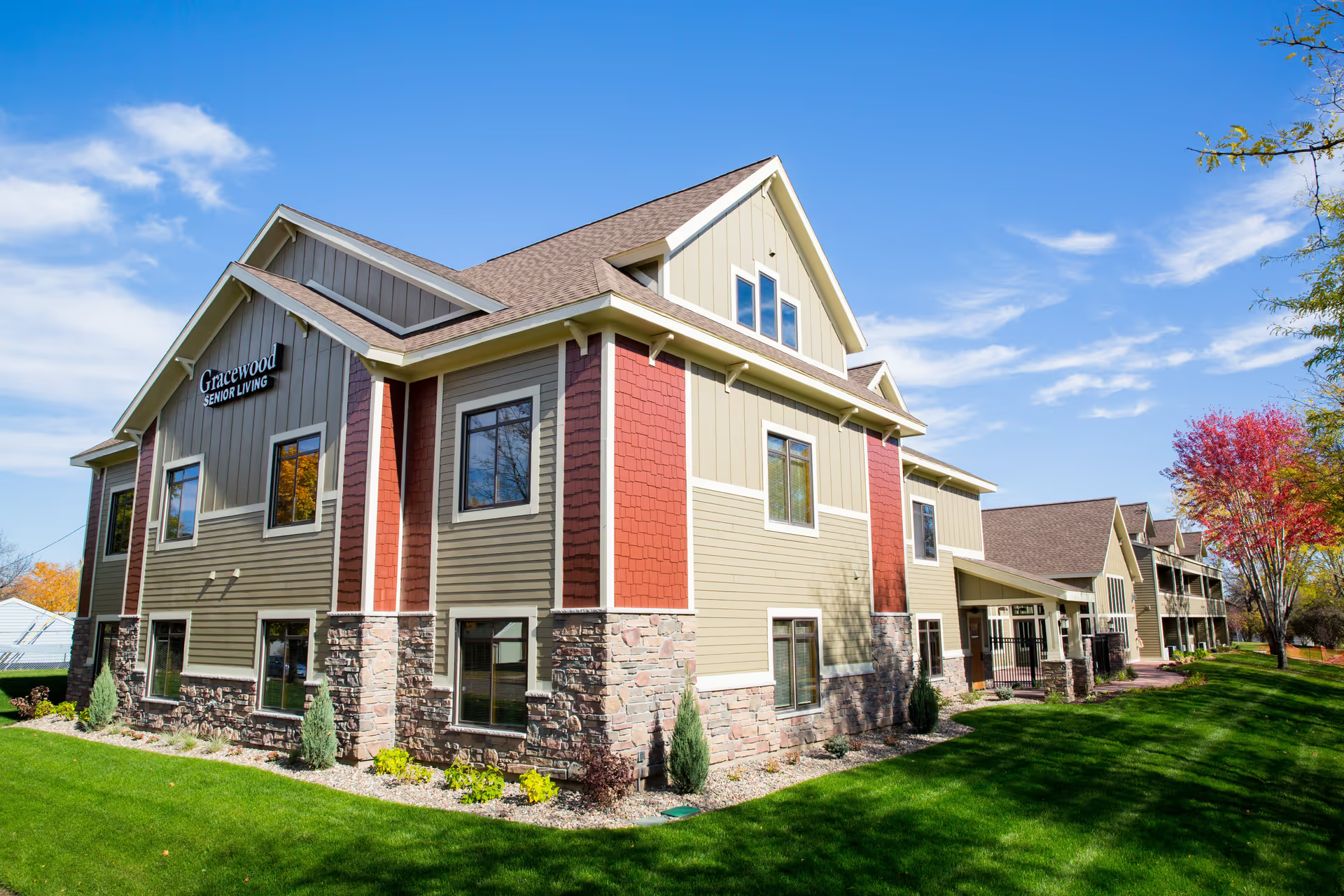
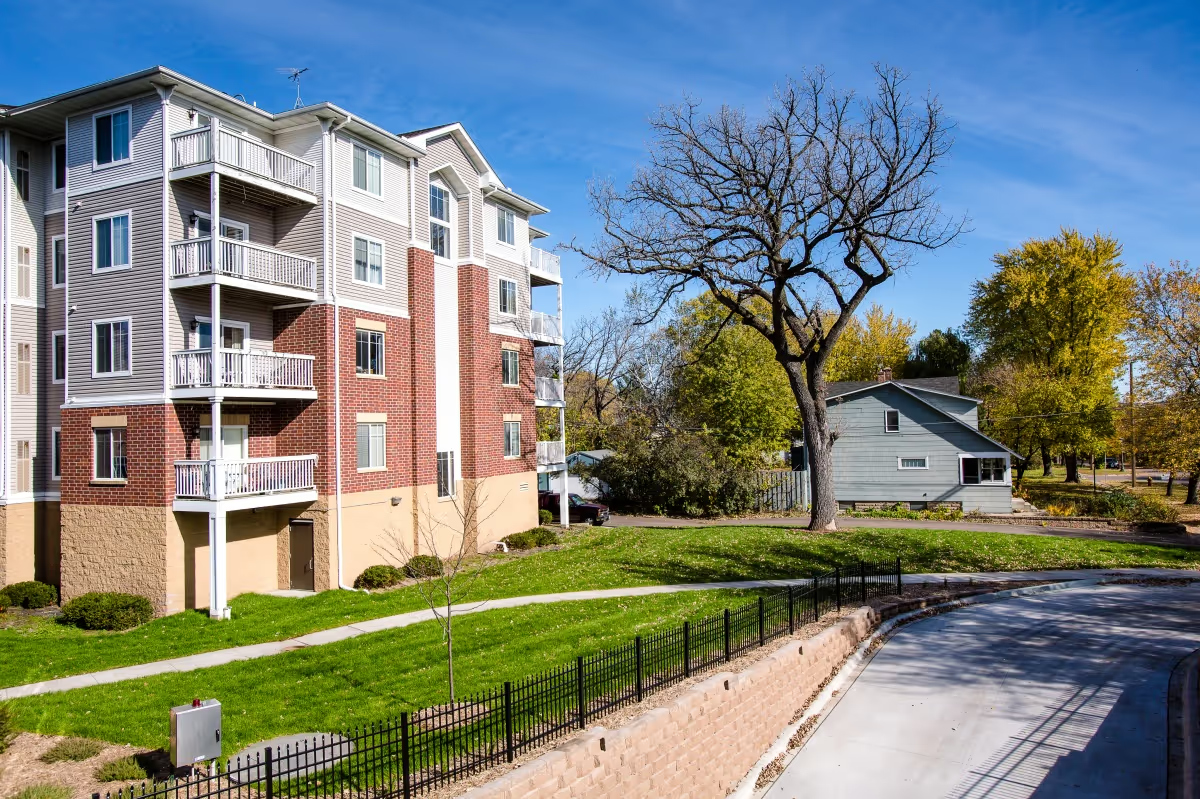
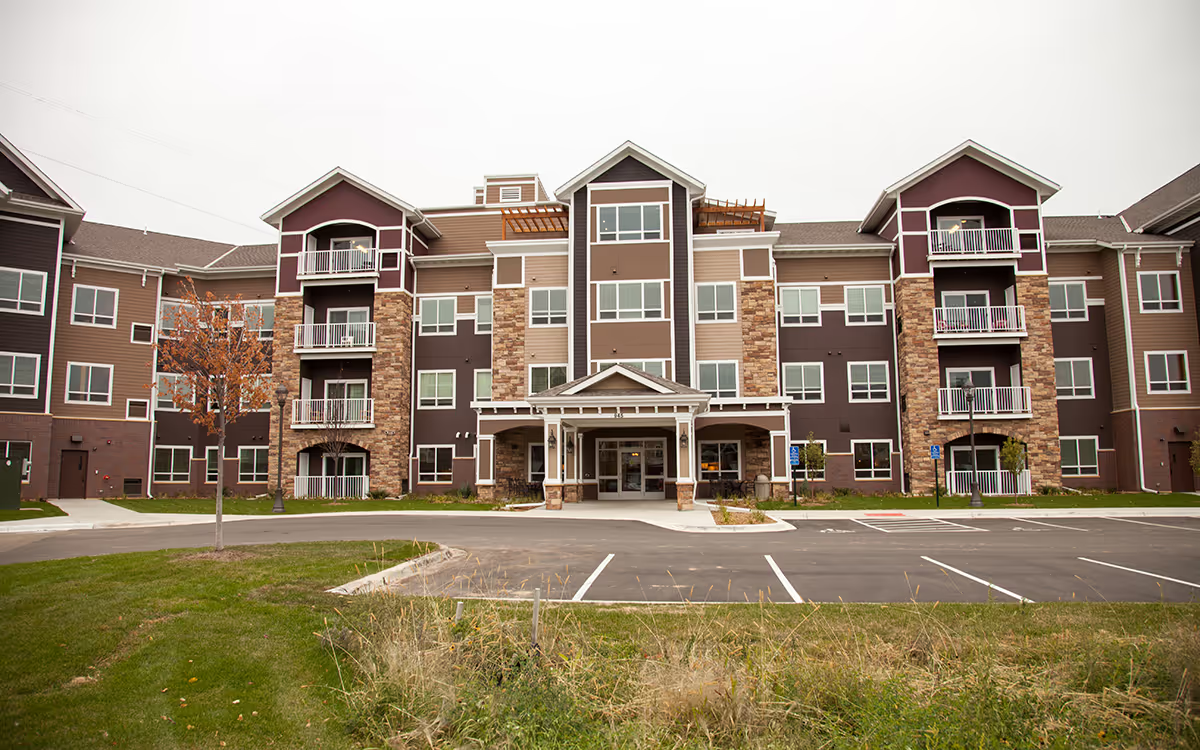
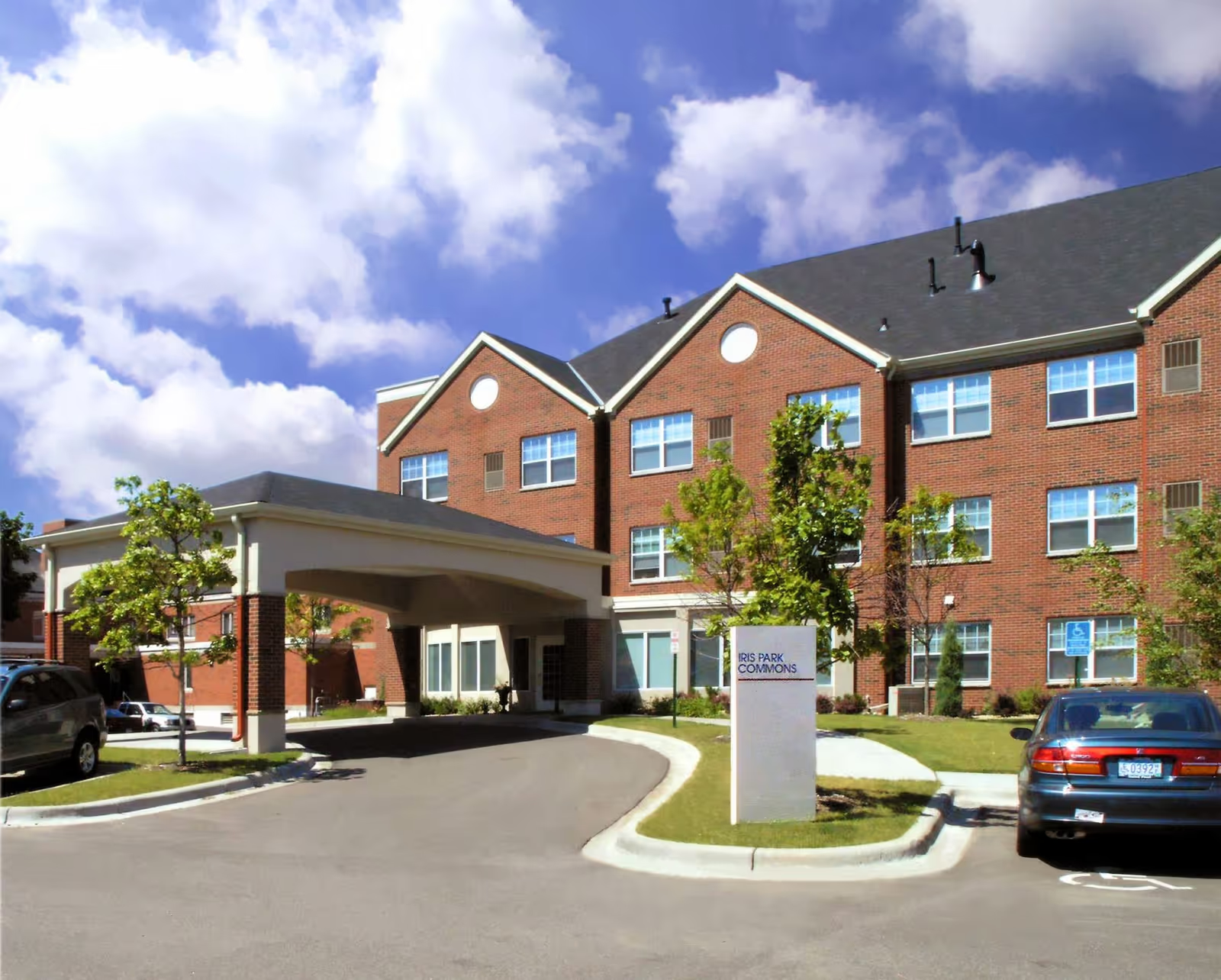
The Waters of Highland Park presents as a modern, well‑designed senior living community with clear strengths in physical environment, dining, and programming. Multiple reviews emphasize a polished facility aesthetic, attractive landscaping and courtyards, spacious apartments with full kitchens and in‑unit laundry, and bright, well‑appointed common spaces. Dining is repeatedly described as a highlight: attentive culinary staff, a pleasant dining room atmosphere, and flexible meal accommodations. Activity programming is broad (worship, poetry, classes, outings, salon services and transportation), and the layout supports socialization and independence for ambulatory residents.
Staff impressions are mixed. Many accounts describe warm, compassionate individuals at the concierge desk, dining room, maintenance, and some caregiving roles; families praised particular staff members, responsiveness on some shifts, and coordination with outside providers and hospice. At the same time, a recurrent pattern points to high turnover and uneven training. This inconsistency appears to affect clinical continuity: reviewers cite gaps in medication management processes, limitations in dementia‑specific skills, and delays in attending to personal‑care needs (described as incontinence‑care delays and other responsiveness issues). These operational weaknesses are most prominent for residents requiring memory support or more intensive assistance, where reviewers note limited behavioral‑agitation management capacity and inconsistent documentation practices.
Operational and management themes also emerge. Several families describe frustration with billing, lease terms, and refund policies that felt rigid or financially burdensome. Maintenance and housekeeping performance is uneven in some accounts, with delays for repairs and skipped cleaning intervals noted alongside praise for attentive staff when services are delivered promptly. Communication is another recurring area of concern: when lines of communication work, families report clear updates and coordinated care; when they do not, families report difficulty obtaining timely clinical or administrative information.
For prospective residents and families, the community offers appealing physical amenities, strong culinary services, and robust social programming that can support an active, independent lifestyle. Those considering assisted living or memory care should probe operational details: ask for current staffing ratios and turnover statistics, dementia‑care training protocols, medication‑administration and error‑reporting procedures, examples of behavioral‑management plans, housekeeping and maintenance schedules, and explicit lease/refund policies. Request to meet nursing leadership, observe interactions during a mealtime and activity period, and seek written examples of recent staff training and incident‑response protocols. These inquiries will help determine whether the facility’s strengths in environment and services align reliably with the level of clinical oversight and consistency required for a particular resident’s needs.