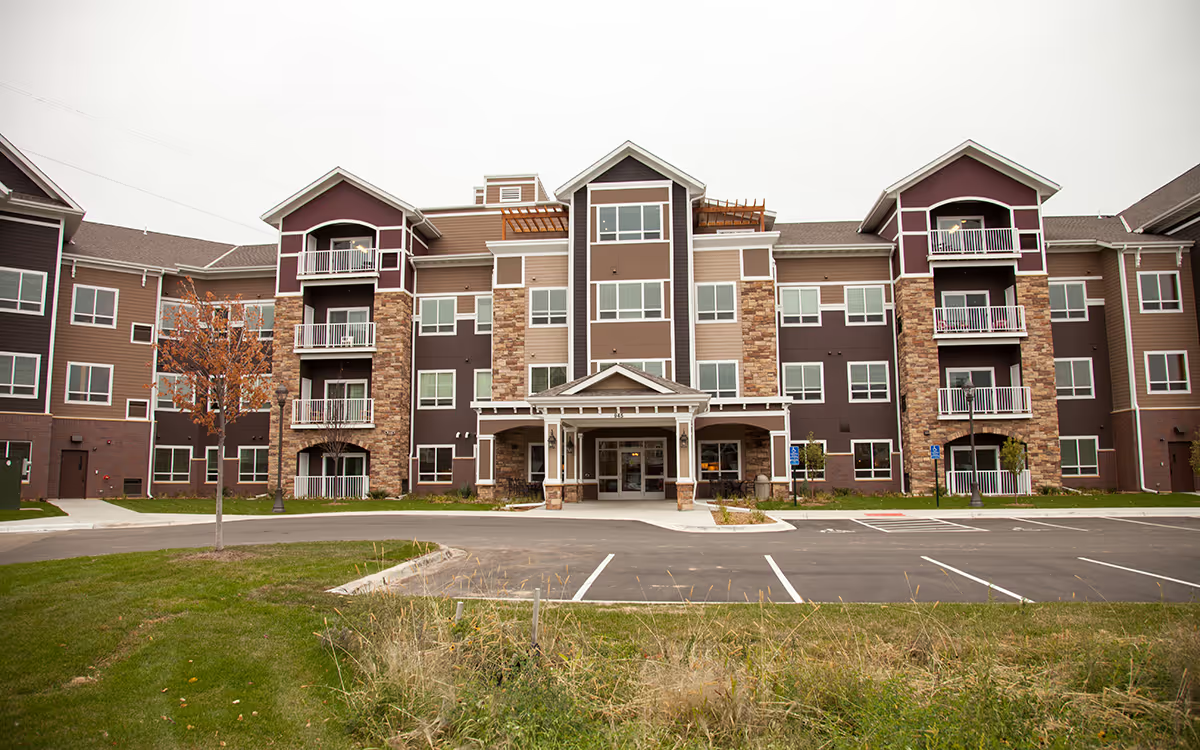
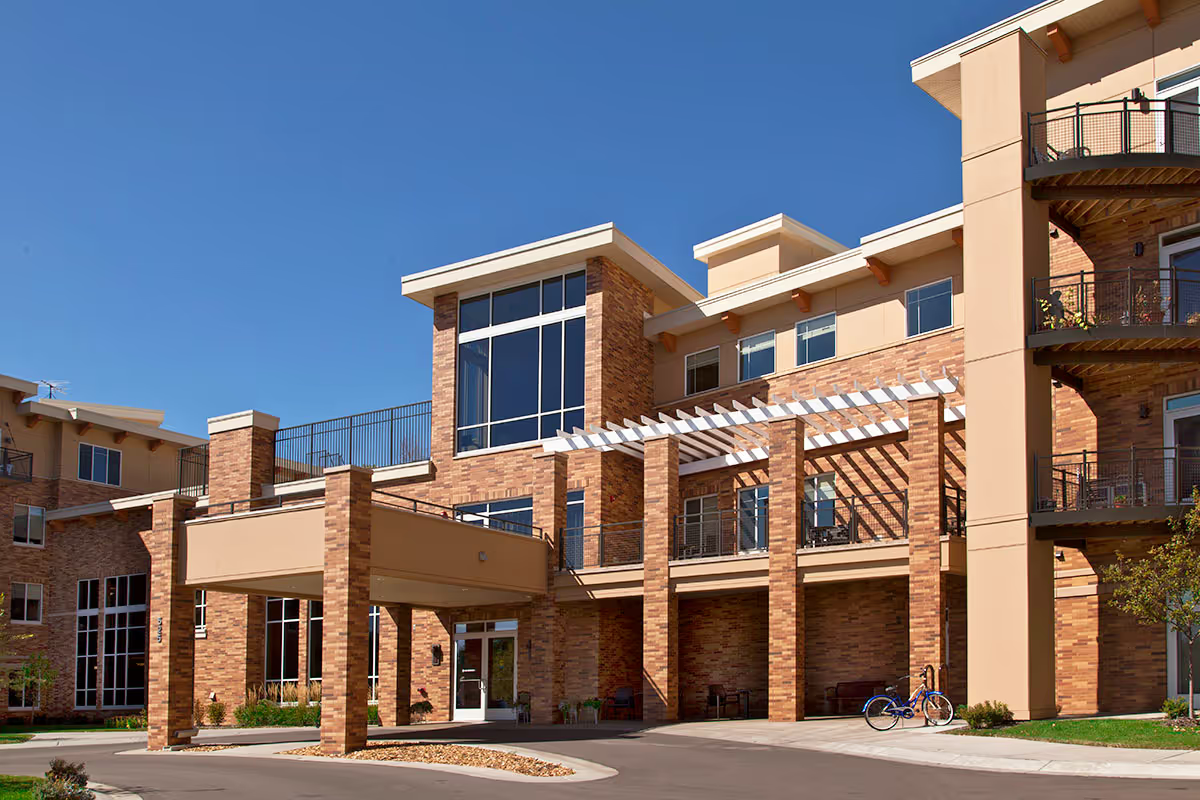
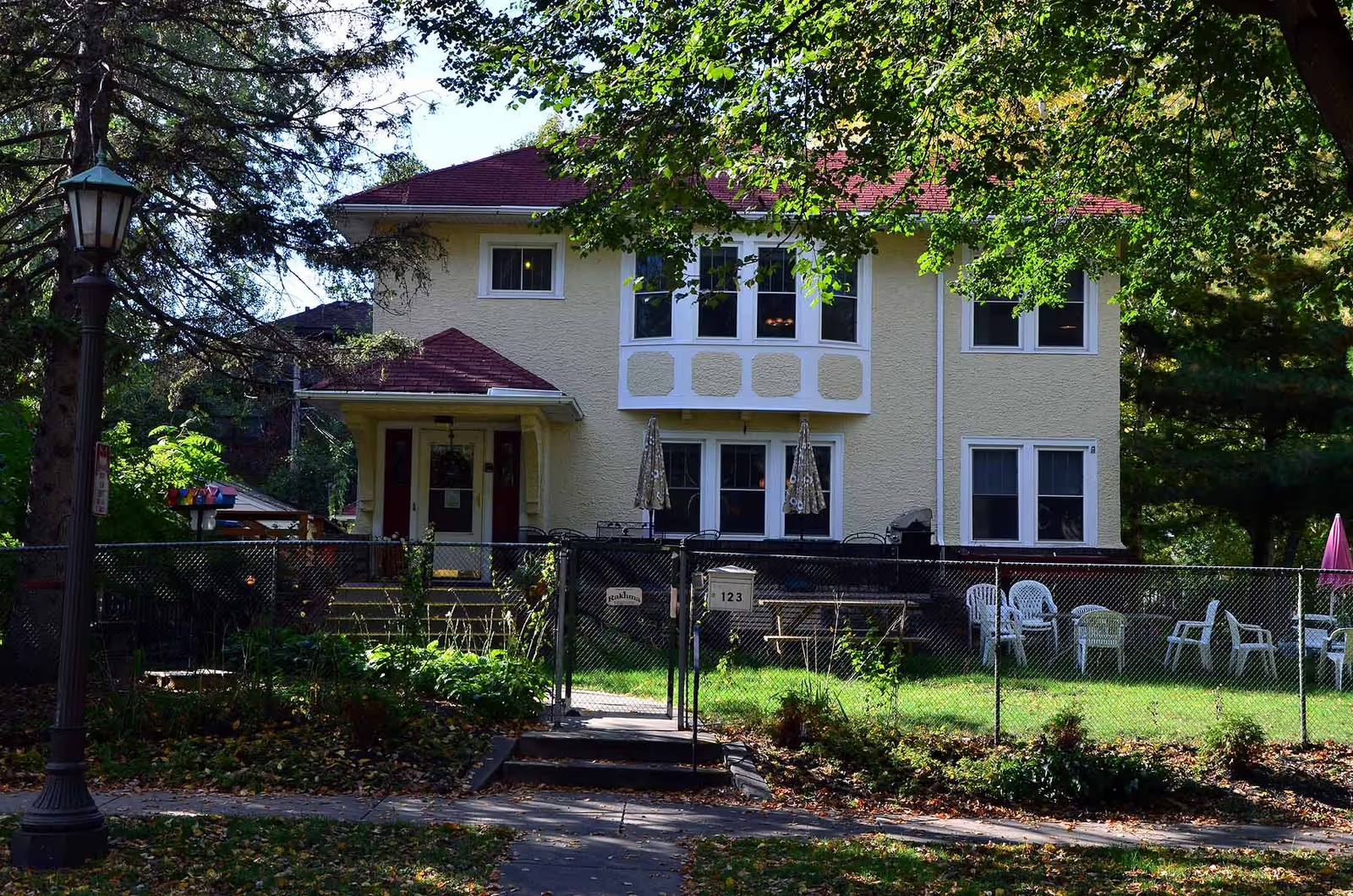
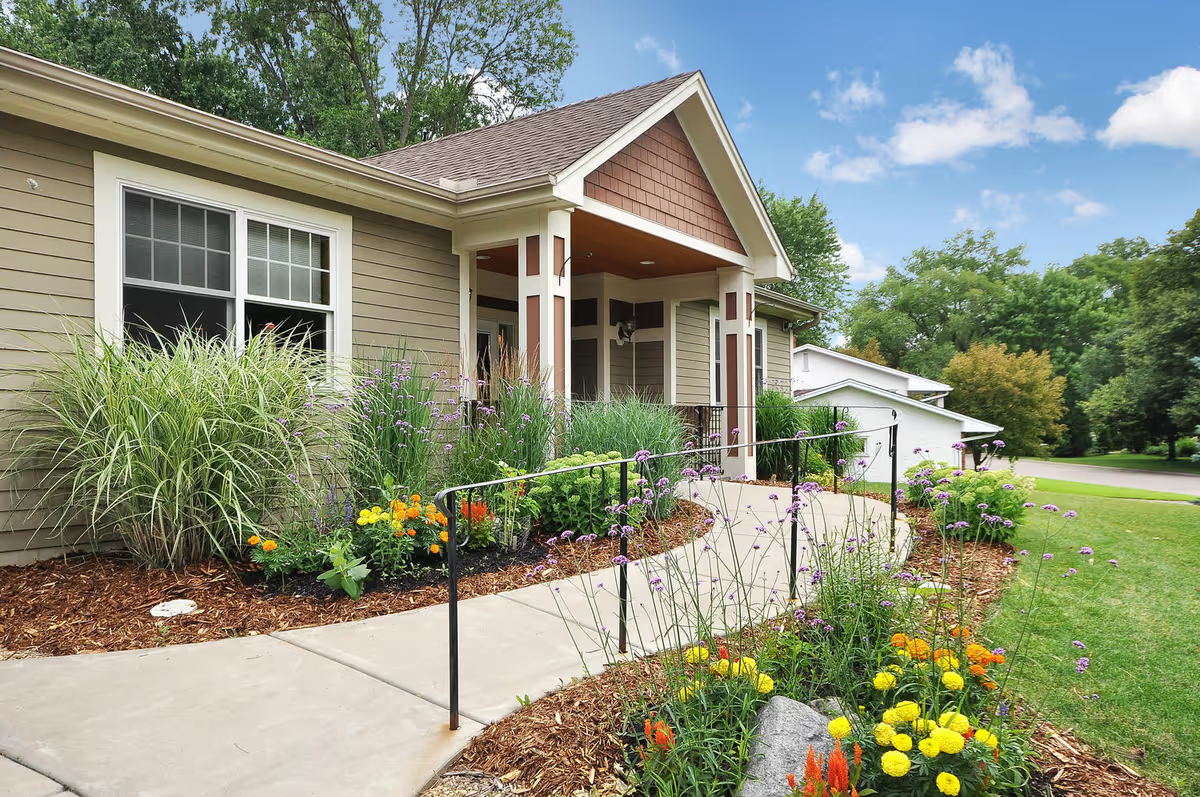
The Alton presents a mixed but generally positive profile: many families praise the facility for its compassionate, person-centered approach, strong memory-care programming, and a warm, homelike setting. Reviewers frequently highlight attentive direct-care staff and nursing support, a variety of memory-focused activities, clean and well-maintained spaces including an attractive garden and central gathering area, and private-room options with ensuite bathrooms. Several accounts emphasize the facility’s strengths in end-of-life support, in-house clinical attention, and an engaged reception/marketing team that makes touring families feel welcome.
Care and staffing: Clinical and caregiving quality is a core strength when staffing is adequate — staff are described as empathetic, knowledgeable about dementia care, and effective at building a sense of community. However, there is a recurrent pattern of operational strain: inconsistent staffing levels (particularly on weekends), occasional inability to motivate or engage residents with higher needs, and variability in assistance with personal hygiene and laundry routines. A number of accounts indicate breakdowns in medication administration and clinical coordination that suggest the need for clearer protocols and oversight. Prospective families should ask about current staffing ratios, medication-safety procedures, and nurse-manager oversight.
Dining and activities: Activity programming is frequently cited as a standout element, especially within the memory-care neighborhoods where organized games, puzzles, and social programming are noted. At the same time, activity visibility and resident engagement appear inconsistent in some observations. Dining is commonly described as healthy and well-prepared, with some reviewers praising meals; other reviewers raised concerns about highly processed offerings, limited fresh fruit/vegetable options, and constrained menu variety (including limited ethnic options). If dining preferences and nutrition variety are important, families should request current menus and sample meals during a visit.
Facilities and safety: The physical plant and maintenance receive strong marks: clean common areas, good maintenance, effective wandering/detection measures, and pleasant outdoor spaces. The building’s scale and location are positives for many families. Nonetheless, several operational safety systems drew concern — notably unreliable call-button functionality and emergency-response reliability — which are operational risks for residents who require rapid assistance. There are also reports that the community may not be well-suited for residents who are rapidly progressing to higher medical acuity; families of couples who wish to cohabit where one partner needs much more intensive care should verify placement policies and transfer protocols.
Management and communication: Administrative impressions are mixed. Some families commend specific leaders (for example, a communicative nurse manager and knowledgeable marketing staff) and note timely family updates. Other families describe disorganized administrative processes, poor intra-staff communication, missing documentation, and inconsistent coordination with external providers such as hospice and ambulance services. There are also mentions of personal-item loss and challenges in tracking belongings, which point to opportunities for stronger property-management practices. Cost is a consistent consideration: the community is described as expensive with private-pay requirements, and several families wrestled with perceived value versus price.
Notable patterns and recommendations: Overall, The Alton offers strong elements for residents who need memory-focused, community-oriented care in an attractive facility, but operational variability — particularly around staffing consistency, medication and emergency-response processes, dining variety, and administrative coordination — appears repeatedly. Prospective families should balance the facility’s demonstrated strengths in compassionate caregiving and programming against these operational concerns. Recommended topics for a visit and contract discussion include current staffing ratios (including weekend coverage), medication-safety protocols, call-button and emergency-response testing, hospice and external-provider coordination procedures, property-inventory policies, language capabilities of direct-care staff, activity schedules, sample menus, and total cost and private-pay terms.