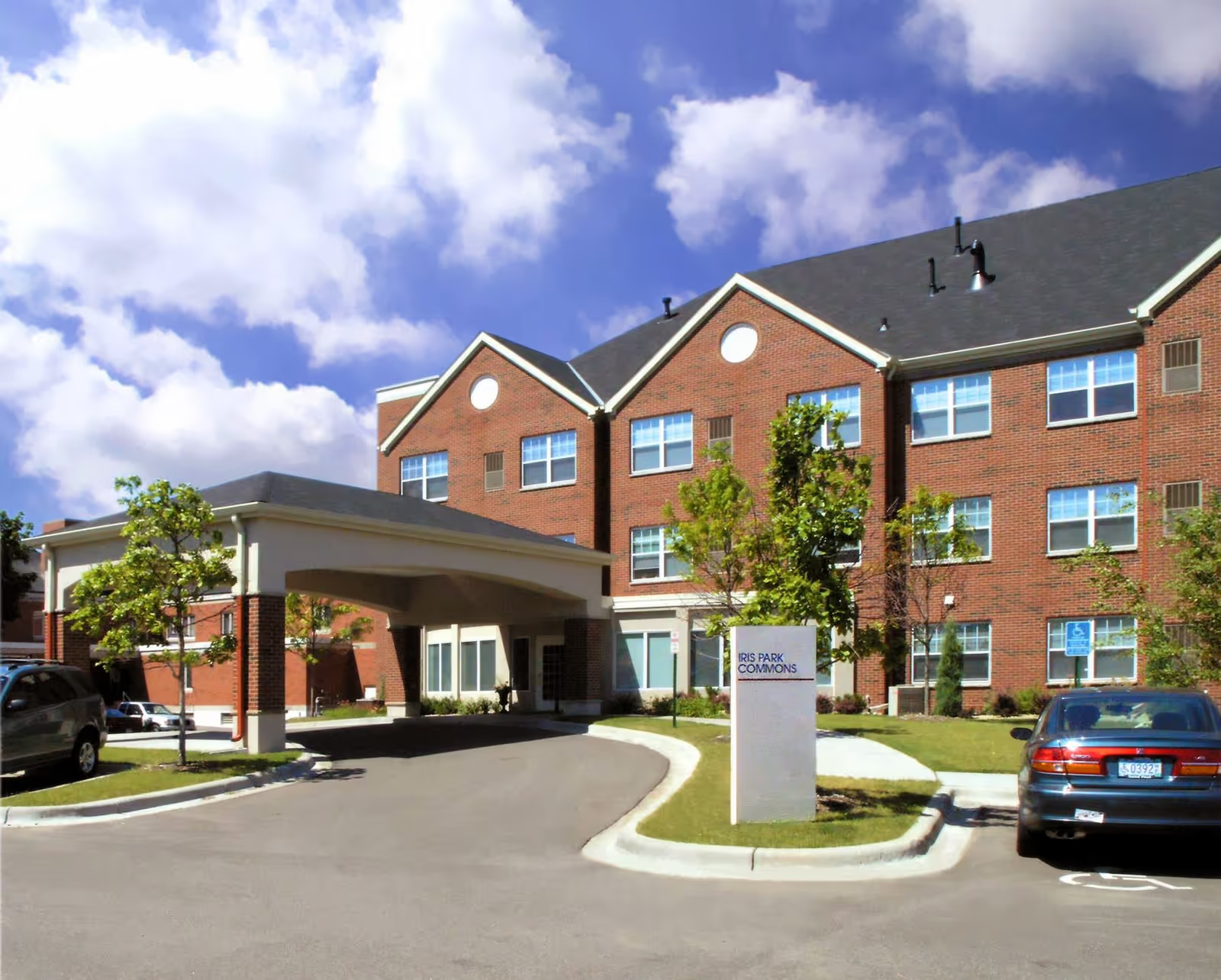
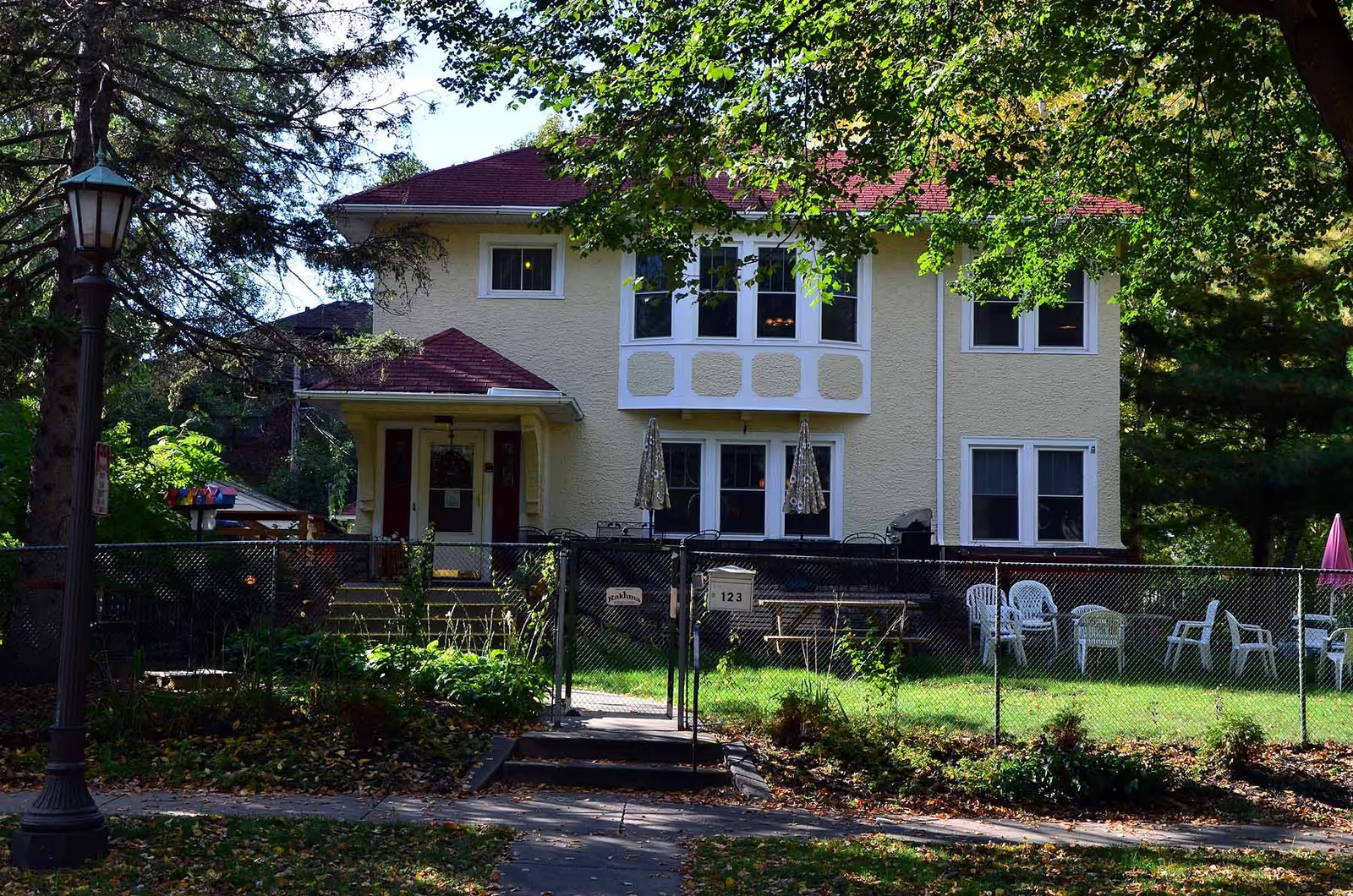
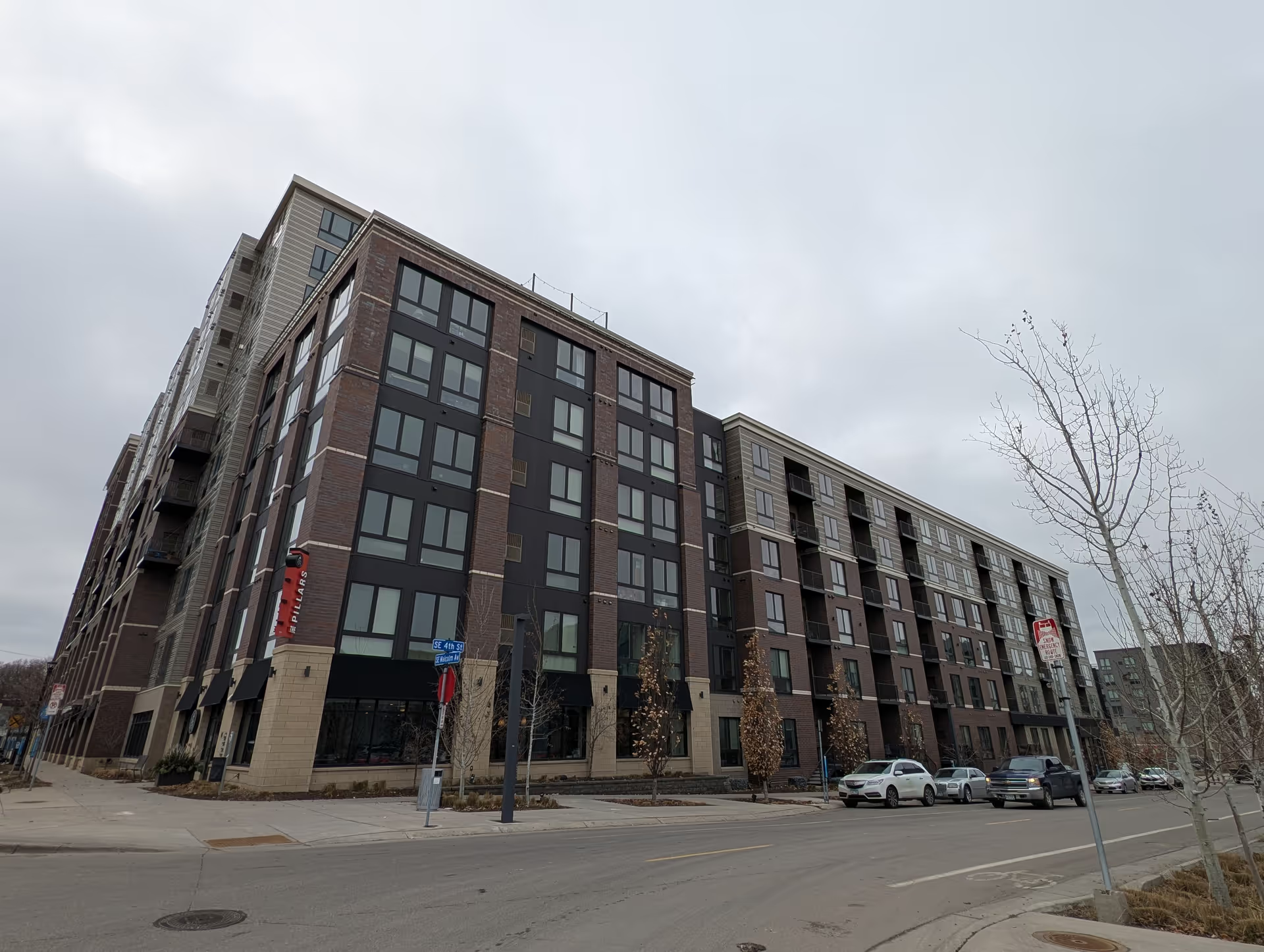
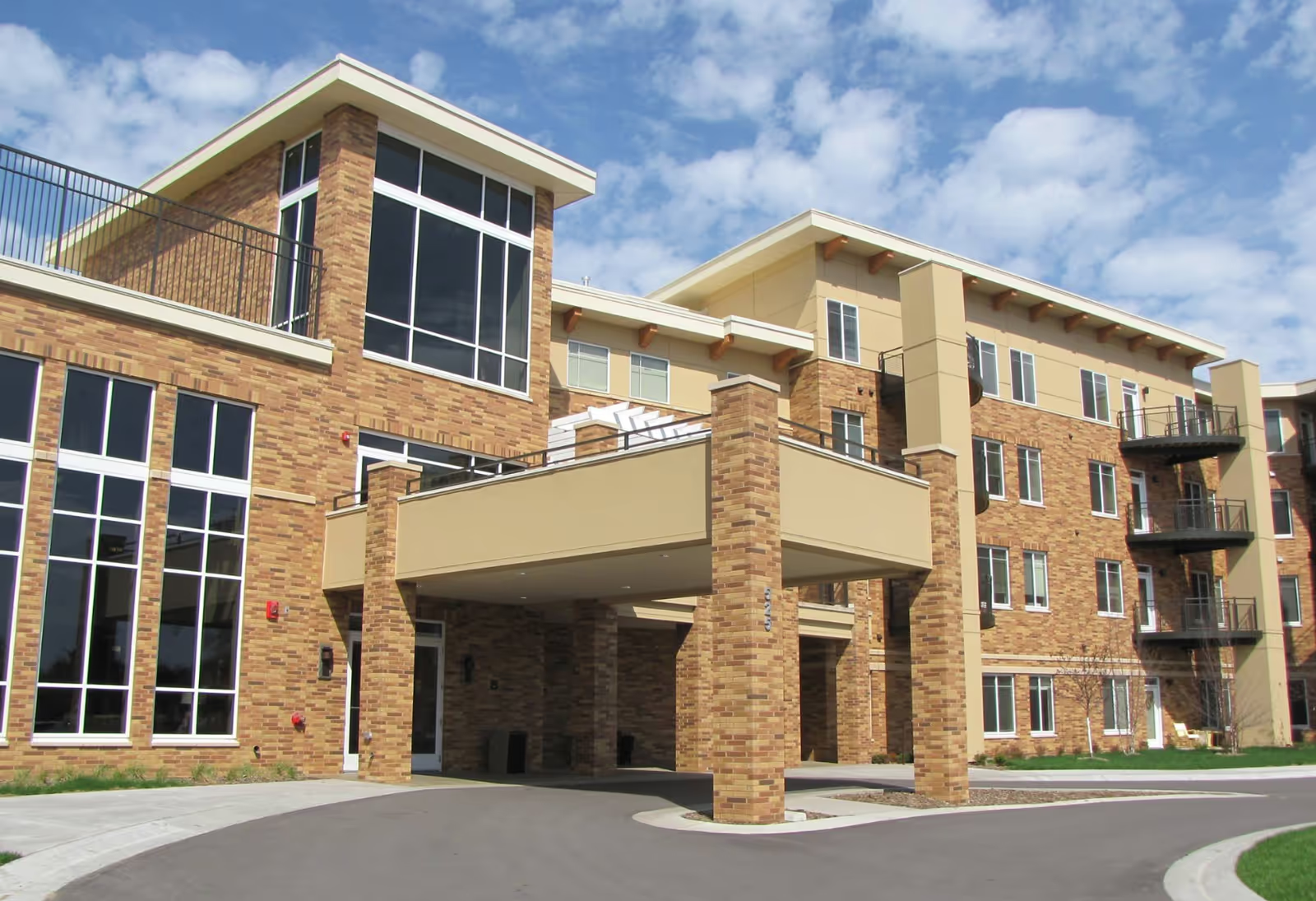
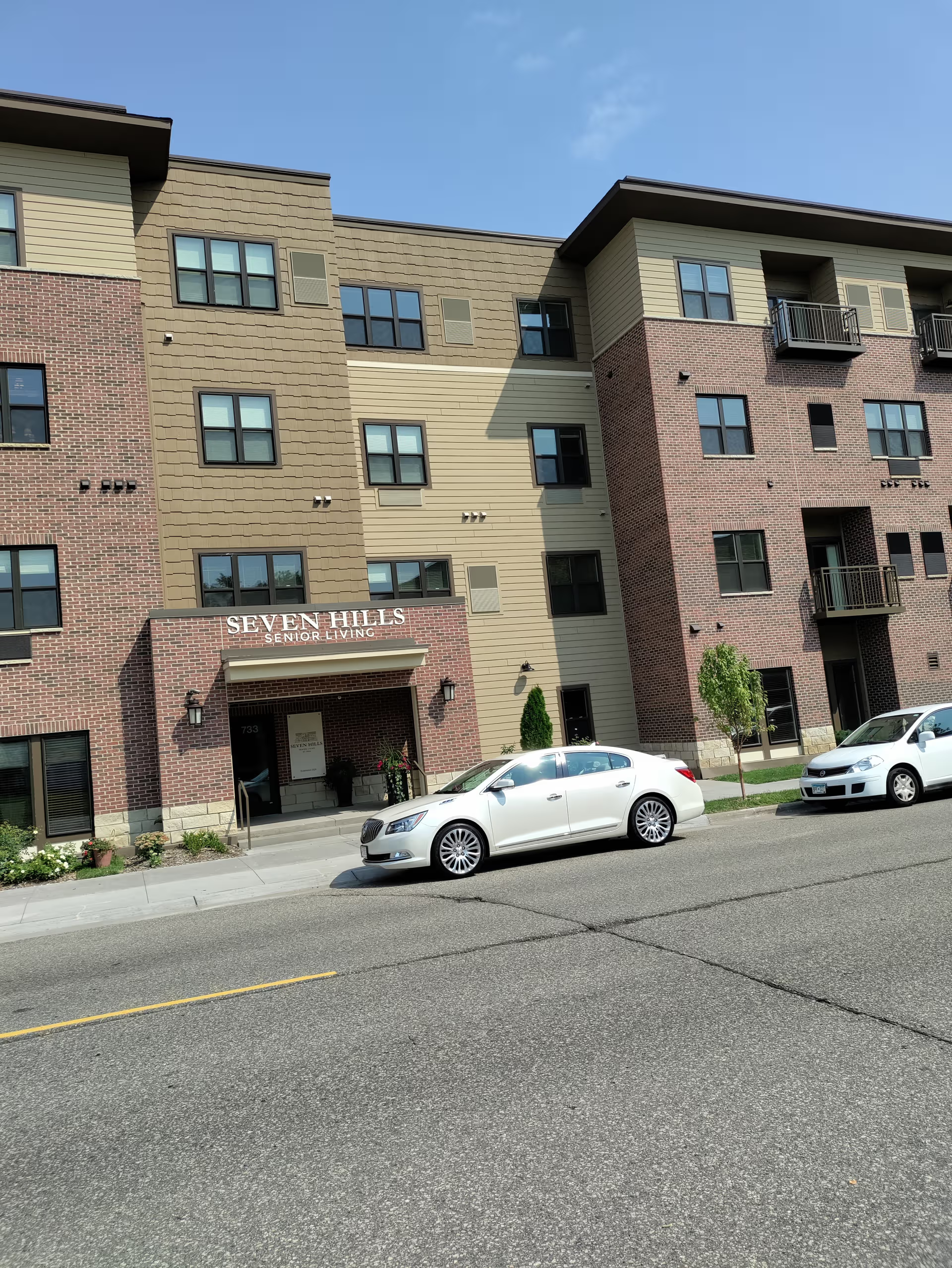
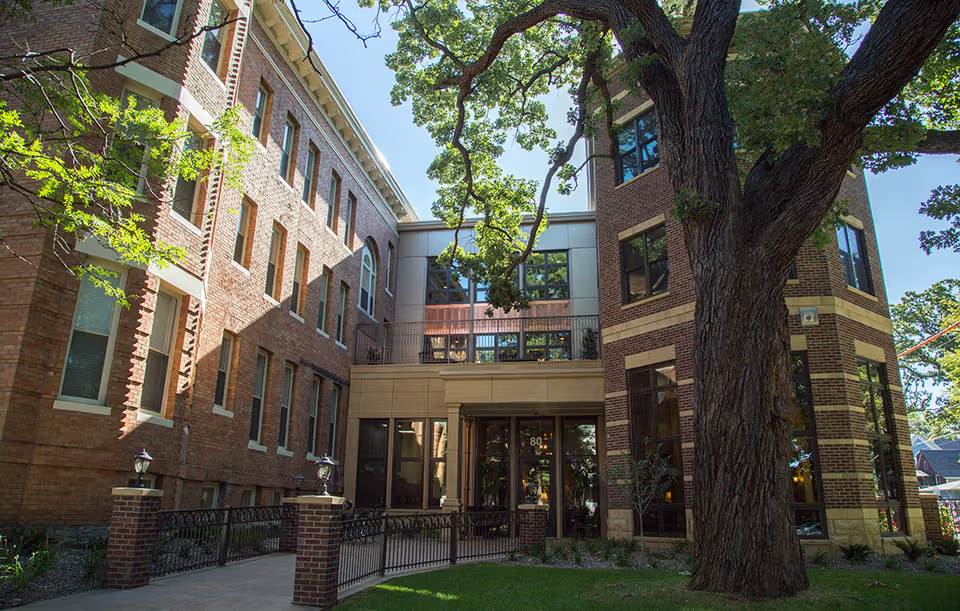
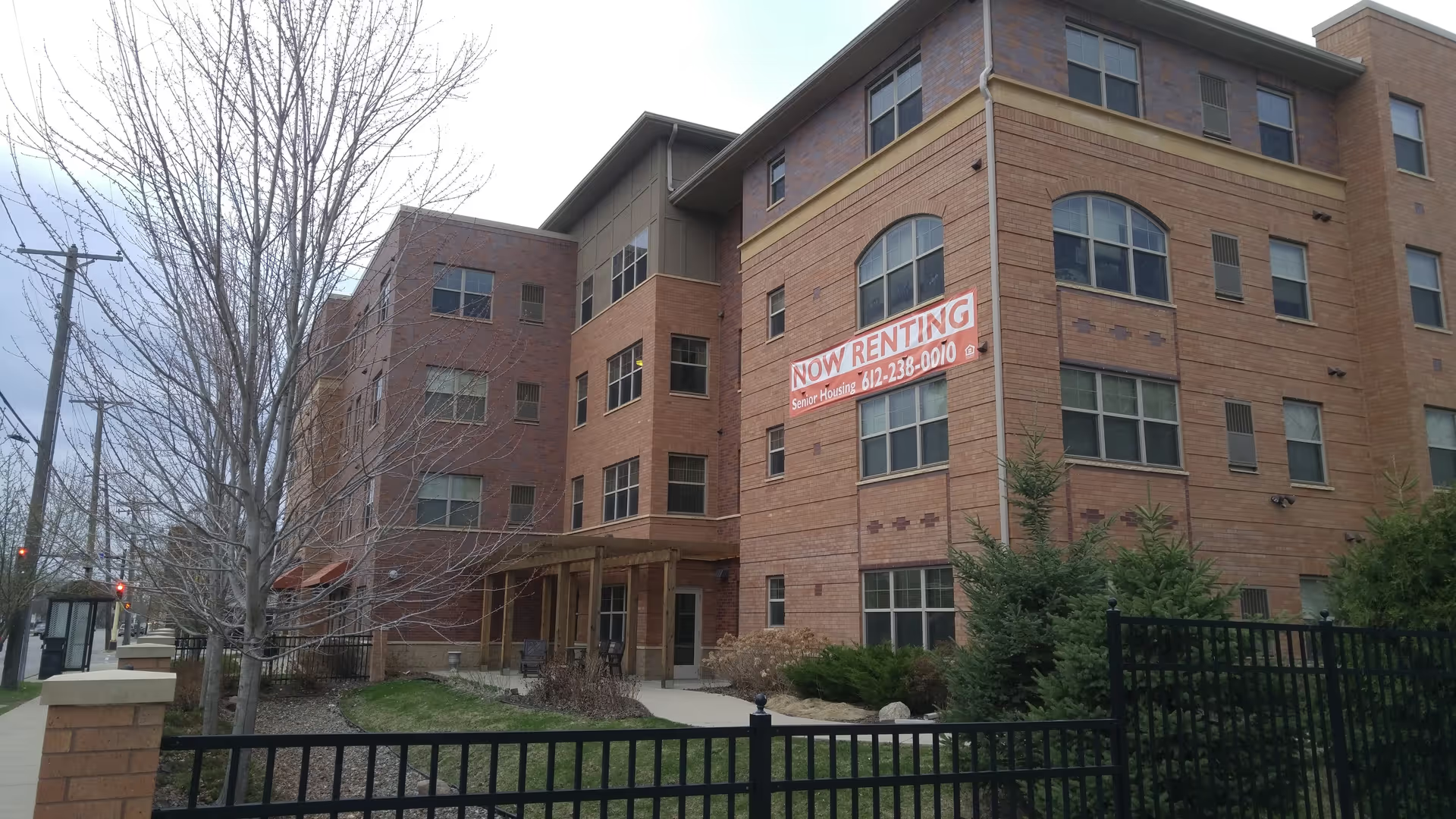
Episcopal Homes of Minnesota is described overall as a welcoming, well-appointed senior living community with an extensive amenity set and an active social life. Reviewers consistently praise the facility’s physical environment—clean, bright interiors; multiple dining venues including a pub and bistro; an onsite movie theater; library services; and guest-room accommodations—creating a home-like atmosphere that many find superior to typical assisted-living alternatives. The community offers a broad continuum of care (independent living, assisted living, transitional care/TCU) and contract rehabilitation services (PT/OT), which supports residents who need varying levels of clinical and rehabilitative support while remaining on campus.
Staff and care quality are frequently highlighted as strengths: many reviewers use terms such as compassionate, friendly, and helpful, and families note successful long-term relationships and accommodating responses to non-clinical needs (helping visitors, social integration, orientation). The community’s programmatic offerings are robust, with abundant classes, spiritual programs, music groups, social hours, fitness/physio options, and frequent entertainment that foster social connection and engagement. Dining receives positive mention for variety and quality, including multiple restaurants, fresh pastries, and specialty items in the pub and bistro.
Conversely, reviews reveal recurring operational weaknesses. Staffing levels and consistency are uneven according to multiple accounts, which ties to concerns about responsiveness to clinical needs and medication administration. Several accounts indicate delays in staff response and gaps in clinical follow-up; these point to systemic issues in staffing models or shift coverage rather than isolated events. Security and resident-safety protocols also emerged as a theme—concerns about theft, unclear staff roles in security matters, and perceptions of neighborhood safety (particularly at night or when using nearby transit) suggest the facility and families may want clearer safety planning and communication.
Facility-level issues include an older, sometimes maze-like building layout that can make navigation and parking inconvenient for visitors, and limited storage in some apartment units. There are reports of inconsistent maintenance responsiveness for urgent environmental issues, which could affect resident comfort. Reviewers also described management-related concerns: inconsistent communication, slow implementation of desired improvements, and at times a politicized atmosphere in communal spaces due to visible political signage; these suggest governance and policy clarity could be strengthened. Finally, cost and coverage considerations—particularly limits in what Medicare covers for transitional services—were raised as practical considerations for prospective residents and families.
In sum, Episcopal Homes appears to deliver many strengths typical of an established, amenity-rich senior community—engaging programming, appealing facilities, and a strong community ethos—paired with operational challenges common in larger senior-care settings: staffing consistency, clinical-response reliability, safety protocol clarity, and maintenance/management responsiveness. Prospective residents and families should weigh the facility’s robust social and amenity offerings and continuum-of-care advantages against the identified operational concerns, and consider targeted questions about staffing ratios, emergency/clinical response protocols, security measures, maintenance turnaround times, and policies governing communal spaces during tours or decision meetings.