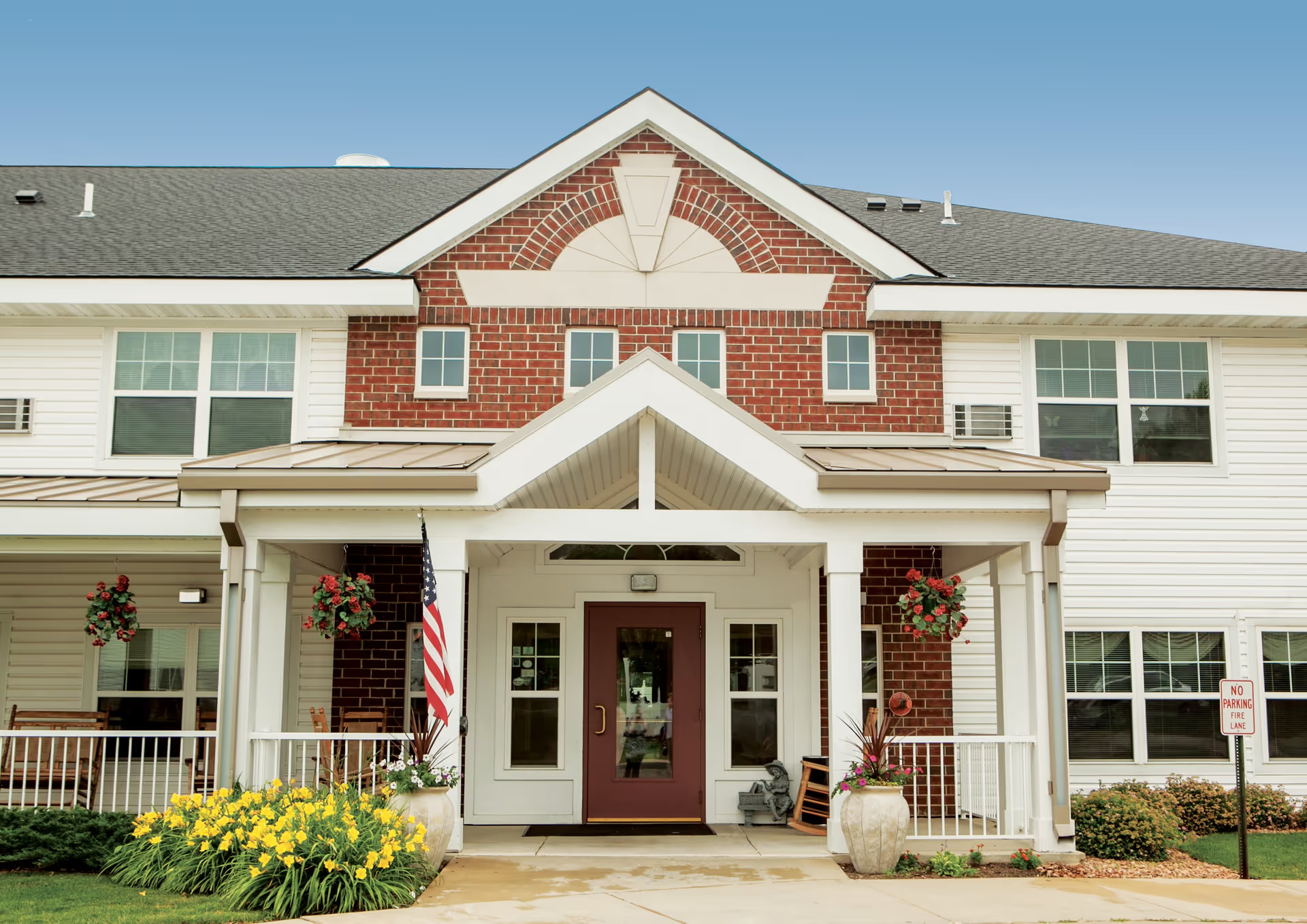
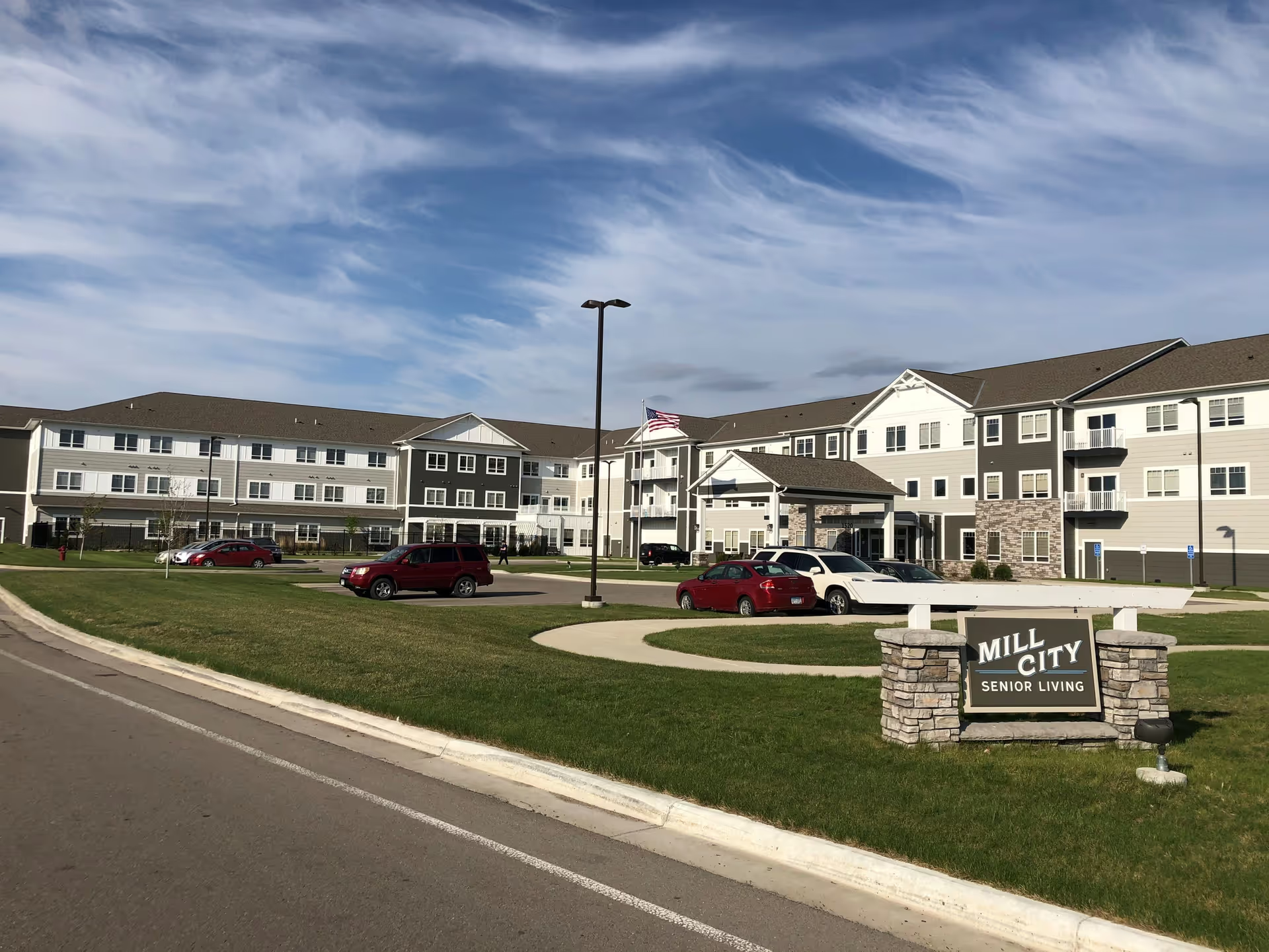
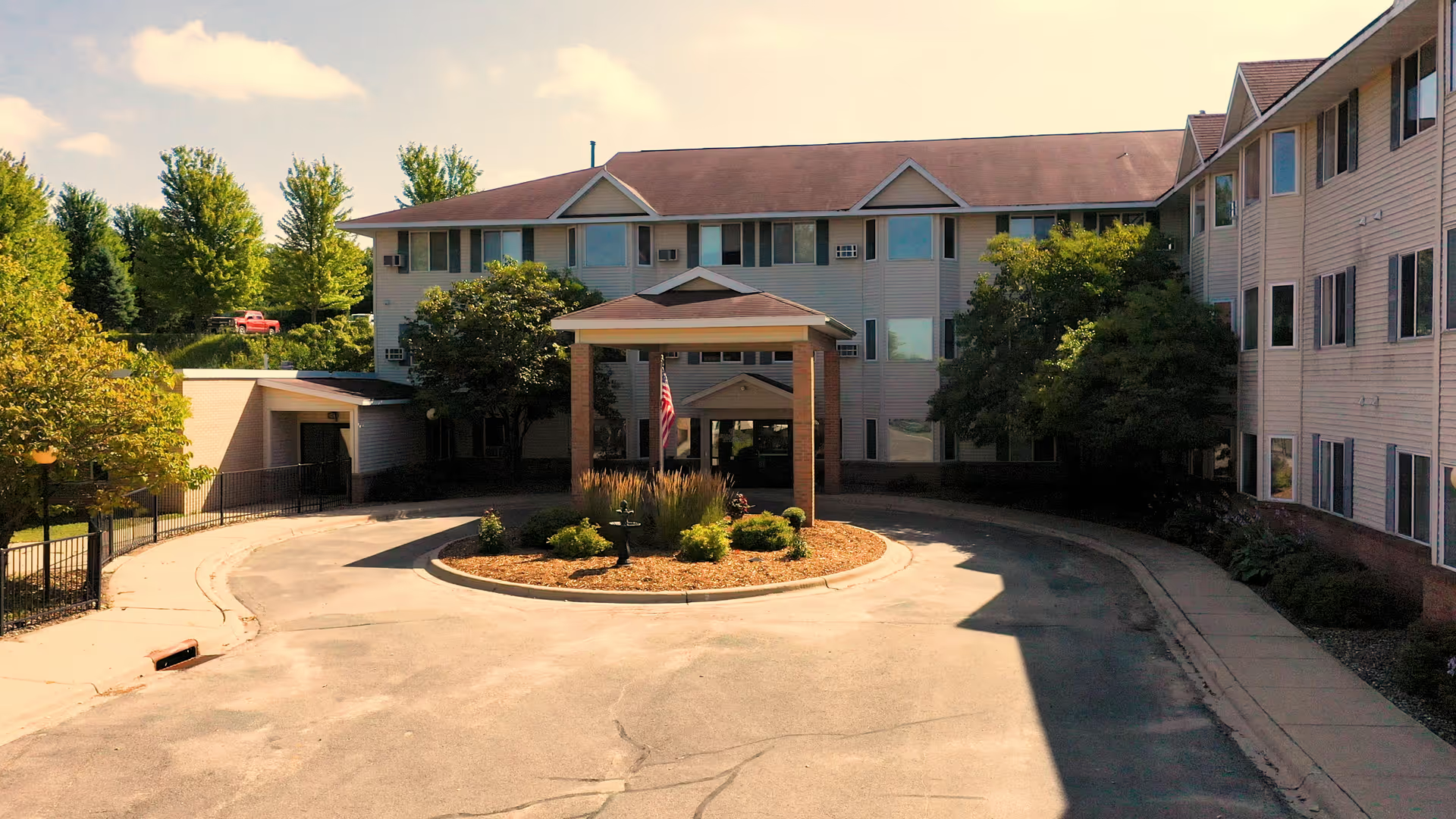
The reviews present a mixed but clear picture: Lakeshore Rehabilitation Center benefits from a strong sense of place and some clearly positive caregiving experiences, yet there are recurring operational and maintenance concerns that undermine resident comfort and family confidence. Multiple reviewers highlight the facility's picturesque lakeside setting and describe it as a small, intimate place. Those positives coexist with repeated mentions of inattentive staff, ignored complaints, accessibility problems for wheelchair users, unpleasant odors, and poorly maintained common areas.
Care quality and end-of-life services emerge as one of the most distinct themes. Several reviewers specifically praised the hospice care and described a peaceful passing, noting that staff supported the family during that difficult time. Those accounts suggest that when hospice services are involved — and in at least some shifts or situations — staff can be compassionate, effective, and attentive to family needs. Conversely, other reviewers reported inattentive staff and felt that their complaints were ignored, indicating variability in care quality or responsiveness depending on the situation. The juxtaposition of heartfelt hospice praise alongside reports of inattention suggests inconsistent service levels across staff members, shifts, or departments.
Staff overall is described in both positive and negative terms. Multiple summaries call staff friendly and hardworking, which indicates that many employees make a positive impression. However, the reports of staff inattentiveness and ignored complaints point to service gaps and possible communication or management issues. The presence of both commendations and criticisms in the reviews implies a mixed staffing picture: some caregivers are compassionate and diligent, while others may not meet expectations for responsiveness or follow-through.
Facility condition and resident mobility are salient concerns. Reviewers repeatedly mention limited freedom of movement for residents in wheelchairs, which raises questions about physical accessibility, available mobility assistance, or staffing to help residents move. Public areas are described as not well maintained and there is mention of an unpleasant smell in the facility. Together these comments indicate housekeeping, maintenance, and environmental quality problems that affect daily comfort and the impression families form when visiting. These issues contrast with the appealing outdoor setting and small scale of the facility, suggesting that aesthetic strengths are not consistently matched by interior upkeep.
Management and communication themes also appear: multiple reviewers say complaints were ignored, a sign of perceived poor responsiveness from leadership or front-line supervisors. When complaints about staffing, odor, or maintenance are not addressed, families and residents understandably lose confidence. The positive hospice experiences show that the facility can deliver high-quality, compassionate care in certain circumstances; however, the pattern of ignored complaints and inconsistent attention suggests a need for stronger complaint resolution processes and more consistent oversight.
In summary, Lakeshore Rehabilitation Center has notable strengths that include a scenic lakeside location, a small and potentially more personal environment, and instances of compassionate hospice care with strong family support. These strengths are offset by recurring operational problems: inconsistent staff attentiveness and responsiveness, ignored complaints, accessibility and mobility limitations for wheelchair users, unpleasant odors, and poorly maintained public spaces. Prospective residents and families should weigh the facility's ability to provide compassionate end-of-life care and the friendly, hardworking staff reported by some reviewers against the documented concerns about maintenance, cleanliness, accessibility, and complaint handling. If considering Lakeshore, families may want to ask management about current staffing consistency, housekeeping and maintenance protocols, accessibility accommodations for wheelchair users, and how complaints are tracked and resolved to ensure the positive aspects are consistently delivered.