Overall impression: Reviews describe a facility with a strong person-centered and faith-based identity alongside operational inconsistencies. Many caregivers and activity staff are praised for compassion, dignity-preserving care, and spiritual support. At the same time, recurring operational issues — chiefly staffing variability, communication gaps, and some clinical-process concerns — create a mixed experience for families.
Care and staff: A sizable portion of feedback emphasizes respectful, attentive caregiving, individualized memory-care plans, and on-call nursing support. Families note improved quality of life for some residents, attention to comfort (for example, therapeutic skin care and engagement from activity staff), and effective end-of-life support in several accounts. Counterbalancing that, reviewers flagged instances consistent with understaffing: delays in assistance with activities of daily living, concerns about medication administration controls, and delayed emergency responses. These items suggest variability in care reliability tied to staffing levels and staff training.
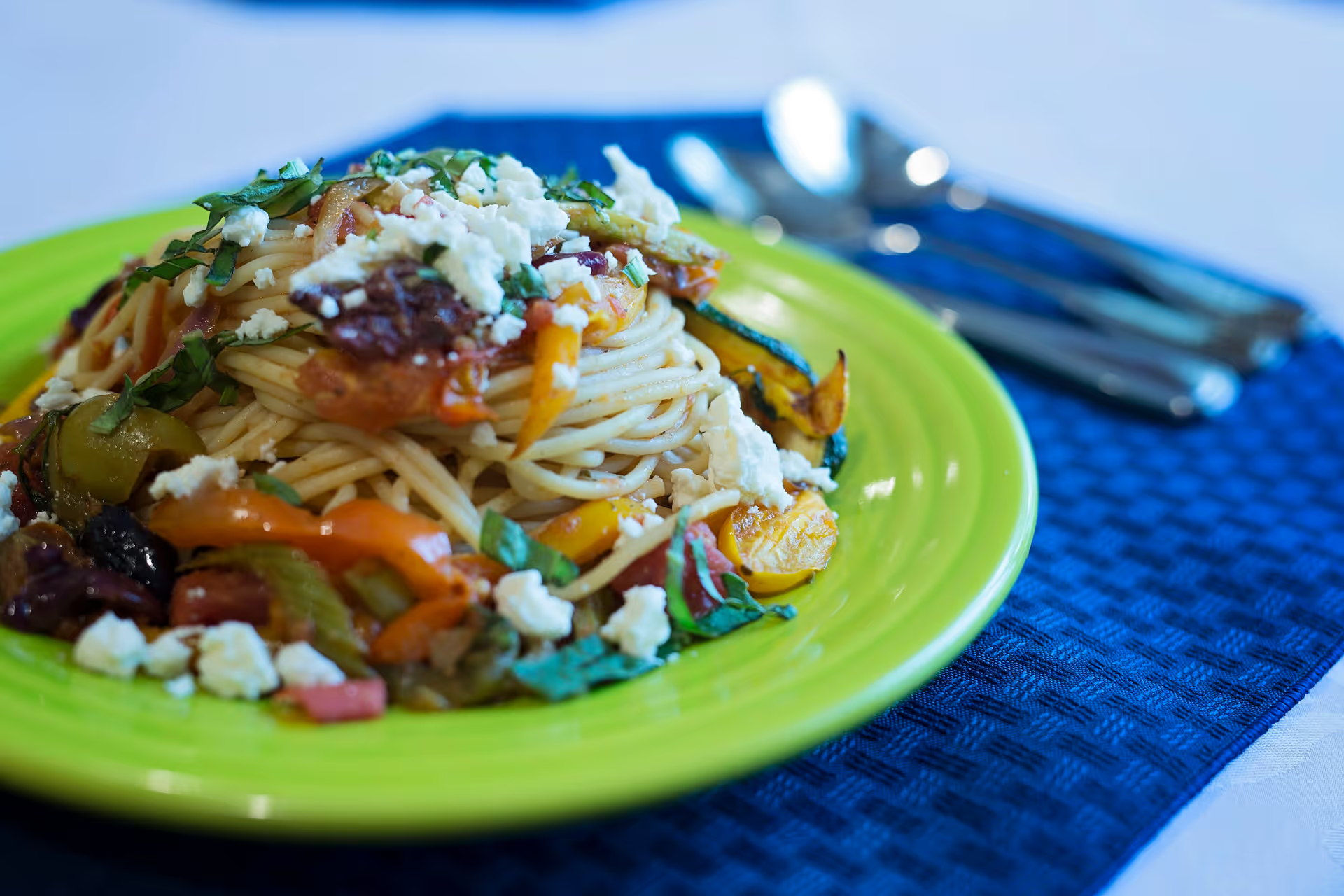
Dining: Dining impressions are mixed. Multiple comments praise a skilled chef, posted menus, and meals described as good or delicious. Other accounts call food service average or point to poor meal delivery on occasion. The pattern indicates that food quality and meal-service continuity can be a strength but may be inconsistent at times.
Activities and social life: The facility appears to offer an active program, with a comprehensive calendar, regular spiritual gatherings, and staff-led activities that many families and residents appreciate. Specific staff members were noted for planning and engagement. However, weekend programming and staffing for activities are noted as more limited, which may reduce consistency of engagement across the week.
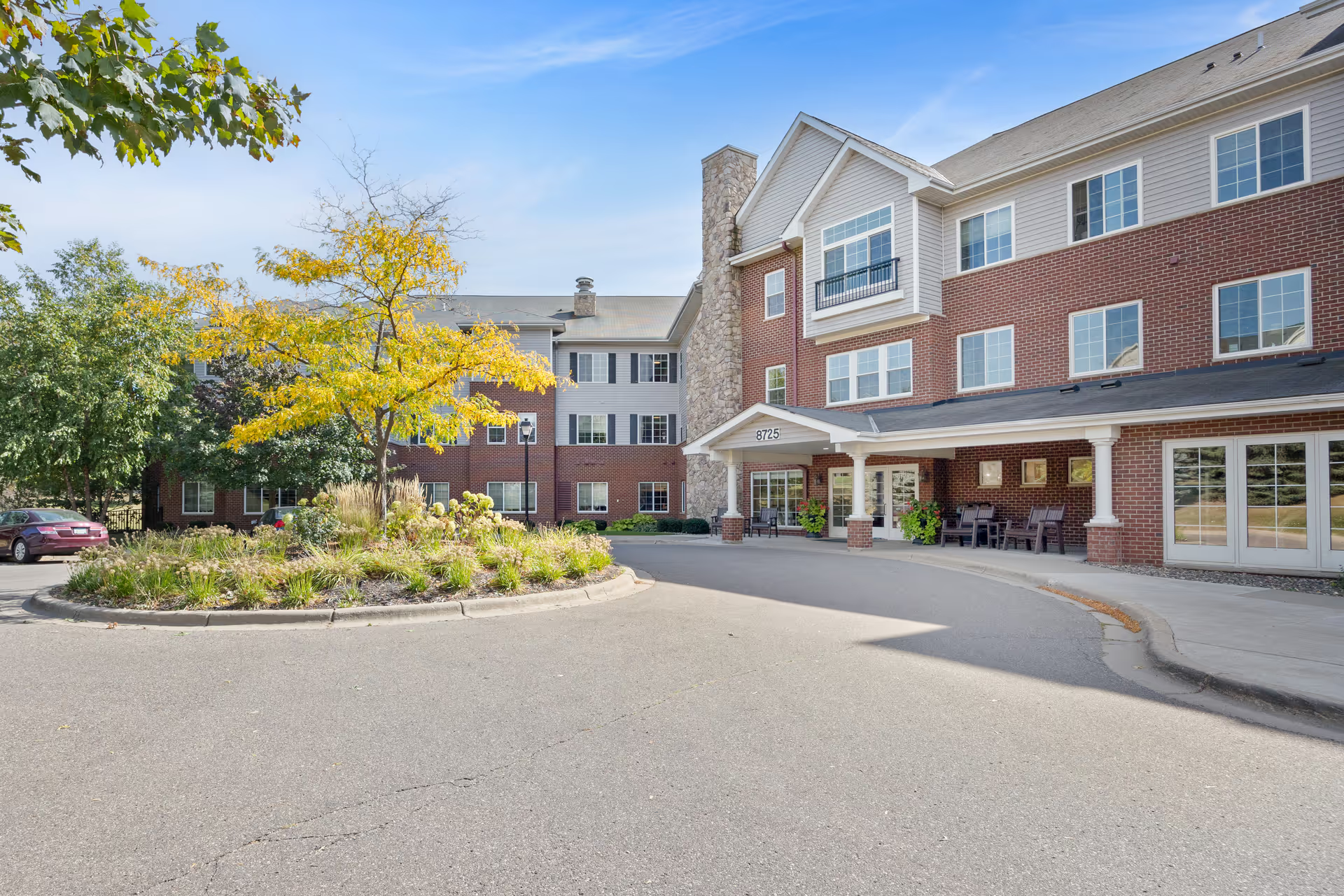
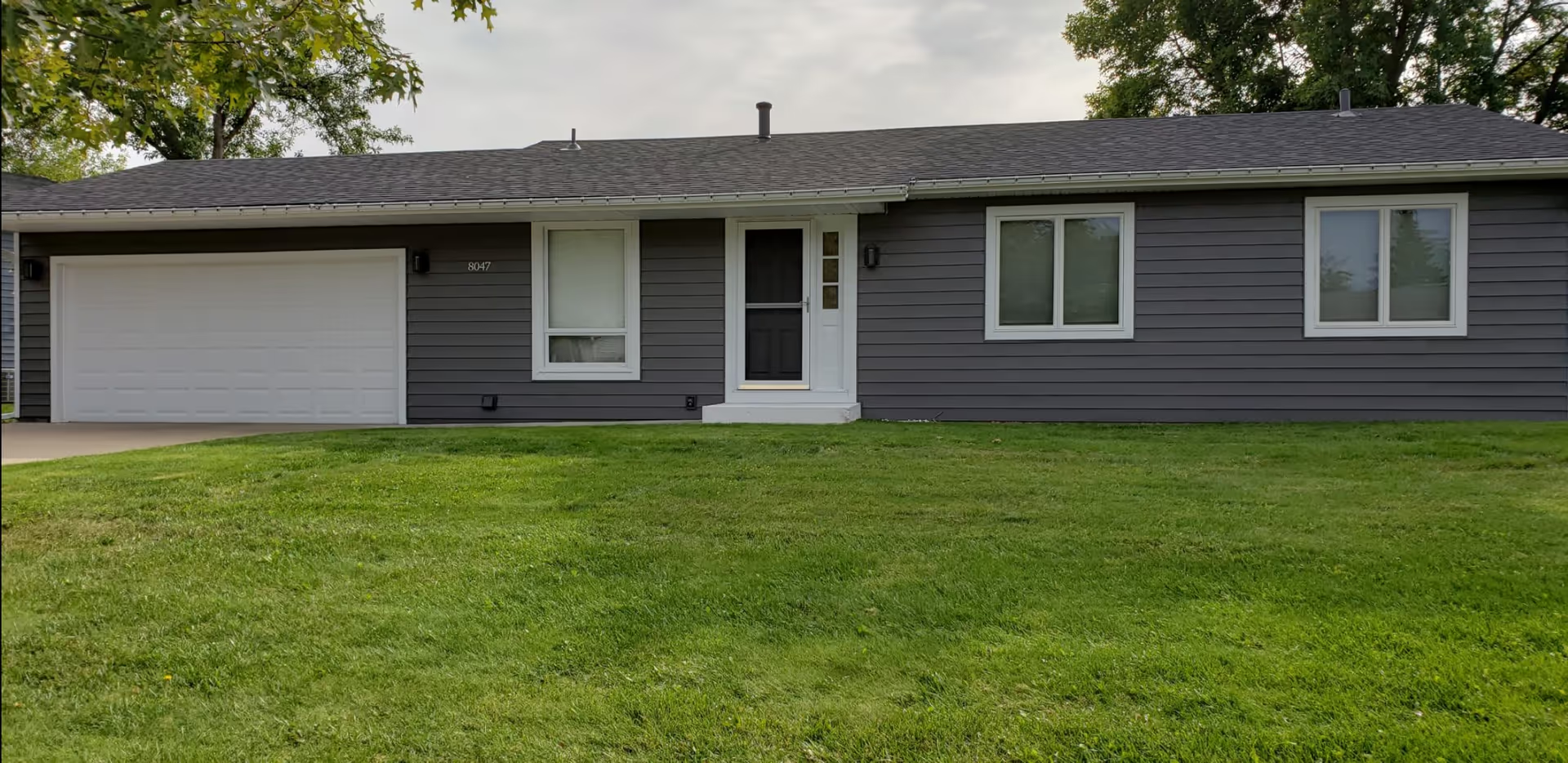
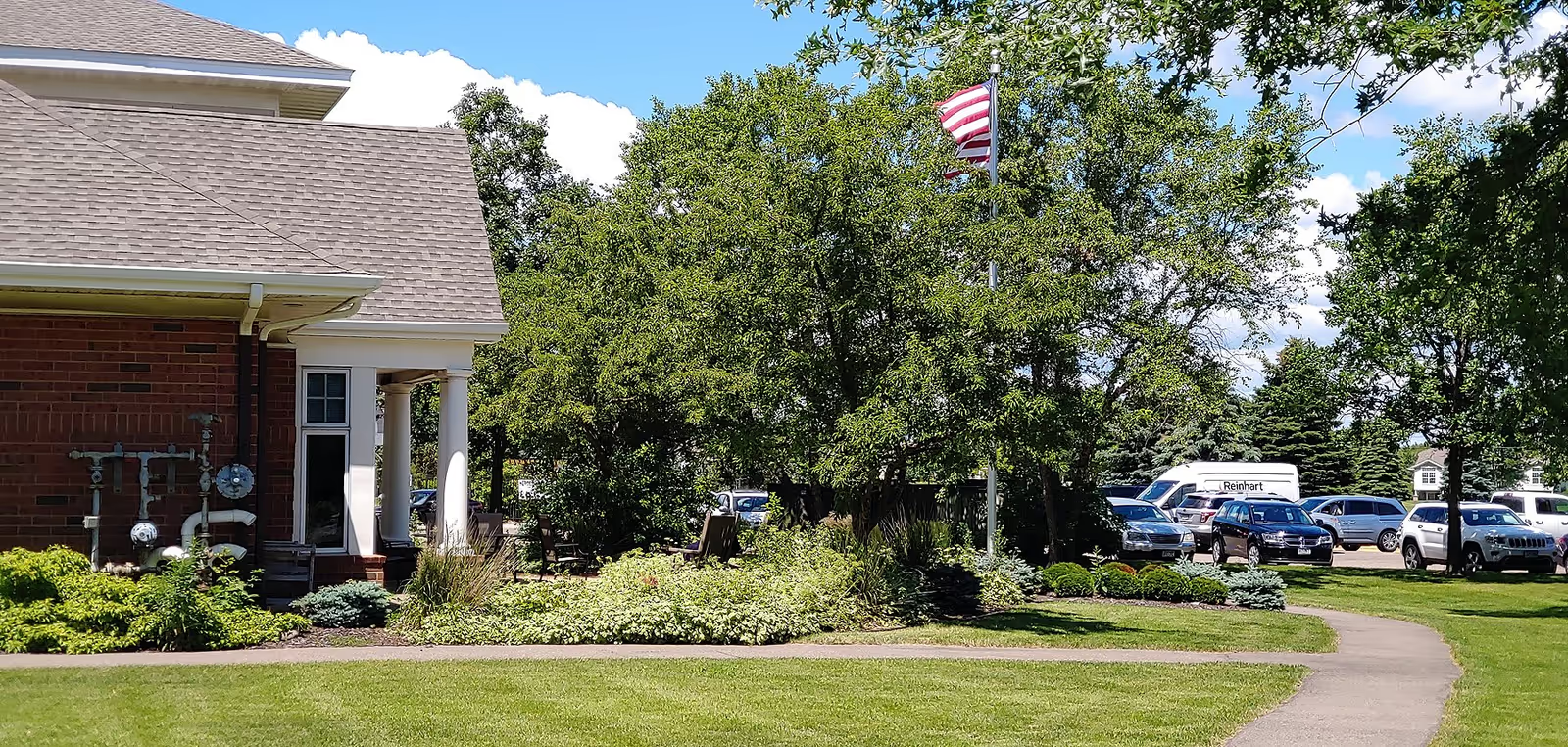
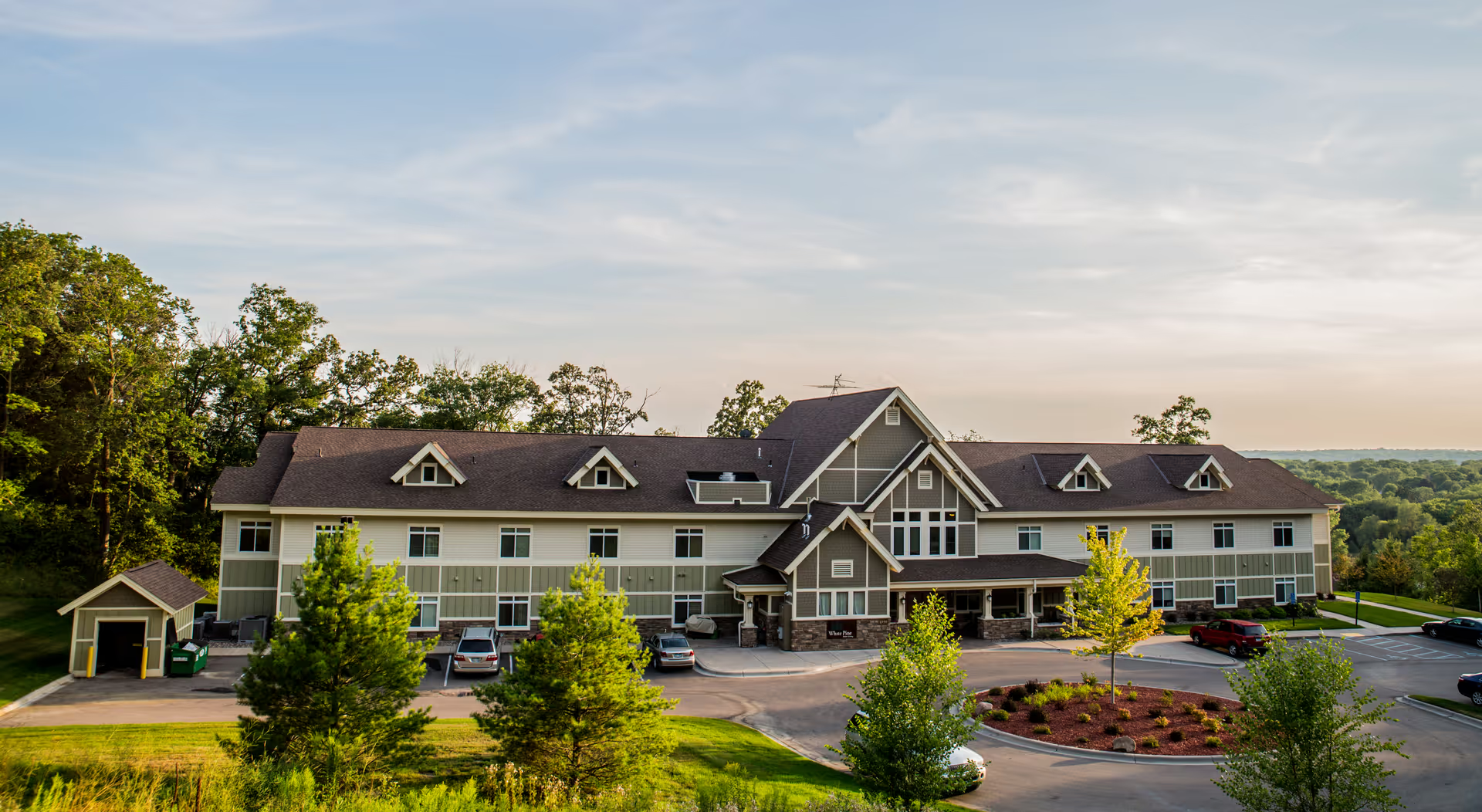
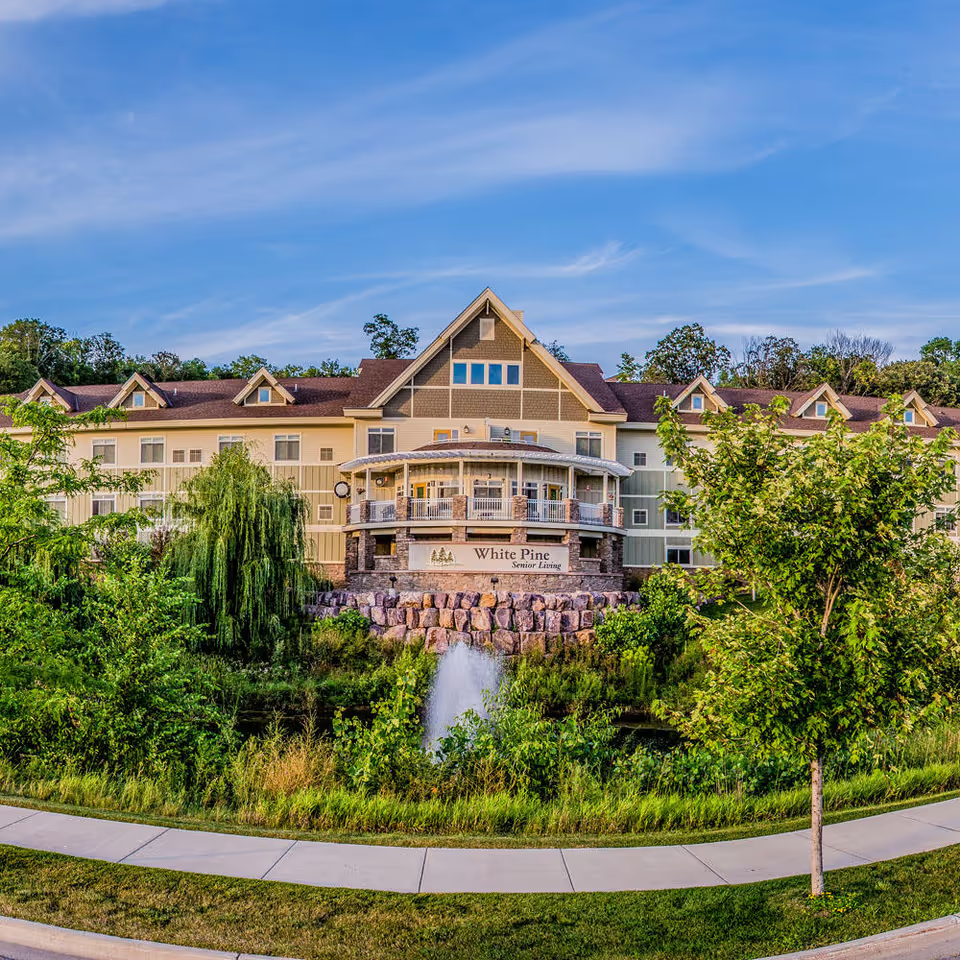
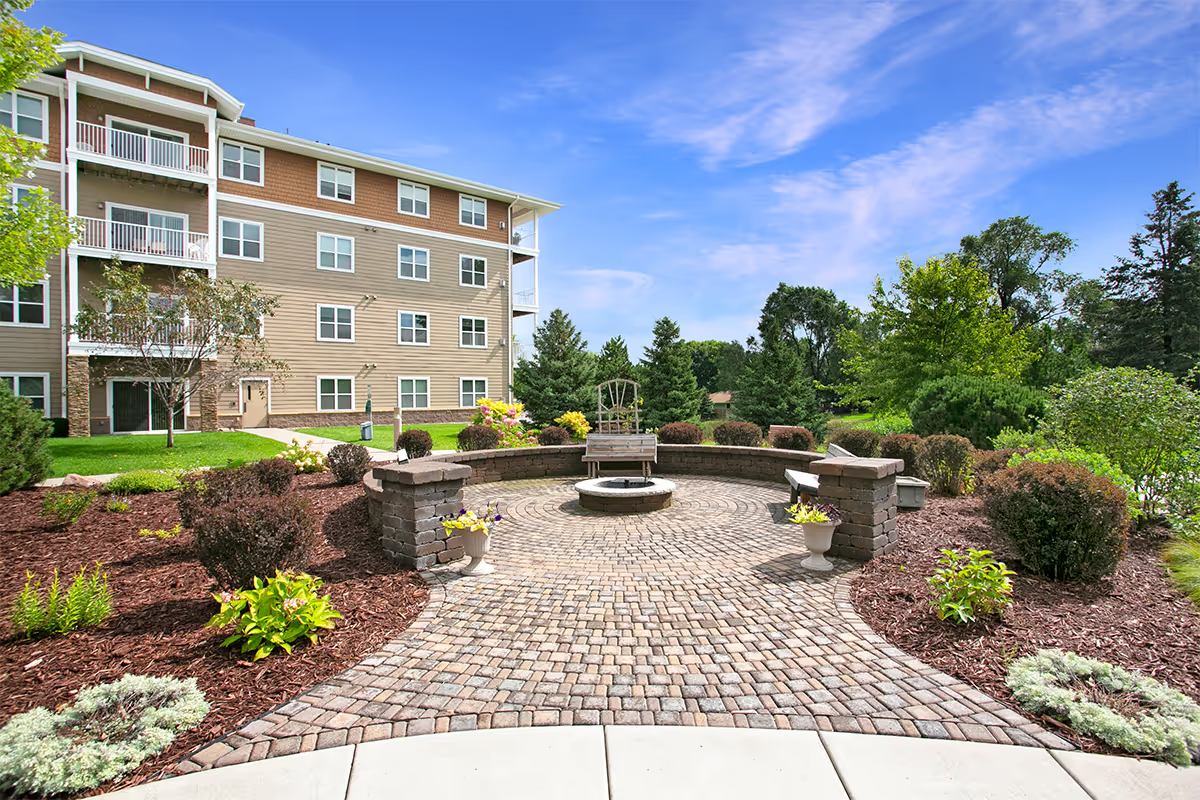
Facilities and amenities: The campus is described as small, cottage-style, and home-like, with outdoor patio space, comfortable rooms, and salon access. Several reviewers praised cleanliness and upkeep. Conversely, others noted sanitation and cleanliness inconsistencies in some areas, indicating room-to-room or shift-to-shift variability in environmental standards.
Management and communication: Administrative responsiveness is described positively by many families who experienced prompt attention to concerns and regular family meetings. Conversely, other reviewers described limited transparency, concerns about administrative honesty, blocked or inconsistent family communication access, and uneven follow-through. These contrasting accounts point to variability in management performance and communication practices rather than a uniformly applied approach.
Patterns and recommendation for prospective families: The dominant pattern is a facility with strong caregiving culture, spiritual programs, and small-community advantages, coupled with operational weaknesses that often relate to staffing levels, medication and clinical-process controls, and inconsistent communication. Prospective residents and families would benefit from focused questions during a tour: observe staffing levels at different times (including evenings/weekends), ask about medication administration protocols and emergency response procedures, review weekend activity schedules, clarify family-communication practices and hospice coordination, and request to see recent inspection or staffing metrics if available. Direct observation of mealtime service and a conversation with the activity director and nursing leadership will help assess whether the facility’s strengths align with a given family’s priorities.