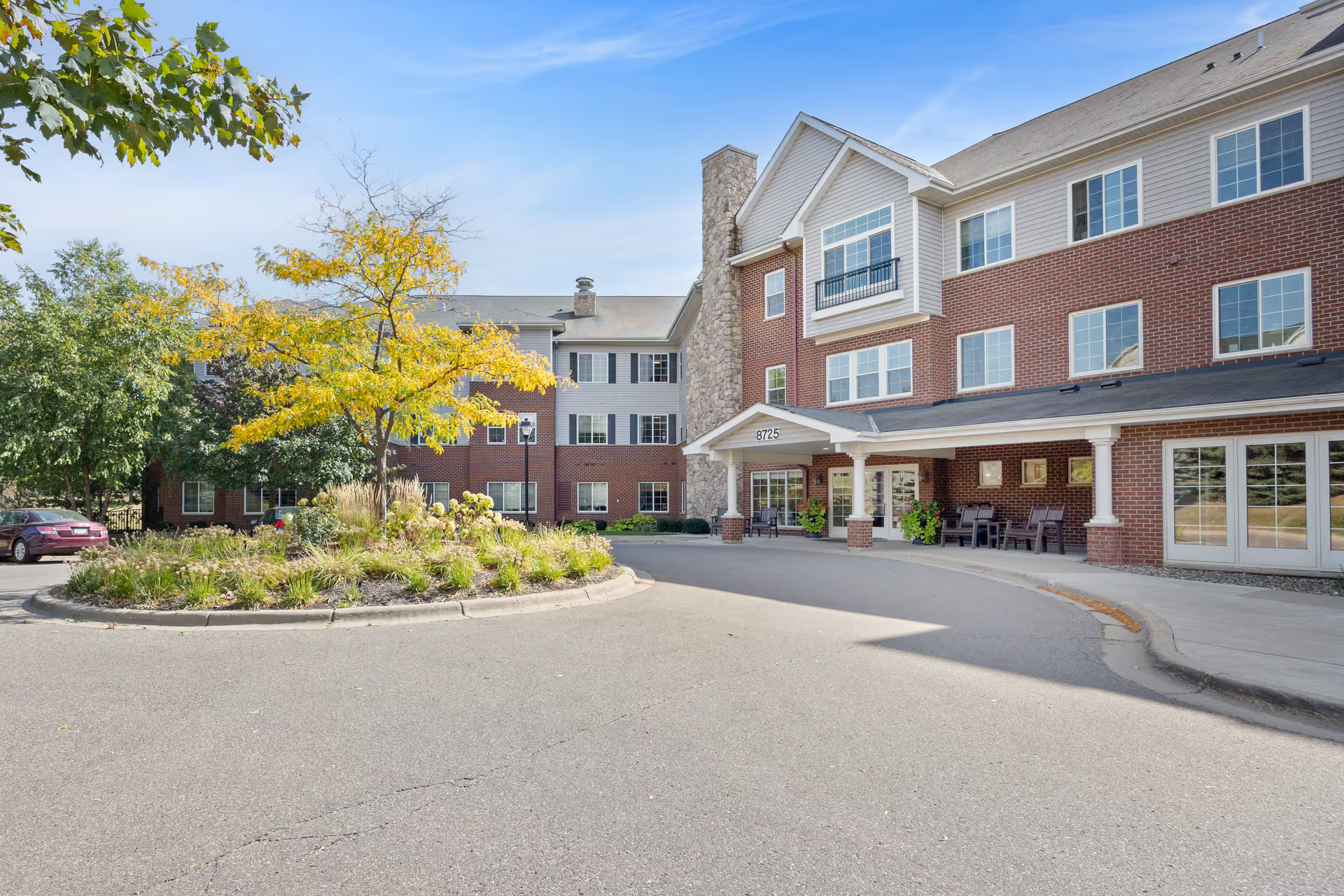
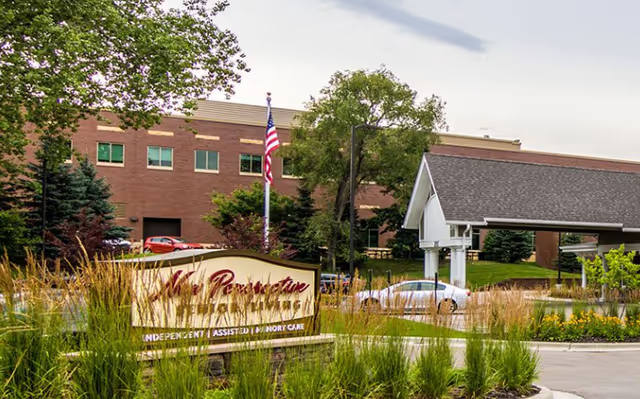
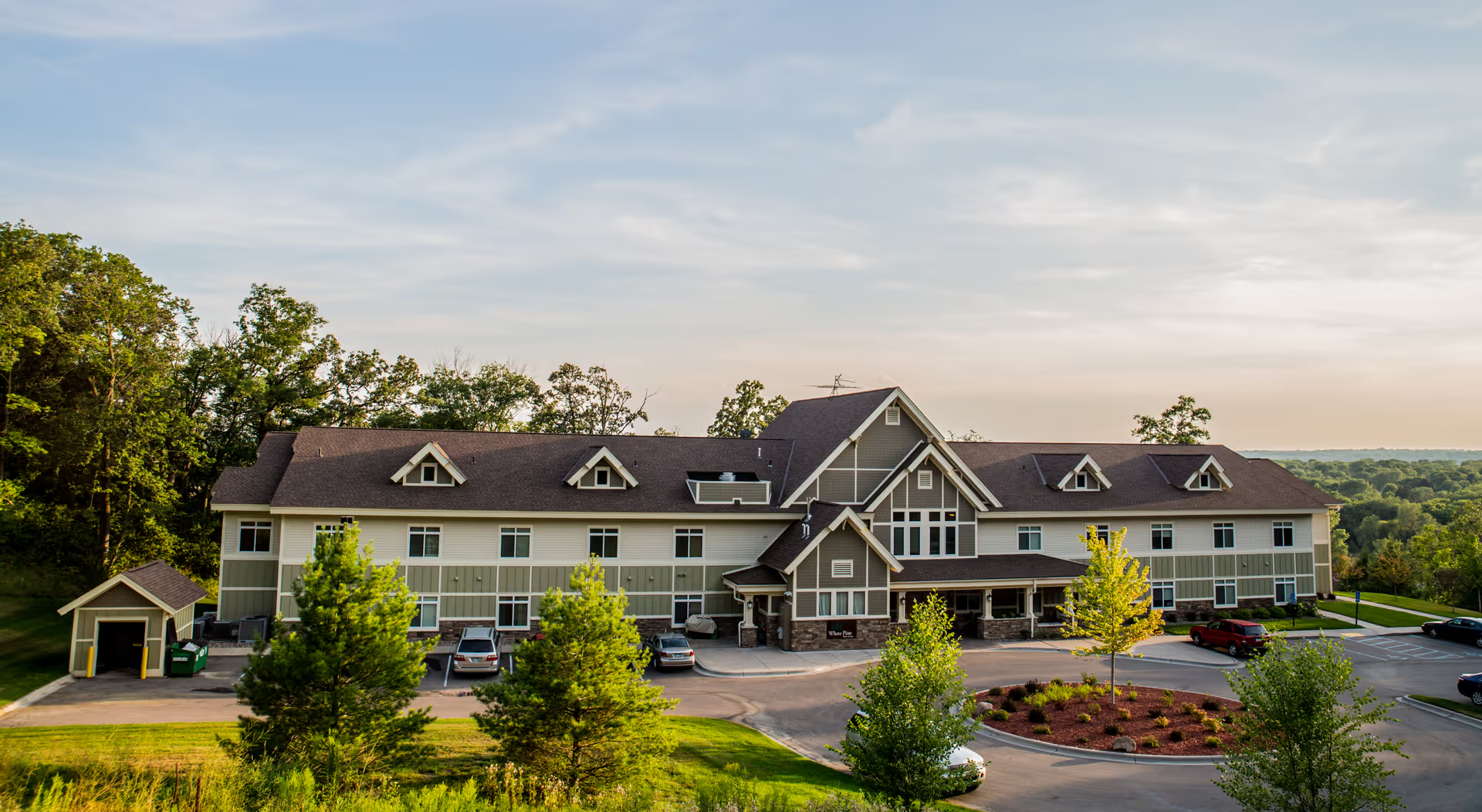
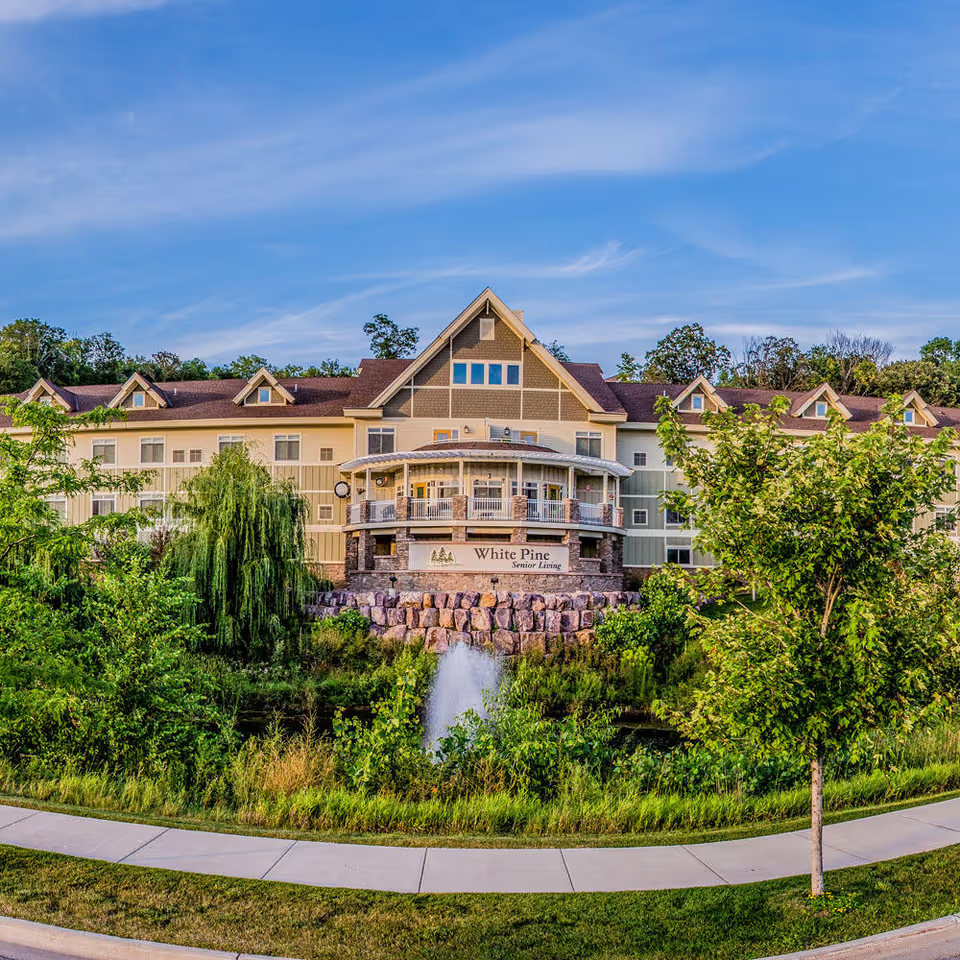
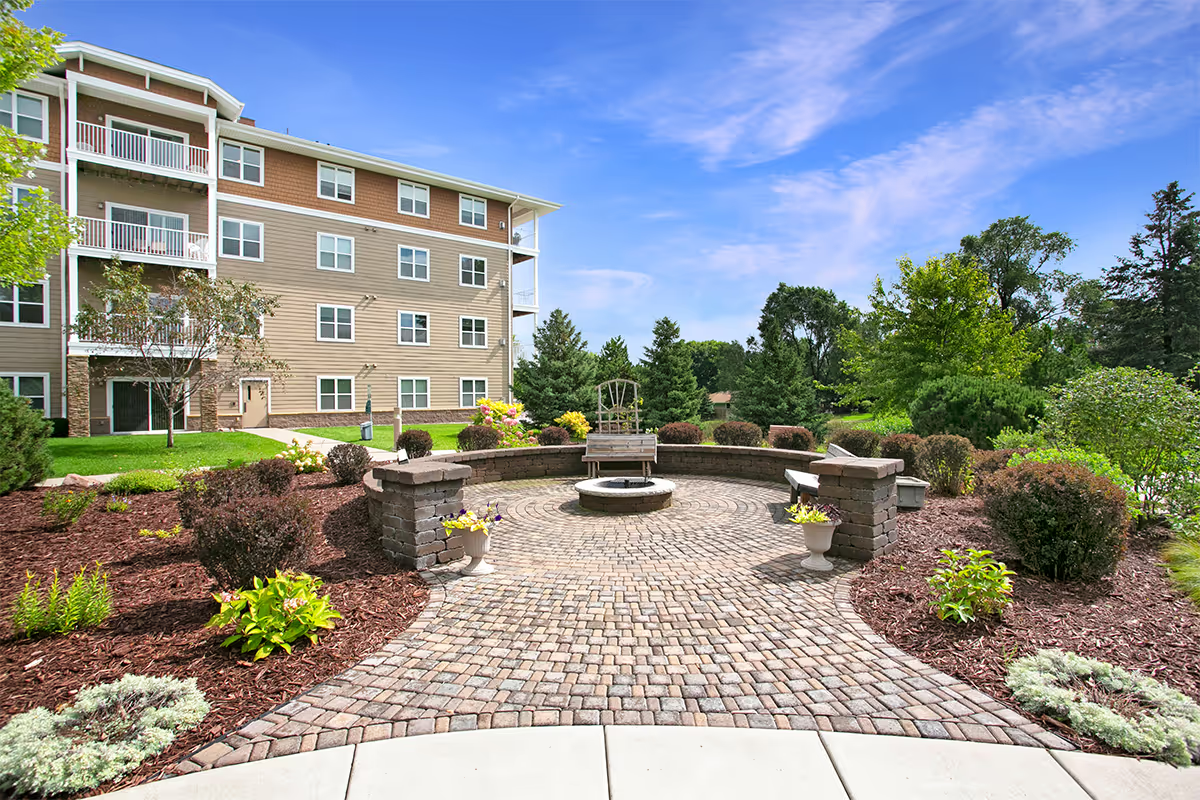
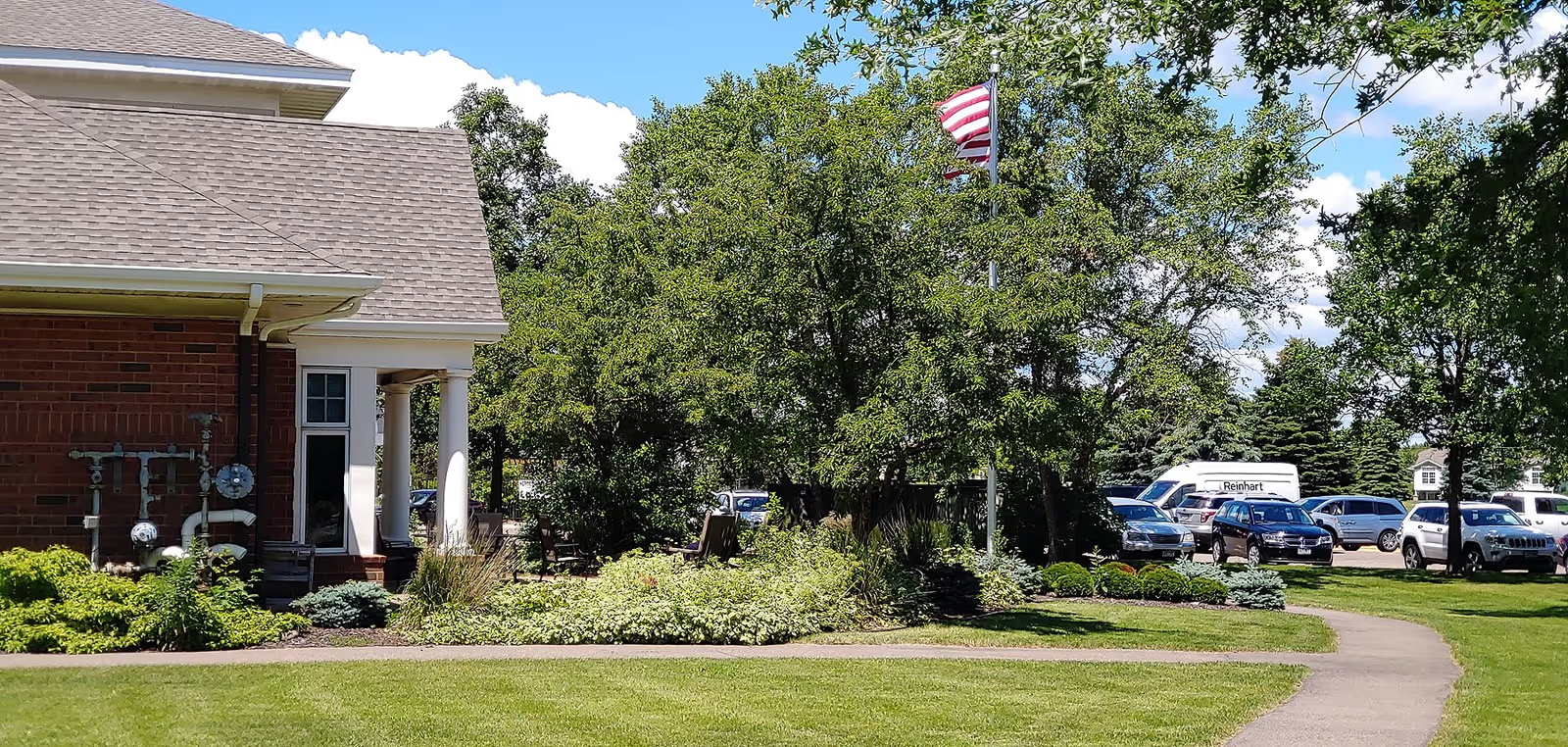
Saint Therese Senior Living of Woodbury presents a clear contrast between a well-appointed physical environment and inconsistent operational performance. Reviewers consistently praise the campus: attractive, spacious common areas; a chapel with regular services; extensive amenities such as a therapy/saltwater pool, large fitness area, theater, library, bistro, and on-site shop; and a range of care levels from independent living through memory and long-term care. Several families and residents described effective therapy services and rehabilitative programming that helped with post-acute transitions.
Clinical care and staffing are the areas with the widest spread of experience. Multiple accounts describe highly competent nurses, therapists, and individual caregivers who provided compassionate and effective support; at the same time, many families highlighted staffing instability, frequent turnover, and understaffed shifts. Operational consequences described include long call-bell response times, delays in bathroom or toileting assistance, missed or delayed medications, and inconsistent handoffs. These patterns point to variability in direct-care staffing and training rather than a uniform standard of care across the facility.
Communication and care coordination are repeated themes. Families reported difficulties reaching the nurse's station, long callback delays, unclear points of contact, and examples of confusion during insurance or admission transitions. There are also specific concerns about medication management workflows (including pharmacy coordination and allergy documentation) and about how informed-consent and documentation processes are handled. On the positive side, several staff members in social work and admissions were singled out for effective transition coordination and advocacy.
Dining and hospitality are similarly mixed. The facility offers restaurant-style dining, a bistro, and varied menus, and some residents described enjoyable meals and attentive dining staff. Contrasting accounts raise issues with meal temperature, portioning, and menu accuracy, indicating inconsistent kitchen execution or service continuity. Housekeeping and cleanliness are generally viewed positively in common areas, though some reviewers noted variability in linen quality and room-level housekeeping.
Management and administration elicit both praise and concern. While some families described responsive leadership that addressed initial issues, others perceived the organization as financially driven and inconsistent in resolving billing or deposit errors. There are documented instances of billing and insurance coordination problems that prospective residents should clarify prior to move-in.
Overall pattern: the facility offers strong physical resources, therapeutic services, and meaningful activities that support socialization and rehabilitation. However, operational weaknesses — especially inconsistent staffing, variable responsiveness, communication gaps, and spotty adherence to medication and documentation protocols — create uneven experiences. Prospective residents and families would benefit from targeted questions during a tour: current staffing ratios and turnover, emergency-call response metrics and fall-management protocols, medication administration and pharmacy processes, meal service procedures, and specifics about billing and consent paperwork. Meeting the care team, observing mealtime service, and speaking with current residents and families can help clarify whether the facility’s strengths align with an individual’s needs.