The reviews present a mixed but clear picture of Woodbury Estates: the facility’s strengths are concentrated in hands-on caregiving, onsite services, and the physical environment, while operational and clinical consistency appears to be the primary area of concern.
Care and staff: Many families praised individual caregivers, aides, nurses, and several named staff for being attentive, kind, and dedicated. Physical therapy and rehabilitation services, as well as responsive clinical leaders in some instances, were singled out positively. At the same time, there is a recurring pattern of inconsistent staffing—especially on weekends and nights—which reviewers linked to slow response times to call pendants, delays in personal-care assistance, and variable staff conduct and communication. Reviews also highlighted gaps in clinical follow-through such as missed elements of care plans and concerns about medication-handling practices; there are even allegations of medication-handling errors and theft in individual accounts, which suggest the need for stronger clinical oversight and documentation.
Dining and activities: The facility’s activity program and social offerings receive consistent praise; music, outings, spiritual services, and special recognition events were noted as meaningful engagement for residents. Dining is described positively in many accounts—pleasant dining areas, a chapel and coffee space, and several favorable comments about meals—though there are also mentions of variable meal quality and billing disagreements related to meal delivery, indicating inconsistency in food-service reliability and administrative communication.
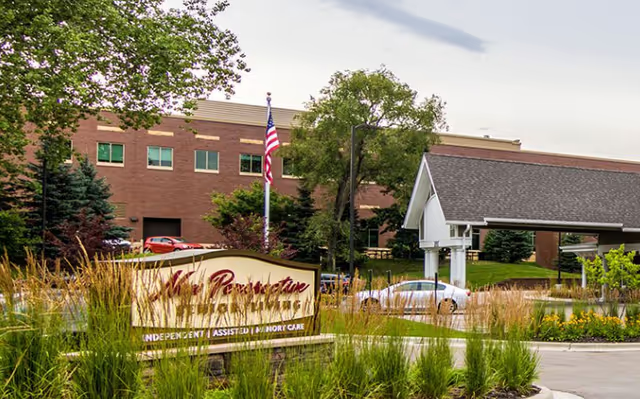
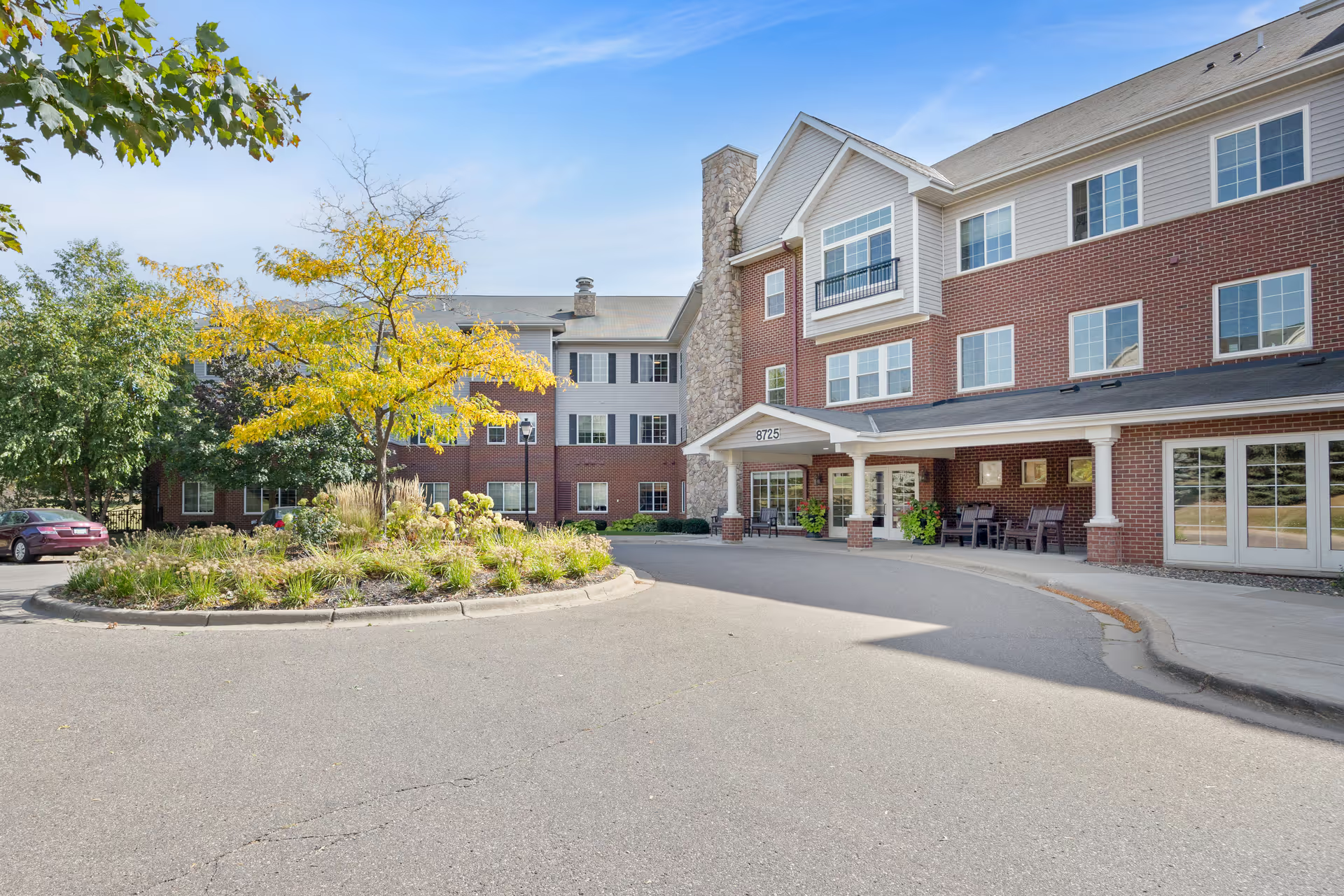
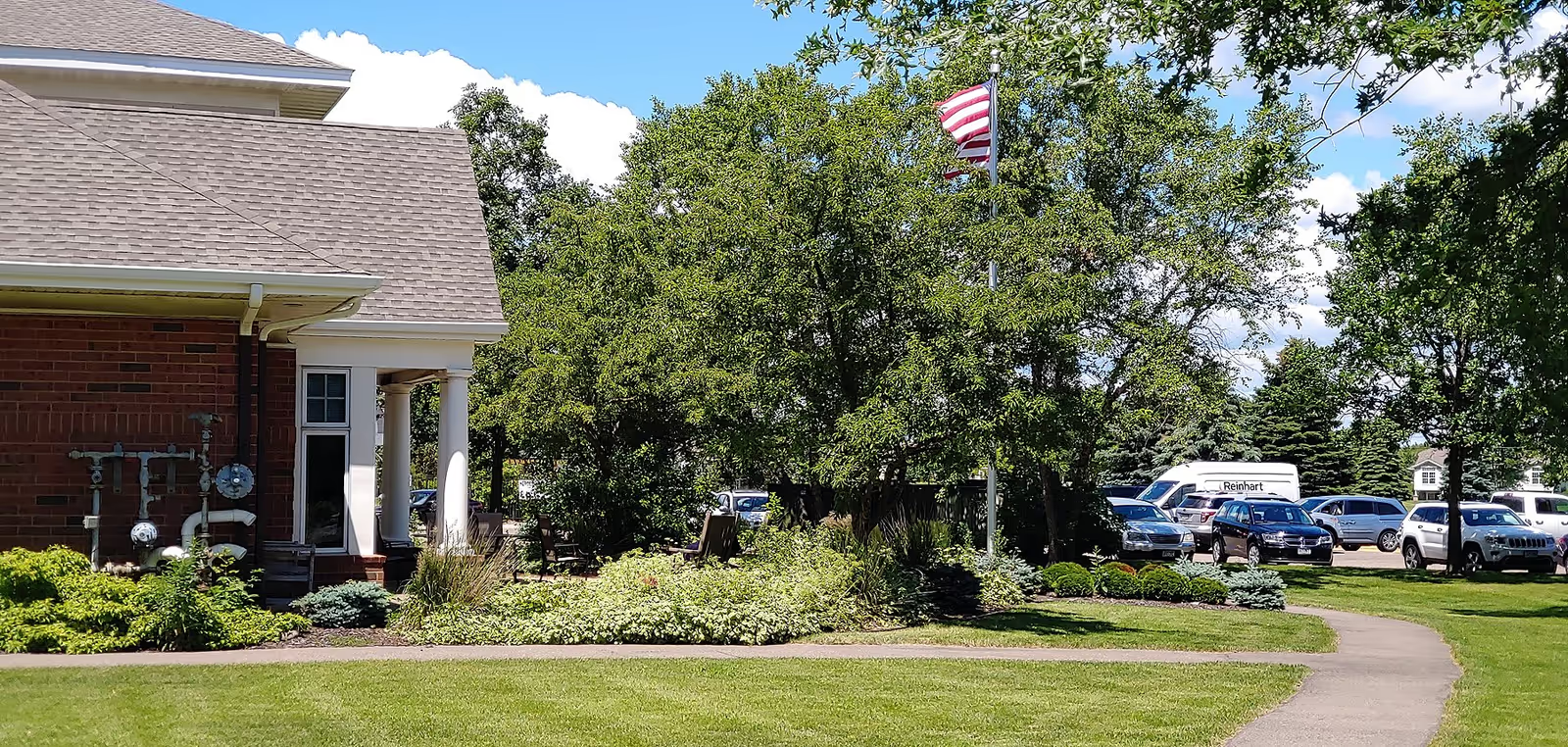
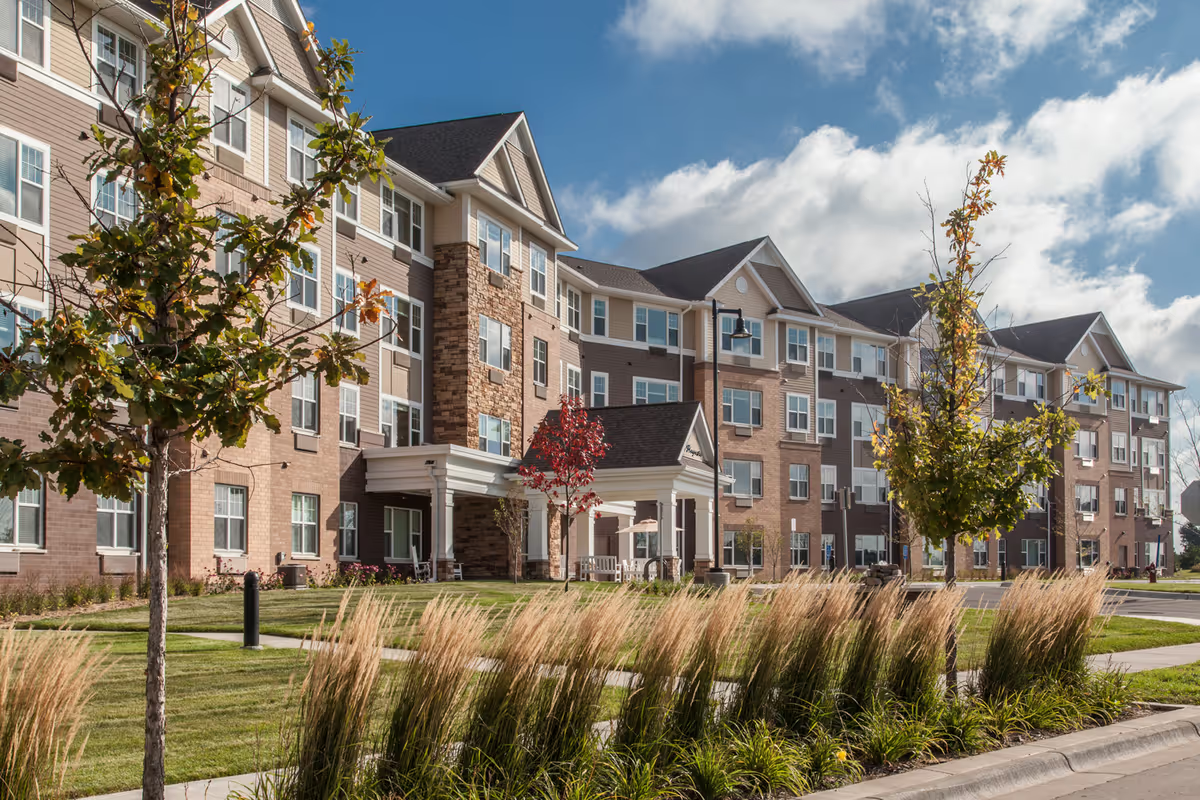
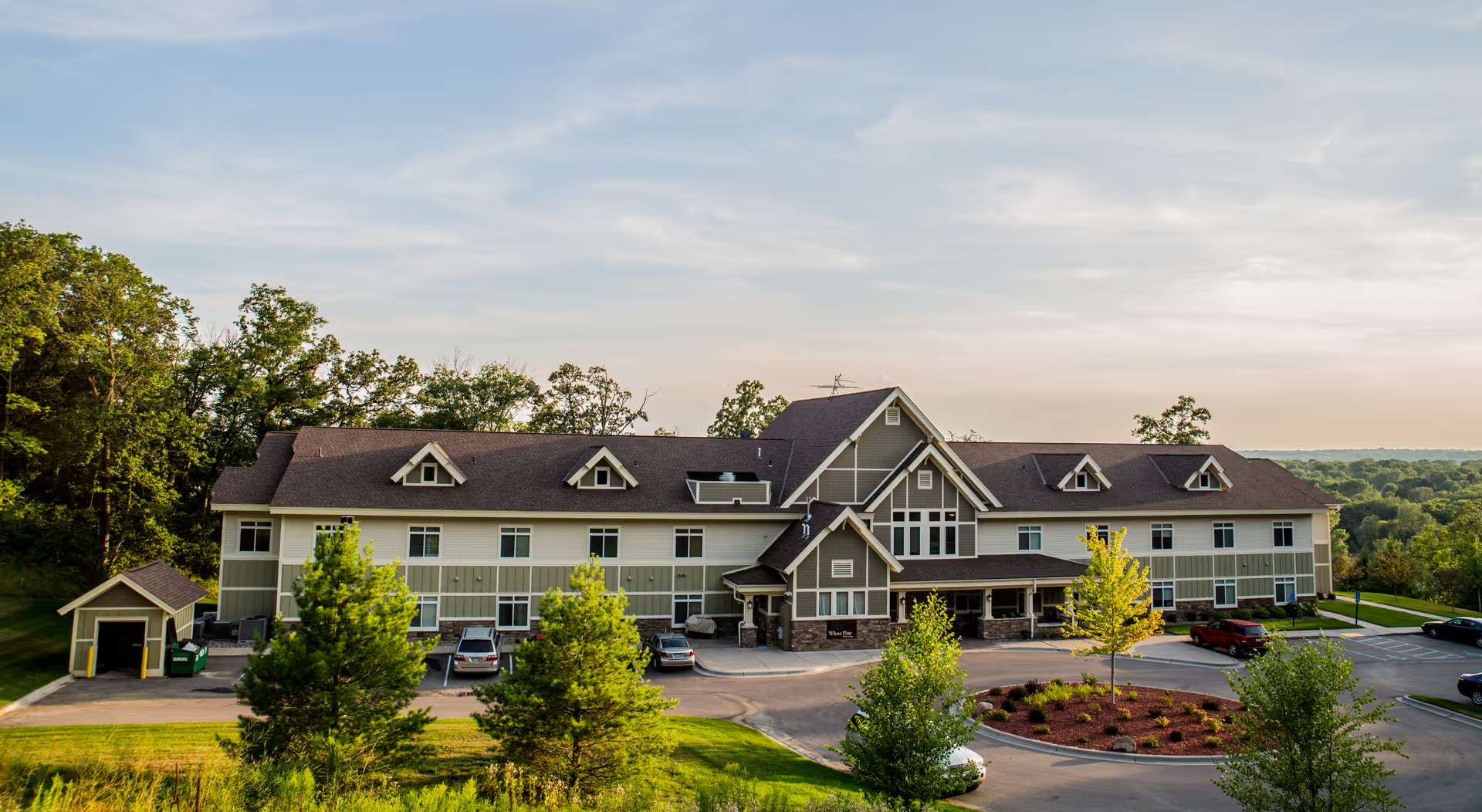
Facilities and environment: The building itself is often described as bright, well-kept, and comfortable, with a pleasant courtyard garden and accessible memory-care layout. Rooms are noted as clean and roomy by multiple families, and maintenance staff received commendations for responsiveness and going above and beyond. However, facility infrastructure shows wear in areas: reviewers described an aging HVAC system with frequent temperature-control problems, and housekeeping consistency varies between units.
Management and operations: Operational weaknesses center on staffing stability, incident documentation, and administrative processes. Several reviewers described turnover in leadership roles, slow or inconsistent follow-up from nursing leadership, unclear incident documentation, and concerns about billing and financial record handling. Memory-care operations surfaced as a particular area of concern for families, including unit security processes and supervision practices that may not align with higher-acuity needs.
Notable patterns and takeaways: Prospective residents and families are likely to find strong, compassionate individual caregivers, active programming, and an attractive campus. Those considering Woodbury Estates should ask targeted questions about staffing ratios (including weekend and night coverage), call-response metrics, clinical oversight and medication protocols, memory-care security measures, HVAC/temperature control, housekeeping schedules, and billing practices. Arranging an extended visit, meeting nursing leadership, and reviewing recent incident logs or quality metrics would help assess whether the facility’s operational practices align with a prospective resident’s care needs.