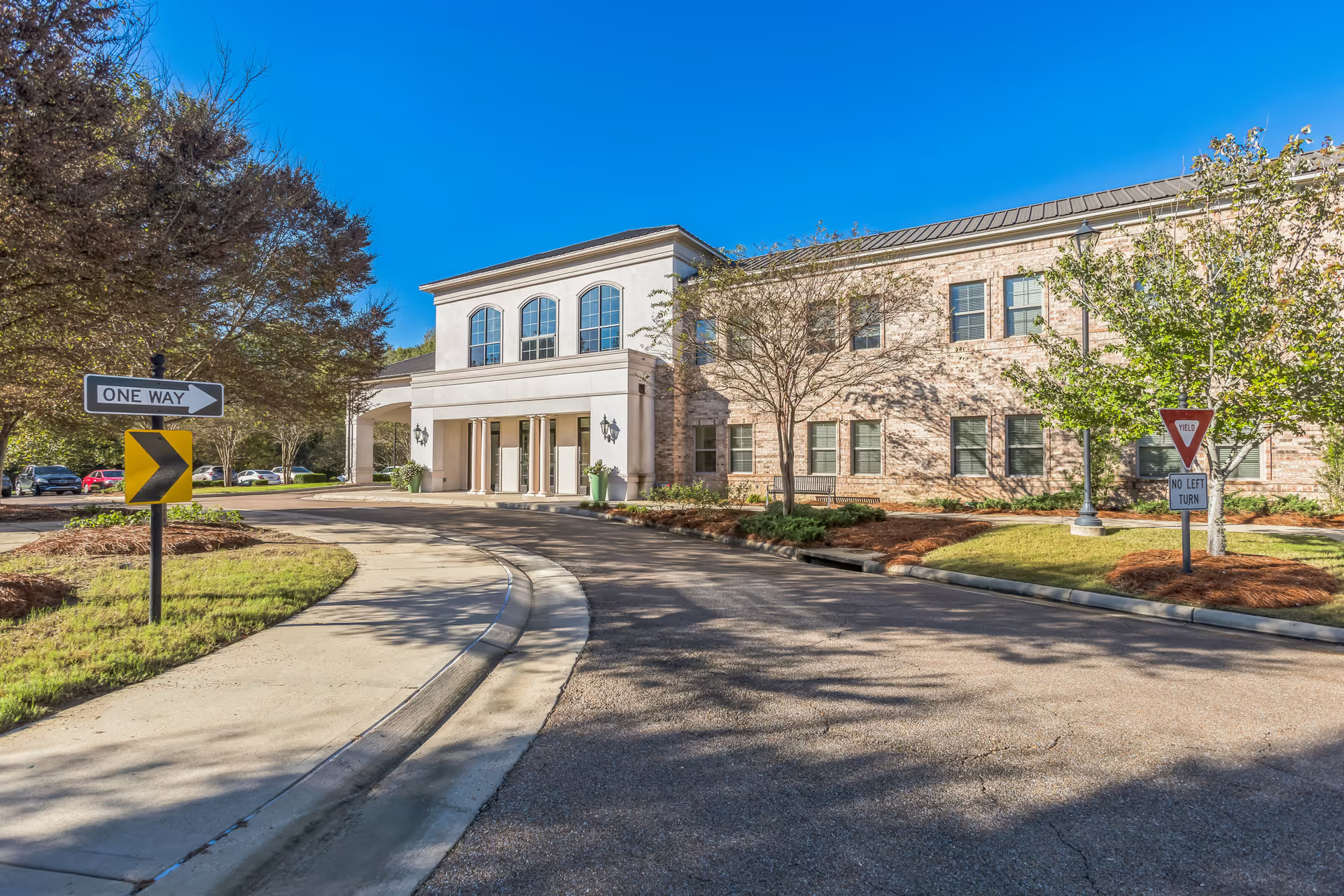
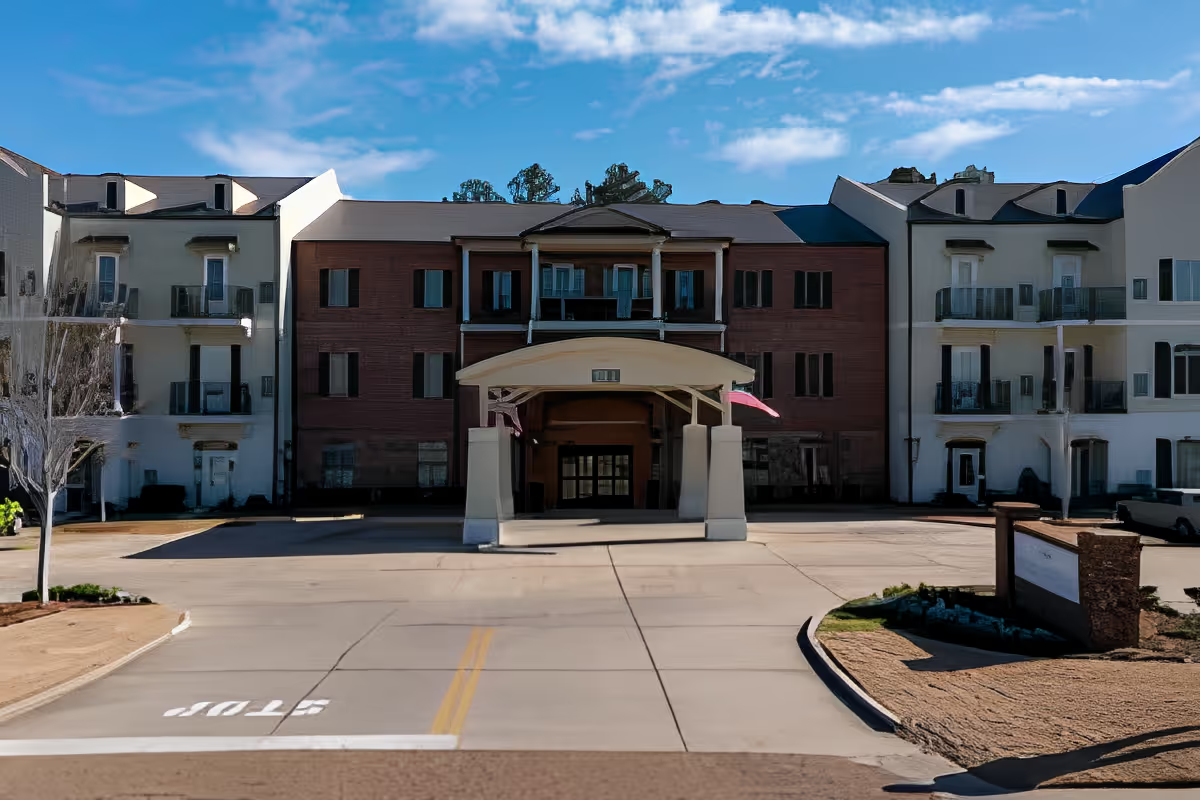
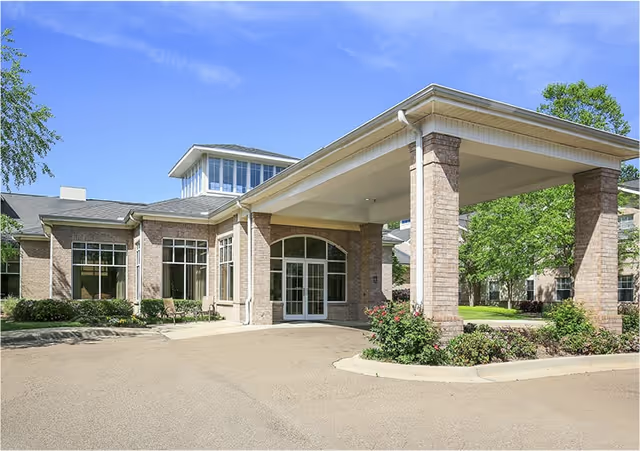
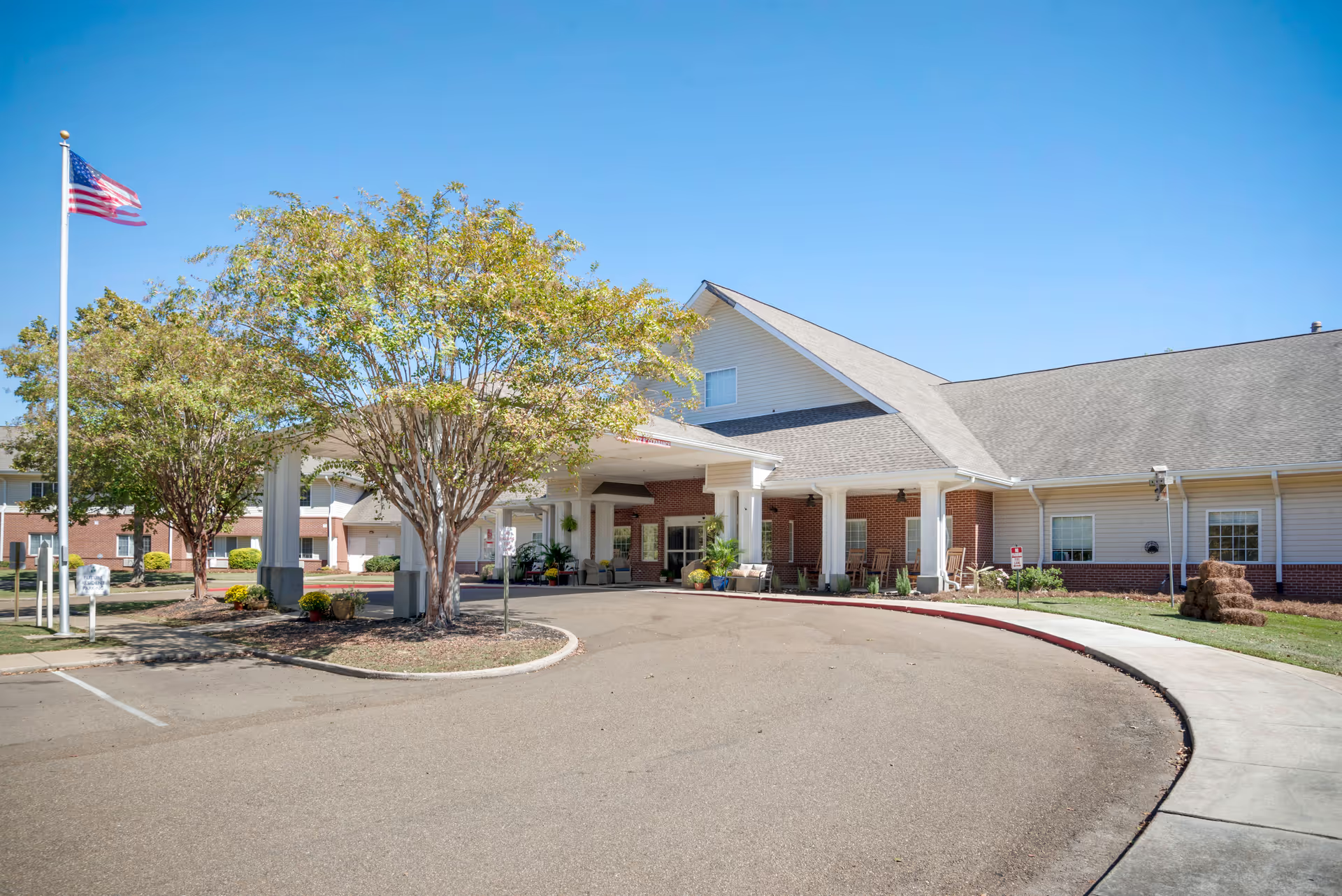
Overall impression: Peach Tree Village presents as a recently renovated, attractive senior living community with a broad set of amenities and a highly social atmosphere. Review content emphasizes bright, well‑designed public spaces (including a café/snack area, private dining room and a cinema with luxury seating), a range of apartment sizes, and comfortable, restaurant‑style dining. The ownership model and leadership are described as hands‑on rather than corporate, with family members and several staff leaders singled out for positive attention.
Care and staff: Many reviewers praise the staff as compassionate, patient, and responsive; leadership and individual caregivers were frequently described as attentive and respectful. The integrated memory-care program and activity‑level stimulation were noted as strengths, with examples of meaningful engagement that appeared to improve resident mood and social interaction. Hospice coordination was described as seamless when needed. These descriptions suggest a generally person‑centered culture and an emphasis on resident dignity and social engagement.
Dining and activities: Dining is a notable selling point — an on‑site chef, generous portions, and menu variety received positive comment, with some calling the food restaurant‑quality. The activities program is active and varied (bingo, painting, studio offerings and tailored memory‑care stimulation), and residents were described as socially engaged. That said, there is some inconsistency noted about meal quality, and a few comments suggested incremental food improvements could enhance the dining experience further.
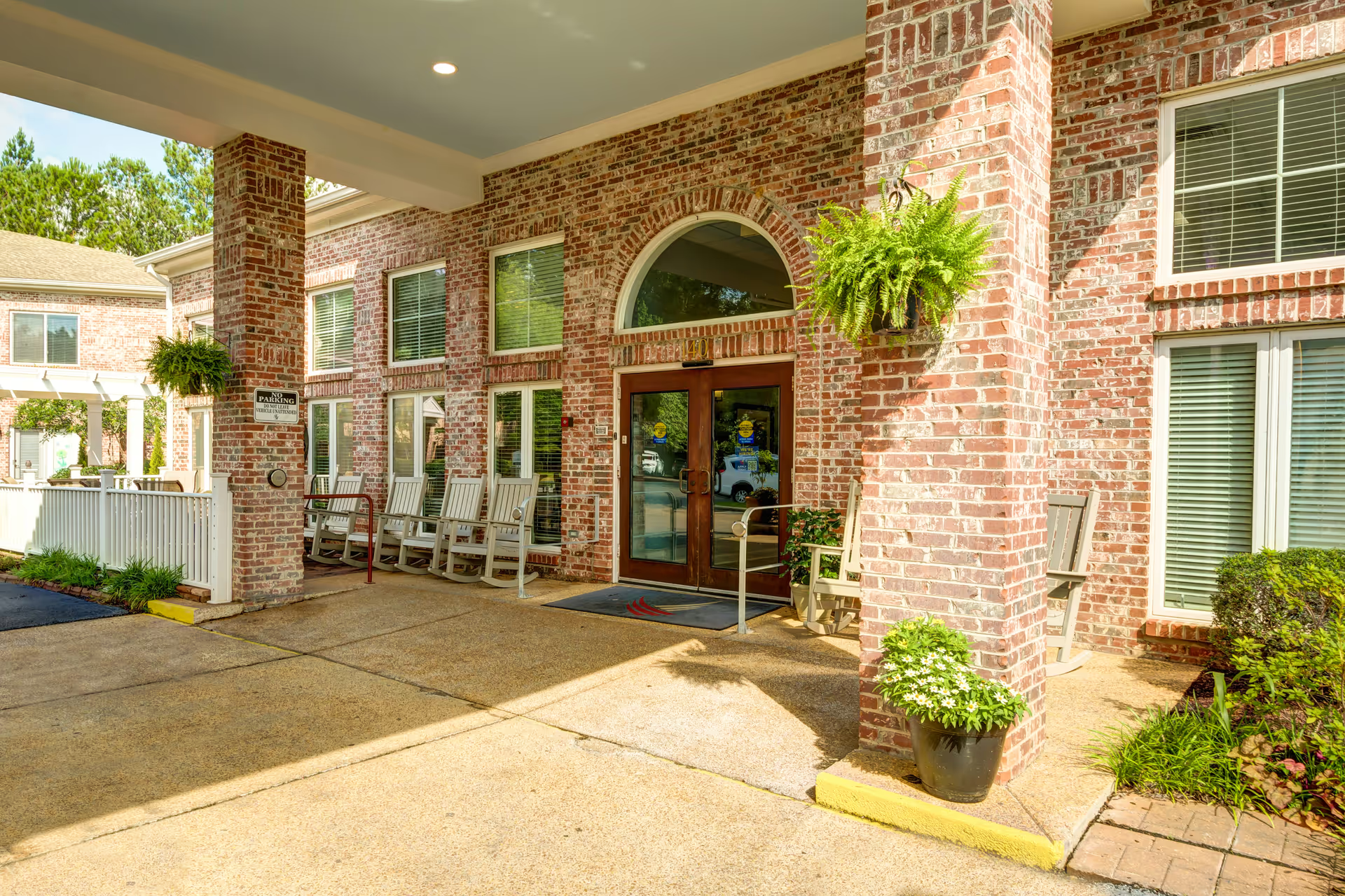
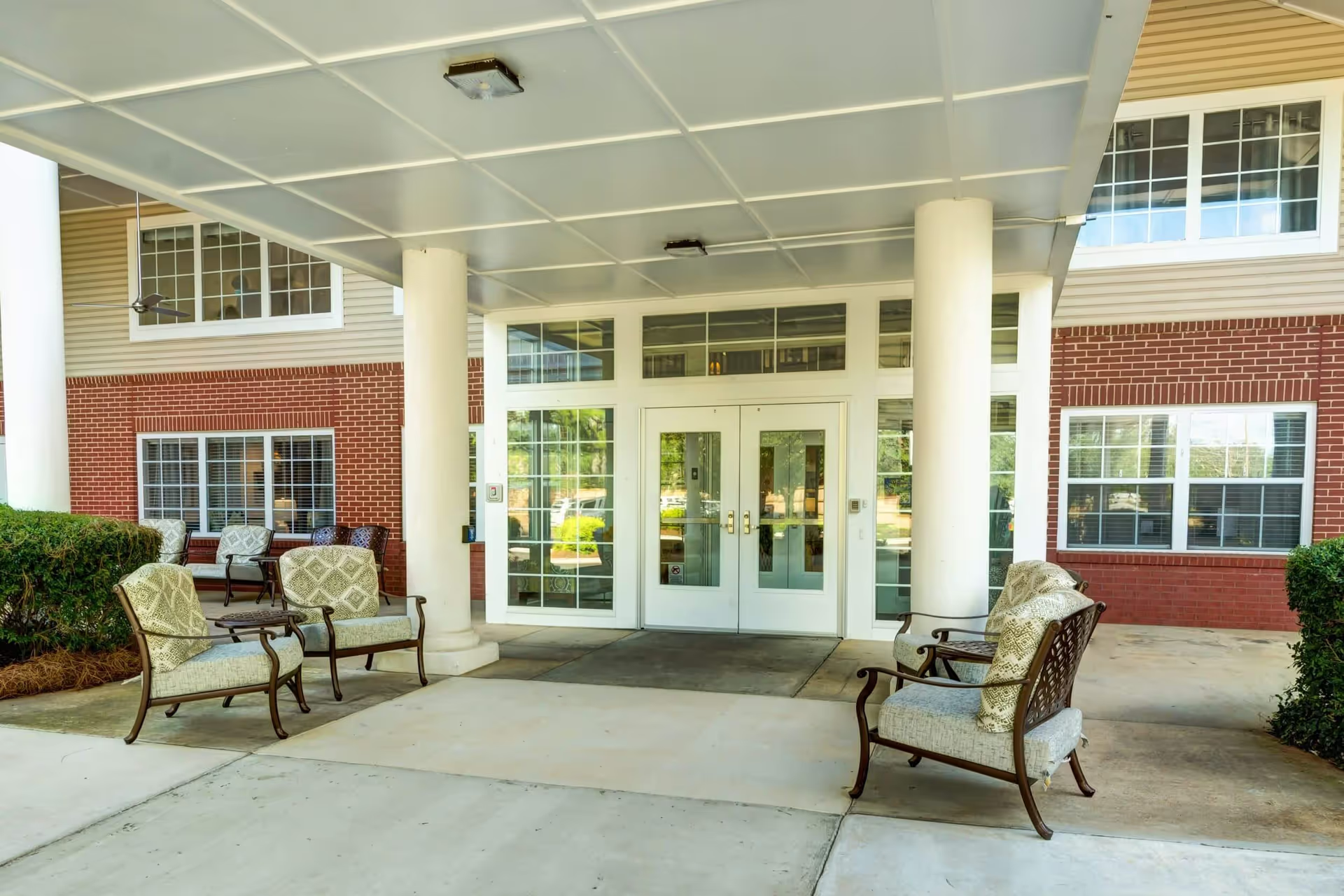
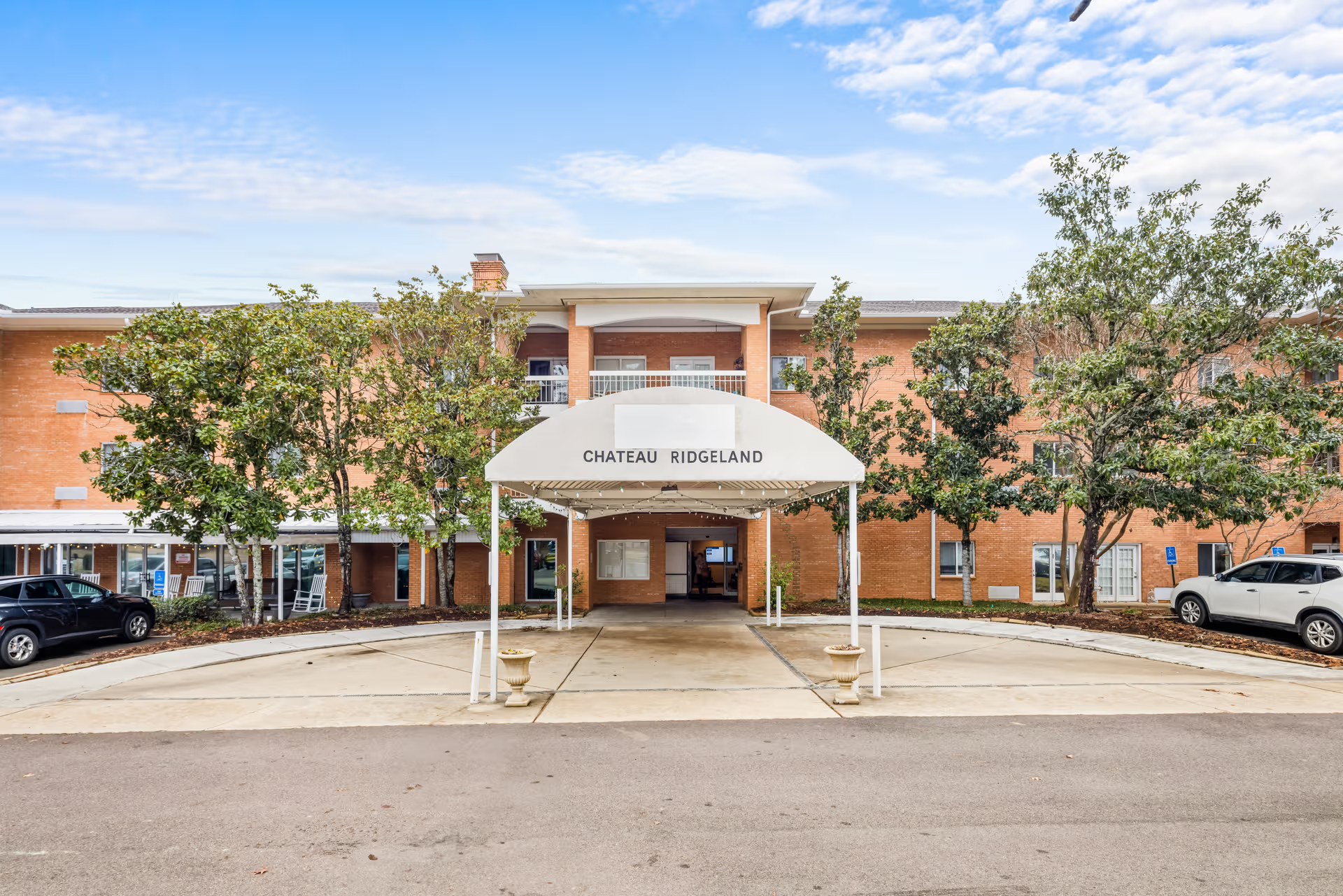
Facilities and management: The facility is newly renovated, clean, and well maintained, with ample natural light and thoughtfully arranged common spaces. The non‑corporate ownership model appears to translate into visible owner involvement and a patient‑advocate orientation. This hands‑on management is repeatedly presented as a positive factor for families evaluating the community.
Notable patterns and cautions: While most feedback is positive about environment, amenities, and staff demeanor, several reviewers raised serious clinical concerns. These include medication‑management issues, lapses in communication with families, and insufficient assistance with feeding and hydration for residents with higher levels of dependency; at least one account linked these clinical lapses to emergency hospitalization. These items suggest gaps in clinical oversight and care continuity for higher‑acuity residents and highlight the importance of clarifying protocols and staffing when considering placement. Operationally, reviewers also noted limited in‑unit storage in some floor plans and a premium price point.
Recommendation for prospective families: Families should balance the facility’s strong environment, amenities, and activity offerings against the flagged clinical‑care and communication issues. Practical follow‑ups prior to move‑in include asking about medication‑administration checks, feeding/hydration protocols for dependent residents, staff ratios for higher‑acuity care, incident‑reporting and family‑notification practices, and any recent quality‑improvement actions taken by management. These clarifications can help align expectations and identify whether the community’s strengths meet the specific clinical and social needs of a prospective resident.