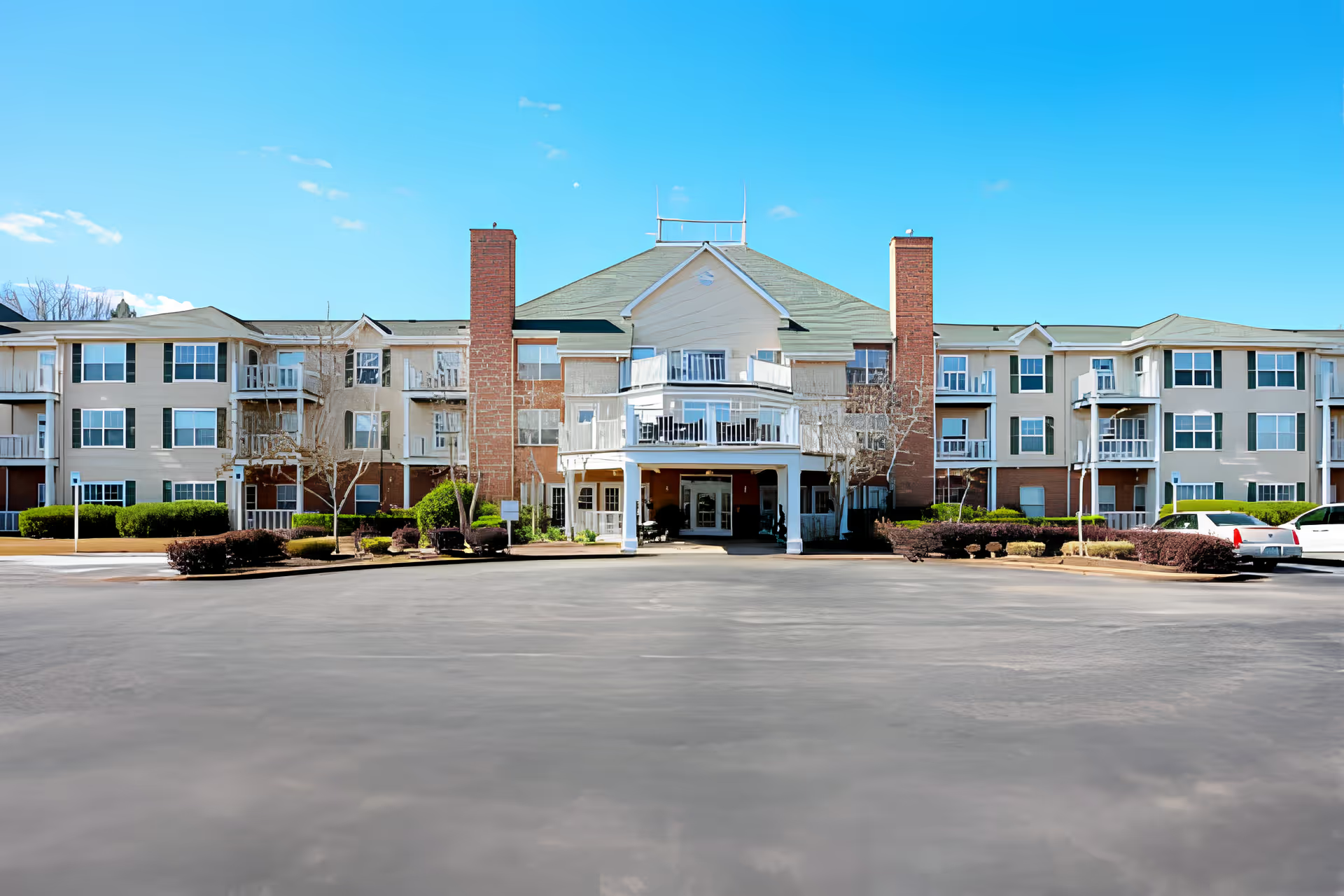
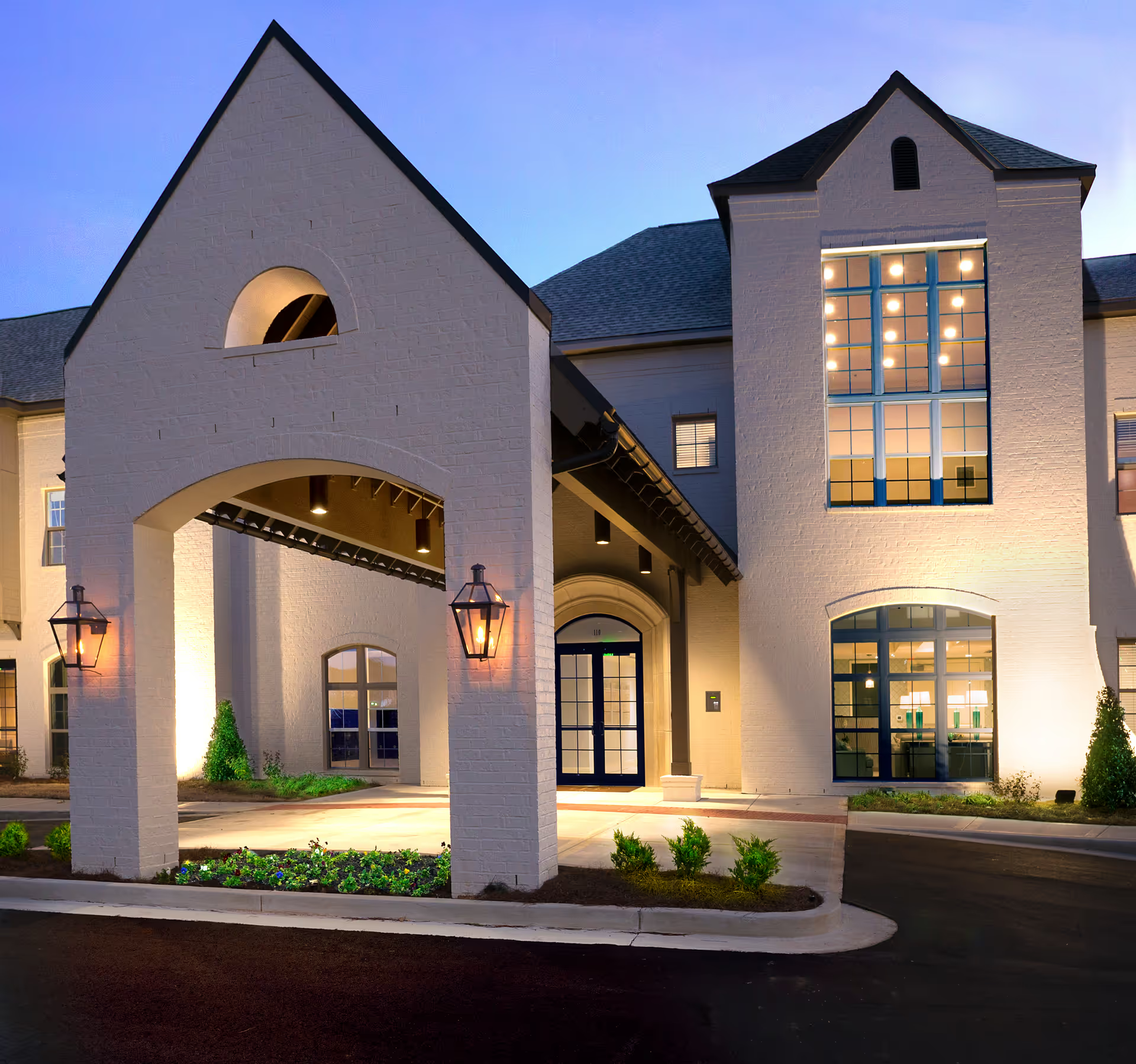
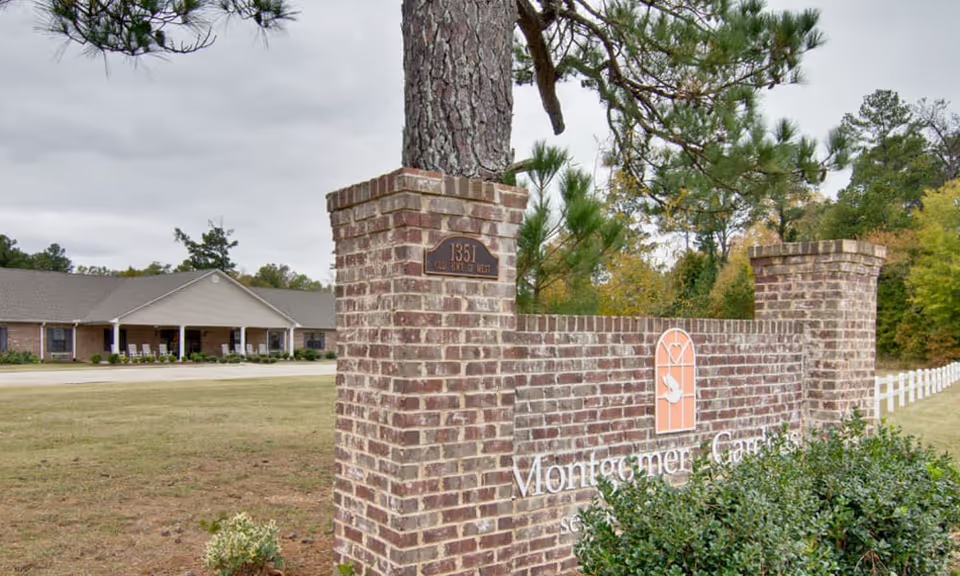
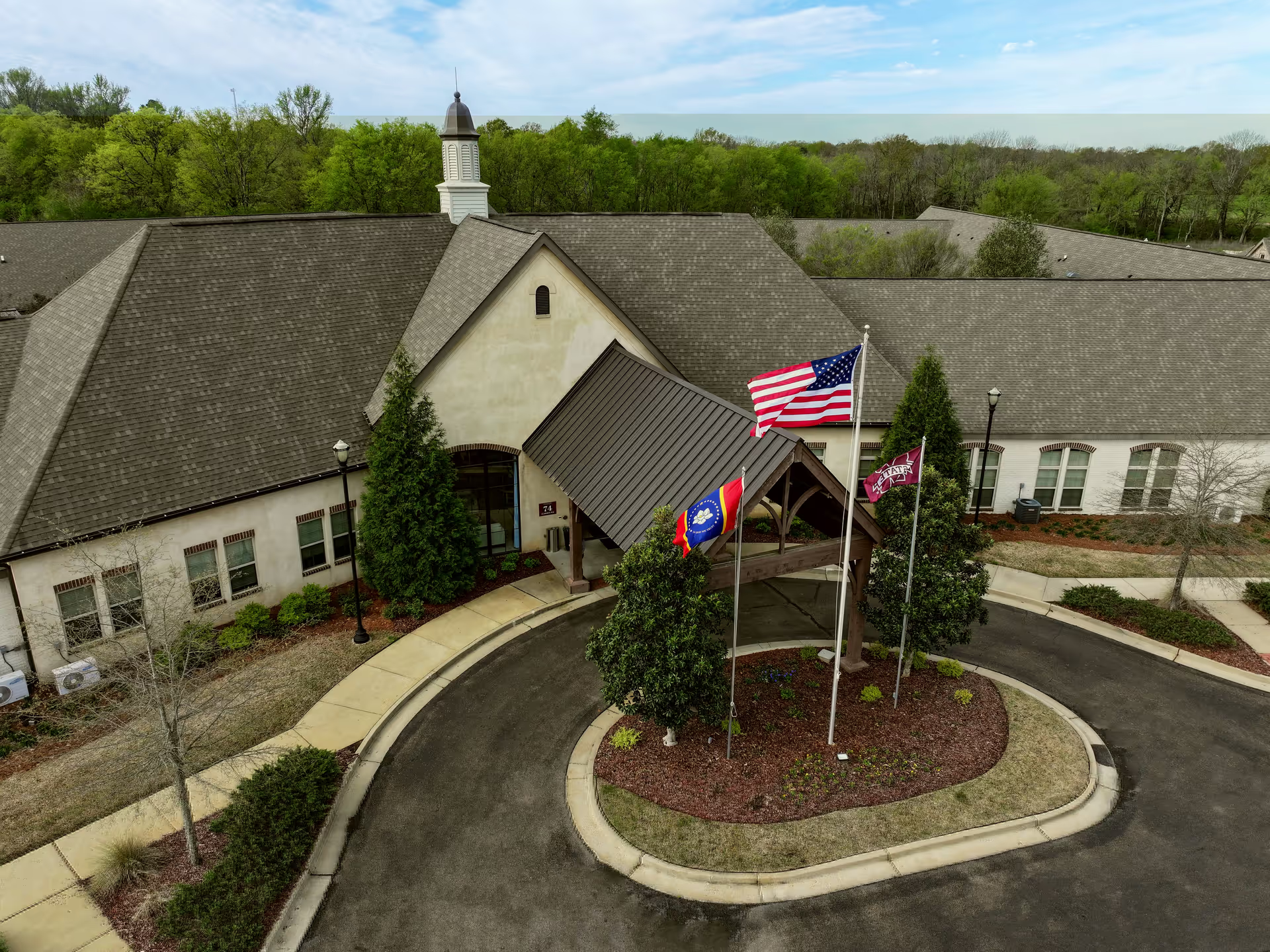
Overall impression Reviews describe Providence Assisted Living as a generally positive option with strong strengths in day-to-day resident interaction, responsiveness, and leadership presence. Families and residents emphasize kindness and patience from aides and housekeeping staff, timely resolution of requests, and an administrative team that provides consistent answers and practical support. The combination of engaged activities, perceived value for cost, and a convenient location contributed to high overall satisfaction for many reviewers.
Care and staff Direct-care aides are characterized as compassionate and patient; reviewers highlight helpfulness with routine needs and ease of transition into the community. Nursing and clinical support are identified less consistently as a strength: several reviewers described nursing care as adequate but noted variability in willingness to provide extended one-on-one time for memory-care residents. This pattern suggests that clinical attentiveness can depend on staffing, assignment, or individual caregiver practice. Families that placed priority on memory-care intensity may wish to ask specific questions about nurse-to-resident ratios and individualized-care plans during tours.
Activities, dining, and facilities Engagement programming is a clear positive, with activities described as engaging and helpful to residents' adjustment. Housekeeping and sanitation receive favorable comments for being patient and attentive, indicating generally well-maintained common areas and apartments. Reviewers provided little direct feedback about dining quality or menu variety; prospective residents should request sample menus and information on dietary accommodations to evaluate those services. The facility's proximity to reviewers' homes and an easy transition process were repeatedly cited as facilitating family involvement.
Management and notable patterns Management and office staff are frequently described as experienced, polite, and responsive; an involved administrator and a helpful director appear to be central to the facility's ability to resolve issues quickly and consistently. A recurring pattern is improvement after initial onboarding: a few reviewers noted early miscommunication or "growing pains" during admission or operational changes, but indicated those issues were addressed over time. The primary operational concerns to probe further are the variability in nursing engagement for residents with memory needs and any service fluctuations tied to staffing or growth. During a visit or phone call, consider asking about recent staffing stability, memory-care staffing protocols, and the facility's admission/onboarding checklist to confirm alignment with your priorities.