Overall sentiment in the reviews is mixed, with clear positive reports about direct care staff and physical room conditions alongside serious concerns about management, environment, and consistency of care. Several reviewers emphasize the compassion and helpfulness of individual caregivers, noting that staff are caring, check on residents every two hours, and are described as very helpful. Multiple comments also highlight that rooms are clean and pleasant, that the facility can feel homey, and that temperature control is adequate. Activities are offered and recognized as a positive element of the resident experience.
At the same time, there are multiple, and sometimes strong, negative observations that create a noticeable contrast to the positive points. Reviewers report issues with accompaniment to the bathroom during meal times, which raises safety and dignity concerns. There are statements pointing to a heavy reliance on staff for basic needs — one summary explicitly notes the need to rely on staff for a family member's care — which, combined with reports of perceived inadequacy or incompetence among some caregivers, suggests inconsistent staffing levels or training gaps. While direct caregivers are often described positively, some reviewers perceive broader inadequacy and non-professionalism in how care is administered.
Management and administrative concerns are a major and recurring theme. Several summaries mention lack of sympathy from management, unresponsiveness from the business manager, and even allegations of financial mishandling. These comments indicate frustration with communication and trust at the administrative level and suggest that family members found it difficult to resolve billing, policy, or other higher-level issues. Such administrative complaints can significantly affect overall satisfaction, even when frontline caregiving is praised.
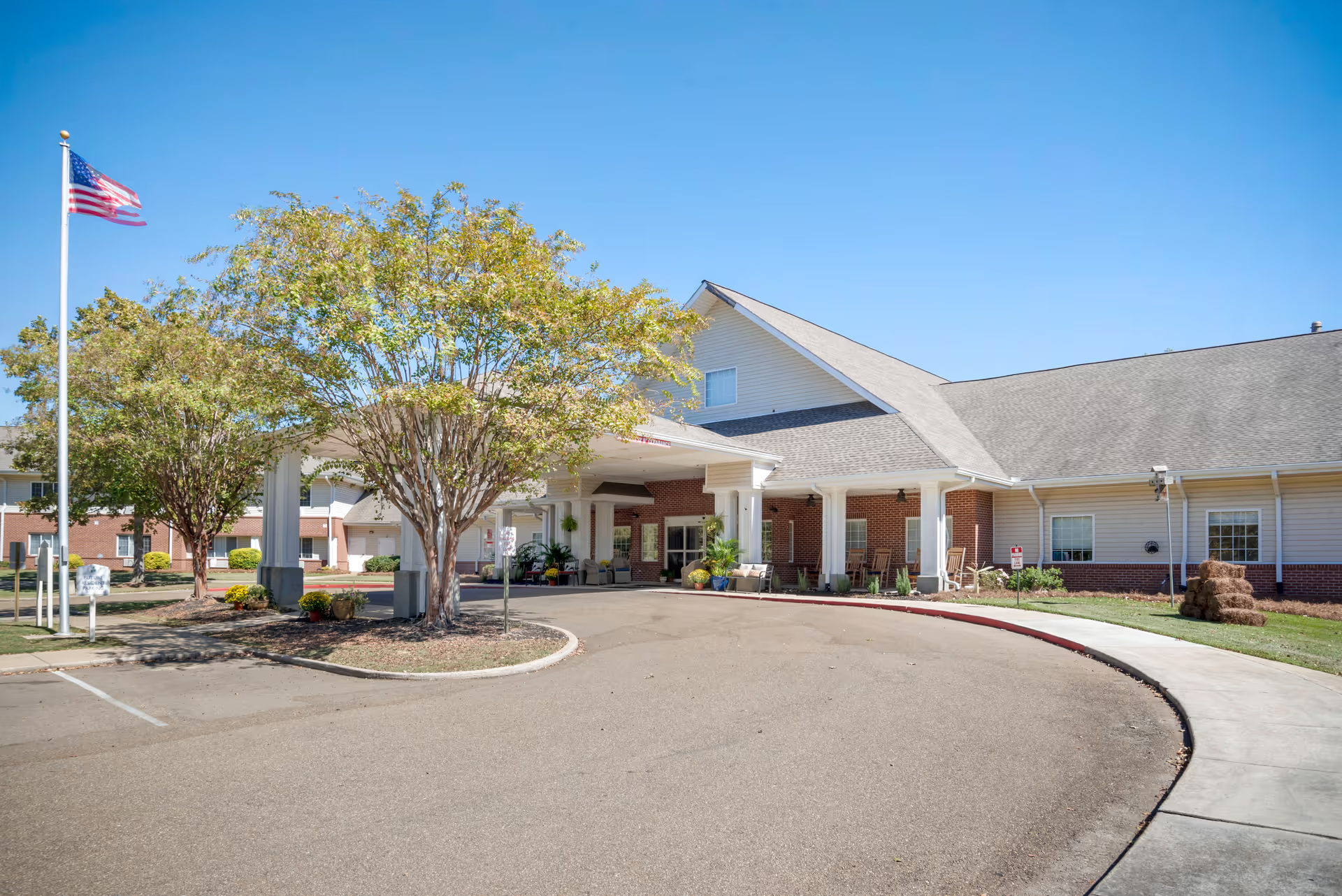
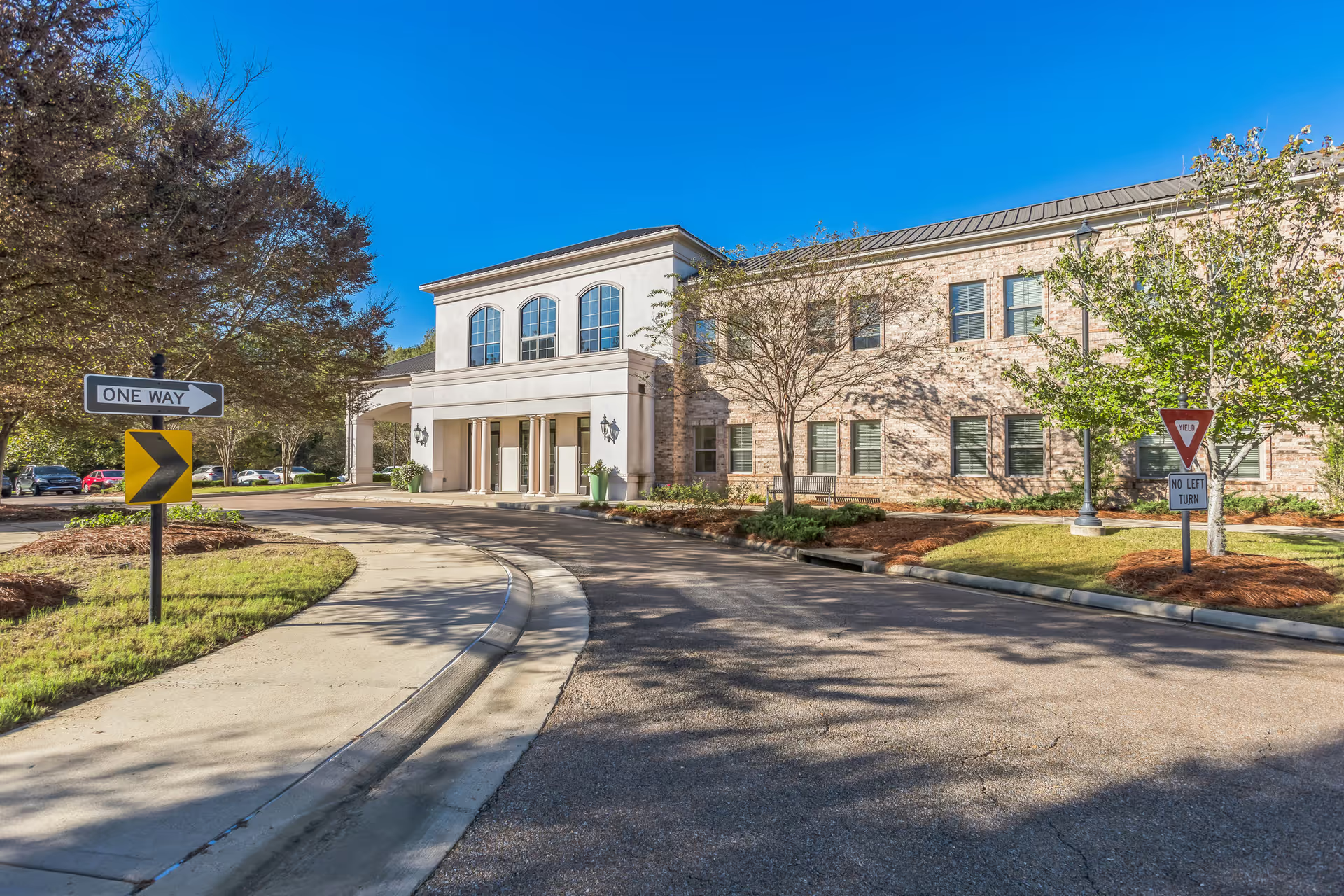
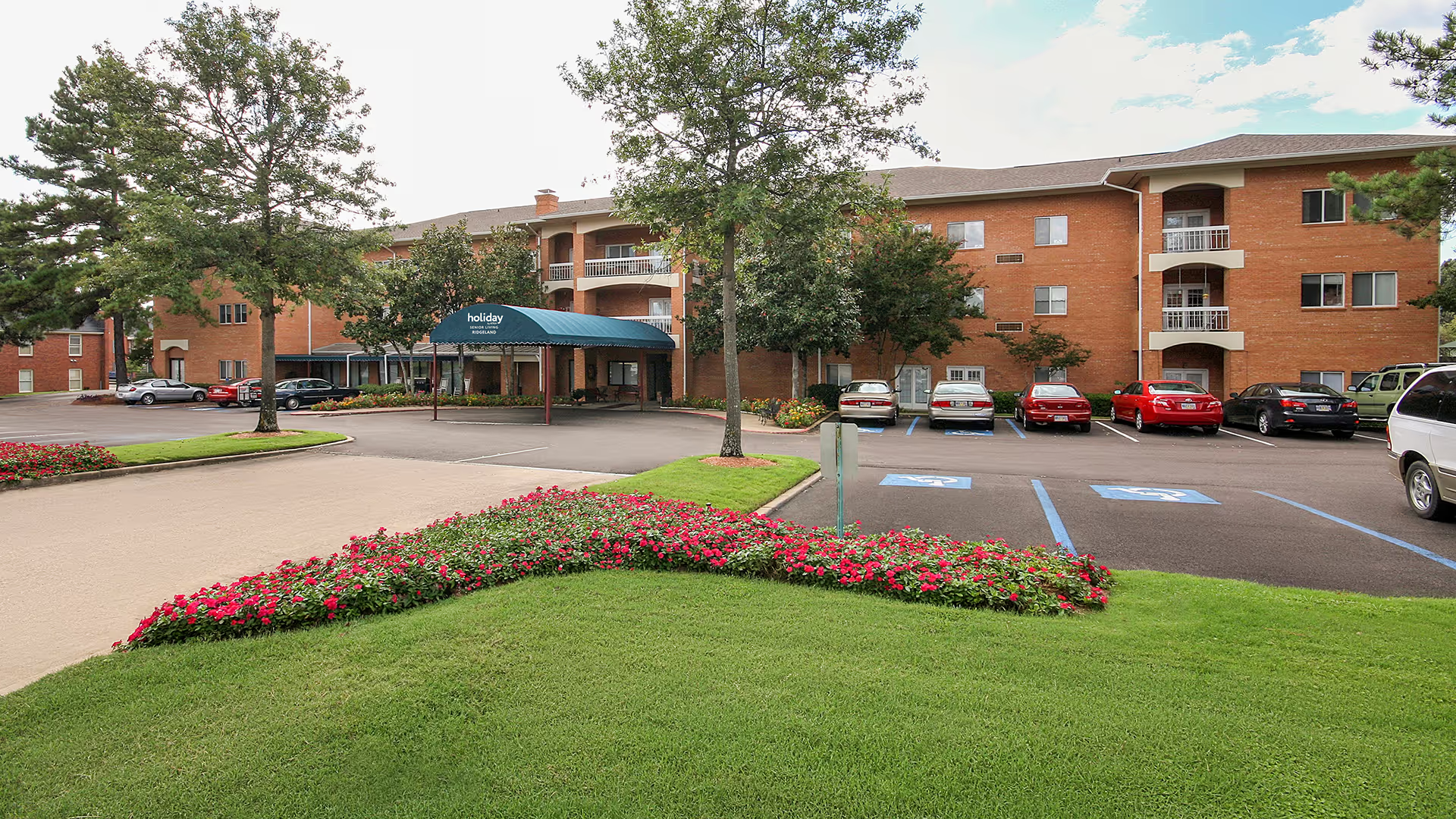
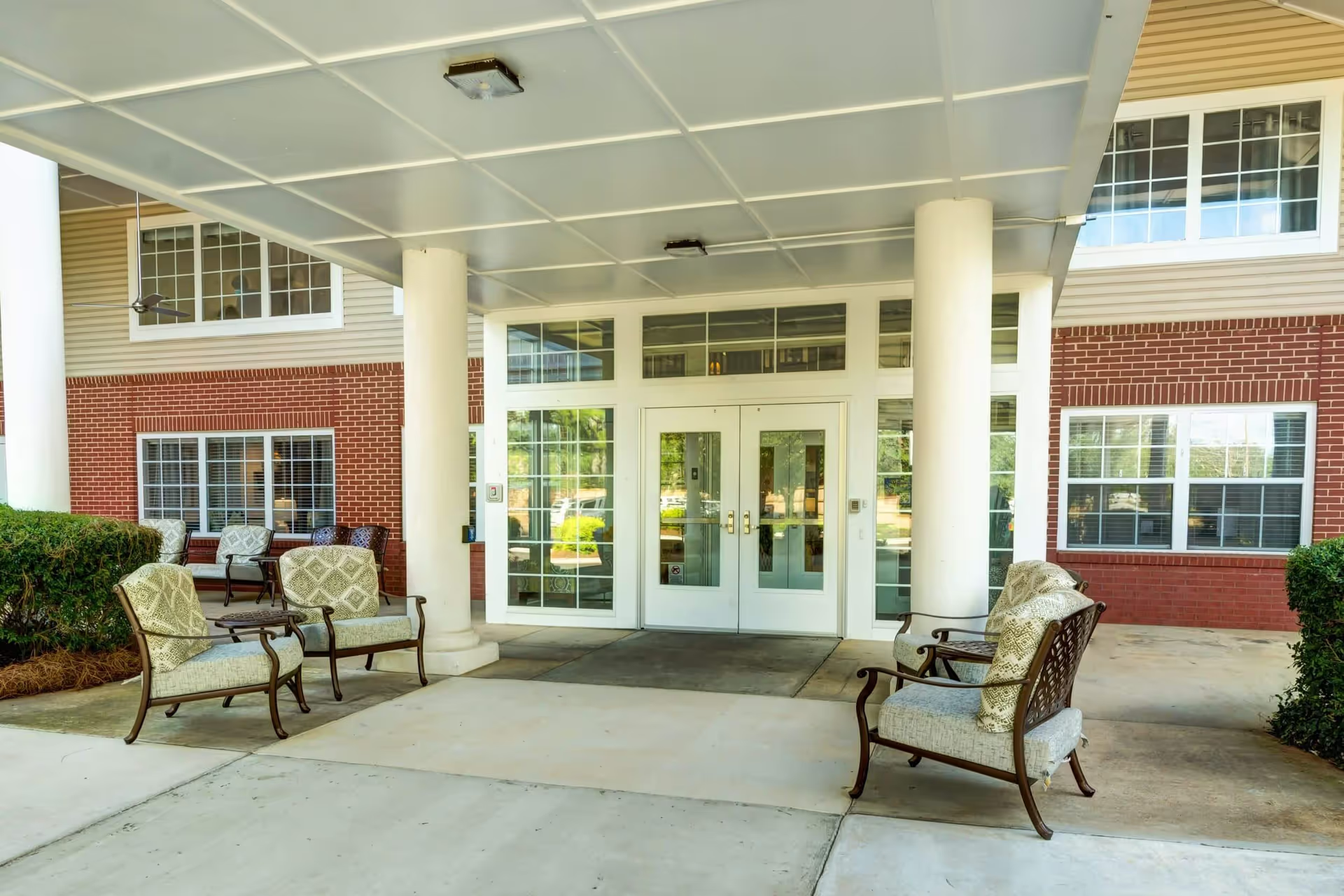
Facility-related and environmental concerns are another prominent pattern. Although rooms are frequently described as clean and nice, other reviewers characterize parts of the facility as loud and chaotic, with unpleasant smells likened to animals and an overall "zoo-like" atmosphere. Some also described certain rooms as feeling institutional or like a "jail cell." These contrasting descriptions point to variability in different wings, shifts, or areas of the facility, or simply to differing expectations among reviewers. Noise, odor, and environmental disorder are issues that directly affect resident comfort and family perceptions.
Activities and routine care practices receive mixed marks. On the positive side, activities are offered and staff perform regular checks (every two hours), which reflects an attention to monitoring residents. On the negative side, the lack of accompaniment to the bathroom during meals highlights potential lapses in routine care during vulnerable times and may indicate staffing or protocol problems during certain activities like dining.
In summary, reviews portray Forest Hill Nursing Center as a facility with valuable strengths in hands-on caregiving and room cleanliness, and with programming and monitoring in place. However, these strengths are offset by serious concerns about leadership responsiveness, alleged financial issues, inconsistent professionalism, and environmental problems (noise, odors, institutional-feeling rooms). The pattern of mixed feedback suggests variability in resident experience that may depend on the unit, shift, or who is on duty. Prospective residents and families should weigh the positive reports about caring staff and clean rooms against the administrative and environmental complaints, and consider direct conversations or tours focused on staffing levels, management responsiveness, odor/noise control, and dining/bathroom assistance practices before deciding.