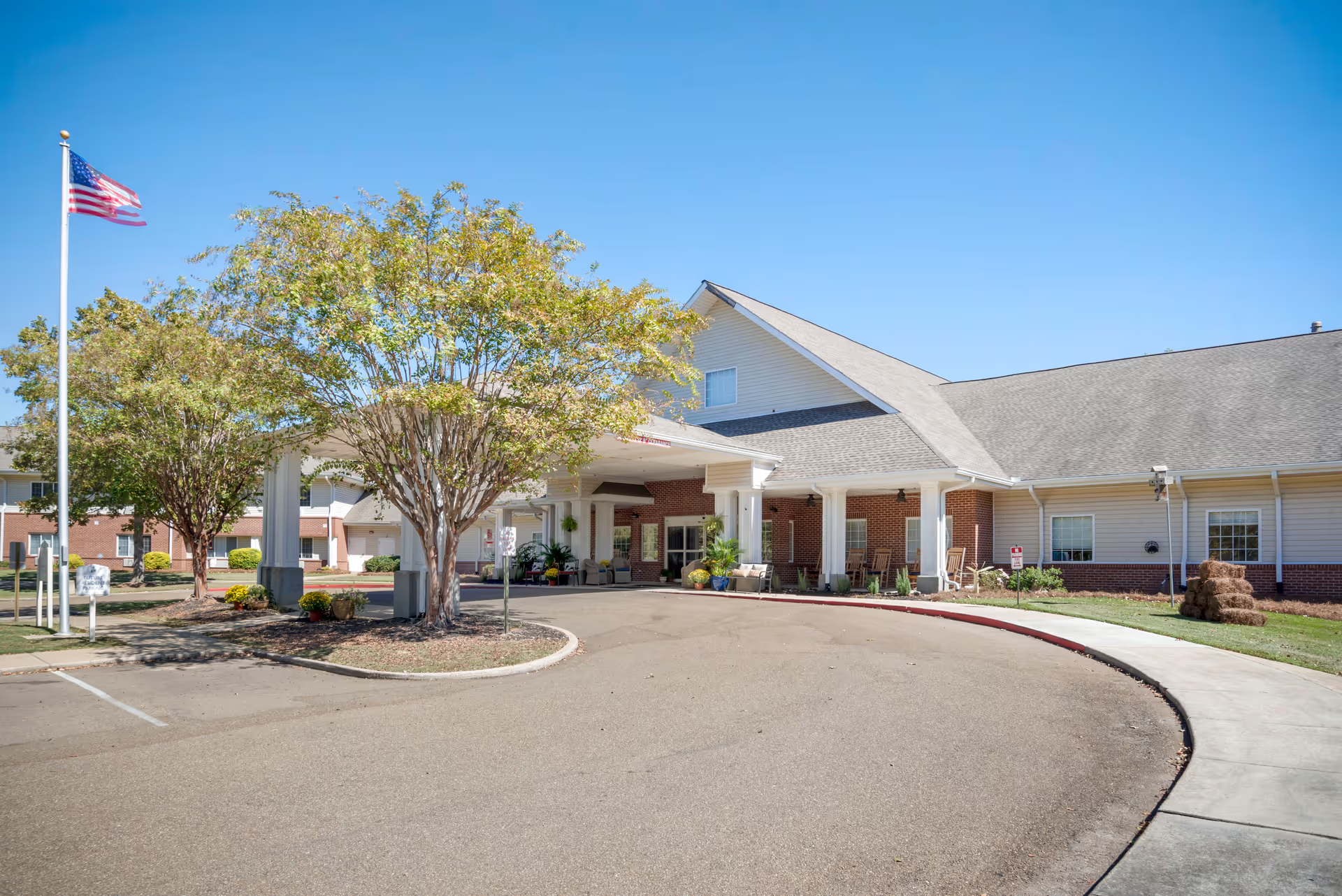
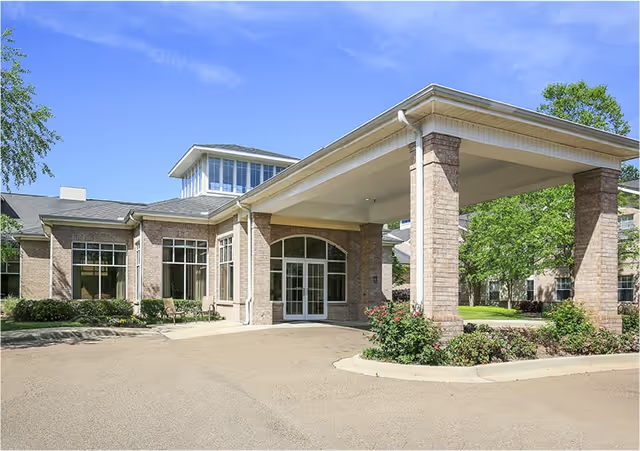
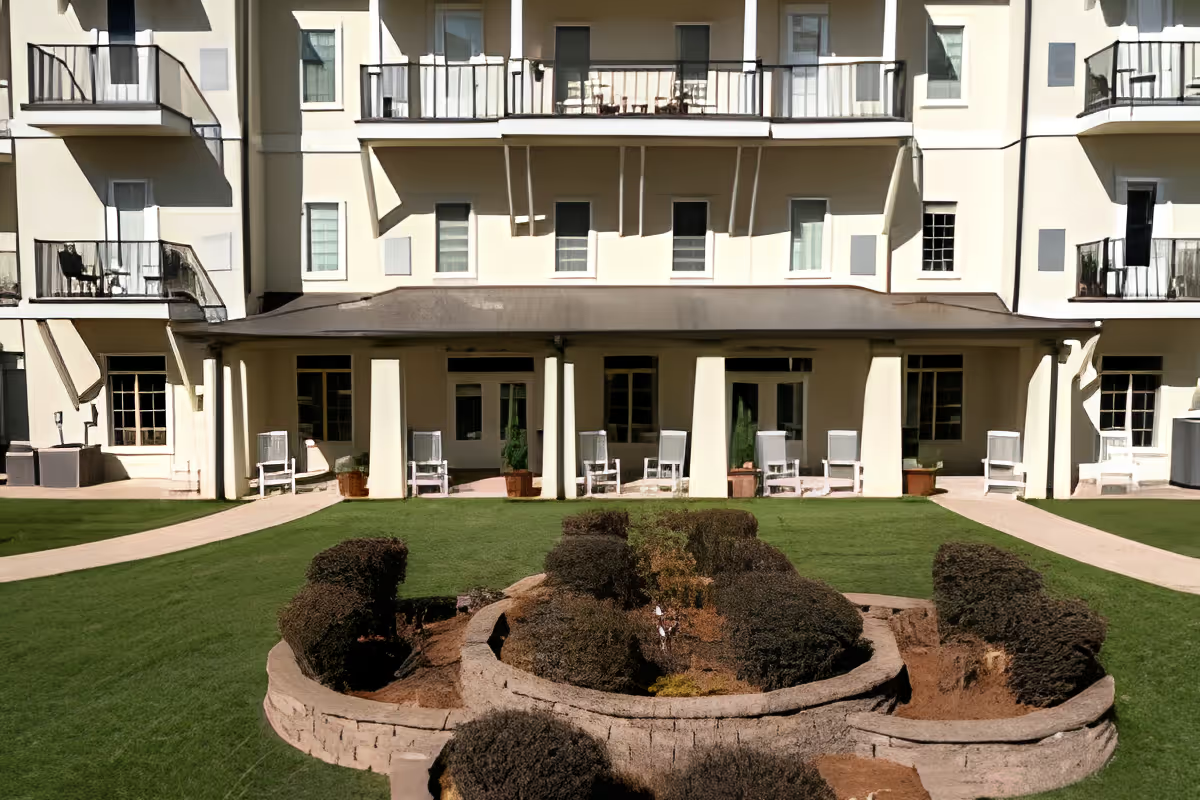
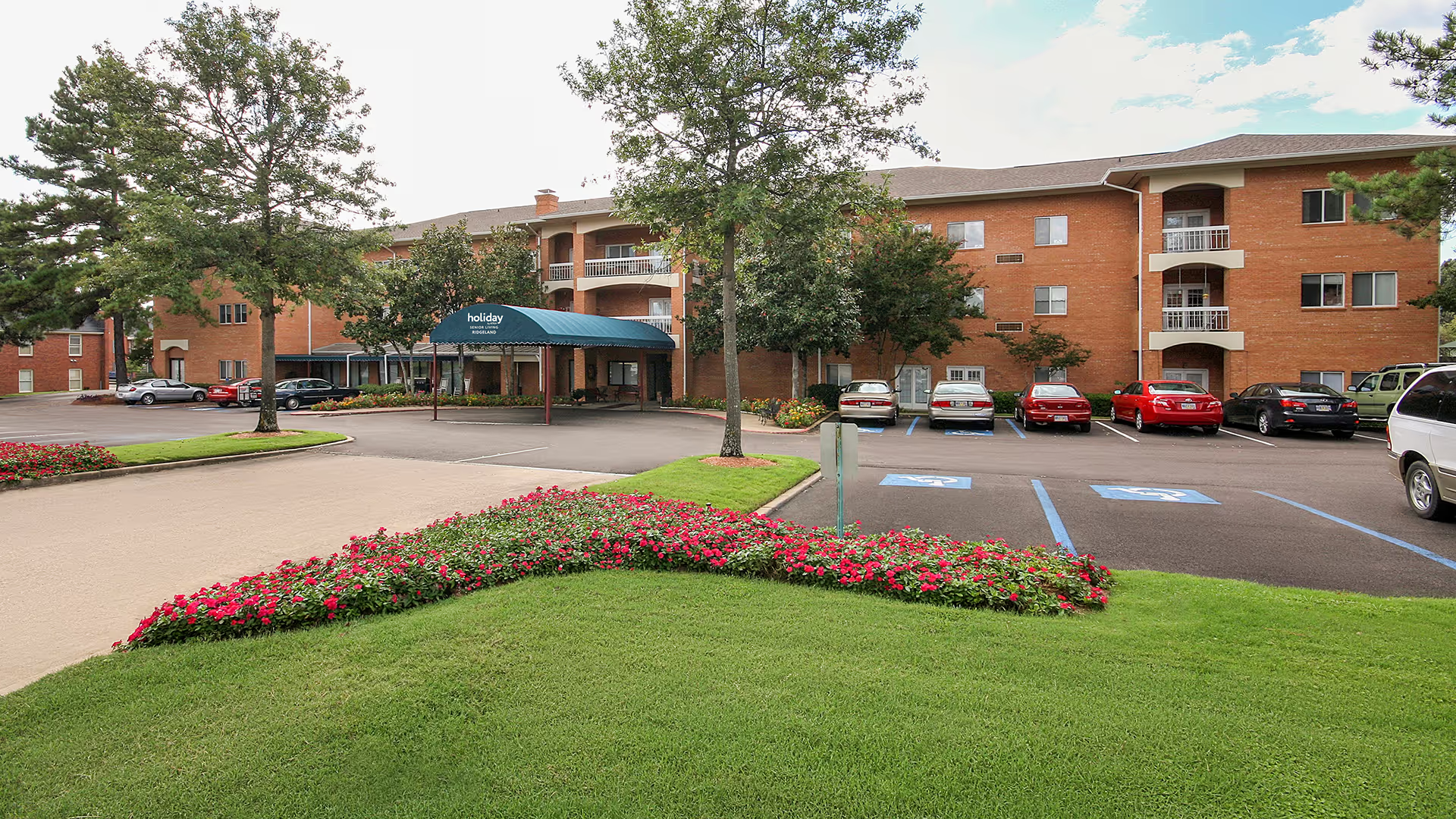
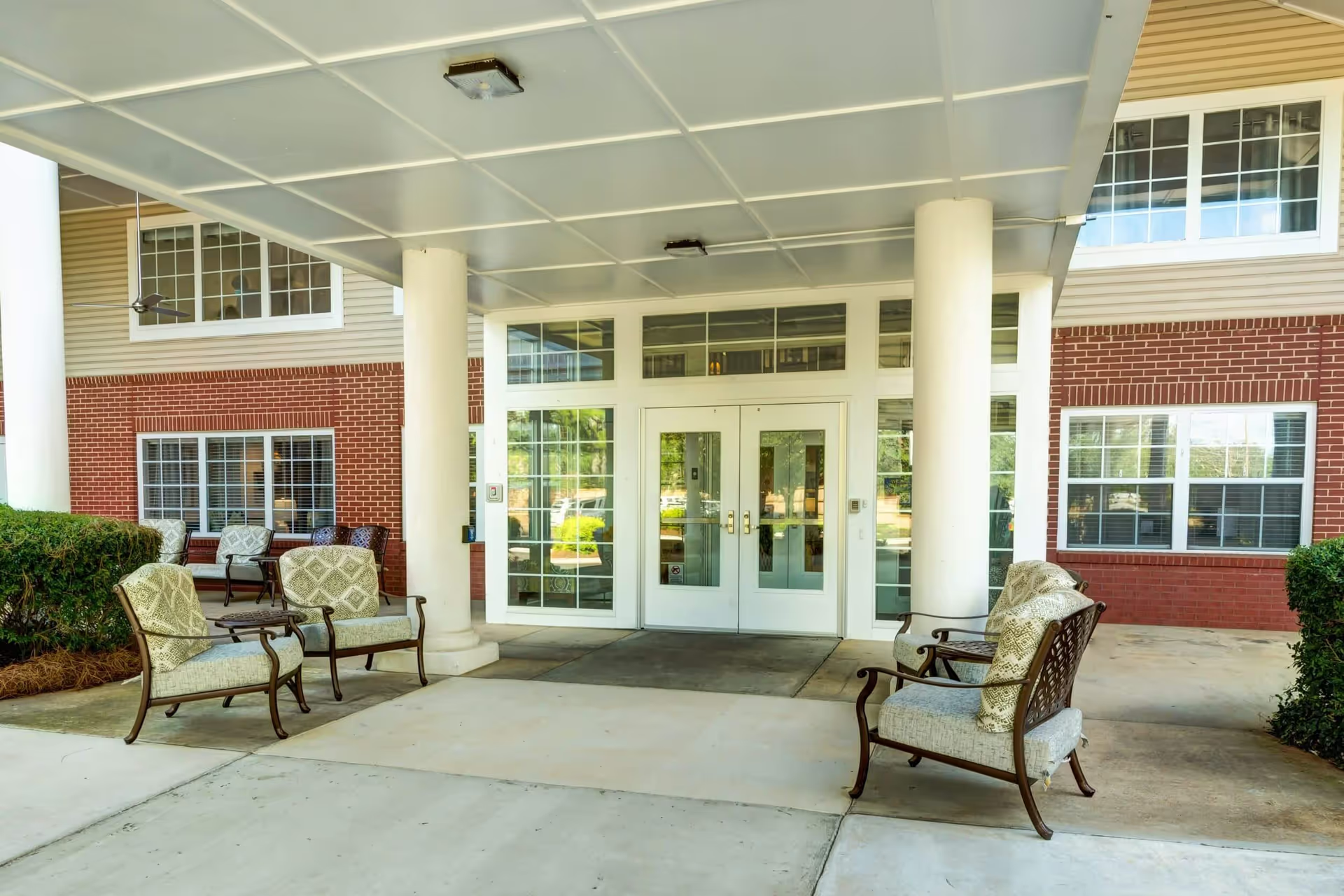
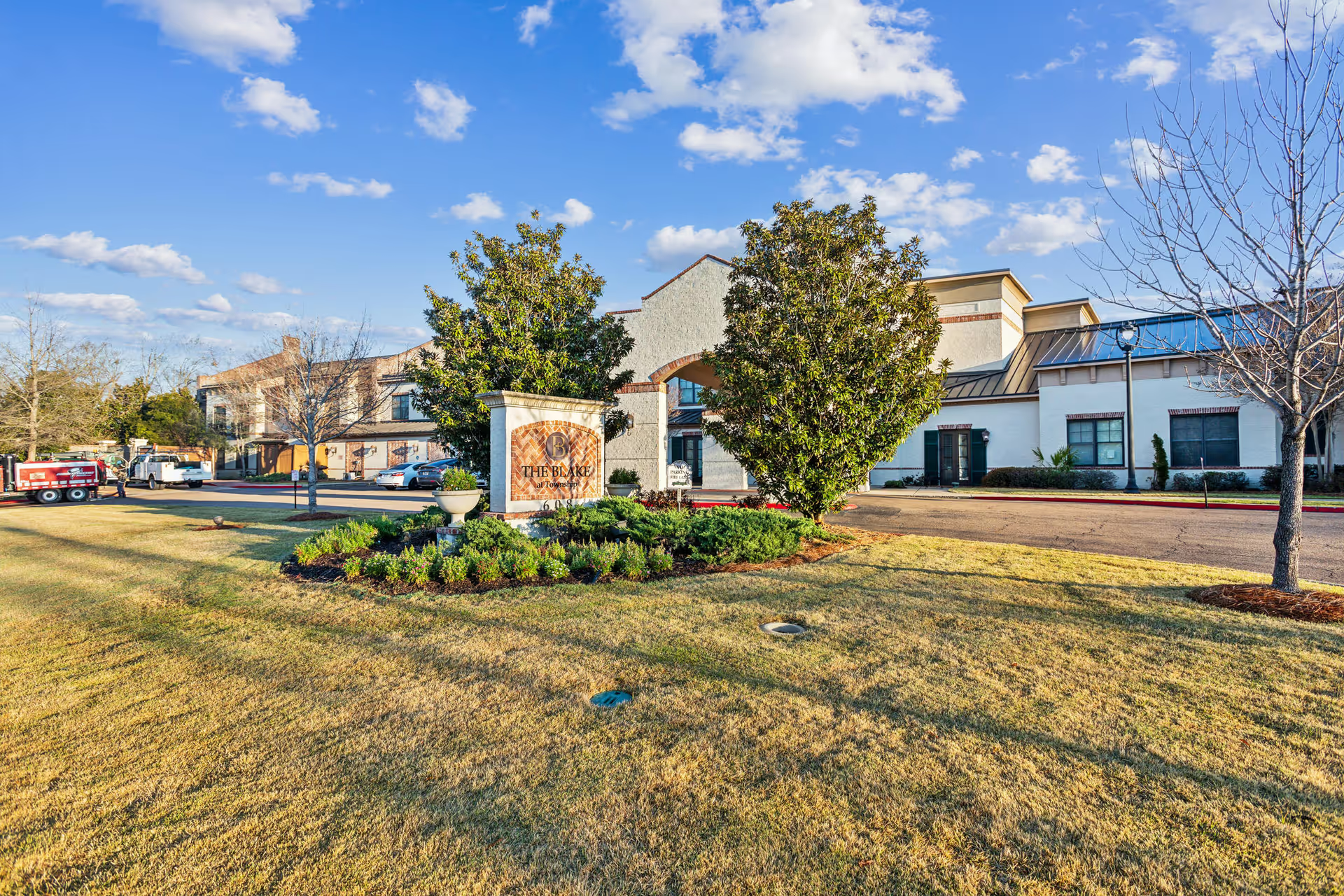
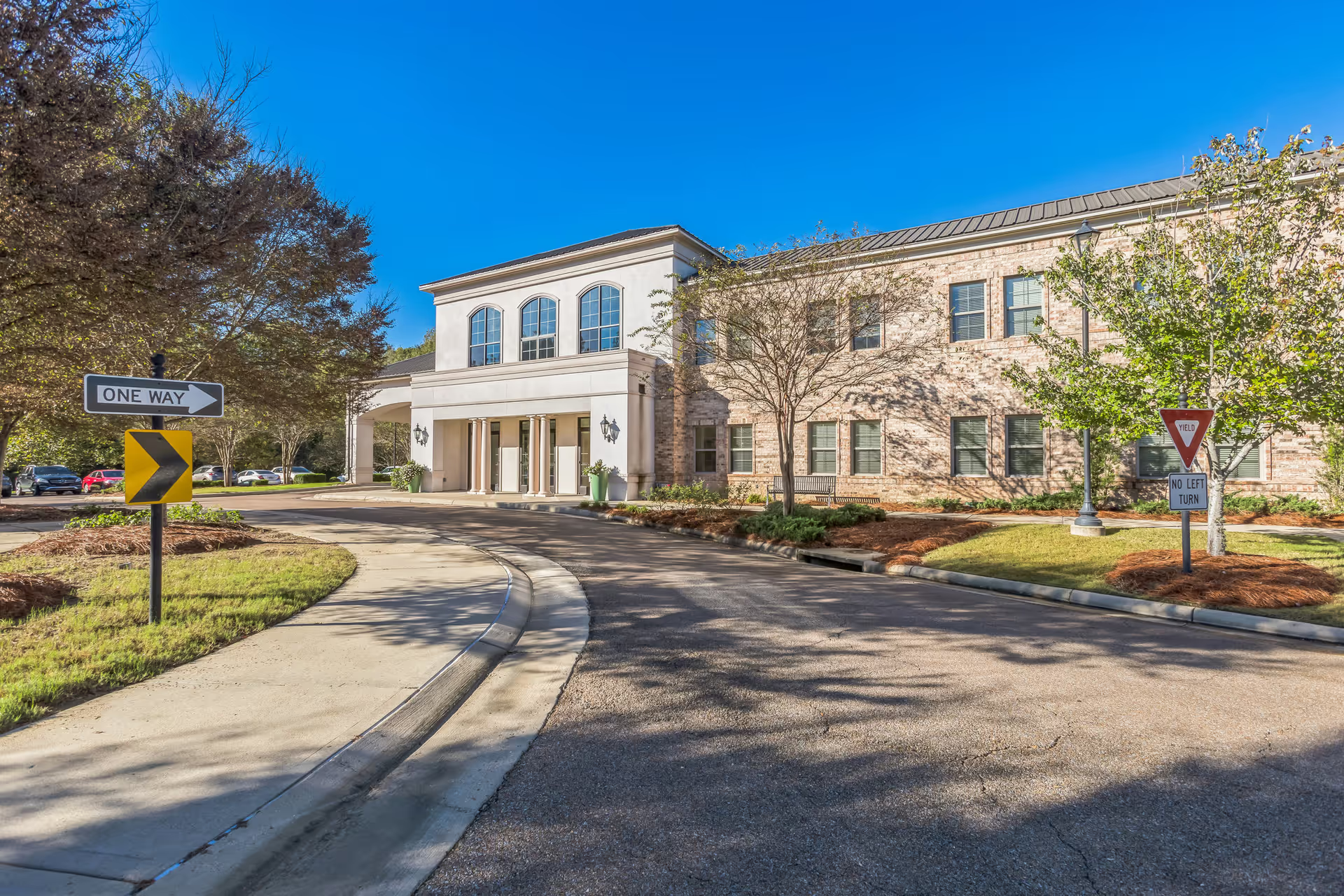
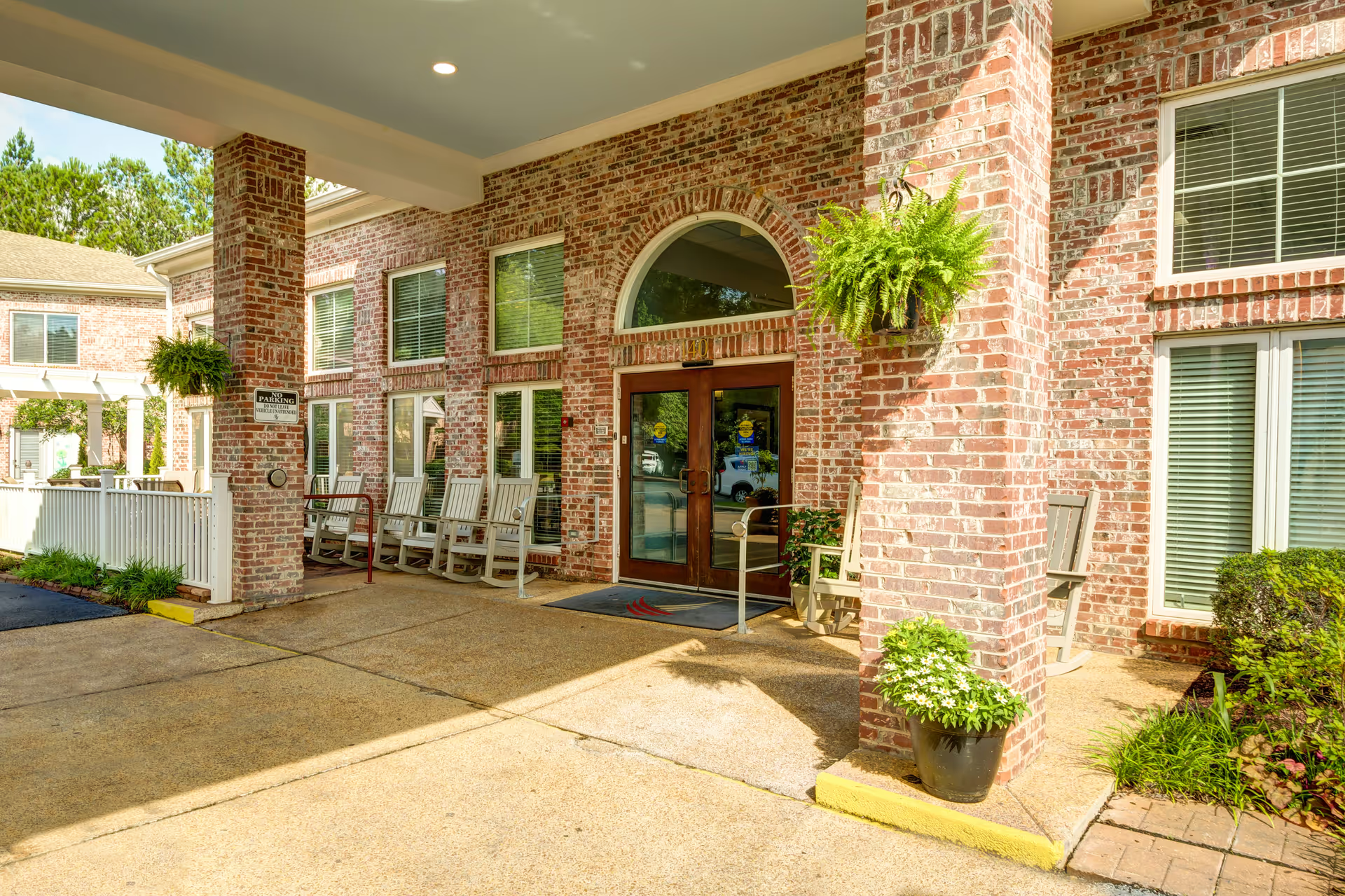
Overall impression: Riggs Manor is frequently described as a well-situated, clean retirement community with attractive grounds and garden amenities. Many reviewers praise the facility’s country setting, outdoor walking trails, ponds, and resident garden, and describe living spaces ranging from apartment-style units to larger garden homes. The physical plant and common areas are generally viewed as well maintained.
Care quality and staff: Feedback on caregiving staff is mixed but leans positive. Numerous accounts describe compassionate, attentive, and knowledgeable staff and nurses, with examples of successful rehabilitation and hands-on support. Admissions and tour staff are repeatedly characterized as personable and informative. At the same time, reviewers also describe variability in staff demeanor and responsiveness; some cite specific instances of unprofessional interactions and delayed responses. Prospective residents should evaluate current staffing and meet care-team members during a tour to assess consistency of conduct.
Dining and activities: Dining is often noted as a strength, with restaurant-style service and regular lunch offered (noting that one reviewer indicated lunch is not served on Saturday). Several reviewers mention improvements under a new chef and positive meal experiences, while others describe inconsistent food quality and dissatisfaction. Activity offerings range from robust programs — exercise classes, bingo, card games, and social events — to accounts that programming can feel limited. Activity consistency appears variable across different stays or units.
Facilities and accessibility: The facility’s physical attributes receive consistent praise for cleanliness, spacious common areas, and apartment amenities (closets, patios). However, there are recurring concerns about ADA compliance and safety features, such as the absence of handrails and reliance on shower-only bathrooms in some units. Unit sizes and configurations also vary; while some residents report large two-bedroom apartments, others note small rooms and limited availability of larger units. Families should confirm accessible features and unit dimensions during a visit.
Management, billing, and legal/administrative processes: A significant pattern of concern relates to financial, legal, and administrative operations. Reviewers describe poorly managed billing processes, unresolved billing disputes, and unclear implications for Medicaid and estates. There are also reports of restricted access to medical and financial records and disputes over POA or executor rights. Relatedly, reviewers describe documentation and communication gaps surrounding resident discharge or end-of-life transfers. These items suggest operational weaknesses in records management, family communication, and legal-policy clarity. Given the potential seriousness of these issues, prospective residents and their representatives should request written policies on billing, record access, POA/executor procedures, and notification protocols.
Notable patterns and guidance for families: Strengths center on setting, caring staff members, dining (with noted recent improvements), and successful rehabilitation services. Recurrent operational weaknesses include variability in staff consistency, administrative and billing processes, ADA/safety accommodations, and inconsistent activity or dining experiences. Before committing, families should tour the property, inspect unit accessibility features, clarify what levels of clinical care the community can provide long term, and obtain written explanations of billing, Medicaid impact, record-access, and POA/executor policies. Doing so will help align expectations with the community’s capabilities and administrative practices.