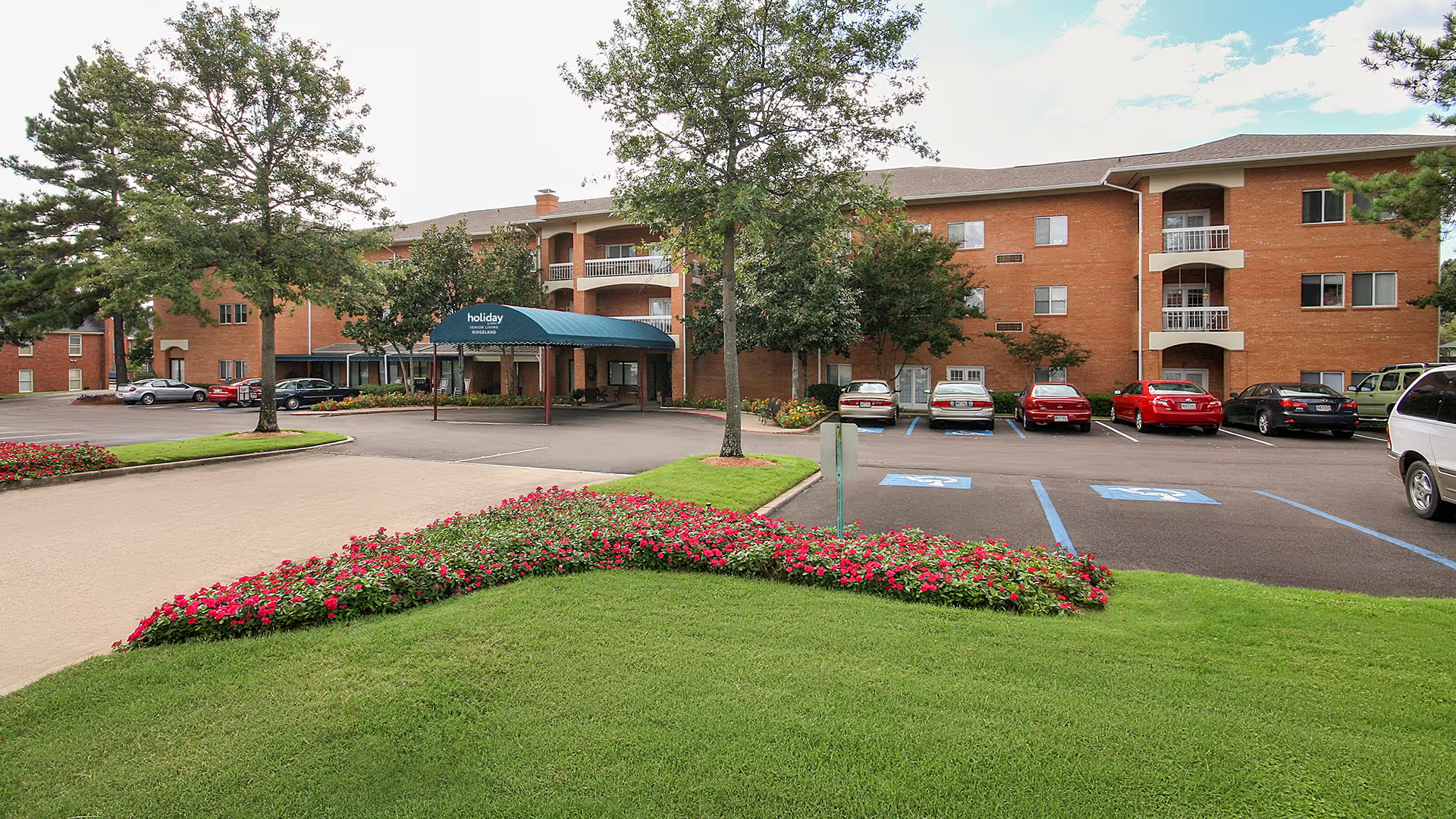
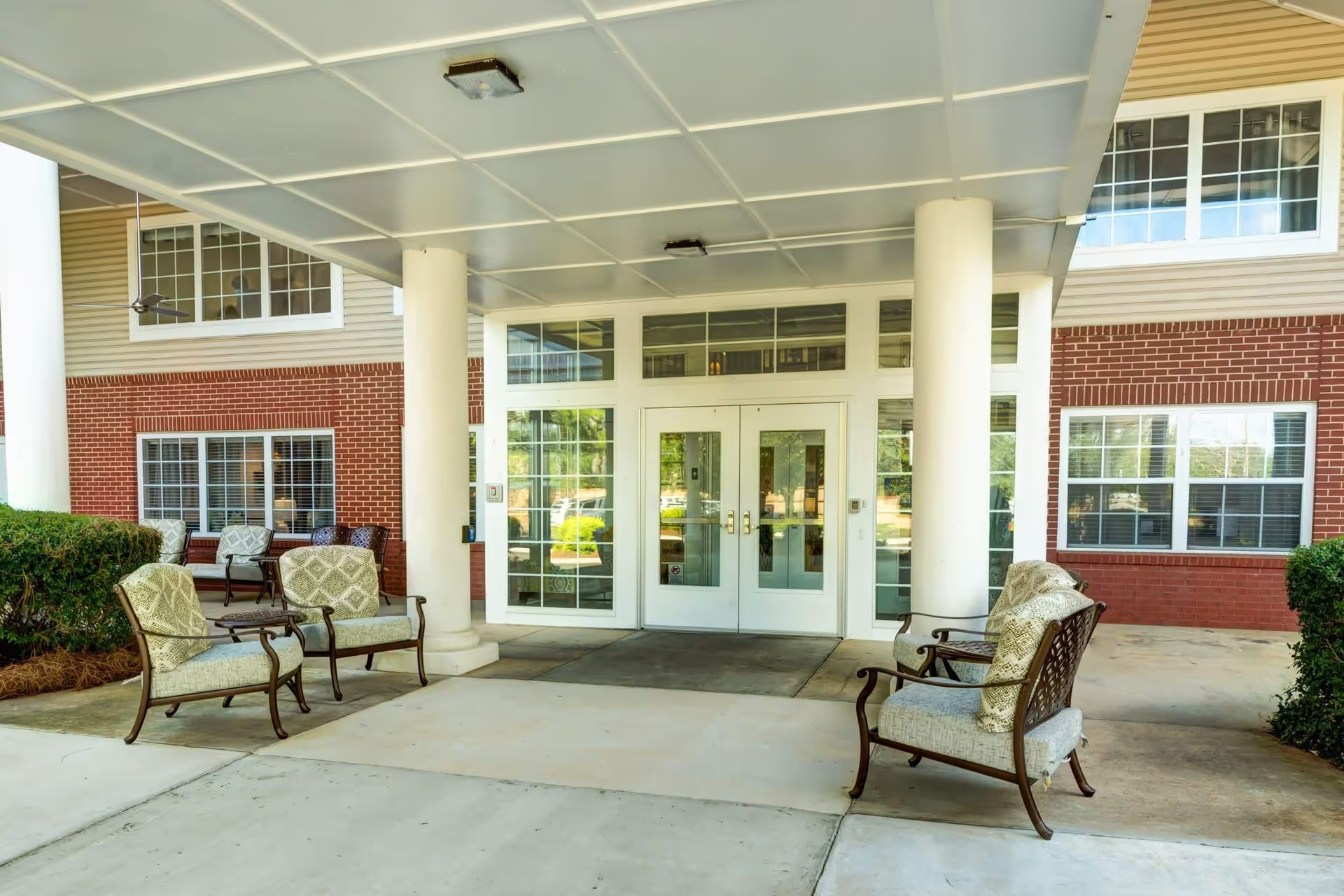
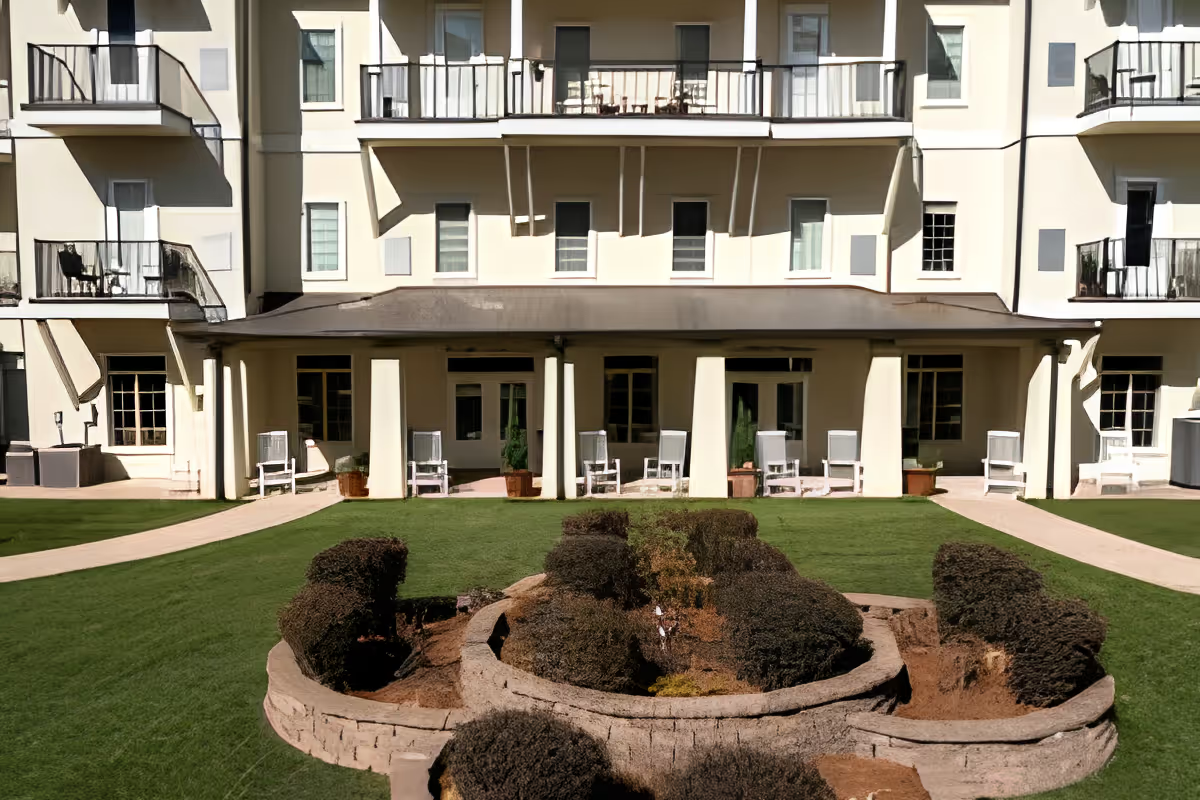
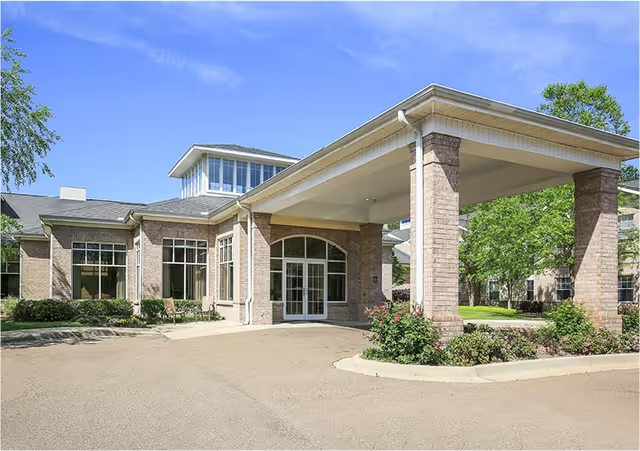
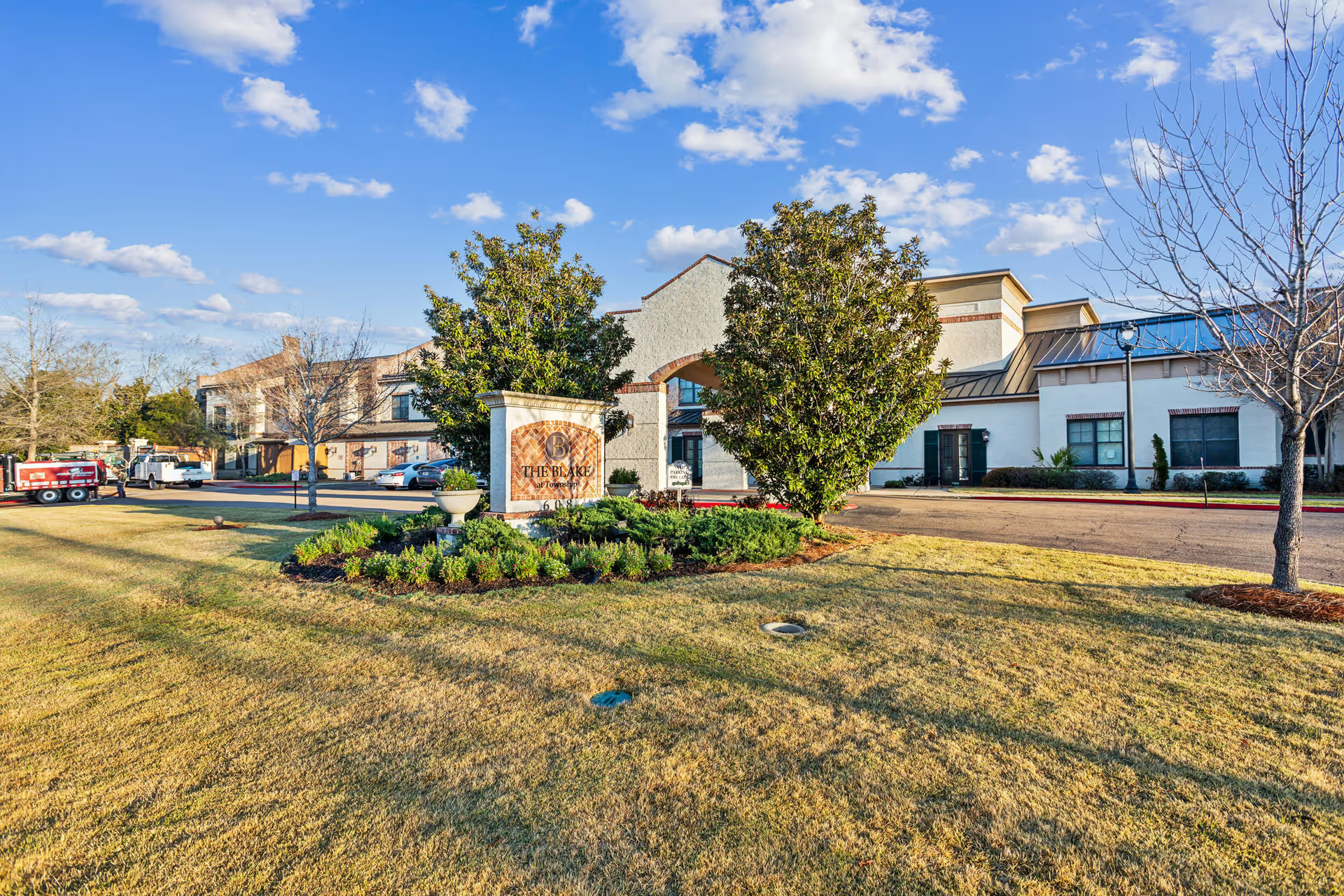
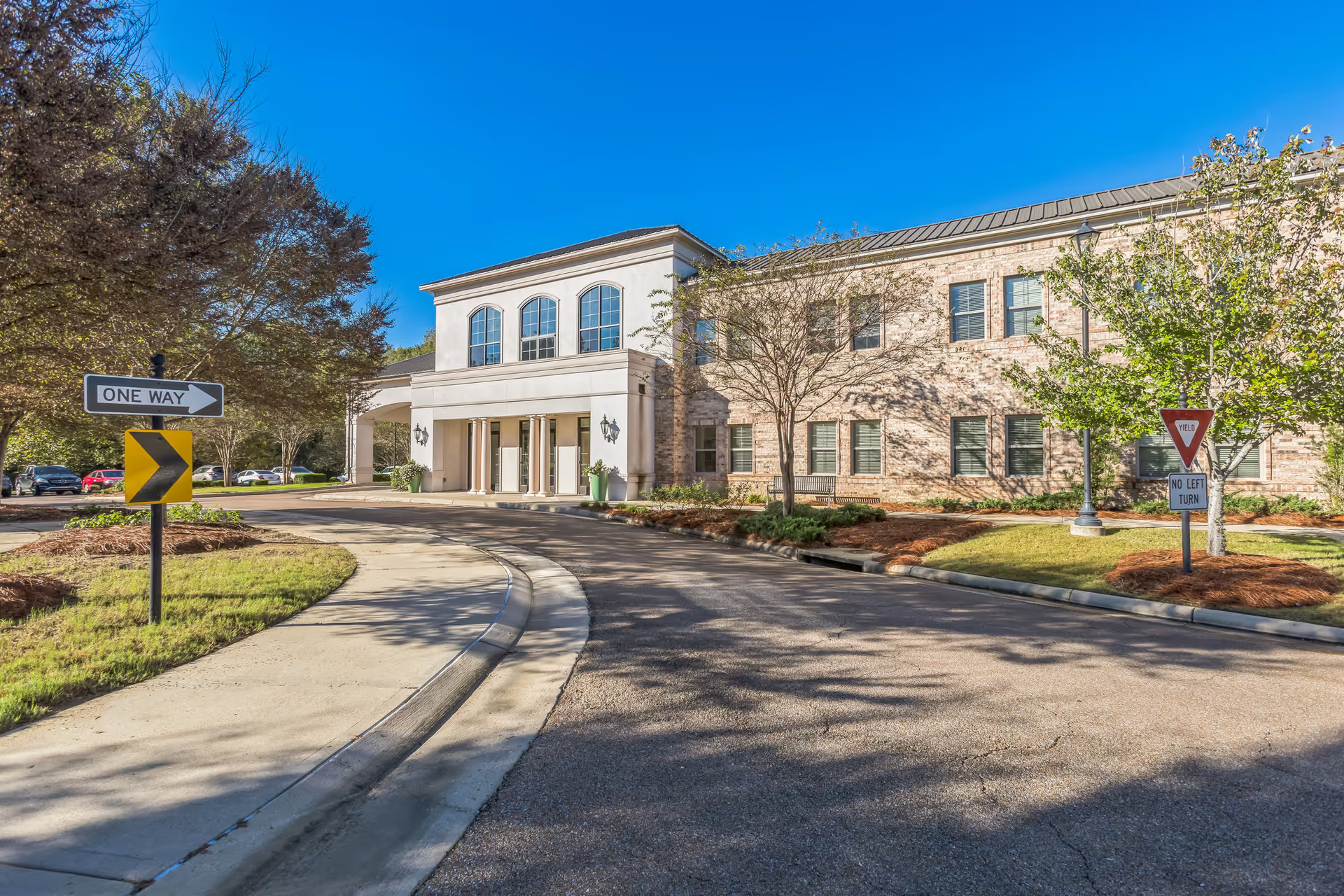
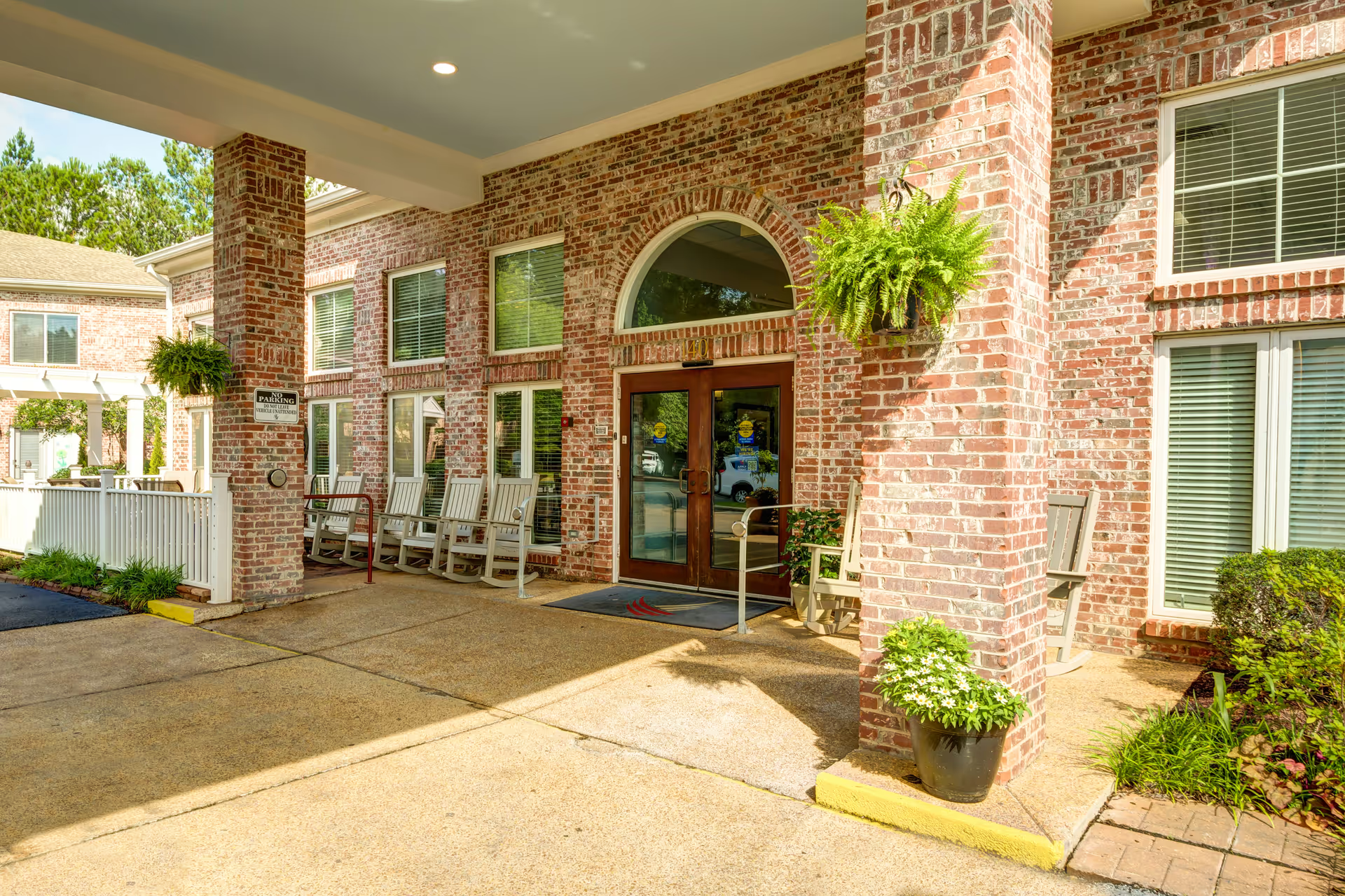
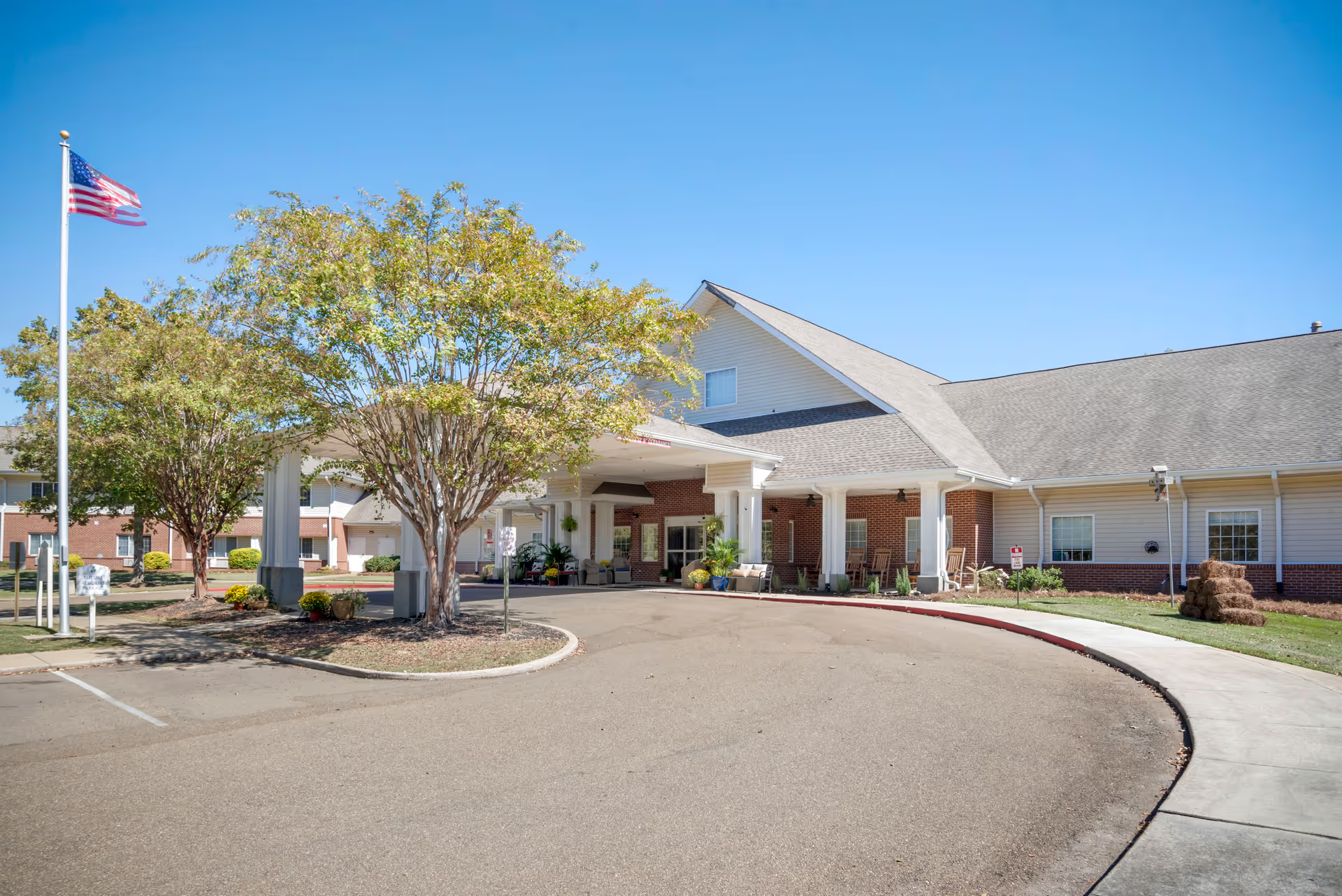
The Orchard presents as a full-service continuing care community offering a broad continuum of care — independent living, assisted living, skilled nursing and a newly constructed memory-care building. Many reviewers praise the campus environment: landscaped grounds, an atrium with natural light, courtyards and garden features, plus attractive common areas (fireplace, piano, gazebo). Apartment stock ranges from older, well-sized units with high ceilings and large closets to updated suites in newer wings. The recently built memory-care unit is frequently described as bright, calming and well designed, with private and semi-private room options and secure outdoor spaces.
Clinical care and staffing are highlighted as strengths by numerous families. Caregivers, nursing teams and front-line staff are often described as compassionate, attentive and professional, and reviewers cite strong hospice and nursing support when needed. At the same time, there are recurring concerns about staff conduct and training consistency: some families described instances of brusque communication or forceful interactions that suggest gaps in staff oversight and behavior training. There are also multiple references to inconsistent administrative responsiveness — including follow-up after clinical incidents — which points to opportunities for improvement in family communication and incident management protocols.
Dining and social life are major positive themes. The community employs an on-site chef and emphasizes restaurant-style dining, with white-tablecloth service, menu choices, three meals a day and in-room dining options. Homemade baked goods and a varied menu receive frequent praise, although there are isolated comments indicating dissatisfaction with food quality, which suggests variability between meal services or between dining venues. Activity programming is broad — exercise classes, live music, faith services, games and outings are noted — and residents are generally described as engaged and socially active. A small number of reviewers said advertised activities were not always visible during their visits, indicating variability in program execution or participation levels.
Operationally, reviewers point to several recurring issues. Older sections of the campus show cosmetic wear and occasional maintenance or housekeeping inconsistencies. Administrative tasks such as billing and paperwork have produced errors for some families, and there are perceived cost/value concerns in certain unit types. Policy-related restrictions (examples cited include transportation/ride-share limitations and access-control practices) have raised questions about resident mobility and access. A notable capacity limitation is that memory-care placement for men has been constrained while expansion is underway; management is building additional units to address that gap.
Overall, The Orchard is strongly positioned for families seeking a full-service CCRC with robust dining, active social programming and a well-regarded new memory-care environment. Prospective residents and families should tour multiple unit types (including older and newer wings), observe dining and activity periods in person, ask about current memory-care capacity and male-placement policies, review billing and paperwork procedures, and discuss staff training and incident-response protocols. These steps will help assess fit given the community's combination of clear strengths and operational areas that warrant confirmation during an in-person visit.