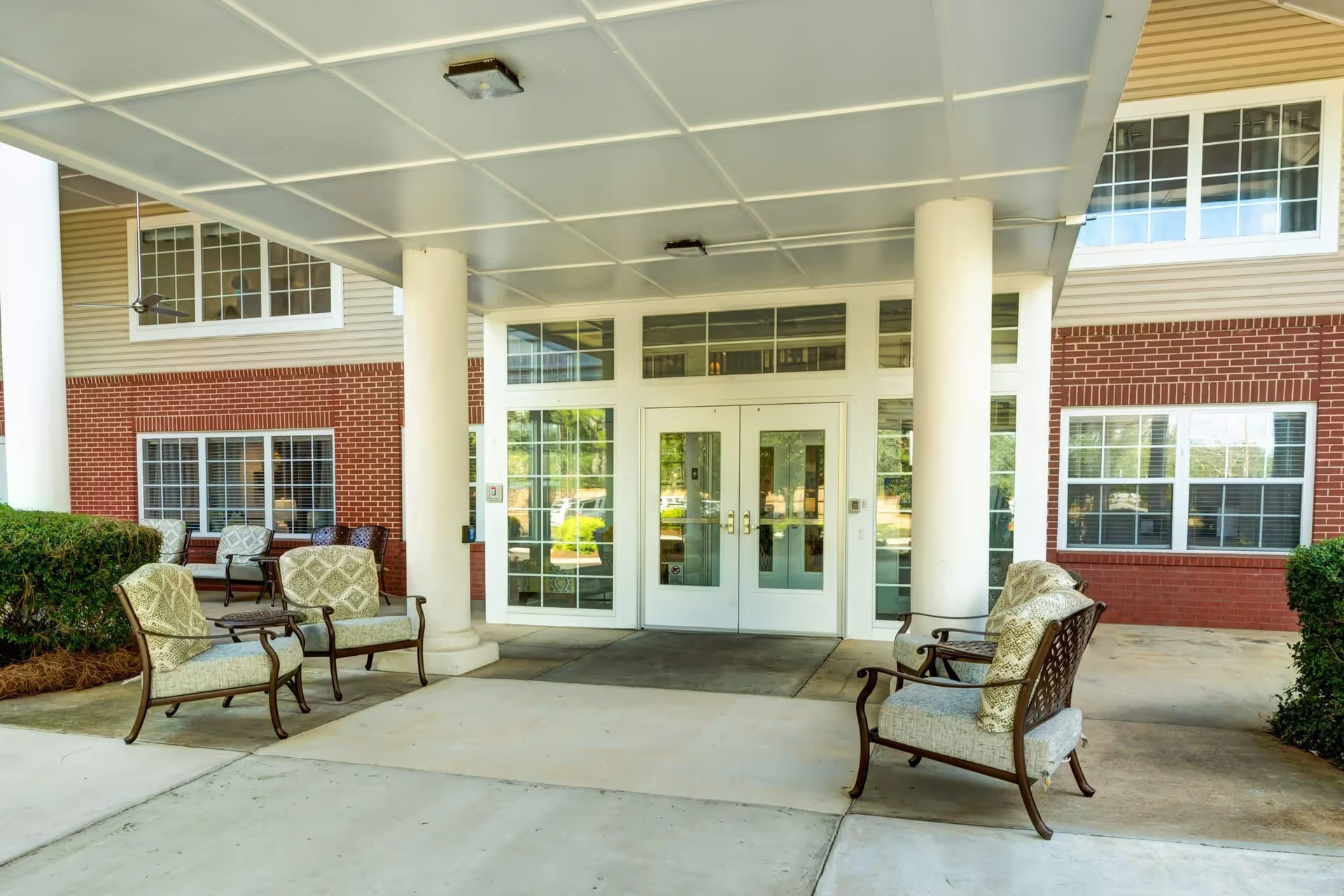
Reviewer feedback for Belmont Gardens Recovery Center is highly polarized, with strong praise from many former residents for the program’s clinical care, community, and outcomes, alongside serious concerns from others about staff conduct and administrative practices. Positive commentary highlights effective recovery programming, strong peer support through sponsors and group work, and several accounts of meaningful, sustained sobriety attributed to the facility’s combined medical and counseling services. At the same time, critical feedback points to operational and culture issues that prospective residents and families should consider.
Care quality and staff: Many reviewers describe clinicians, nurses, and physicians as compassionate, professional, and instrumental in recovery progress, citing attentive medical management, therapeutic work, and supportive nursing. Multiple individuals mention specific staff members and sponsors who fostered a sense of belonging and provided practical support. Conversely, reviews indicate variability in staff behavior and responsiveness, with specific accounts raising concerns about the tone of communication, fairness in interactions, and cultural competence. There are allegations of racial bias in particular interactions; such claims merit careful inquiry by prospective families and licensing or oversight bodies if substantiated.
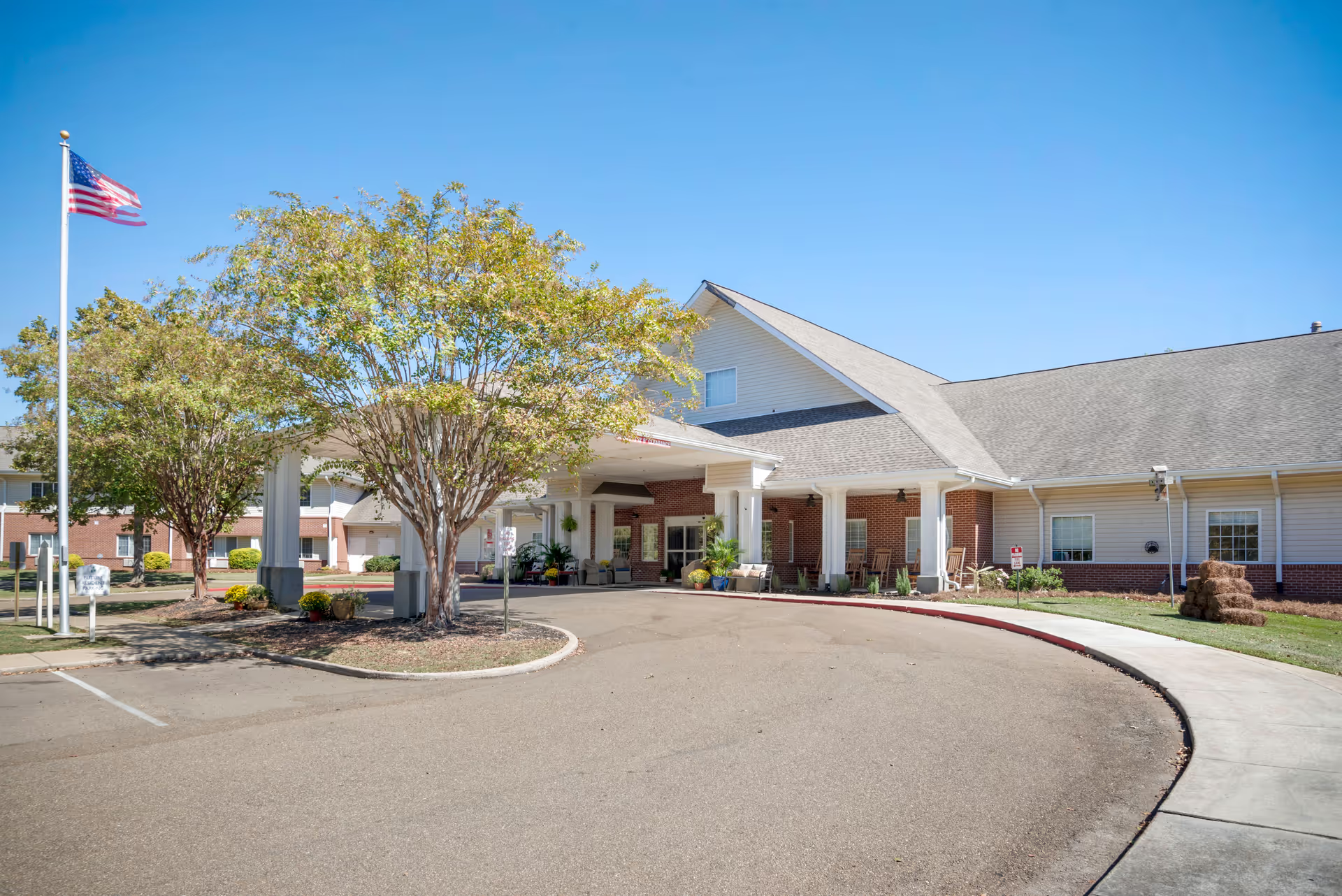
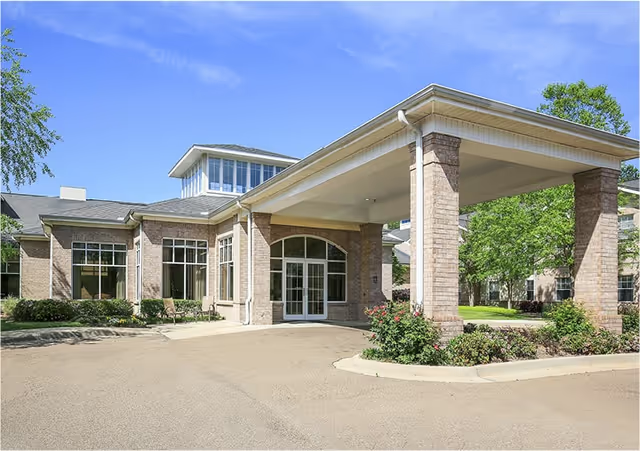
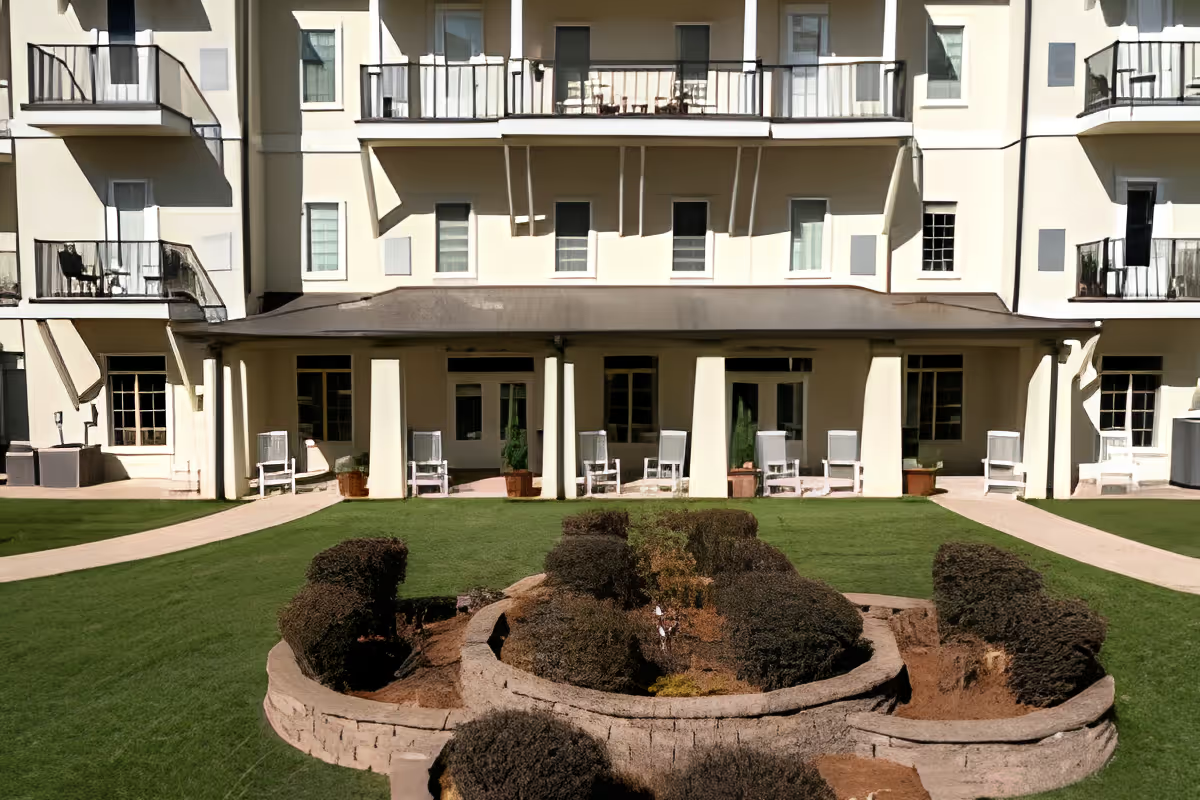
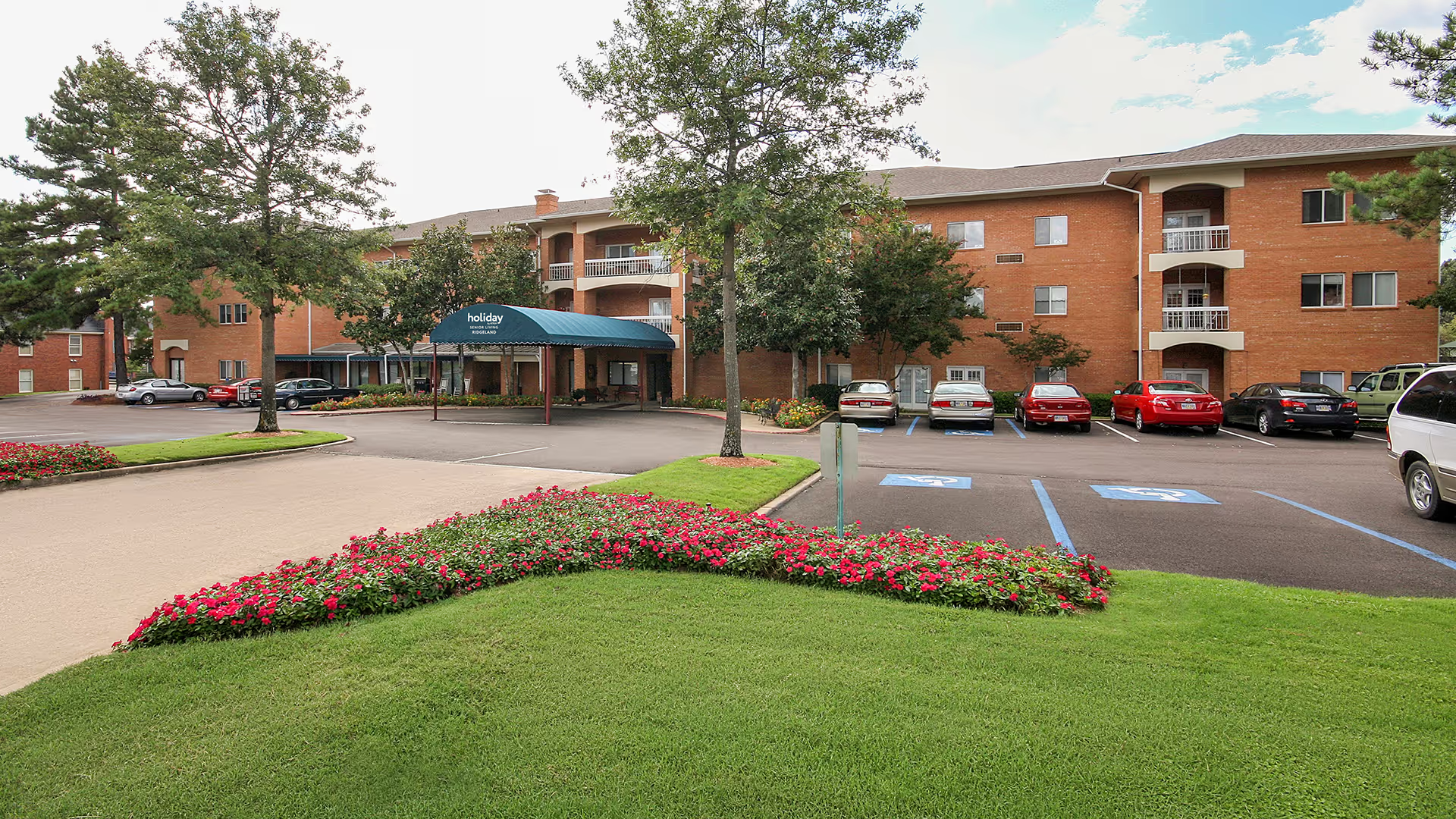
Dining, activities, and facilities: The program’s activity offerings—most notably 12-step and faith-based teaching, group therapy, sponsor relationships, and work-study placements—are frequently cited as central to recovery. Reviewers also praise the dining program and kitchen staff for pleasant meals. Facilities-related feedback is mixed: while some residents describe a family-like environment and adequate amenities, others report inconsistencies in room assignments and in the application of accommodation policies, which can affect resident comfort and trust in administrative processes.
Management and notable patterns: Administrative strengths include staff who assist with insurance and offer financial support for room and board, as well as an HR presence described by some as empathetic. However, there are recurring themes of perceived businesslike or throughput-focused operations, variability in how admissions and discharges are handled, and gaps in communication or transparency around policy decisions. These operational patterns can produce uneven experiences: many people report life-changing, supportive care, while others report feeling unfairly treated or subject to inconsistent enforcement of rules. Prospective residents and families should weigh both the strong clinical and community supports and the operational concerns; asking specific questions about cultural competence training, admission/housing policies, discharge procedures, and channels for filing grievances will help clarify whether the facility’s practices align with the prospective resident’s needs.