Overall impression: Reviews describe a facility with a mix of strong, person-centered strengths and recurring operational weaknesses. Families and visitors commonly praise welcoming, warm staff and a clean environment, and several reviewers singled out the physical therapy program and specific caregivers for consistently positive interactions. At the same time, operational issues—most notably staffing and communication—appear repeatedly and affect the day-to-day experience for some residents.
Care quality and clinical services: The facility’s therapy services receive consistent commendation; therapists were named for effective, professional work and rehabilitation support. Clinical competence is described as solid in many cases, with helpful nursing and custodial staff noted by families. However, there are also accounts indicating variability in nursing and caregiving performance. Staffing levels and shift coverage are cited as contributors to delayed responses to call signals and to delays in personal-care tasks. Several families raised concerns about medication management practices and the facility’s ability to meet the needs of residents with cognitive impairment, suggesting gaps in dementia-specific programming and supervision.
Staff and teamwork: Staff are frequently described as warm, courteous, and easy to work with, and individual employees received specific praise for compassionate one-on-one care. That said, reviewers also describe inconsistent professionalism across employees—examples include inattentive behavior during shifts and phone use while on duty. Training and leadership appear inconsistent: office and administrative personnel were specifically noted as needing better training and clearer communication about billing and transitions. These mixed accounts point to strengths in frontline caregiving but uneven performance tied to workforce management and training.
Dining and daily living: Several reviewers complimented food quality and meal service, while other accounts raise concerns about meal continuity and hydration monitoring for some residents. There are reports indicating that feeding and nutrition oversight can be inconsistent, which, coupled with staffing constraints, may affect residents who require assistance at mealtimes. Attention to menu quality is a positive point, but operational consistency in feeding and fluid intake monitoring is an area for improvement.
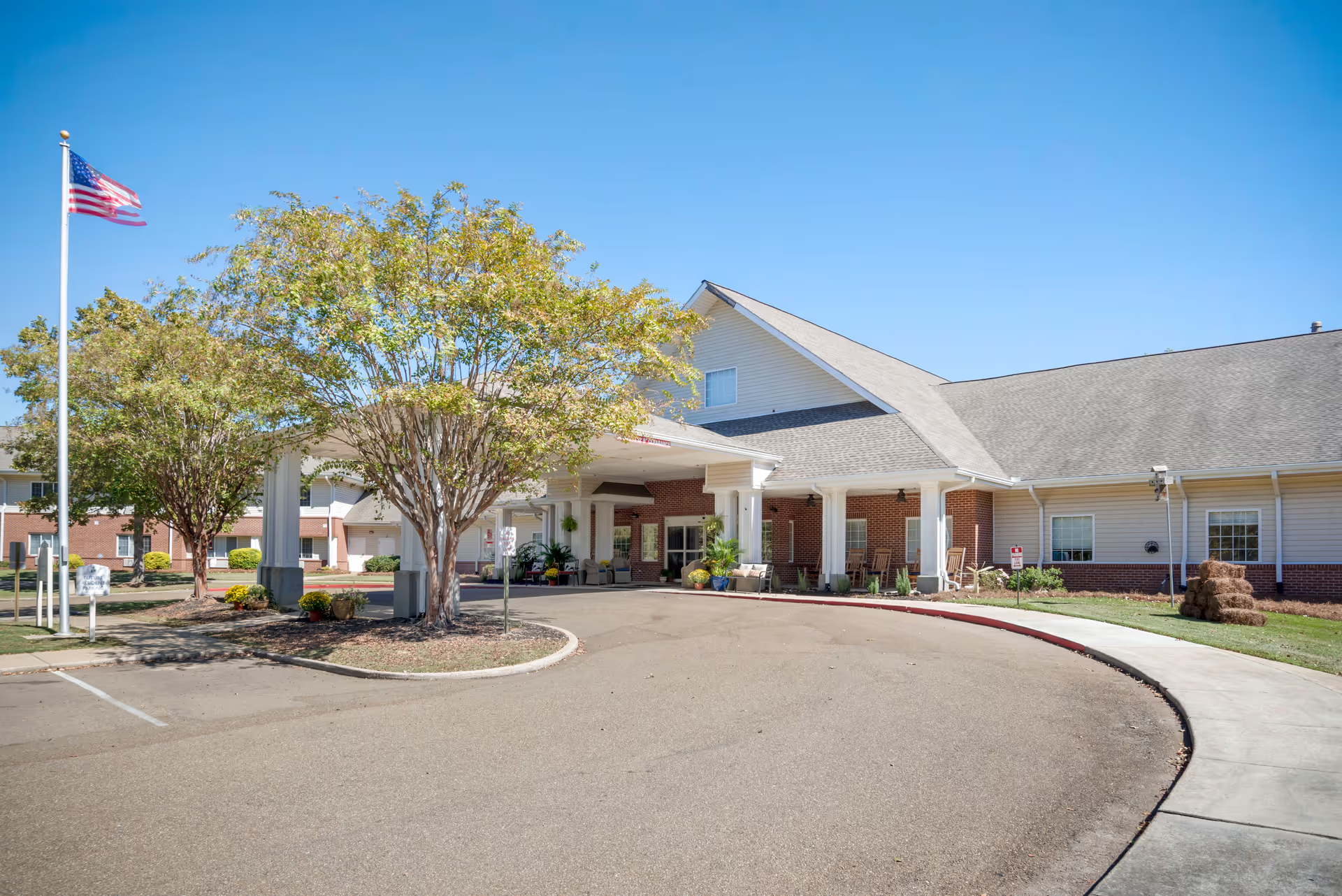
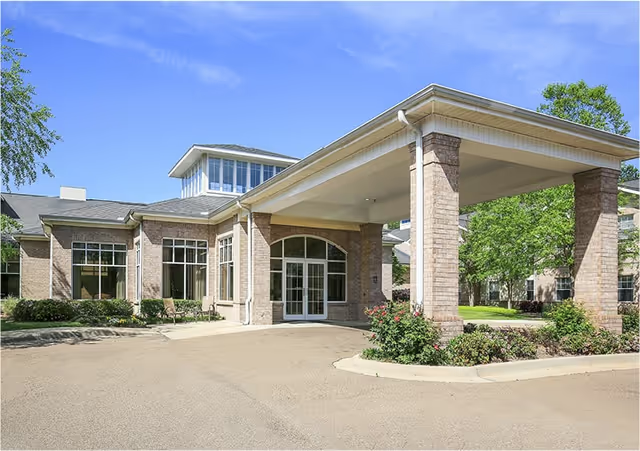
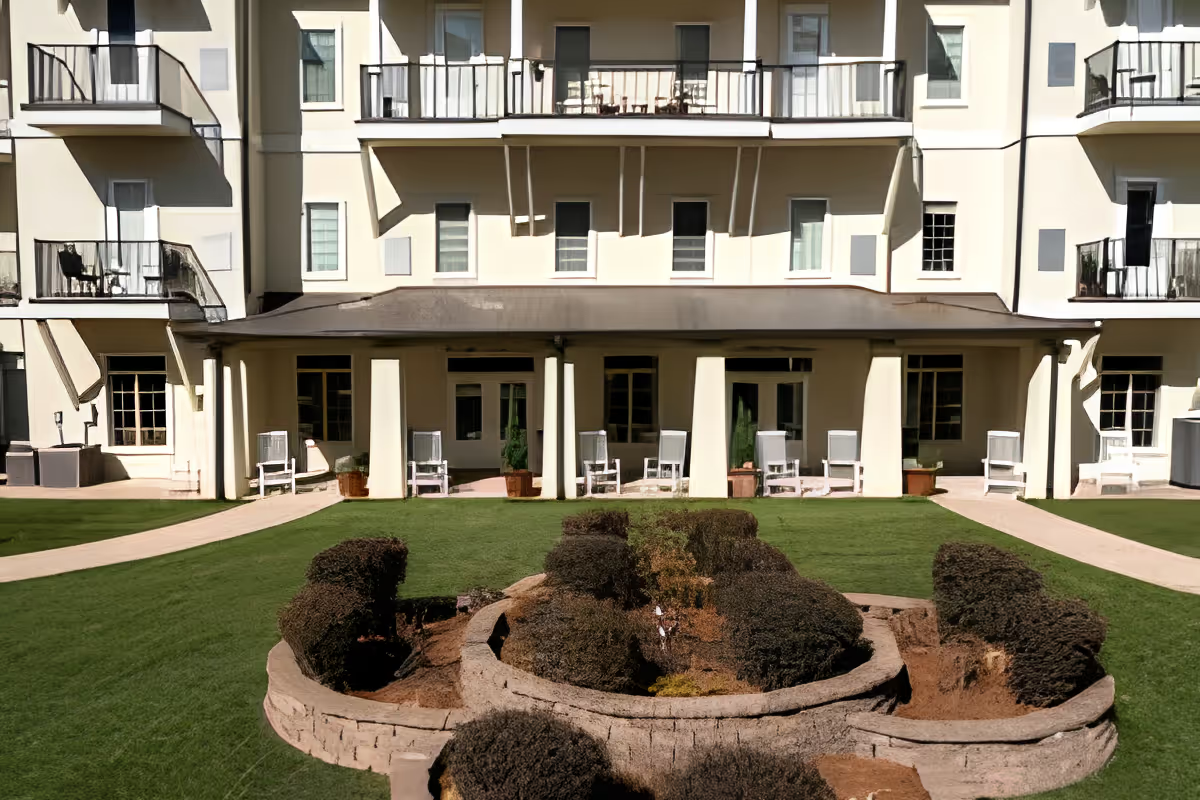
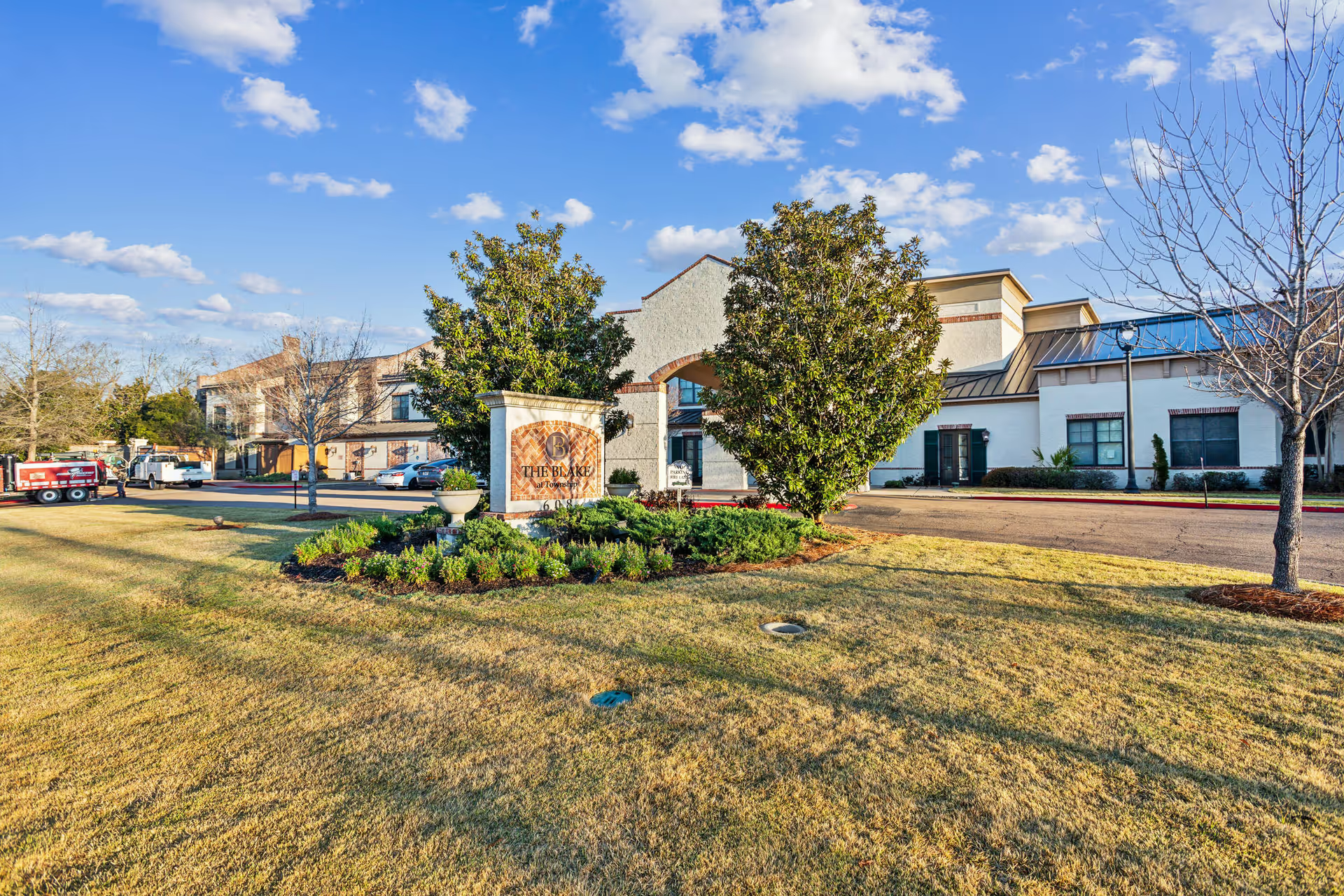
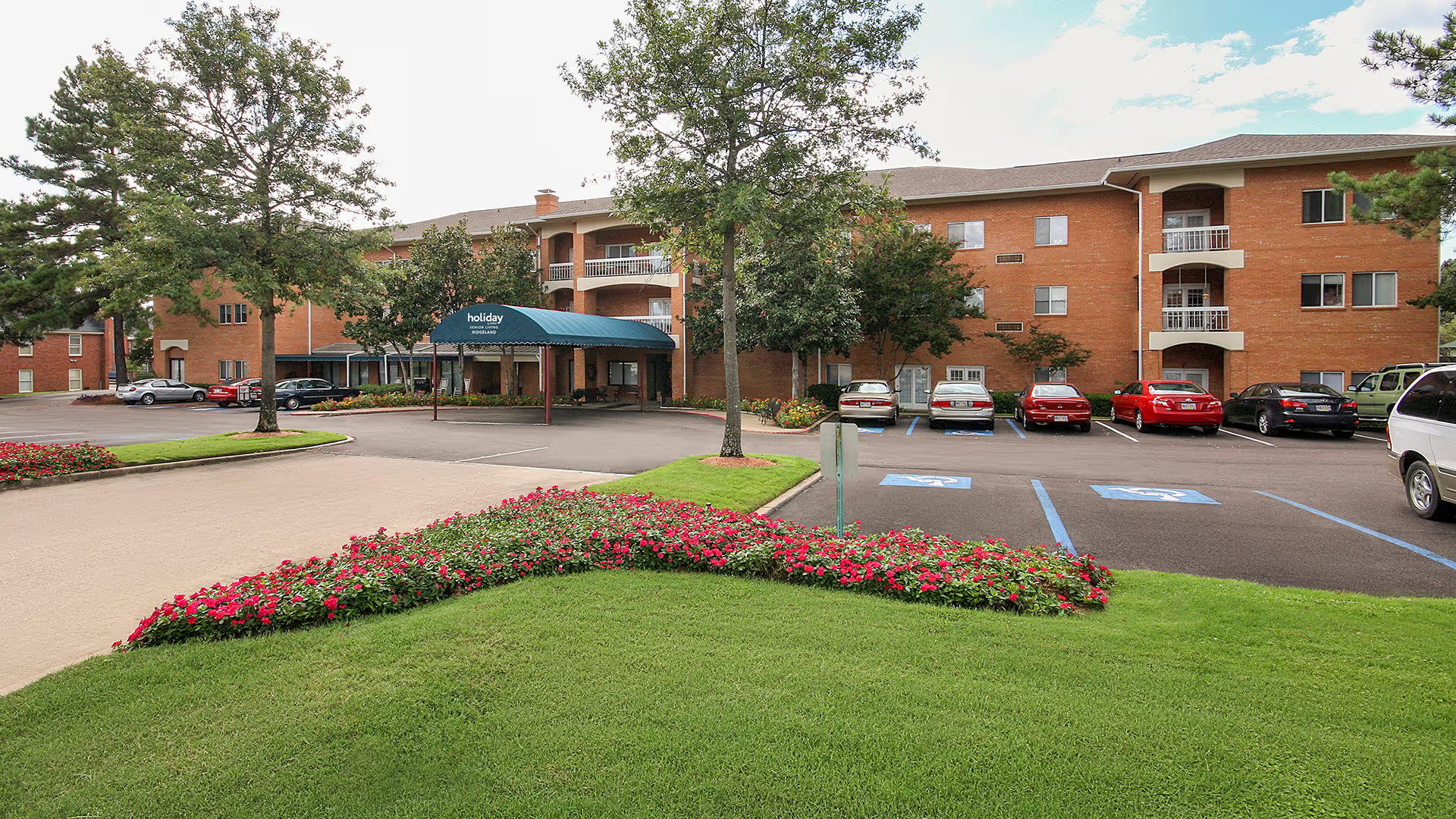
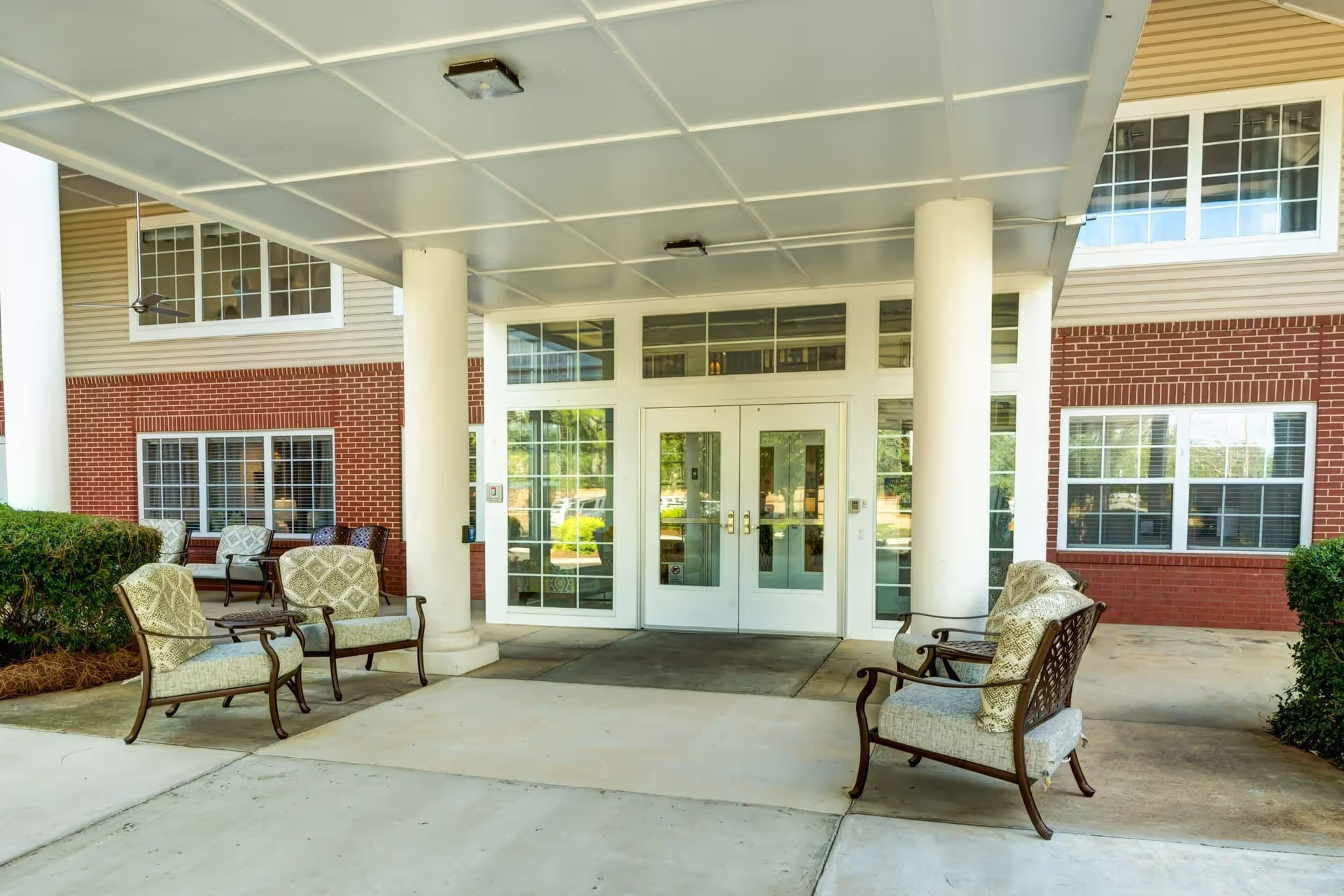
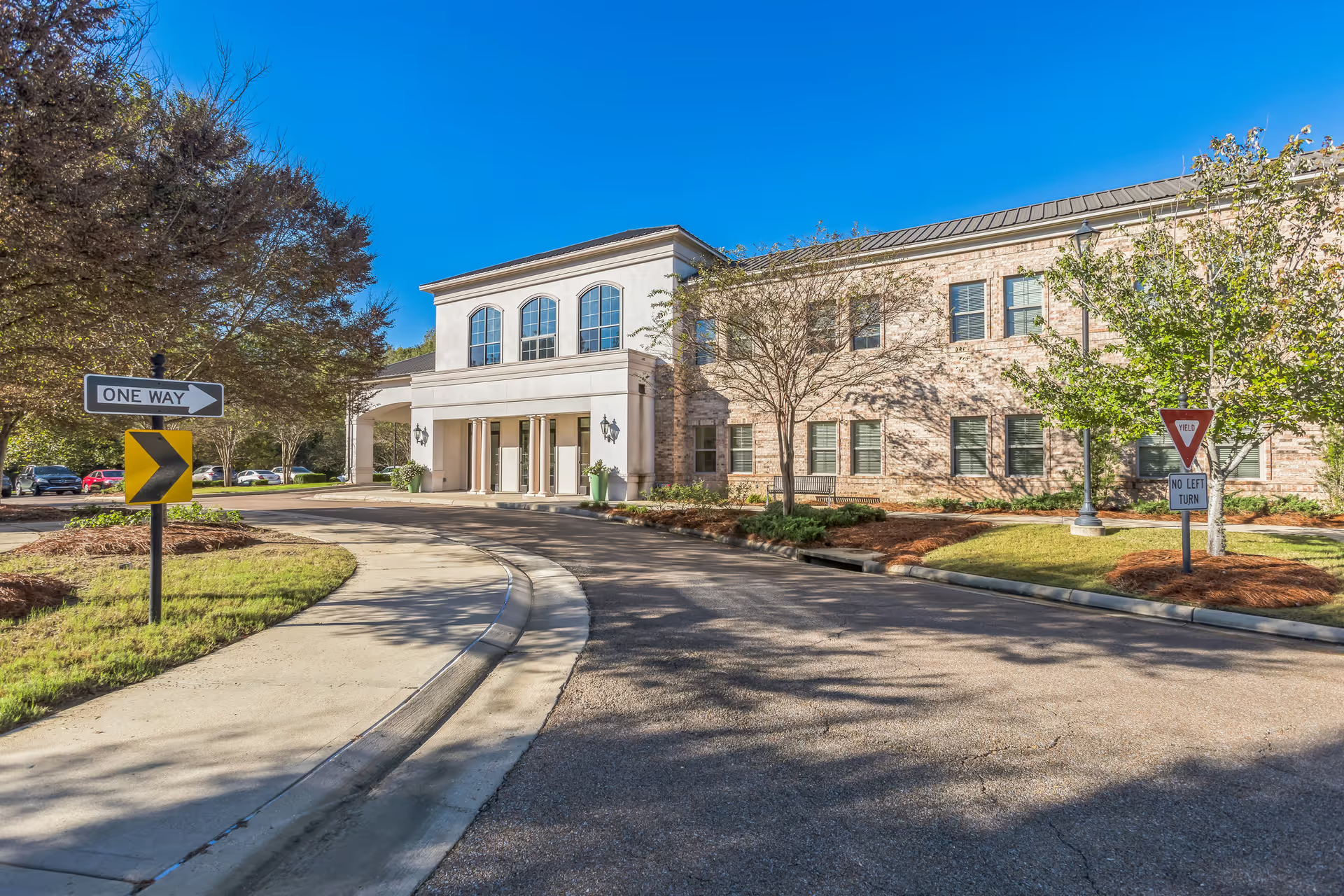
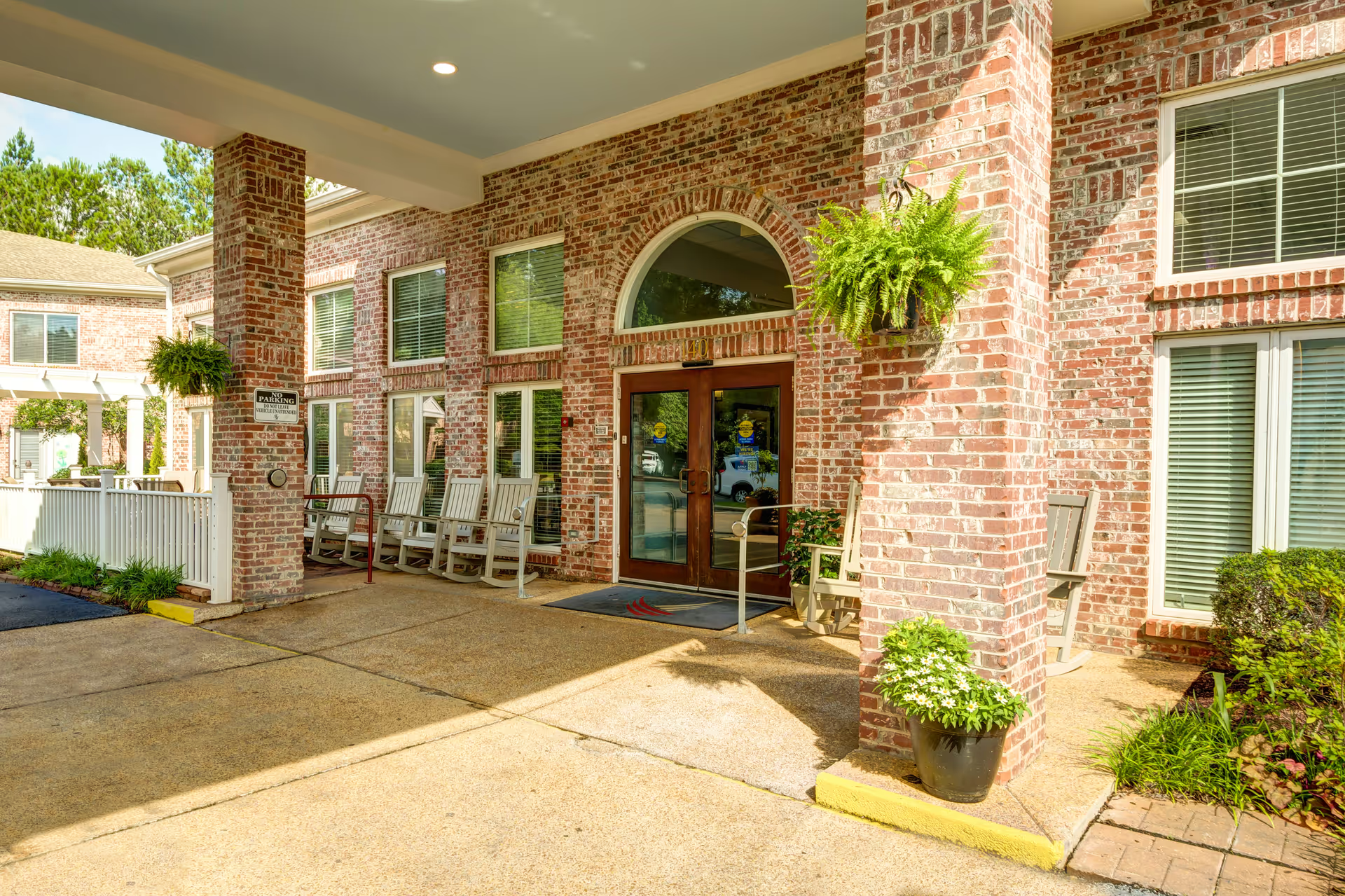
Activities, engagement, and facilities: The physical environment is generally described as clean and welcoming, with a secure check-in process praised by families. However, some reviewers described limited outdoor time and feelings of isolation for certain residents, suggesting that activity programming and opportunities for outdoor engagement could be expanded or made more consistent, particularly for residents with cognitive or mobility limitations.
Management and communication: Administrative transparency and communication are recurring themes. Families noted issues with billing clarity, rushed or unclear discharge/exit meetings, and uneven follow-up from office staff. These administrative gaps, combined with the operational staffing challenges, contribute to variability in family experience. Positive leadership behaviors were not absent—examples of courteous front-desk staff and effective coordination exist—but the pattern indicates room for stronger, consistent communication protocols and staff training.
Notable patterns and recommendations: The overall pattern is polarized experiences—strong rehabilitative care and several highly regarded caregivers coexist with operational weaknesses that chiefly cluster around staffing, training, dementia-care capability, and administrative transparency. Prospective families should weigh the facility’s demonstrated strengths in therapy and individualized caregiver relationships against the potential for inconsistent responsiveness and communication. Addressing staffing levels, targeted dementia-care training, clearer medication and nutrition oversight, and improved administrative transparency would likely reduce the variability described and improve overall family confidence.