Care quality at the facility appears mixed. Reviewers identify clinically capable staff and available on-site therapy resources, indicating a baseline of clinical competence and functional rehabilitation capacity. However, persistent concerns about responsiveness—long waits for assistance and delays in attending to resident needs—suggest operational gaps in day-to-day care delivery. Several comments point to shortcomings in pain management and therapy effectiveness, implying that rehabilitation and symptom-control goals are not consistently achieved for all residents.
Staff performance is described in contrasting terms. While competence is noted, there are recurrent reports of unprofessional conduct, poor tone in staff–resident interactions, and instances where staff did not solicit or honor resident preferences (for example, scheduling of personal care). Reviewers also raised concerns about cultural sensitivity and discriminatory behavior. These patterns indicate that interpersonal skills, resident-centered communication, and cultural-awareness training may be areas needing attention despite adequate clinical capability.
There is limited specific information about dining and activities in the available summaries. Reviewers did not provide substantial detail on food quality, meal service consistency, or the scope and engagement level of activity programming. The absence of commentary here should be interpreted as limited reporting rather than confirmation of strength or weakness in those domains.
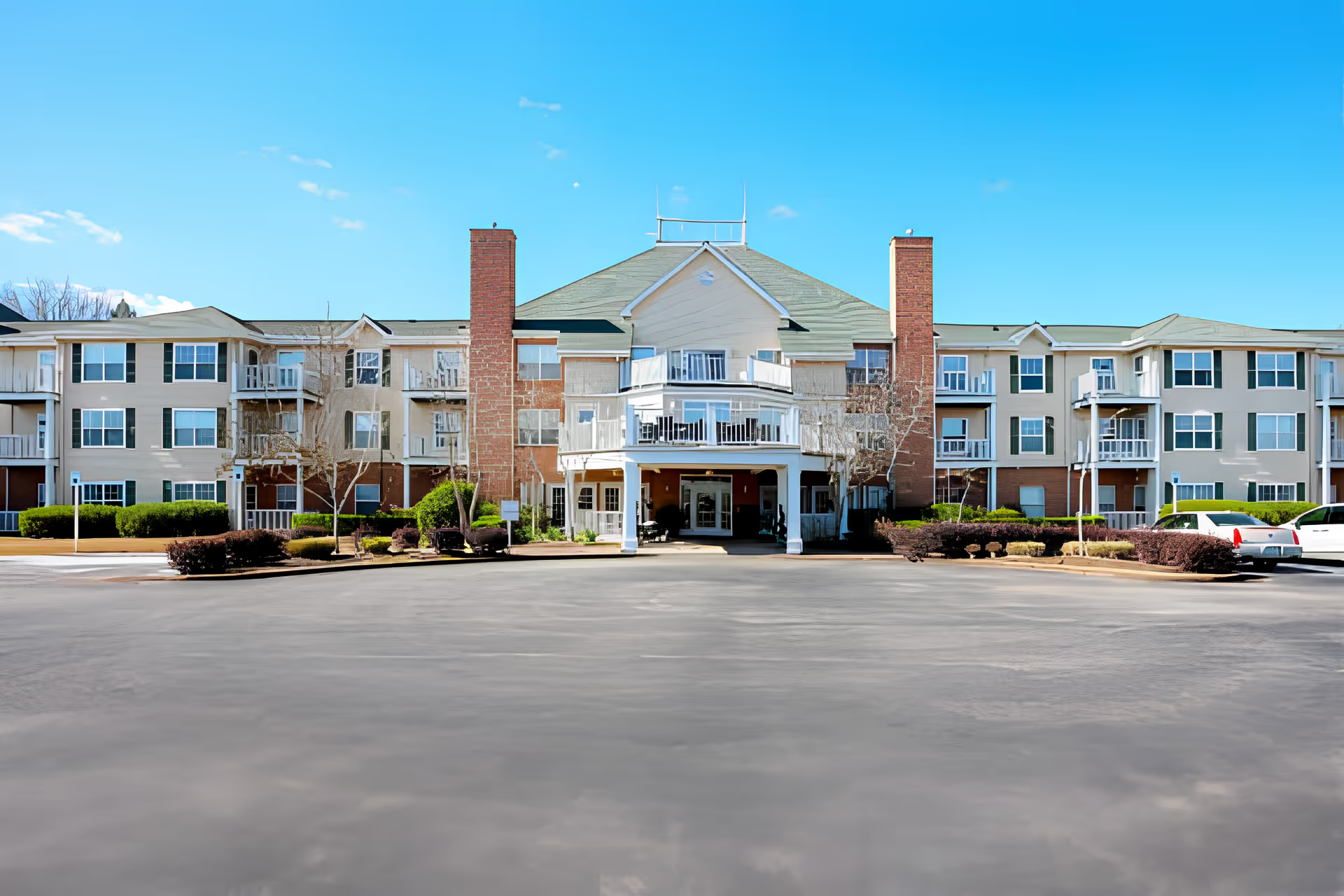
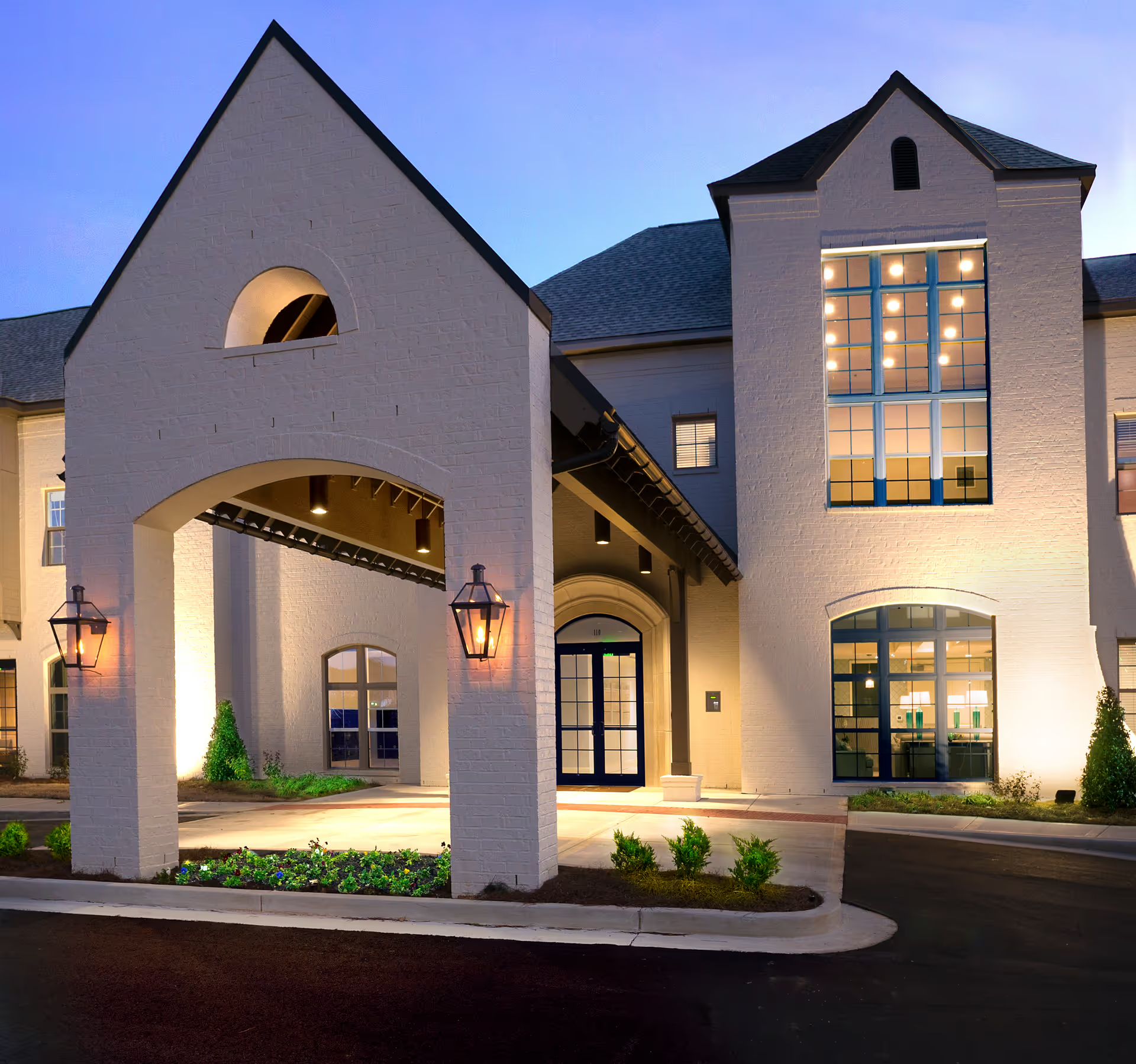
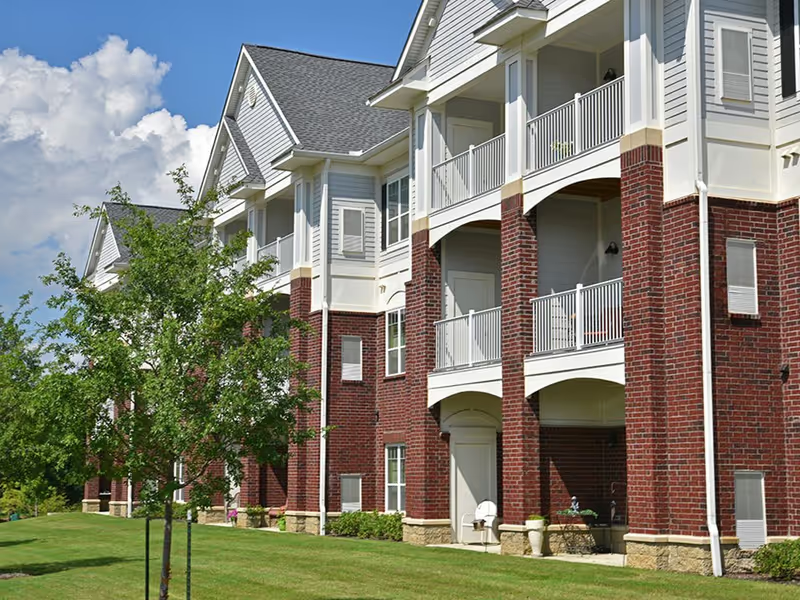
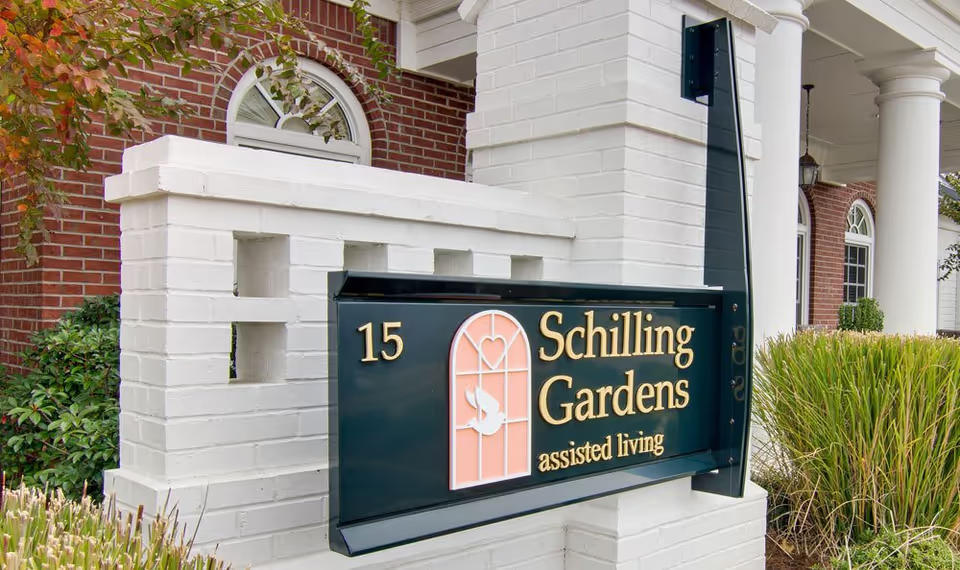
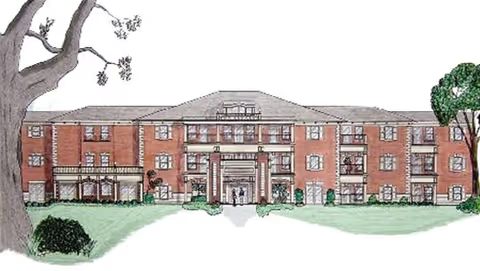
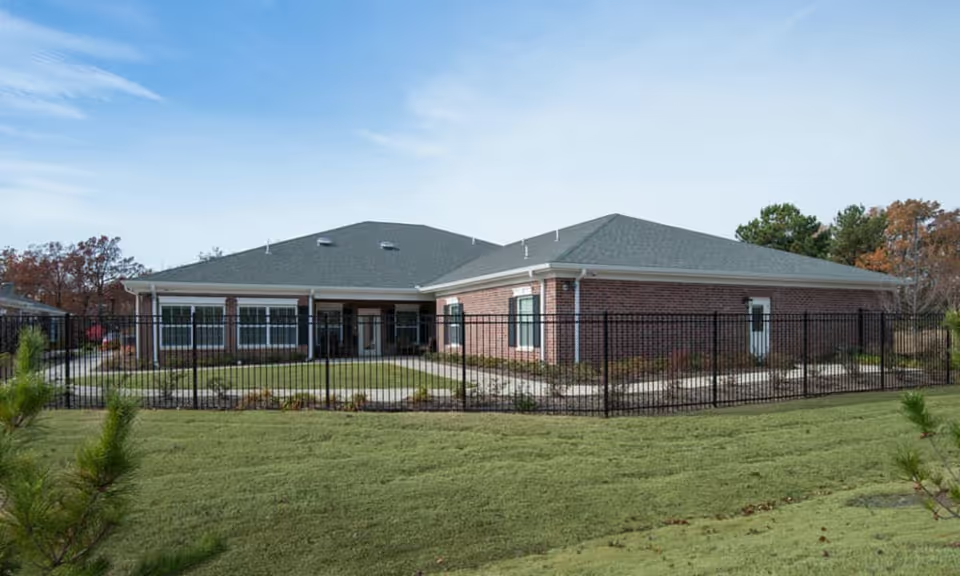
Facility and environmental observations are generally positive regarding maintenance and amenities; the facility itself is described as well kept. At the same time, some reviewers noted environmental comfort issues, particularly areas perceived as cold, which can affect resident comfort and require facilities management attention.
Management and administrative processes are a notable area of concern. Multiple comments point to weak leadership engagement with residents and families, unresponsiveness from administration, and failures to follow through on administrative tasks such as benefits or VA paperwork. There are also references to complaints being escalated to oversight, suggesting that the facility’s complaint-resolution and regulatory communication processes may be inconsistent.
Overall pattern: the facility demonstrates operational strengths in its physical environment and baseline clinical capability, but these are offset by recurring operational and relational weaknesses—primarily inconsistent responsiveness, limited resident-centered care practices, gaps in therapy effectiveness, and uneven administrative follow-through. Prospective residents and families should weigh the facility’s strong infrastructure and clinical resources against documented concerns about communication, cultural sensitivity, pain-management outcomes, and management responsiveness. If considering this provider, families may want to probe current staffing practices, therapy protocols for pain, mechanisms for soliciting resident preferences, temperature controls, and the facility’s process for completing and tracking important administrative paperwork.