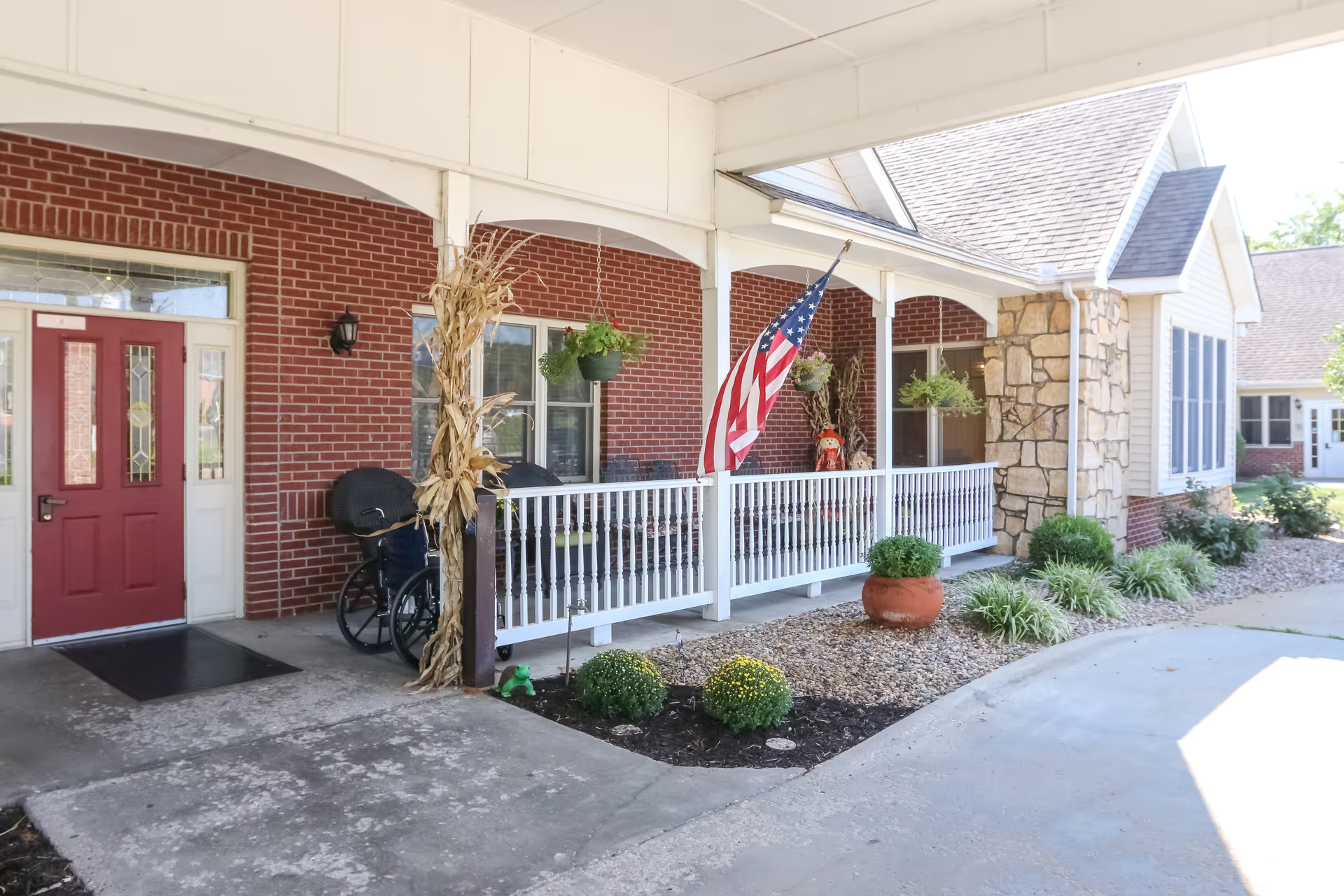
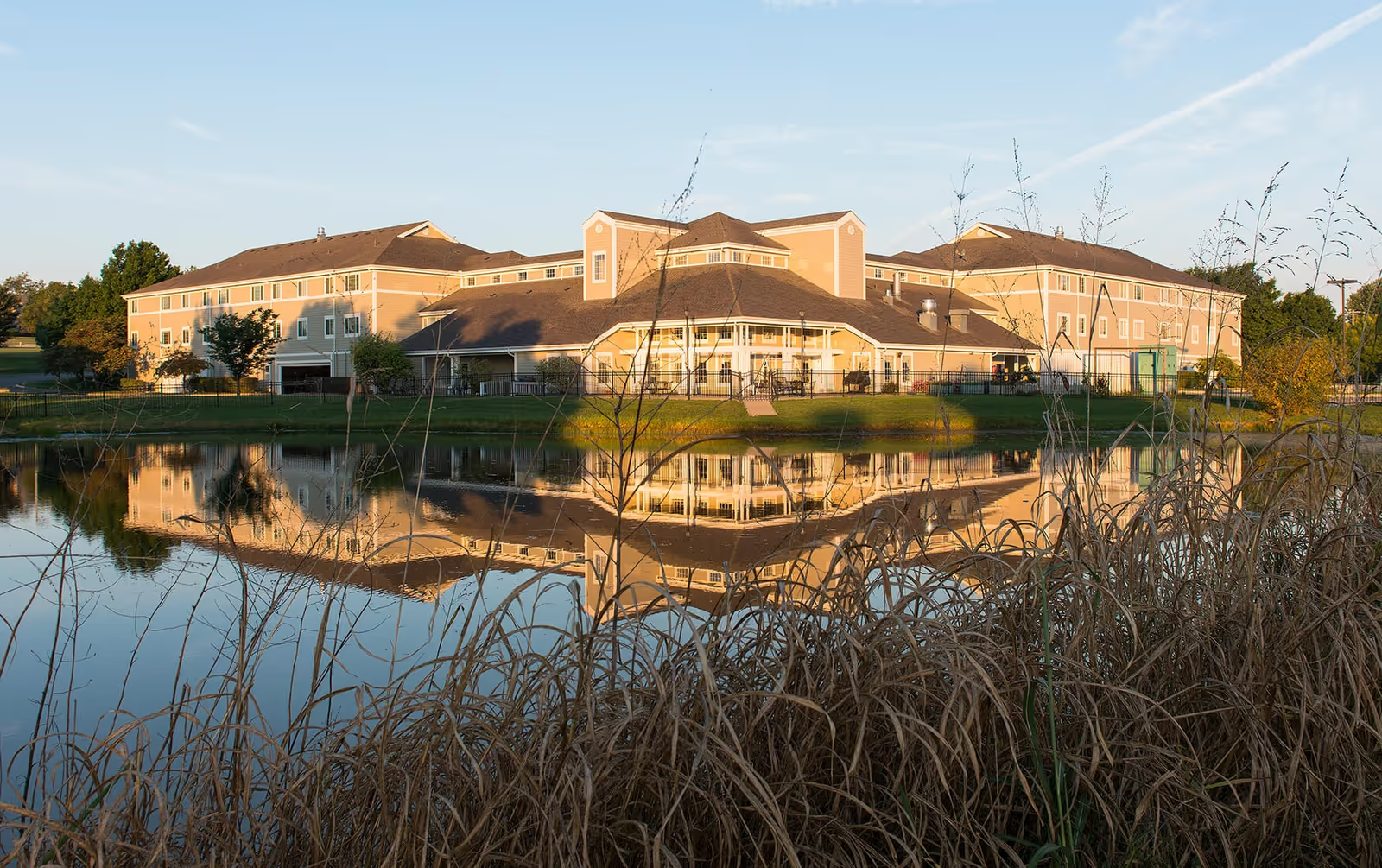
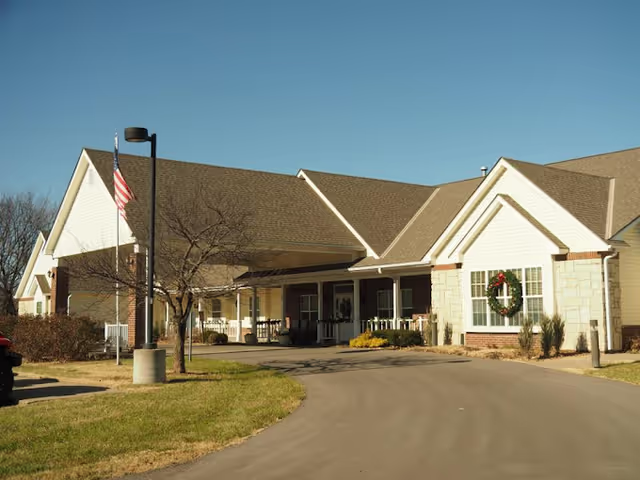
Overall impression: Reviews present a generally positive view of Butler Rehab and Healthcare Center with repeated praise for its therapy capabilities, compassionate staff, and home-like environment. Many families and former residents emphasize strong rehabilitation outcomes, an energetic activity program, and a multidisciplinary approach that includes nursing leadership, CNAs, therapy, dietary, and ancillary staff. Administrative responsiveness and recent management engagement are noted as strengths by multiple families.
Care quality and staffing: The facility’s rehabilitation and therapy services are consistently described as effective and professional; therapy staff and rehab workers receive frequent individual praise for preparing residents to return home. Clinical strengths also include infection-prevention practices and effective support for hearing-impaired residents. At the same time, reviewers describe variability in nursing and aide performance and identify inconsistent staffing levels—with weekends highlighted as a recurring concern. Several families described fall-related events that resulted in emergency care and extended hospitalization; these accounts suggest gaps in fall-prevention and transfer-safety processes and warrant specific inquiry during a tour. Additional operational issues cited include occasional lapses in care coordination, missed tests or documentation miscommunications, and medication-chart discrepancies.
Dining, activities, and daily life: Dining is generally viewed positively—meals are described as good and dental/personal-hygiene attention is noted. Activity programming receives strong marks: music, dancing, and personalized engagement contribute to a lively, resident-centered atmosphere that supports social connection and dementia-friendly routines. Many families describe a welcoming, family-like culture with staff who know residents’ preferences and provide individualized attention.
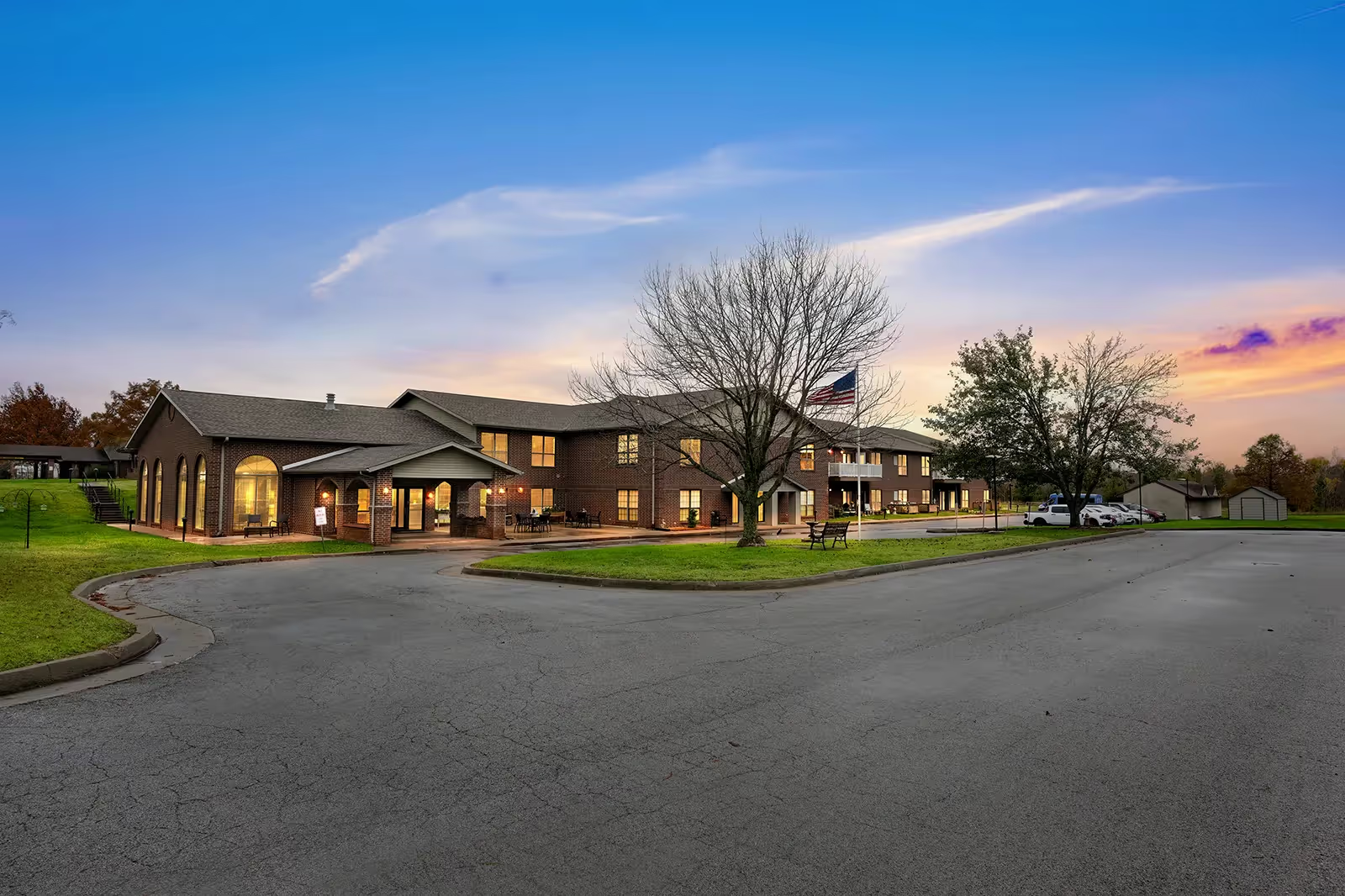
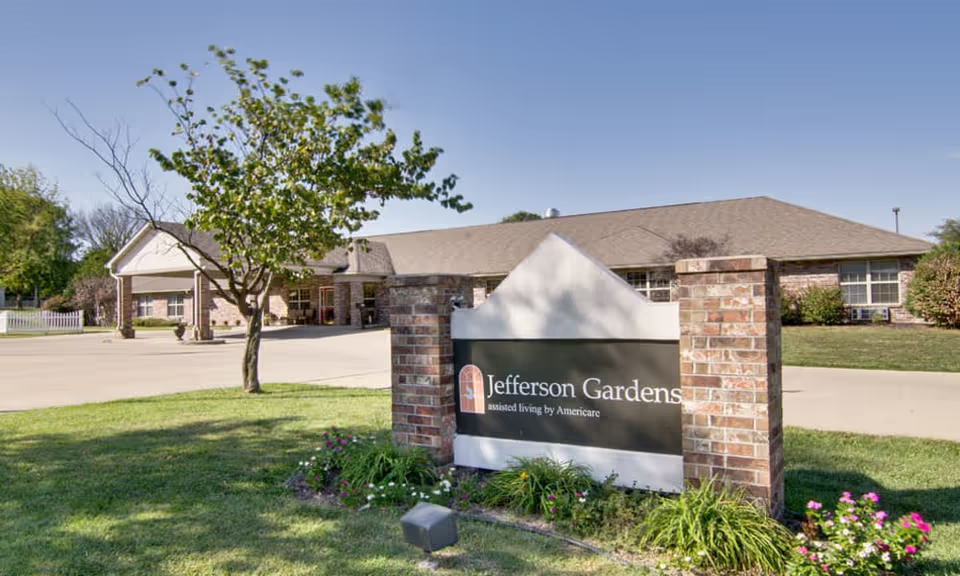
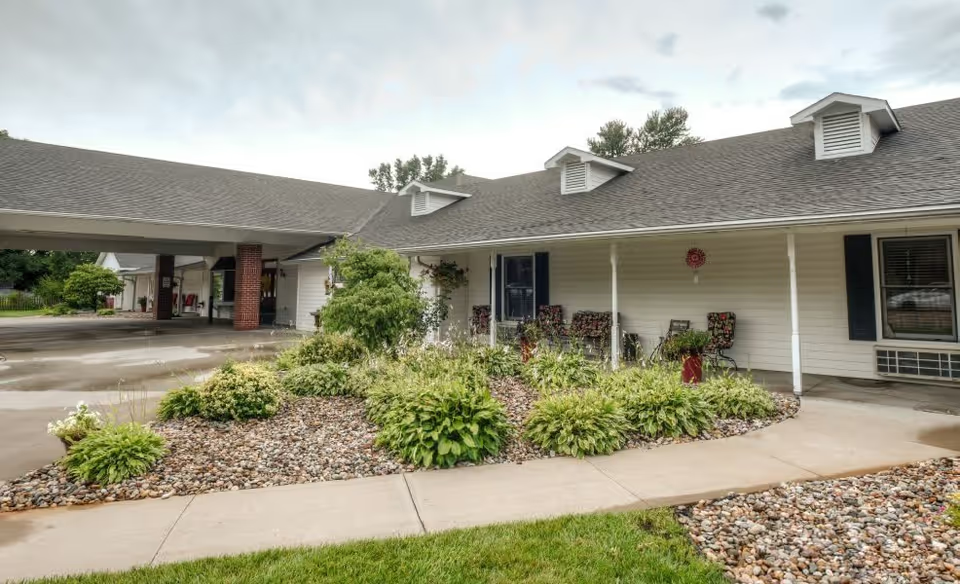
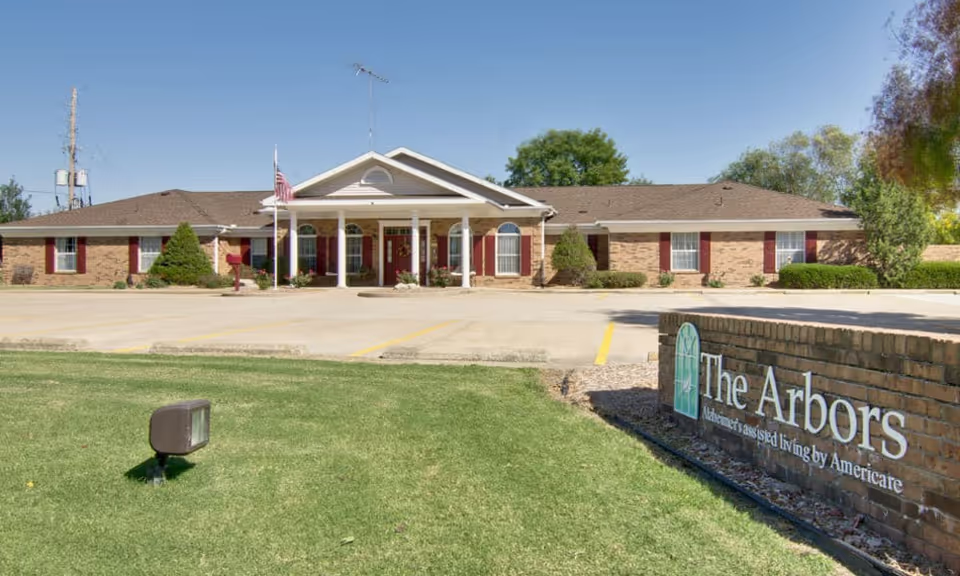
Facilities and cleanliness: Many reviewers praise the facility as clean, well-kept, and comfortable; housekeeping and environmental staff are often singled out. However, there are intermittent sanitation concerns reported, including odor issues in some areas and isolated surface-cleaning problems. Prospective families should observe resident rooms, common areas, and bathrooms during a visit and ask about housekeeping and pest-control protocols.
Management and communication: Administrative staff receive mixed but generally favorable comments—some families describe smooth admissions, helpful coordination, and recent positive changes under new management or corporate support. Others report inconsistent family communication, delayed updates, or needs for improved coordination between shifts and departments. Several reviews attribute some operational problems to staffing constraints and staff compensation pressures, suggesting that workforce stability impacts day-to-day consistency.
Notable patterns and advice for families: Strengths cluster around rehabilitation, therapy, infection prevention, and a resident-focused, home-like culture with engaging activities. Areas that recur as concerns are staffing consistency (especially weekends), fall-prevention practices, incontinence-care timeliness and associated sanitation/odor issues, and occasional gaps in documentation or family communication. When evaluating the facility, families should observe staffing levels during different shifts (including weekends), ask about fall-prevention protocols, review care-coordination and medication-documentation practices, and request examples of how the facility handles incident notification and follow-up. These targeted questions can help verify whether the facility’s strong rehabilitation and culture are matched by consistent operational practices in clinical care and resident support.