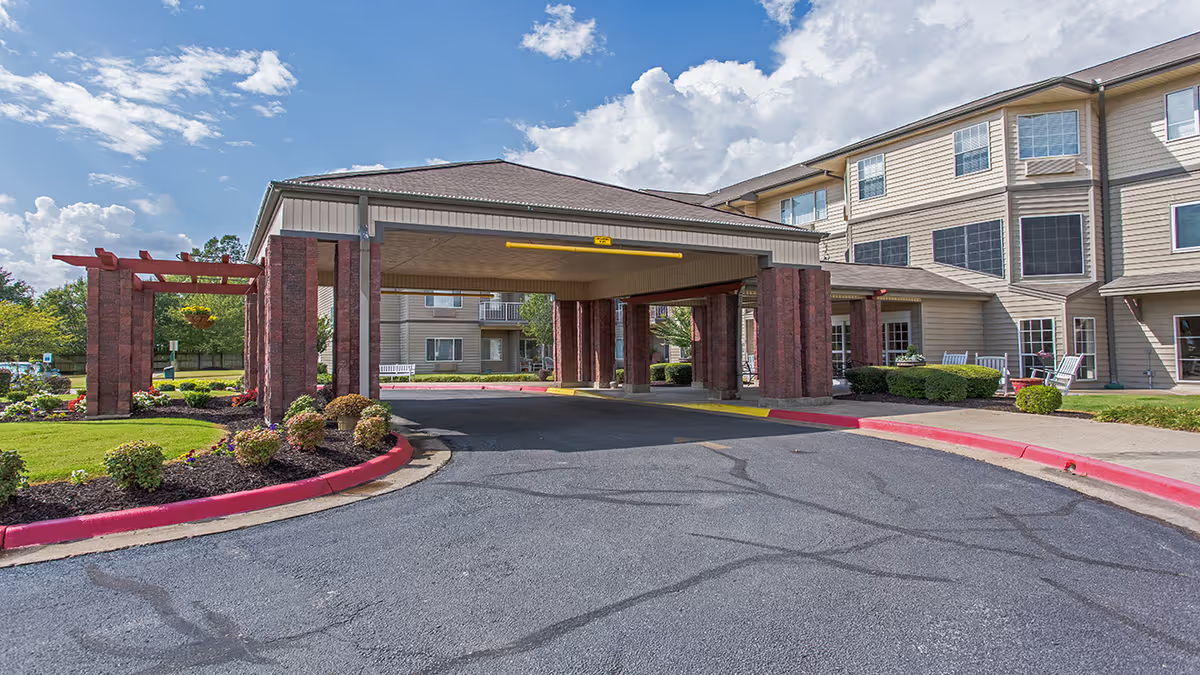
The reviews present a mixed picture of General Baptist Nursing Home. Several families describe a positive initial experience — a welcoming admission, friendly staff, active programming, and clean common areas — and some note clear improvement following a management change. Volunteer and intergenerational activities are repeatedly cited as a strength, and a number of reviewers single out particular staff members and administrative contacts as caring and effective. These positives suggest the facility can provide an engaging social environment and competent routine operations for some residents.
Care quality observations are divided. Positive accounts emphasize compassionate interactions and competent nursing by particular staff members. However, a substantial number of concerns cluster around care for residents with cognitive impairment: families describe uneven practices in the memory-care unit, behavior-management challenges, and situations where clinical needs appeared to exceed the level of supervision provided. There are also multiple accounts of failures in timely assistance for toileting and personal care; characterize these as incontinence-care delays and inconsistent hygiene assistance rather than isolated incidents. A few reviewers described declines in care after acute events (for example, after a stroke) and perceived pressure around discharge timing.
Staffing and staff conduct are recurring themes. While many reviewers praise individual caregivers and note friendly day-shift staff, others report inconsistent staffing levels, limited overnight supervision, and concerns about staff responsiveness to calls for help. There are also comments indicating problematic staff conduct and inconsistencies in medication- and behavior-management approaches; these are best understood as concerns about staff conduct and behavior-management practices rather than single allegations. Additionally, several reviewers raised issues around personnel management and HR decisions that families found troubling.
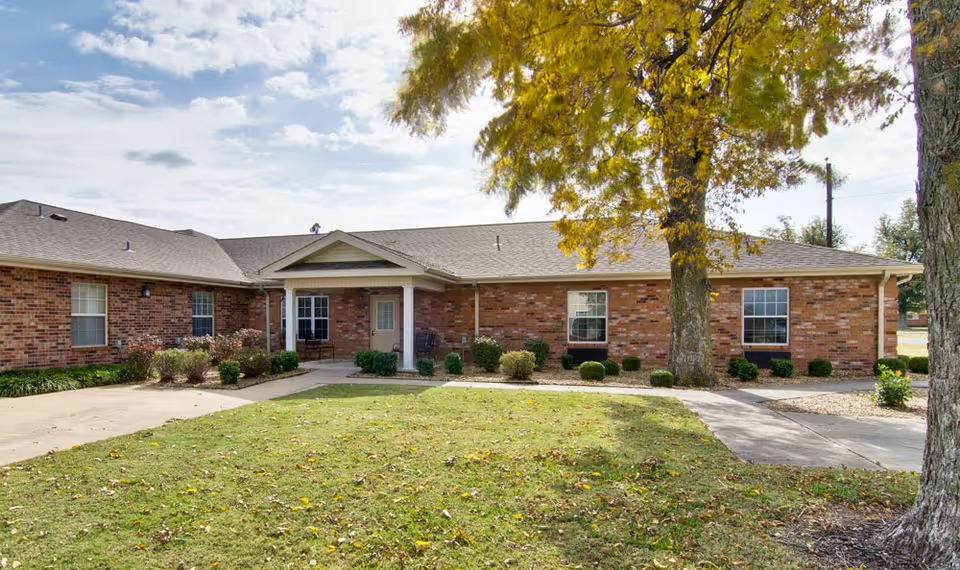
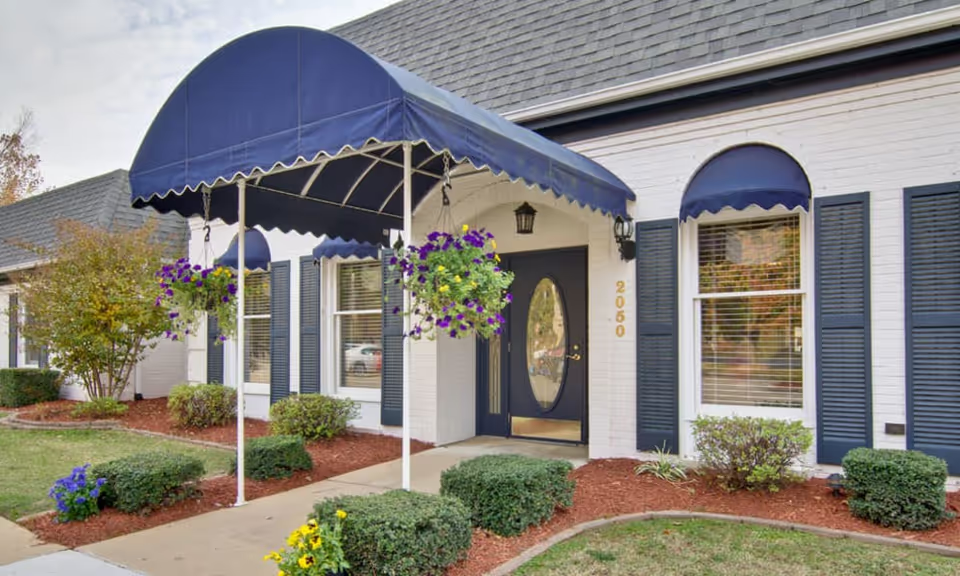
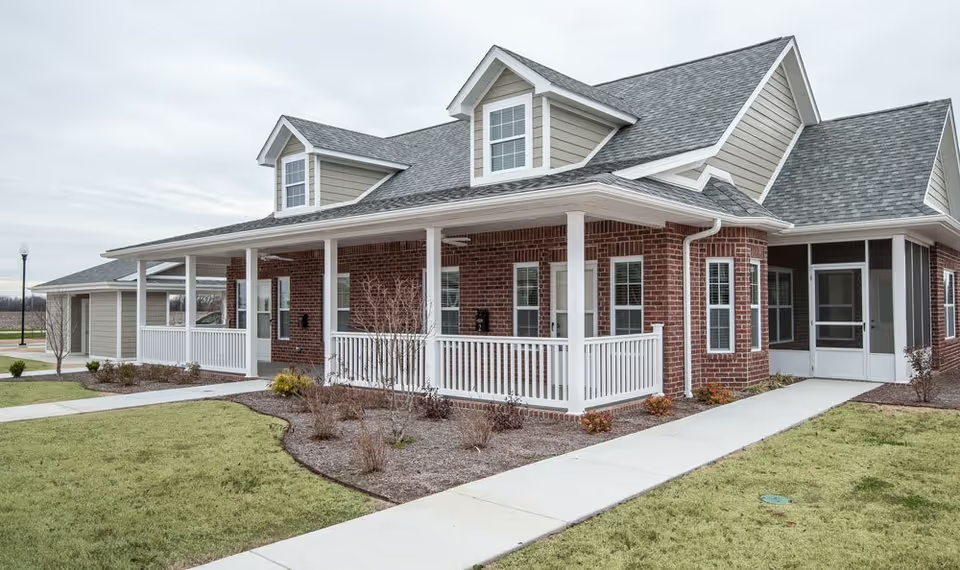
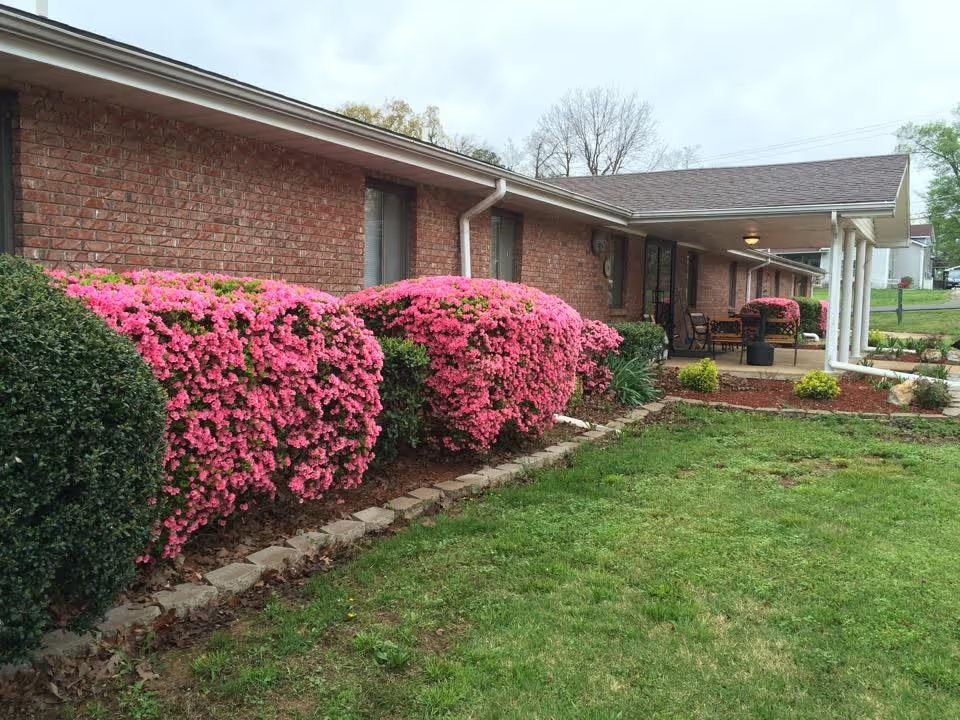
Facility and operations feedback is likewise mixed. On the positive side, common areas are described as clean and the facility runs smoothly at times, with activity programming and family interactions functioning well. Conversely, reviewers point to maintenance problems (including water damage and other signs of physical deterioration) and operational gaps such as security and personal-property protection. Dining is not frequently described in detail in the available summaries, so no clear pattern on food quality emerges from these comments.
Management and communication present a split impression. Some families commend the current administration for being welcoming, organized, and effective, and several accounts note improved experiences after management changes. Other reviewers describe difficulties getting timely communication from leadership, avoidance of follow-up, and a perception that administrative decisions (including discharge planning and personnel actions) were handled poorly. These contrasting reports suggest variability in administrative responsiveness over time or by department.
Notable patterns for prospective residents and families: 1) activity programming and certain staff/administrative contacts can be strong assets; 2) memory-care and overnight supervision appear to be the most consistent areas of concern and merit specific questions during tours and care-planning meetings; 3) maintenance and security practices should be inspected in person; and 4) ask about staffing ratios, call-response times, discharge-planning criteria, and HR policies to clarify how the facility manages the operational issues raised by reviewers. Overall, the facility shows areas of genuine strength alongside operational and clinical consistency issues that should be explored directly with management before placement.