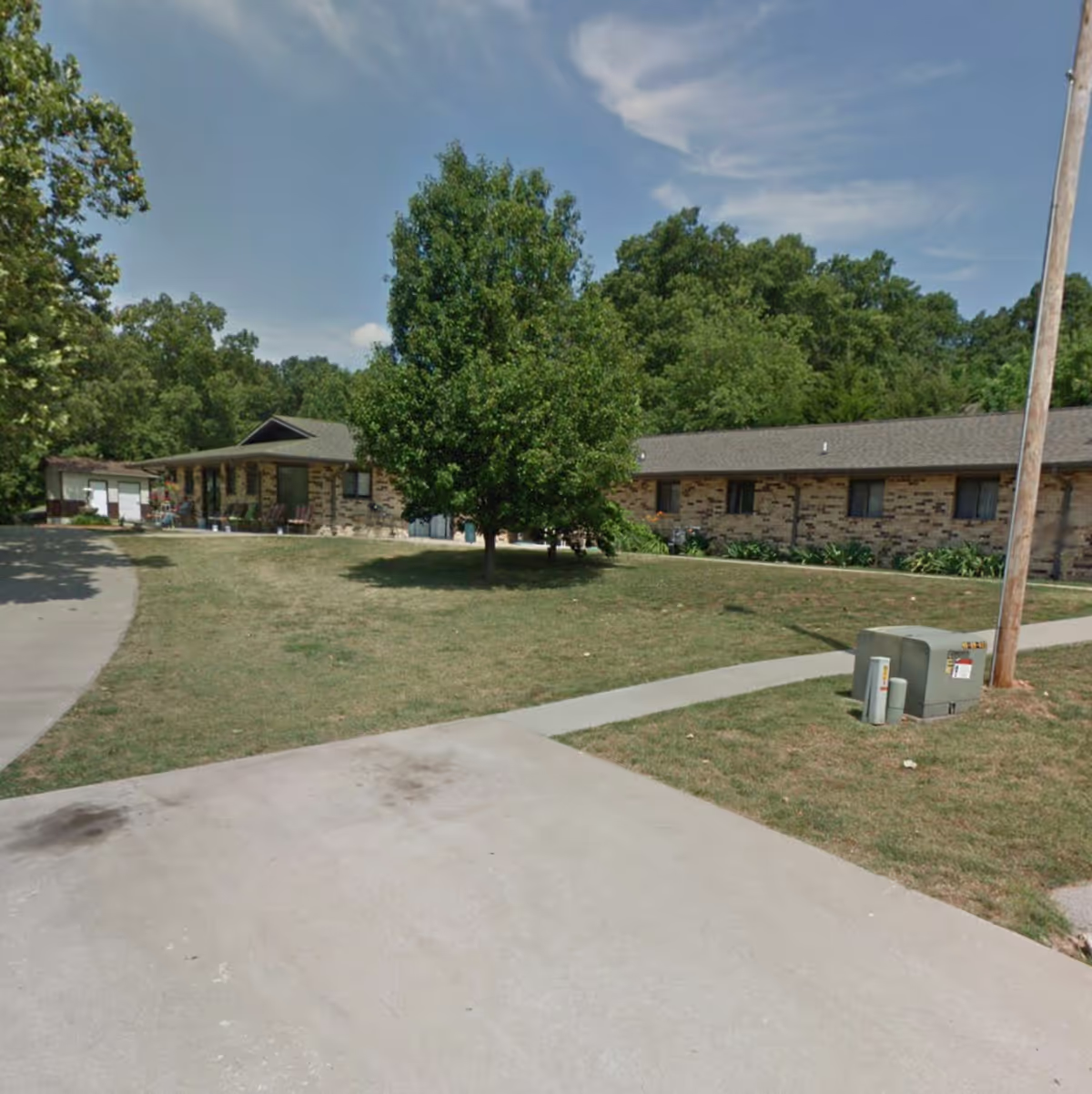
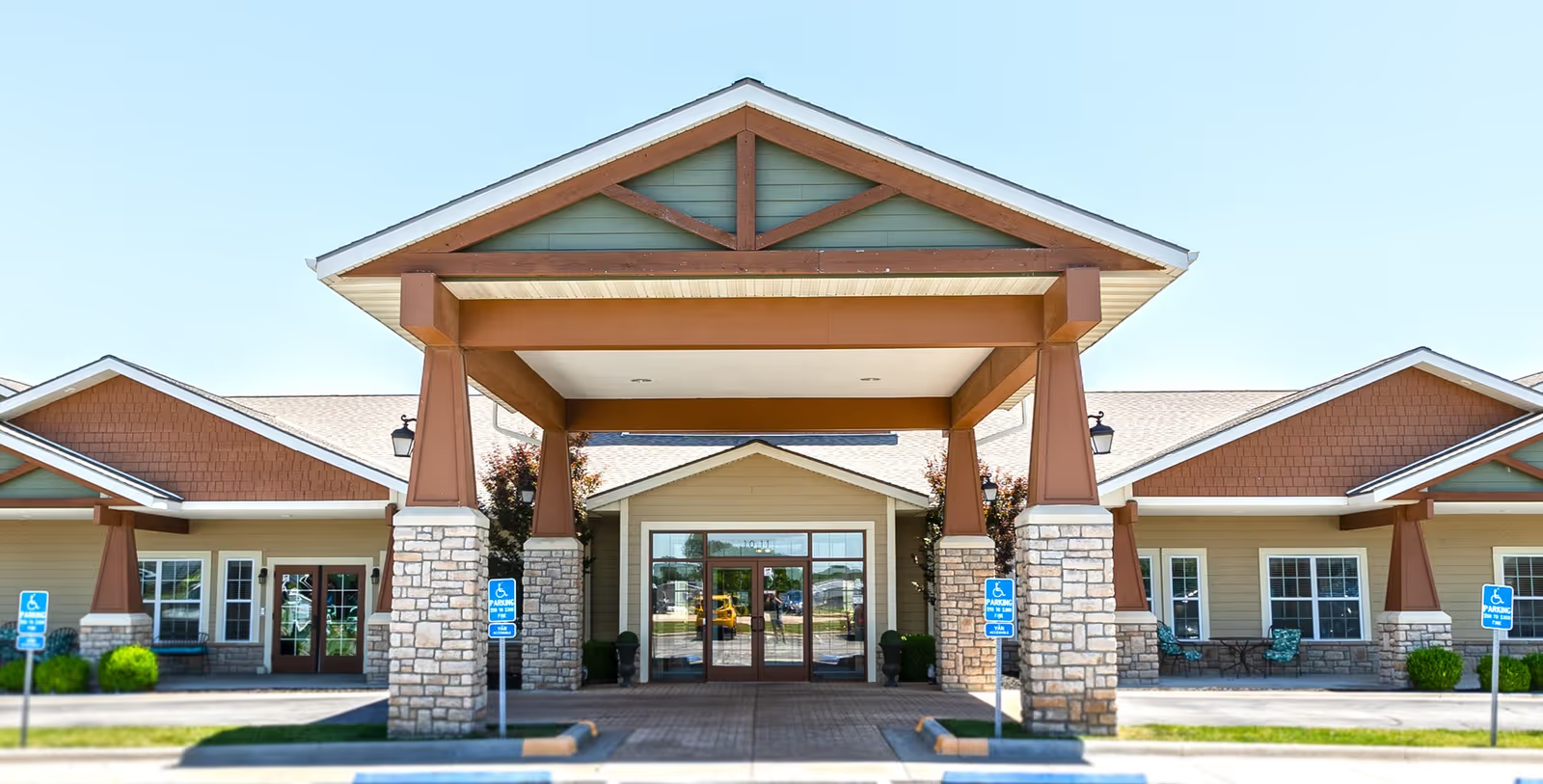
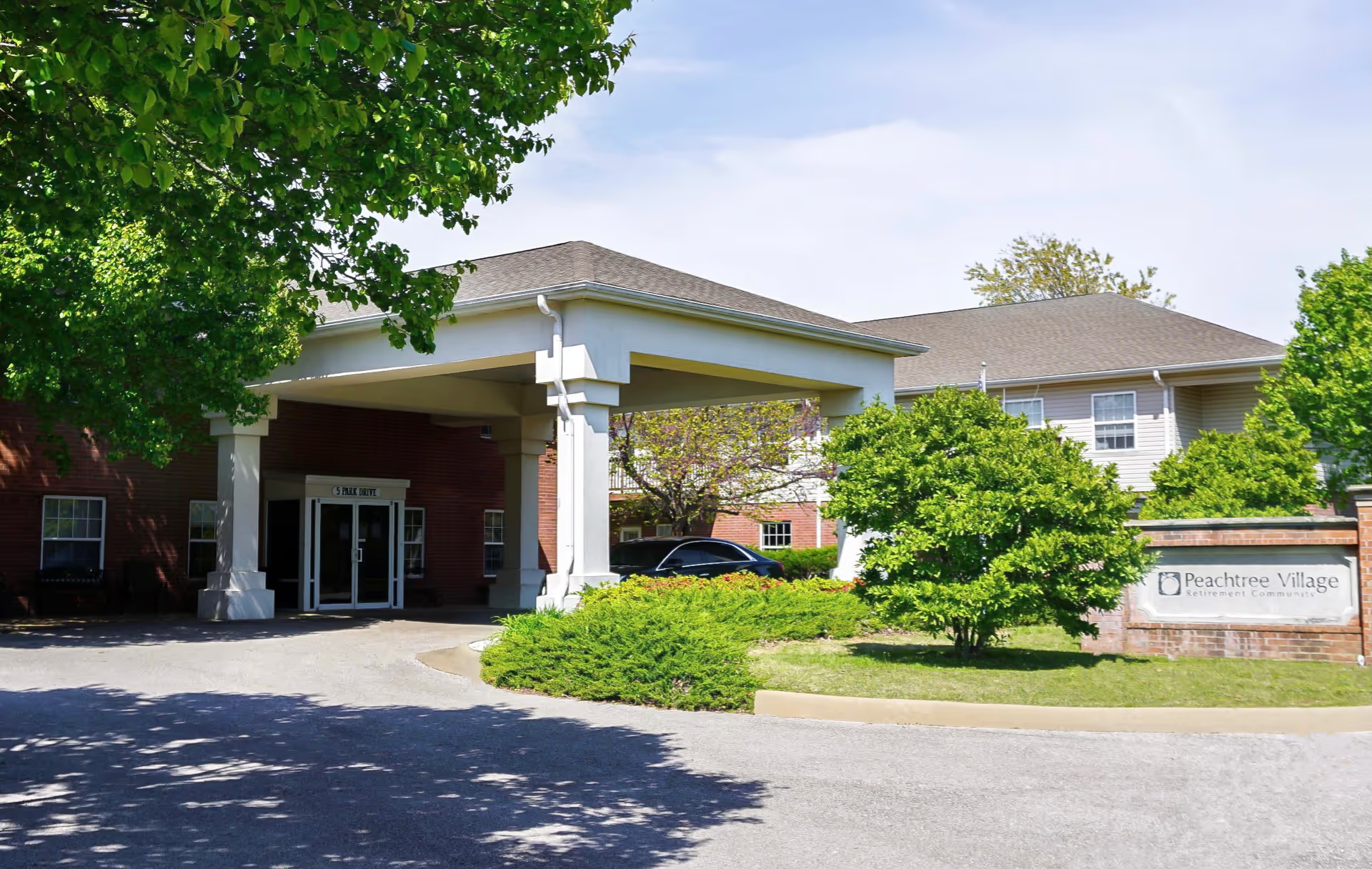
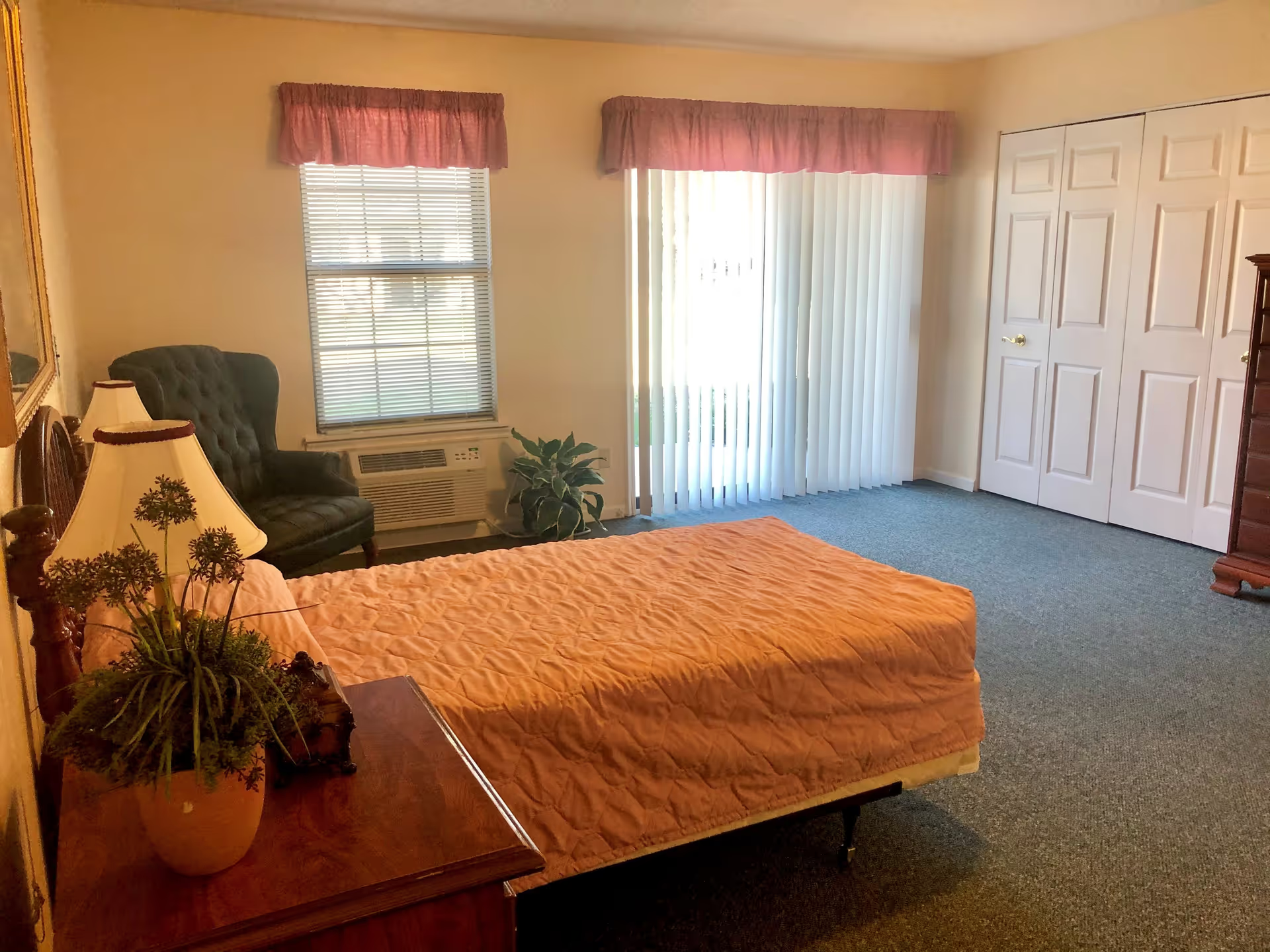
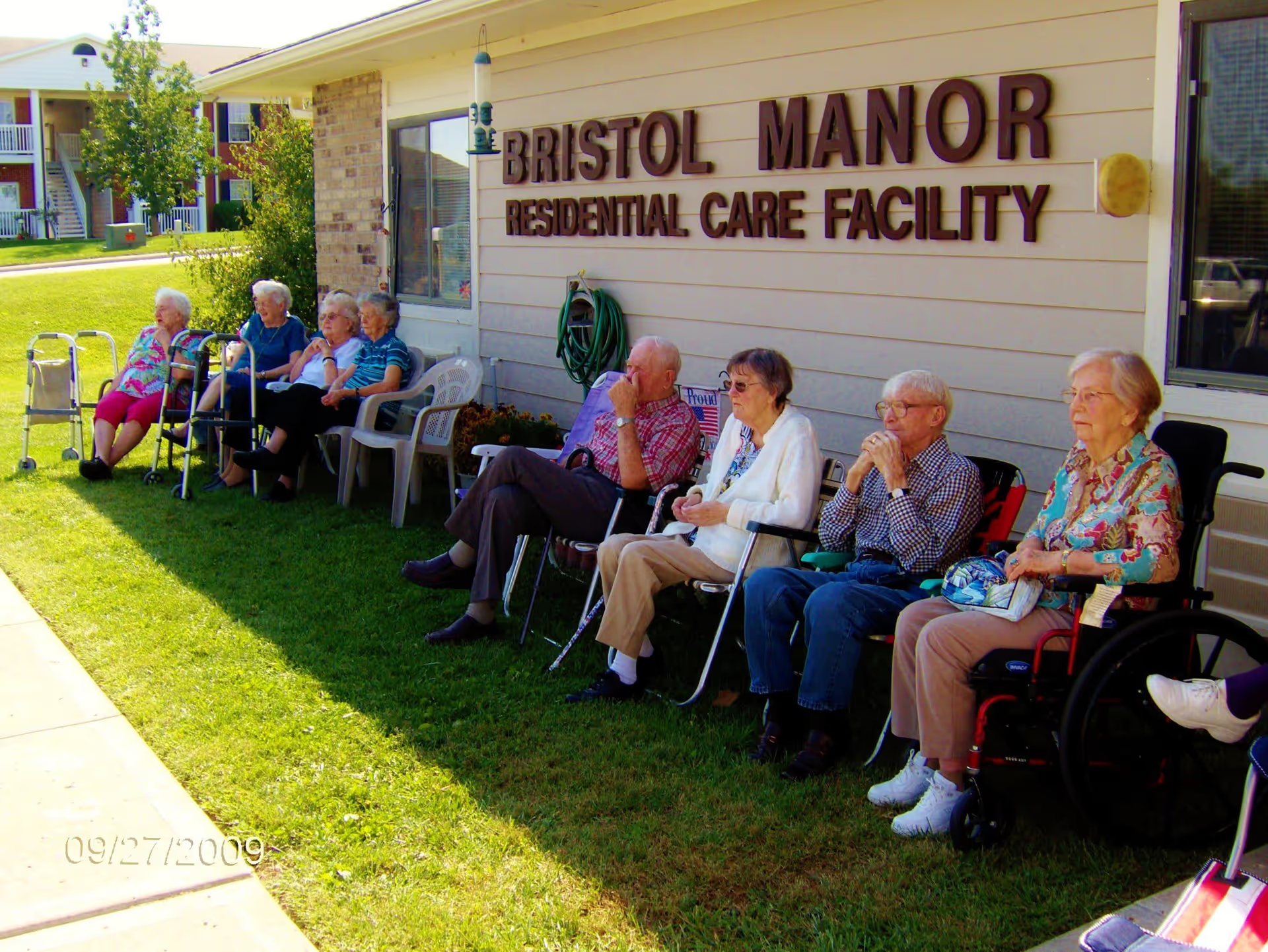
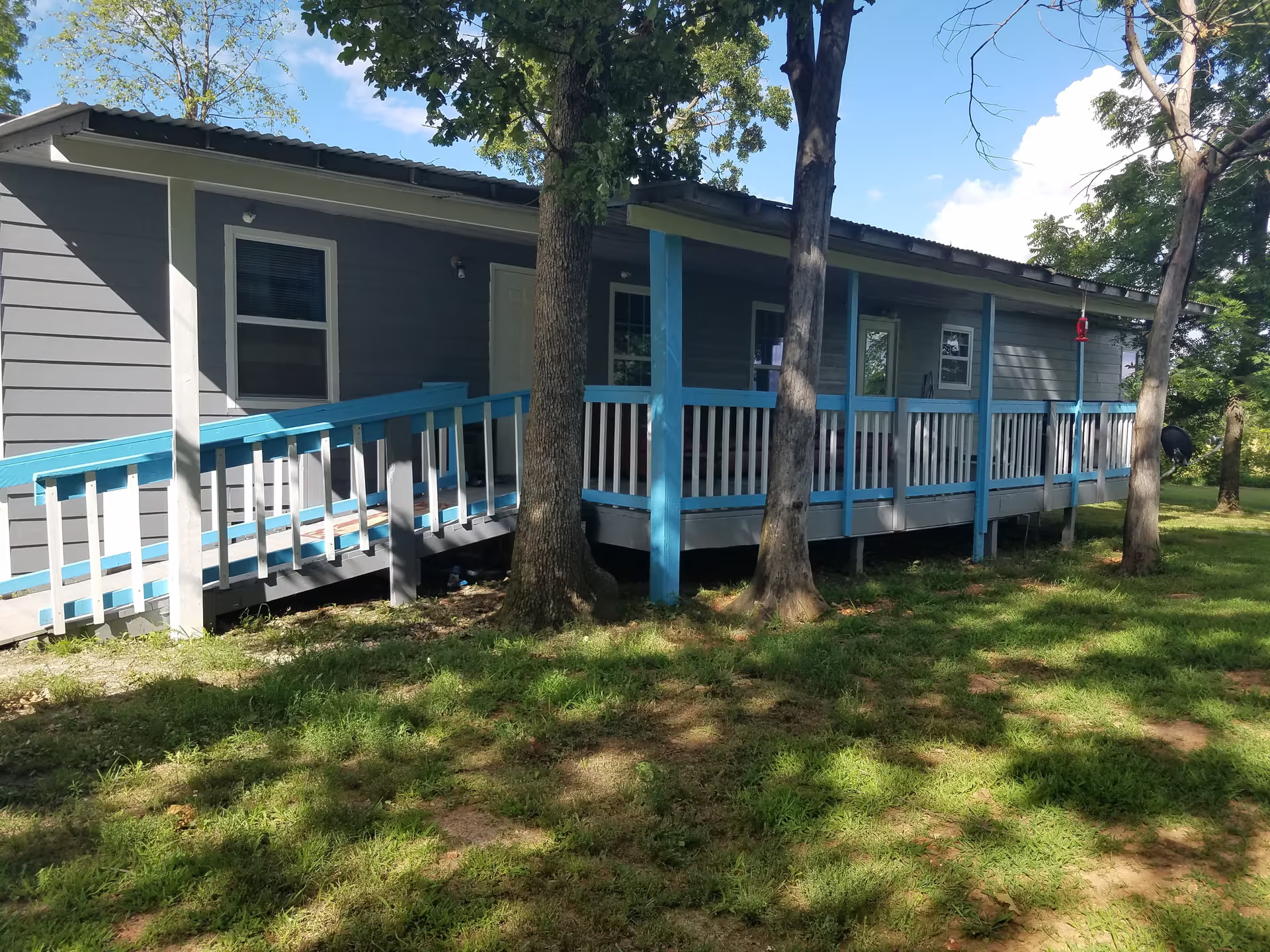
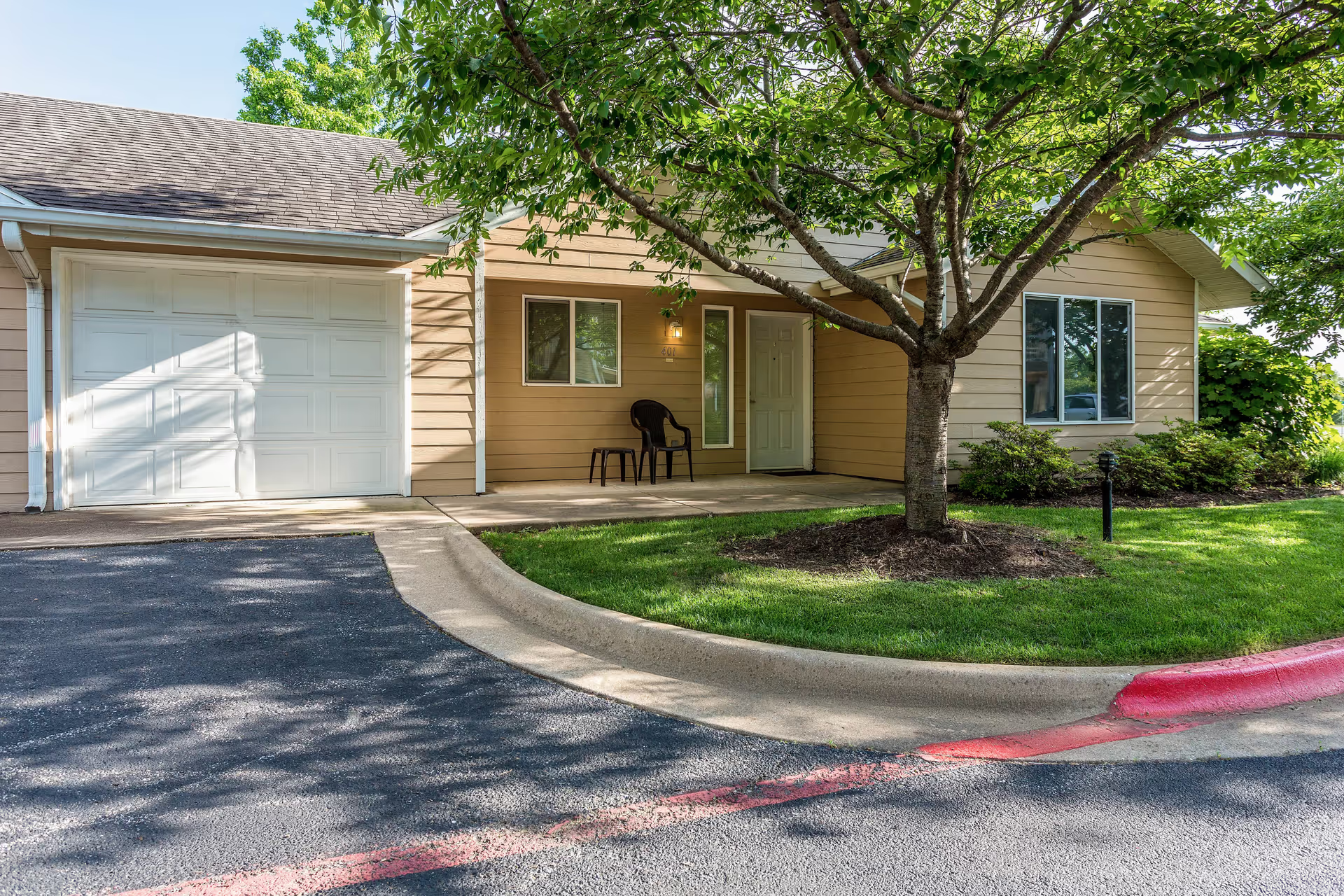
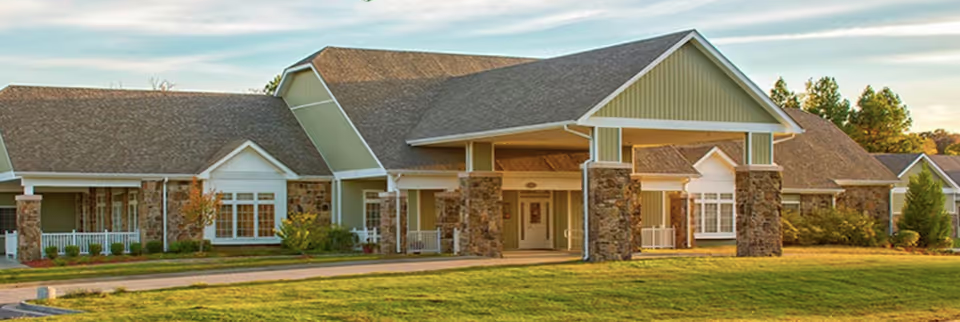
This facility elicits sharply contrasting impressions. Many accounts emphasize strong clinical strengths: experienced physicians and nurses, compassionate caregiving, and a small, family-like culture in which staff often provide personalized attention and remember residents and families. The rehabilitation department and therapy outcomes receive specific praise, and social programming (including communal dining in two dining rooms and board-game activities) is viewed as contributing to a safe, engaged environment for some residents. Recent capital improvements — new flooring, improved lighting, updated fire-protection systems, modern technology and a large multimedia display — are consistently described as enhancing common areas and resident amenities.
Dining and daily living receive generally positive comments: food quality is commonly described as good, with attention to dietary requirements. Several reviewers highlight an organized interior and clean common spaces, reinforcing the facility’s homelike character and smaller scale compared with large-chain alternatives.
Counterbalancing these strengths are recurring operational concerns. Staffing levels appear inconsistent; short-staffing and variable performance between shifts (particularly night shift demeanor and responsiveness) are described. Aides’ conduct and training are uneven, which intersects with delays in attending to resident needs and inconsistent bathing and incontinence-care processes. These operational gaps have been linked by reviewers to family-level anxiety about timeliness and quality of basic care.
Sanitation and maintenance issues are another notable pattern: some descriptions point to localized sanitation and odor concerns, pest-control needs in certain rooms, and infrastructure problems such as flickering lights or older-building deficiencies. There are also mentions of lapses in clinical-incident documentation and follow-up, as well as weaknesses in personal-item security and tracking. Several accounts express frustration with management communication and an unresponsive administrator when families raised concerns.
Taken together, the body of feedback suggests a facility with meaningful strengths in clinical skill, rehabilitative care, dining, and recent physical upgrades, but with operational vulnerabilities that affect consistency of daily care and family confidence. Prospective residents and families should consider an in-person tour focusing on current staffing levels and shift coverage, housekeeping and pest-control protocols, incident documentation practices, hot-liquid and transfer safety measures, and the procedure for securing and tracking personal items. Asking for examples of recent quality-improvement actions and speaking with day and night shift staff may help clarify whether the facility’s positive attributes are being sustained consistently across all units and times of day.