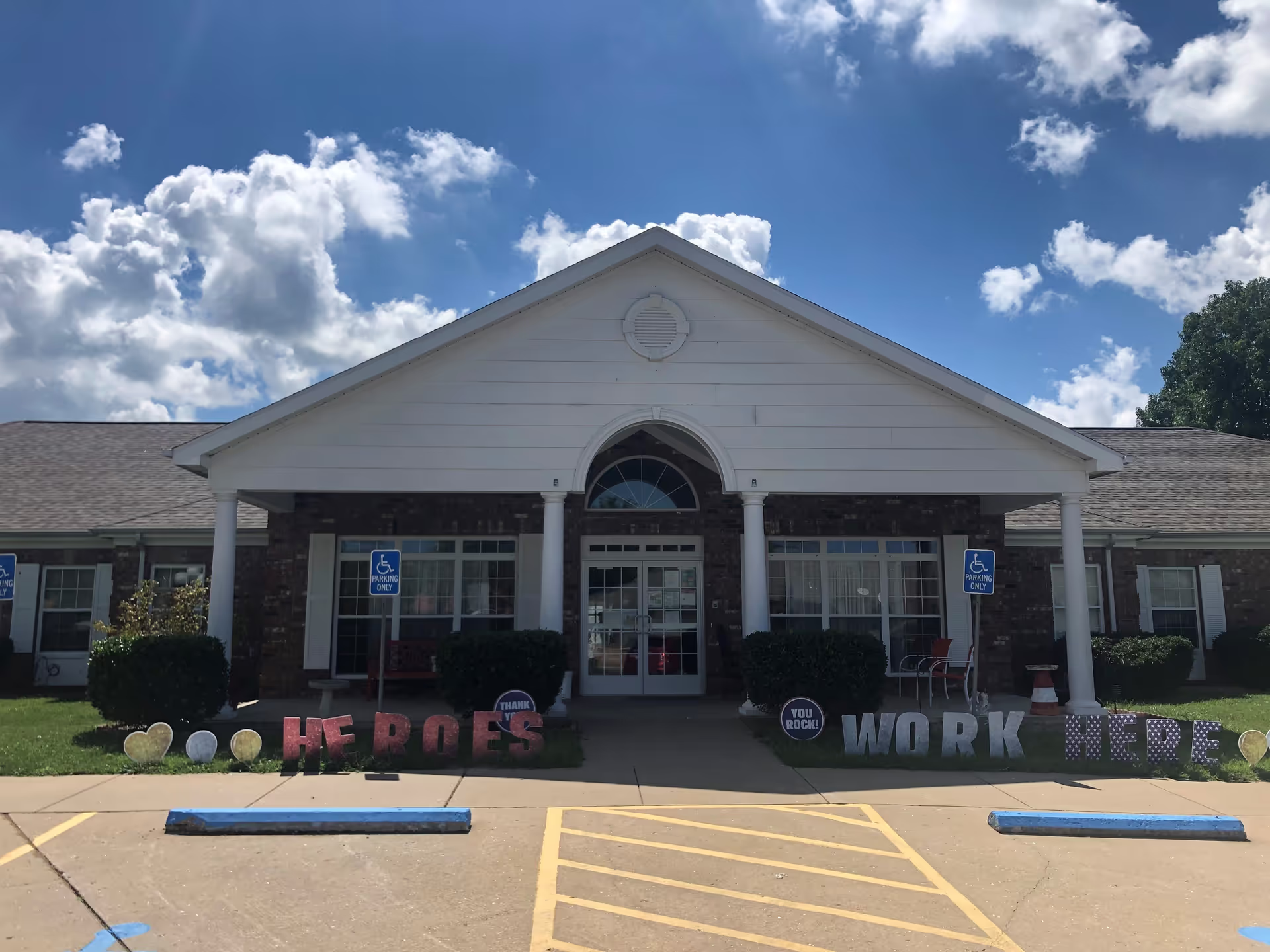
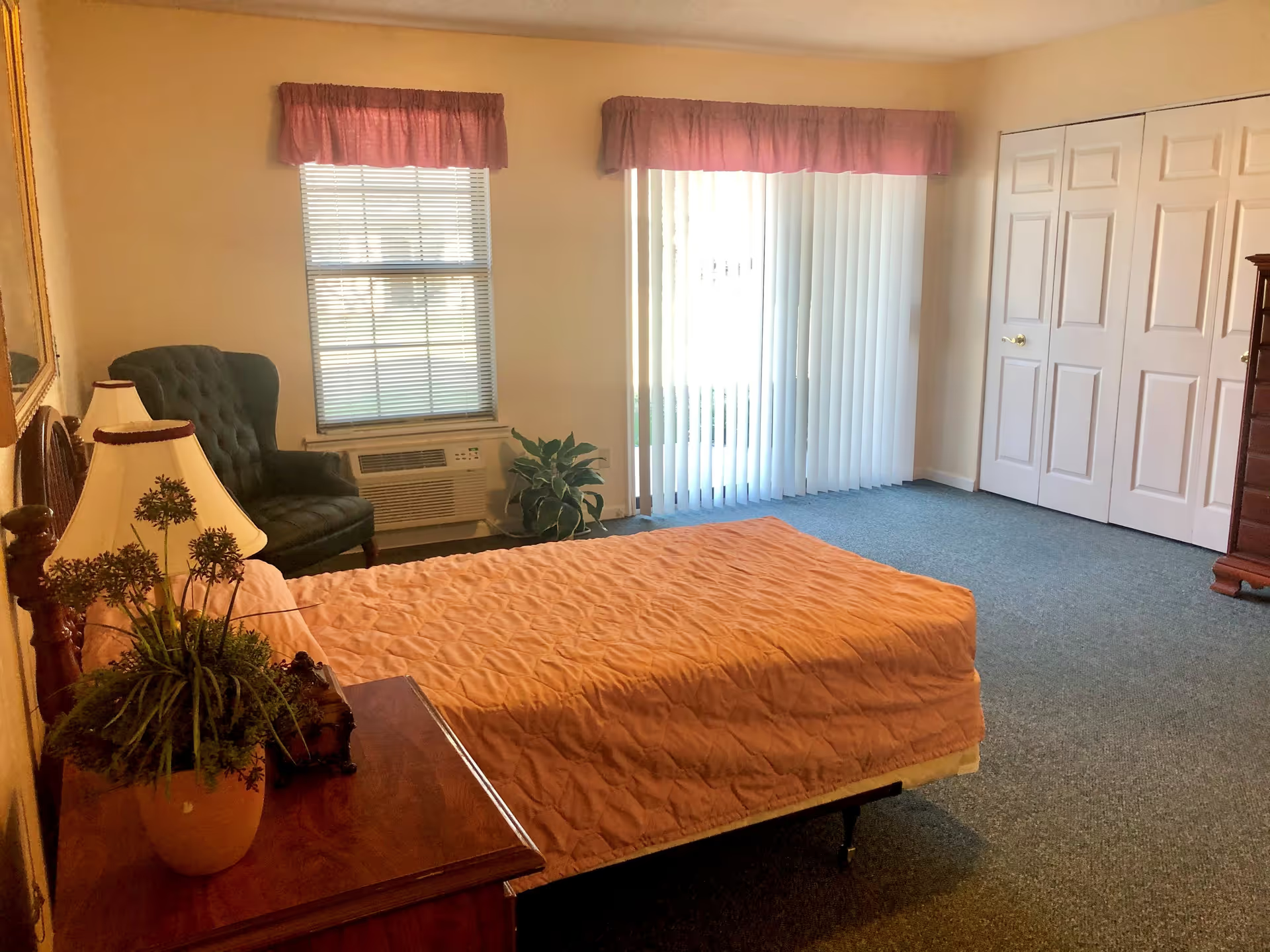
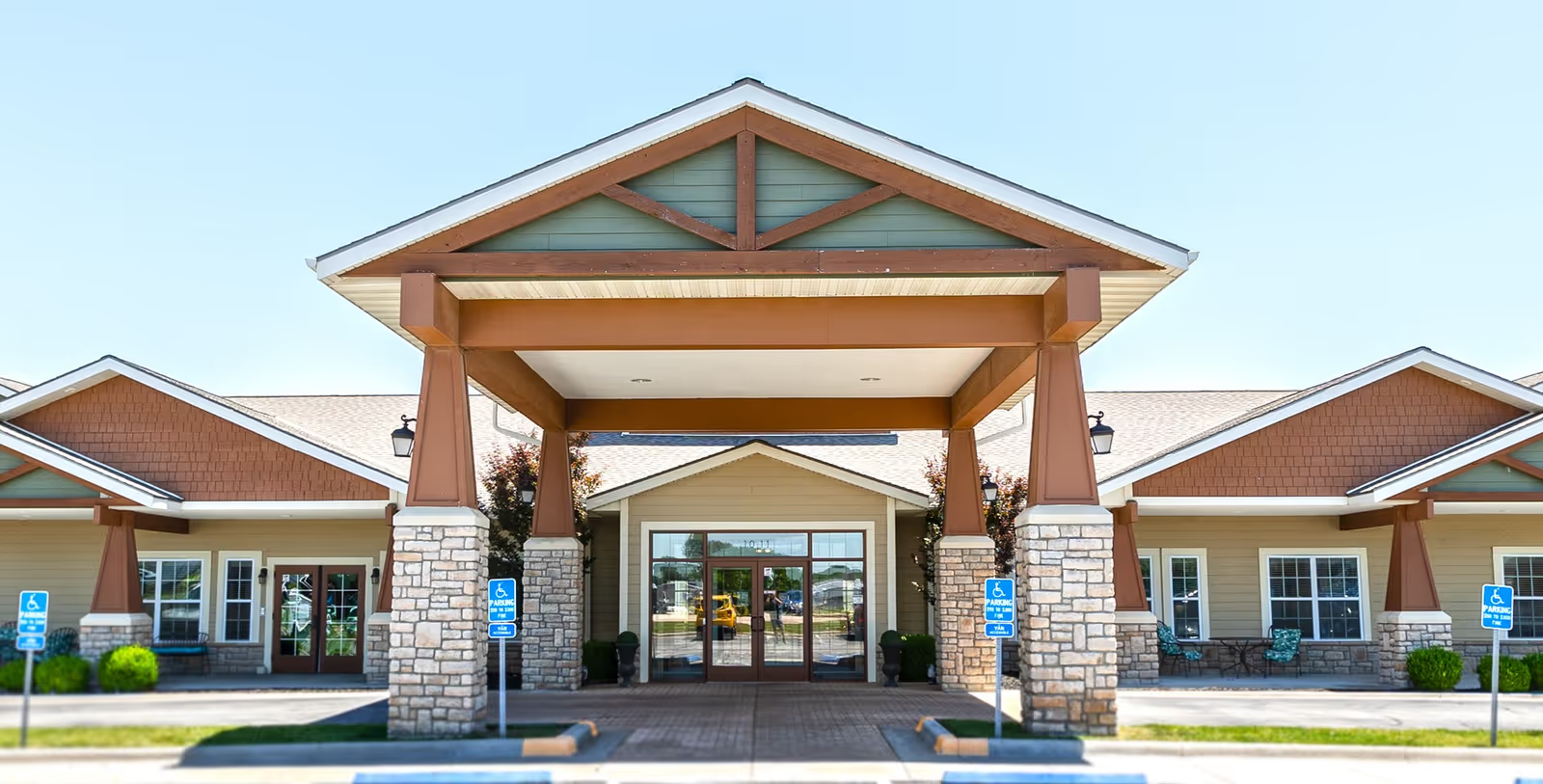
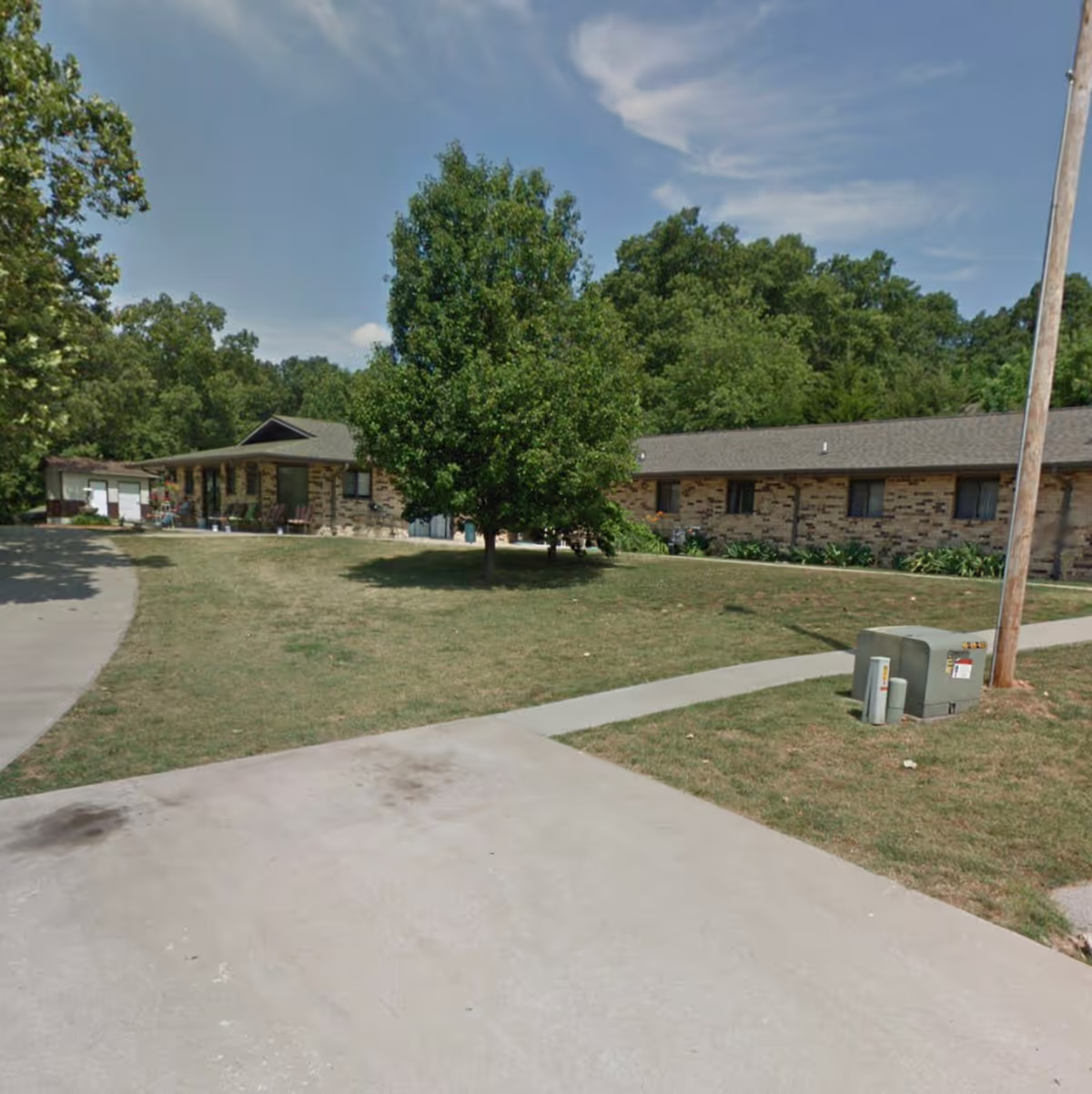
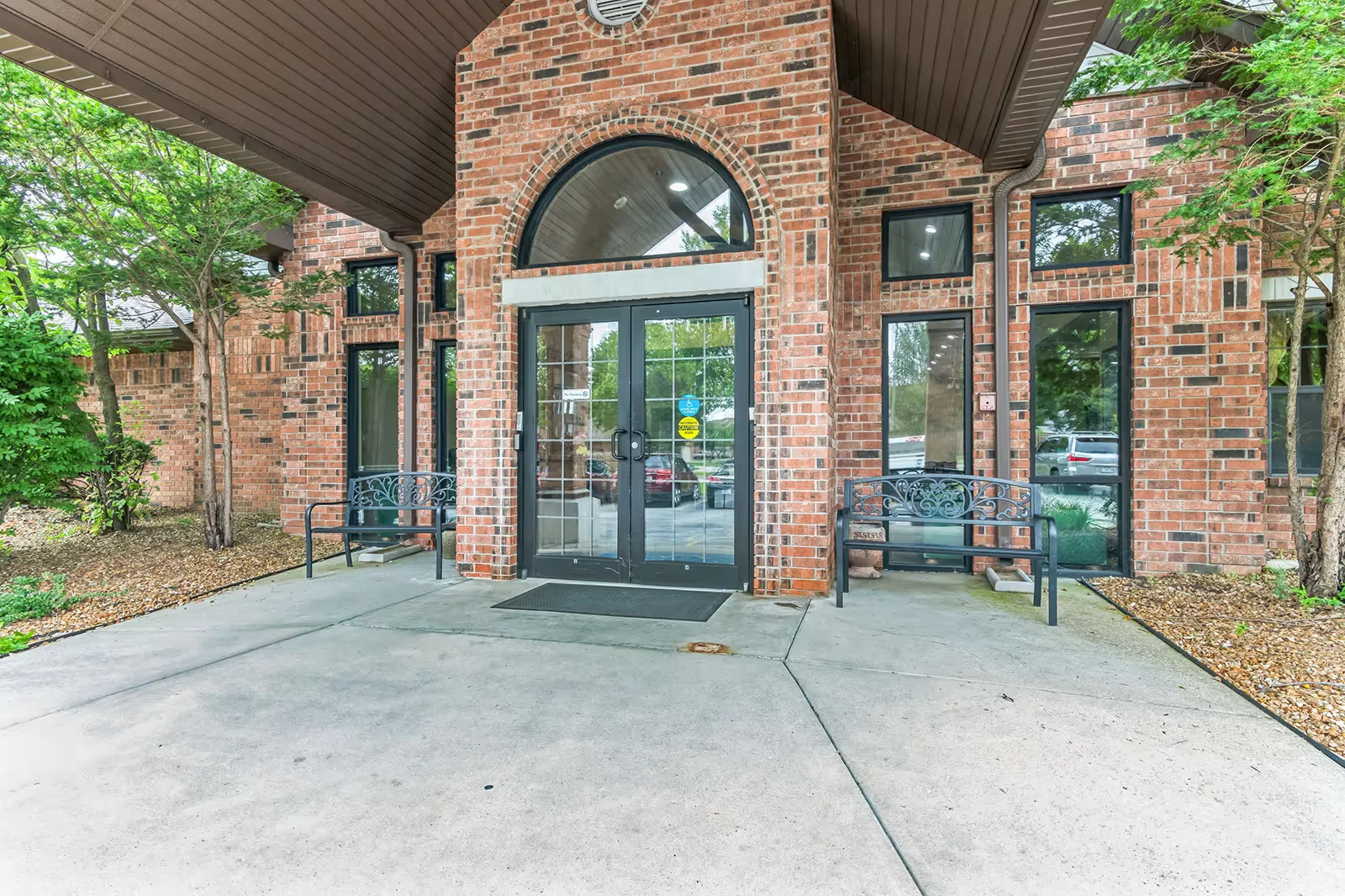
The Good Samaritan Assisted Living Facility is described consistently as a small, family-run residence with a home-like, rural atmosphere. Reviewers emphasize a calm, farm-setting environment with outdoor spaces and front-porch areas that contribute to a peaceful country feel. Physical accommodations are generally characterized as private and comfortable, with private rooms and bathrooms, pleasant décor, and cleanliness. The facility is explicitly pet-friendly, with multiple mentions that residents may keep a cat, which reinforces the domestic, non-institutional character.
Care quality and staffing are strong recurring themes. Families describe a compassionate, attentive staff and hands-on owners who provide personalized, family-style caregiving. Specific owners and managers are named positively for their involvement and accessibility. Staff are portrayed as patient, kind, and responsive to families, and reviewers cite close supervision for residents with memory impairment. Several accounts also note supportive end-of-life presence and bereavement support from staff.
Dining is a notable strength: reviewers report homemade meals prepared from scratch, plentiful portions, and pleasant taste. Meals are described as home-cooked and comforting, with snacks available. The overall dining experience is presented as a component of the homelike model rather than a commercial kitchen approach.
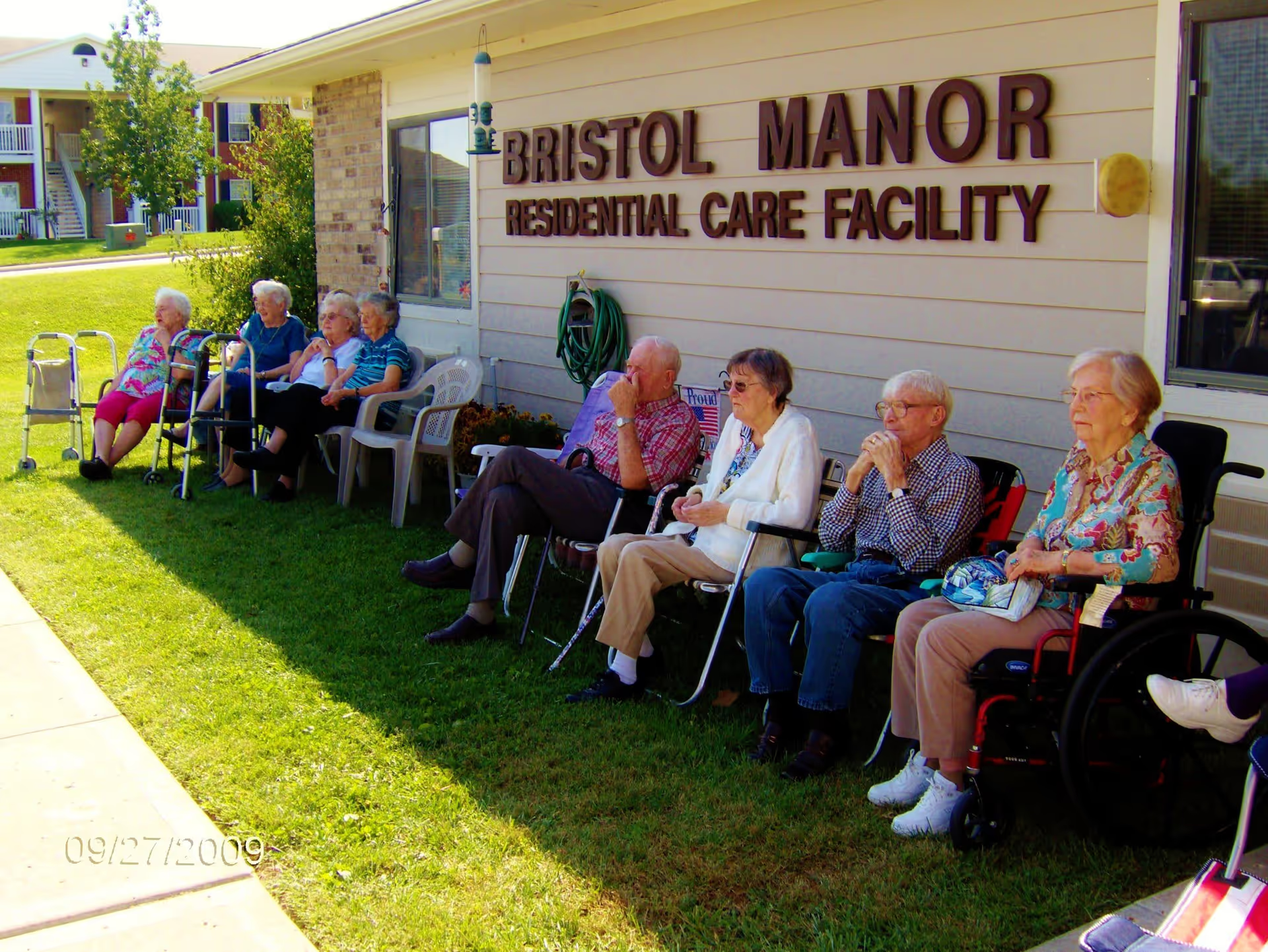
Activities and social life reflect the facility's small scale and rural location. While informal social events (for example, barbeques and porch/wildlife viewing) are mentioned, there is limited commentary about extensive, structured recreational programming. The setting supports low-key outdoor pastime and family-style gatherings, which may suit residents who prefer a quieter, personalized routine rather than large-group activities.
Operationally, the facility’s small size is both an advantage and a limitation: it enables individualized attention and a close-knit atmosphere but also implies limited capacity and more modest on-site clinical resources compared with larger assisted-living communities. The rural location contributes to the facility’s character but may pose travel challenges for families. A few comments indicate variability in the initial admissions or administrative experience, suggesting that paperwork and intake processes may be less standardized than at larger providers.
Overall, the pattern of reviews presents Good Samaritan as an affordable, family-oriented assisted living option with strong relational care, clean homelike facilities, and notable strengths in meals and pet accommodation. Prospective residents and families should weigh the benefits of personalized, small-community care against limits in capacity, formal activity programming, and higher-acuity clinical services when assessing fit.