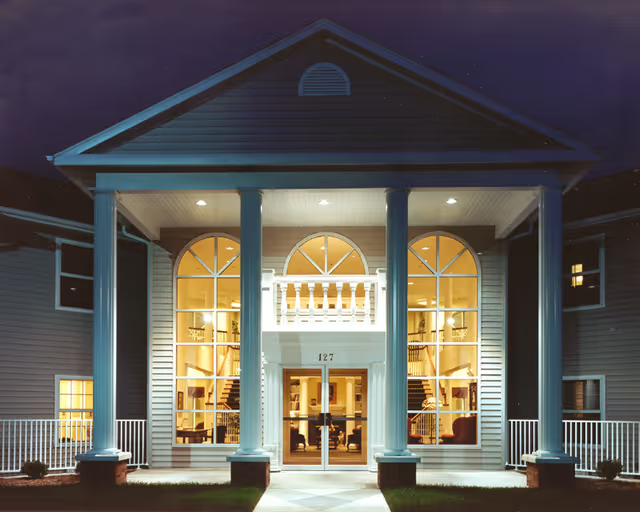
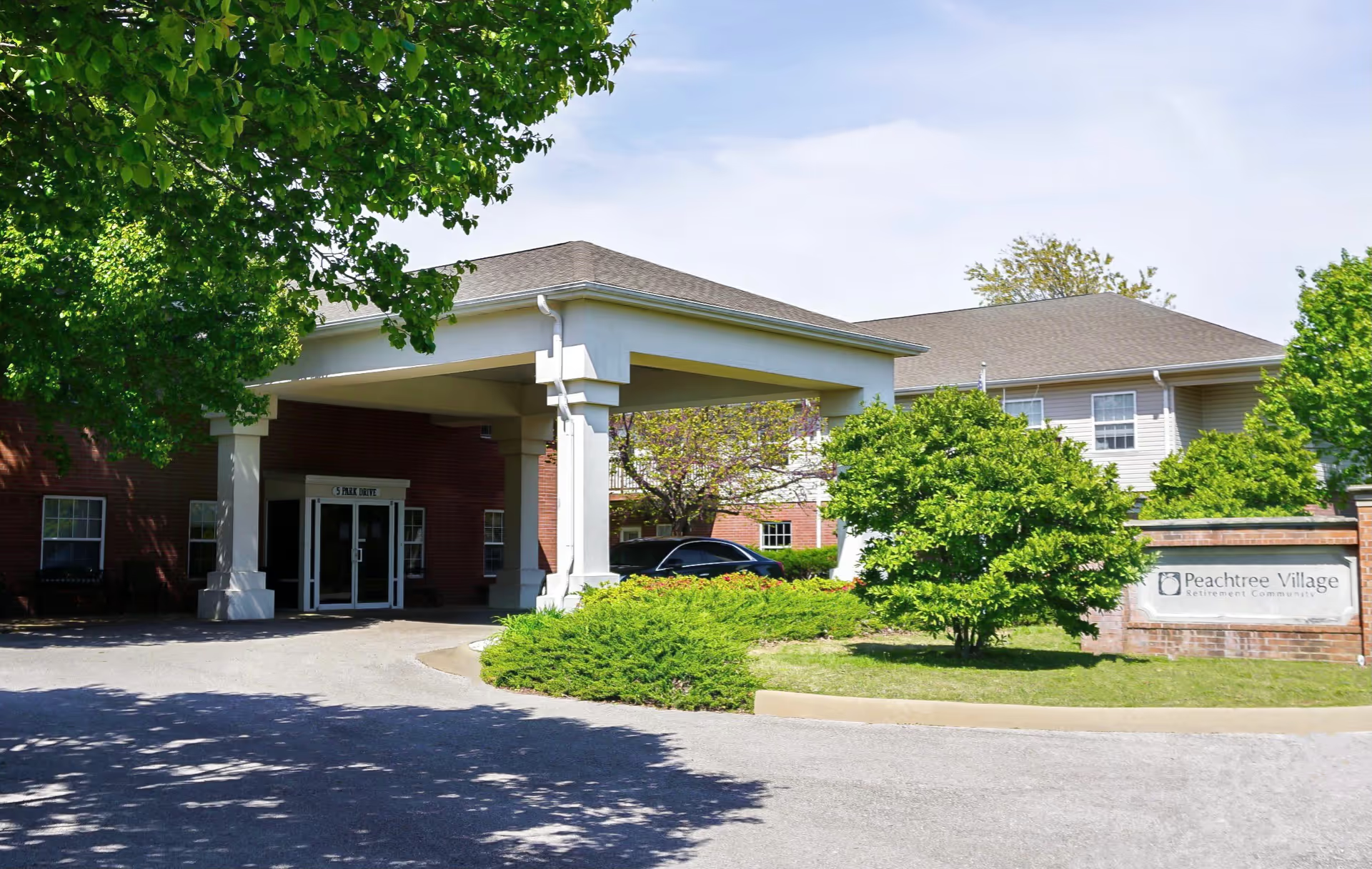
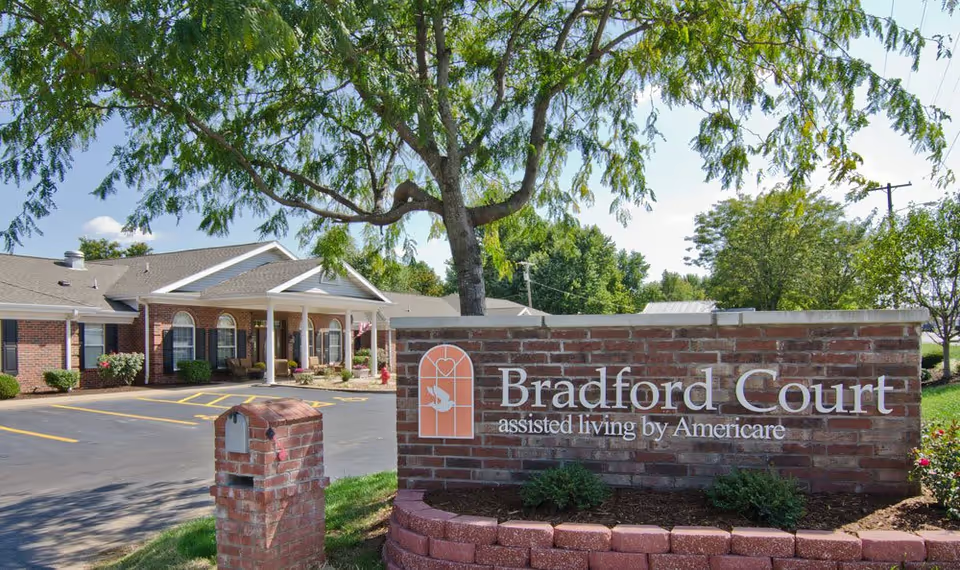
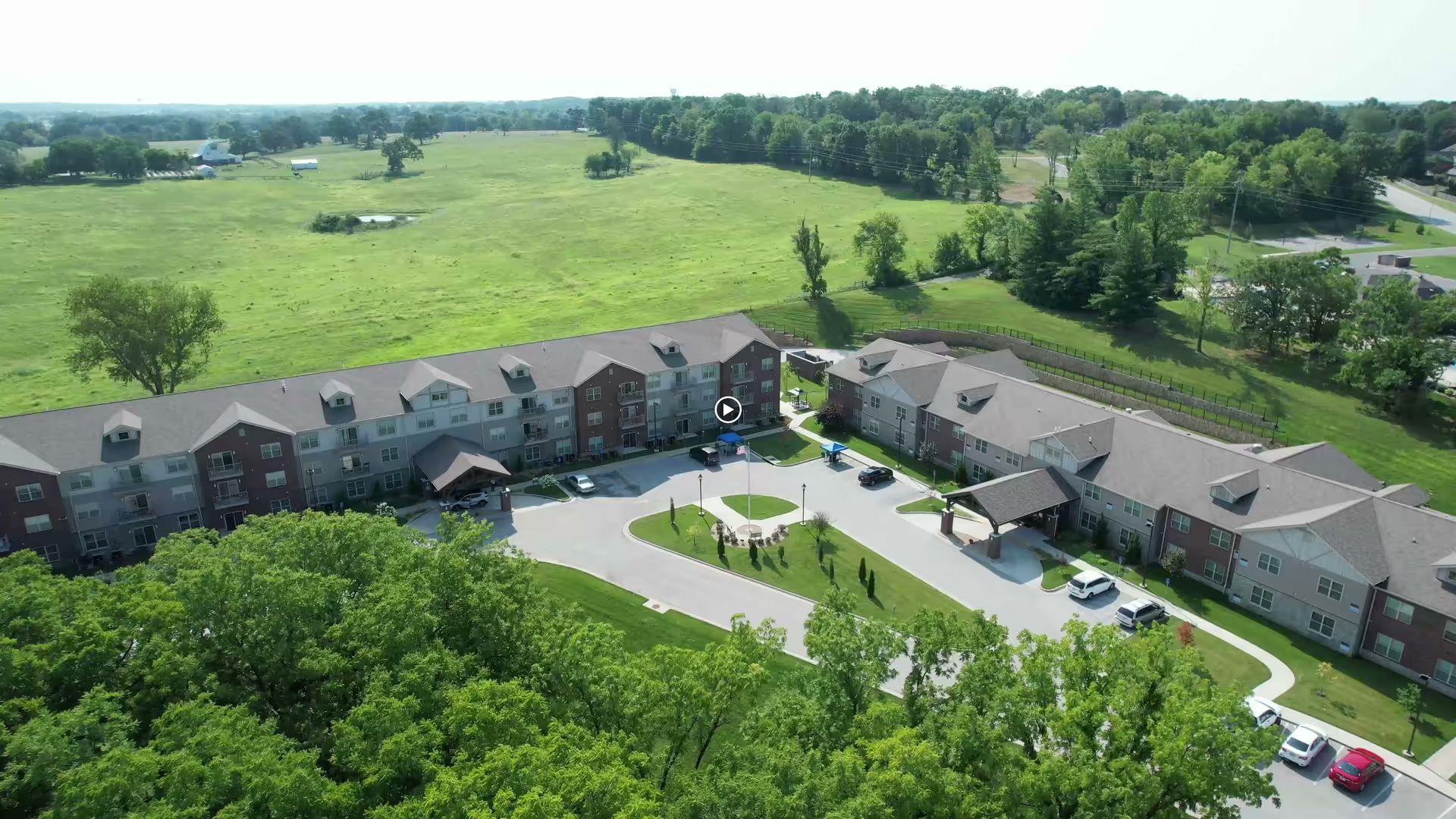
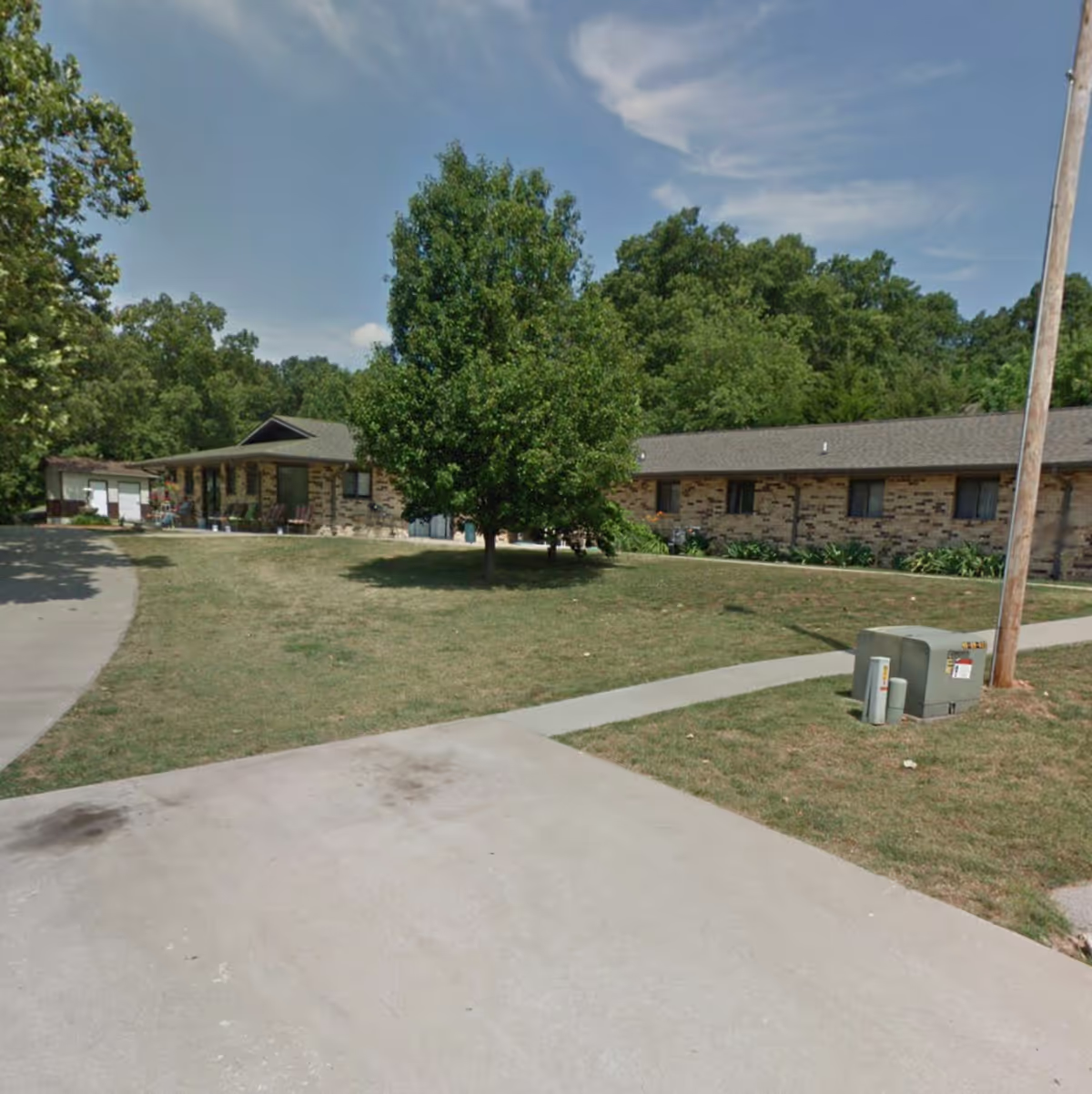
Point Lookout presents as a physically attractive, older facility with a defined dementia-care program and a range of room options. Many reviewers highlighted the facility’s pleasant public spaces, large dining room, visiting pods and scenic Ozarks views. The facility also maintains on-site licensed medical staff and a therapy program that several families credited with good rehabilitation outcomes. Direct-care staff and CNAs receive frequent praise for compassionate, attentive bedside care and end-of-life support.
Care quality descriptions are mixed. Positive accounts describe caring, attentive teams and effective rehab services; however, a recurring operational concern is inconsistent staffing levels and high turnover, which reviewers link to long call-light response times and variable personal-care routines (including bathing frequency). There are also repeated notes about medication-management concerns and instances of clinical follow-up that families found inadequate. A small number of reviews raised serious concerns following adverse clinical events; those accounts underscore the need for close family engagement and ongoing clinical oversight.
Dining and nutrition are uneven. Some families praised excellent meals and an affordable dine-in option, while others experienced lukewarm or overprocessed meals and uneven portioning—comments that reviewers tie to constrained dietary budgets and understaffing in food services. Activities are generally seen as a strength: scheduled social programs (bingo, music, church services, puzzle club) and casual family-style entertainment contribute to an engaged resident atmosphere.
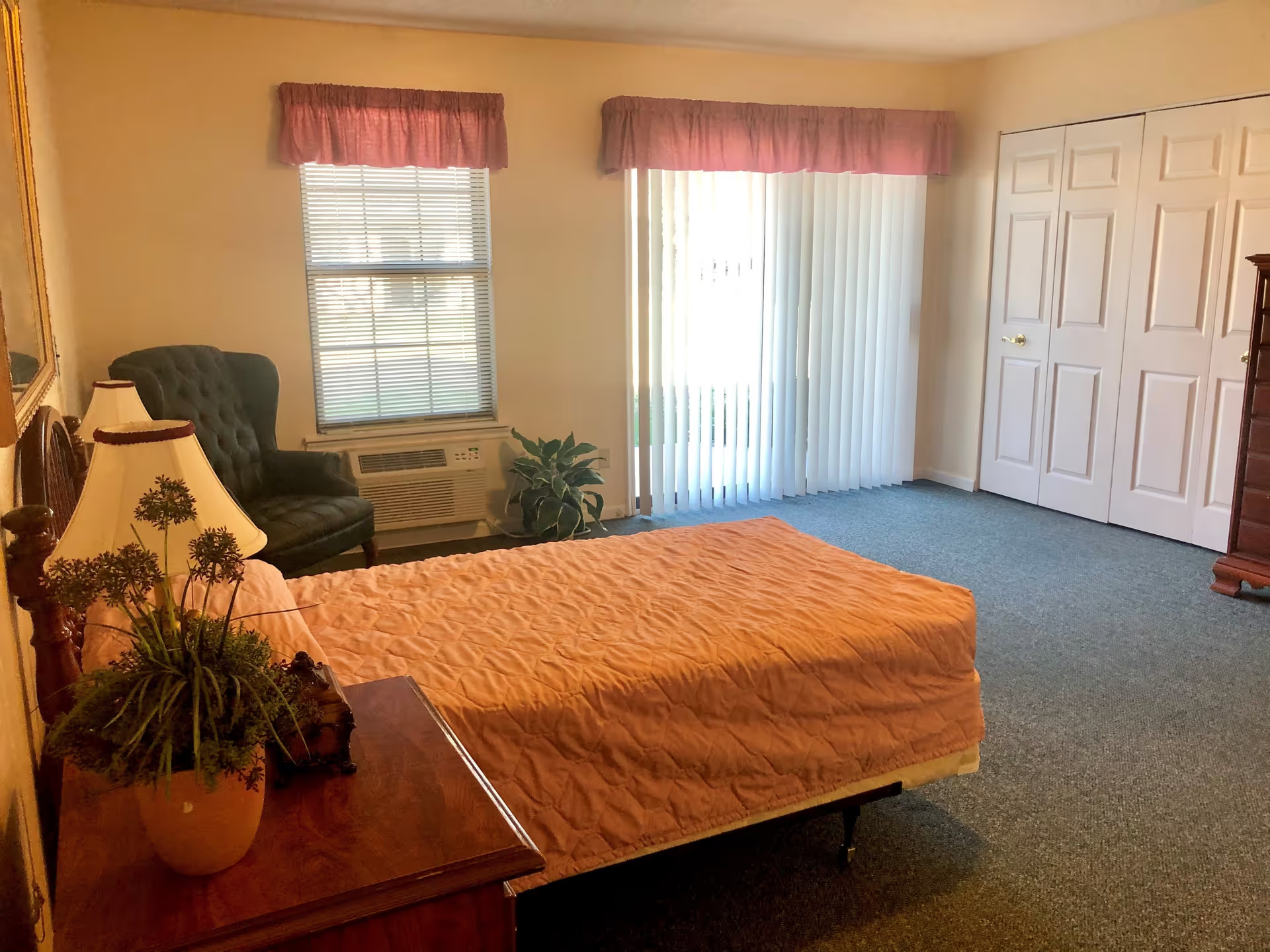
Facility and maintenance feedback is mixed as well. Many public areas are described as clean and well-kept—particularly under newer management—yet there are specific reports of sanitation and odor concerns in certain resident rooms and bathrooms, pest-control issues in some units, and maintenance deficiencies (for example, nonfunctional shower fixtures and other plumbing problems). The building’s age is reflected in cramped shared rooms and limited accessibility features in some bathrooms, which may be problematic for residents with mobility needs.
Management and communication surfaced as a key pattern. Several accounts credit a recent management turnaround and praise specific administrators for visible improvements in cleanliness and staff morale. Conversely, other families described management unresponsiveness, environmental-services understaffing, and inconsistent communication about clinical incidents and resident belongings; there are also allegations of missing personal items that families should address directly with leadership. Overall, experiences appear to cluster around the quality and stability of on-site leadership and staffing.
For prospective residents and families: the facility offers clear strengths in environment, dementia programming, compassionate direct-care staff, and rehabilitation services, but it also exhibits operational weaknesses—notably inconsistent staffing, variable clinical and dietary delivery, maintenance gaps, and intermittent sanitation and pest-control issues. Families considering Point Lookout should weigh the facility’s rehabilitation and dementia-care capabilities against the potential for variability in daily care consistency and discuss specific expectations for clinical oversight, personal-care schedules, dining needs, and property security with management prior to admission.