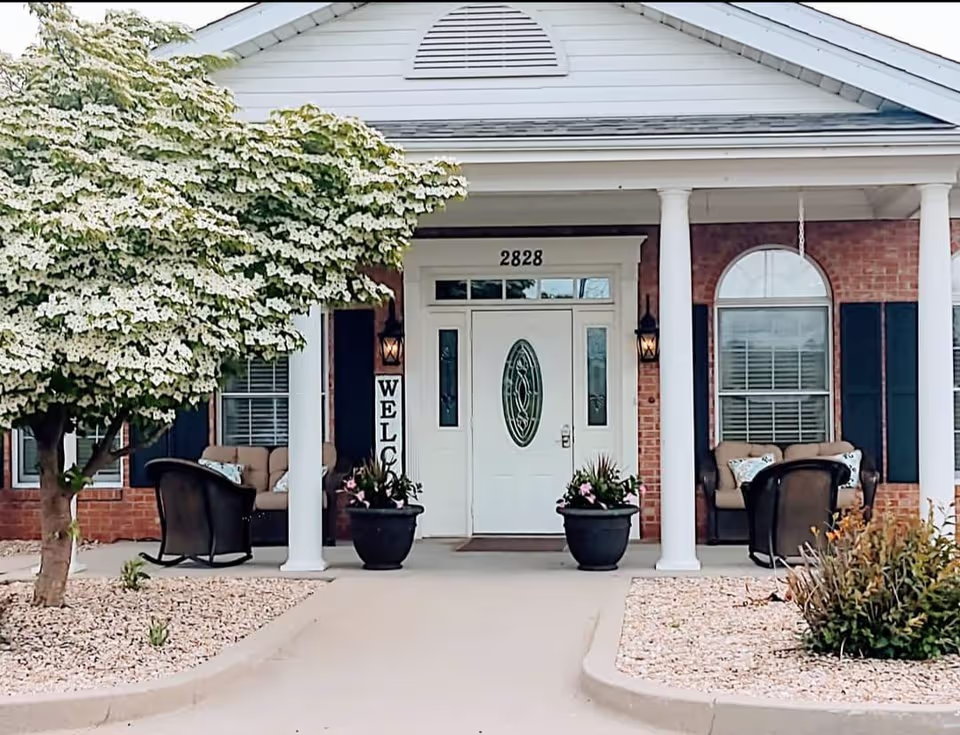
Reviews of Big Spring Care Center for Rehab and Healthcare present a mixed picture. A substantial portion of feedback praises the facility’s interpersonal strengths: reviewers describe friendly, compassionate staff and attentive nurses who provide timely clinical responses. Many families and residents highlight a small, home-like atmosphere, engaging activities (for example, outdoor community events), and a supportive resident community. Short-term and long-term rehabilitation services receive positive mentions from multiple reviewers who characterize therapy and recovery programs as effective and responsive.
At the same time, several reviews raise significant concerns about clinical and operational reliability. Key care-quality issues include inconsistent monitoring of nutrition and hydration, medication-management weaknesses (including the administration of sedating medications), and gaps in wound-care prevention and escalation. In a limited number of accounts these clinical concerns were associated with serious medical escalation; reviewers describe subsequent hospital transfers and family distress. These concerns are reinforced by reports of documentation and record-keeping deficiencies, which reviewers link to delayed communication and unclear clinical histories.
Staffing and conduct present a polarized pattern. Many reviews emphasize staff who go above and beyond and provide dignified, respectful treatment. Conversely, other reviewers report unprofessional or uninviting staff interactions and inconsistent bedside demeanor. Management- and administration-level issues are also cited, including timesheet and payroll process inconsistencies that reviewers say affect day-to-day operations and staff morale.
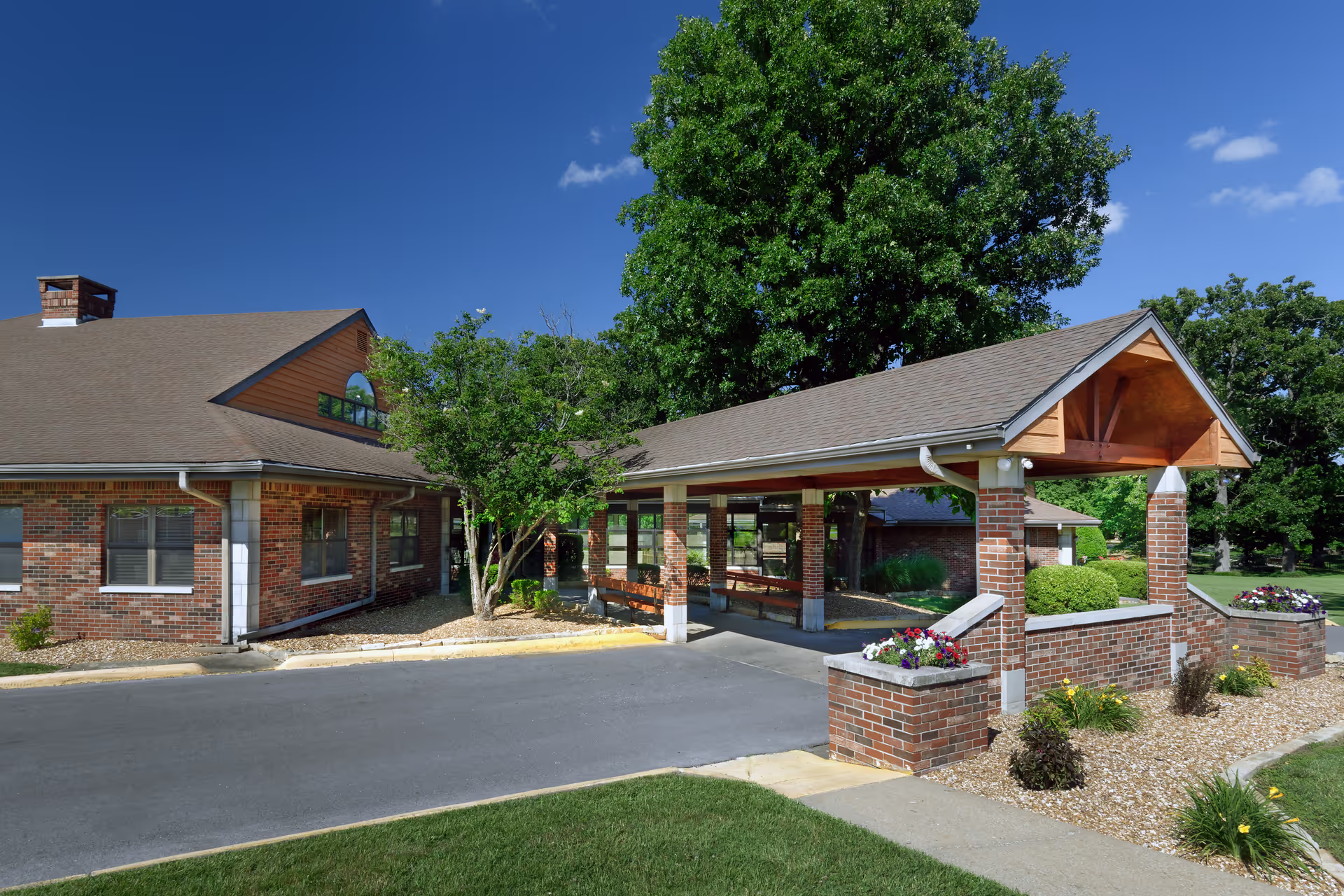
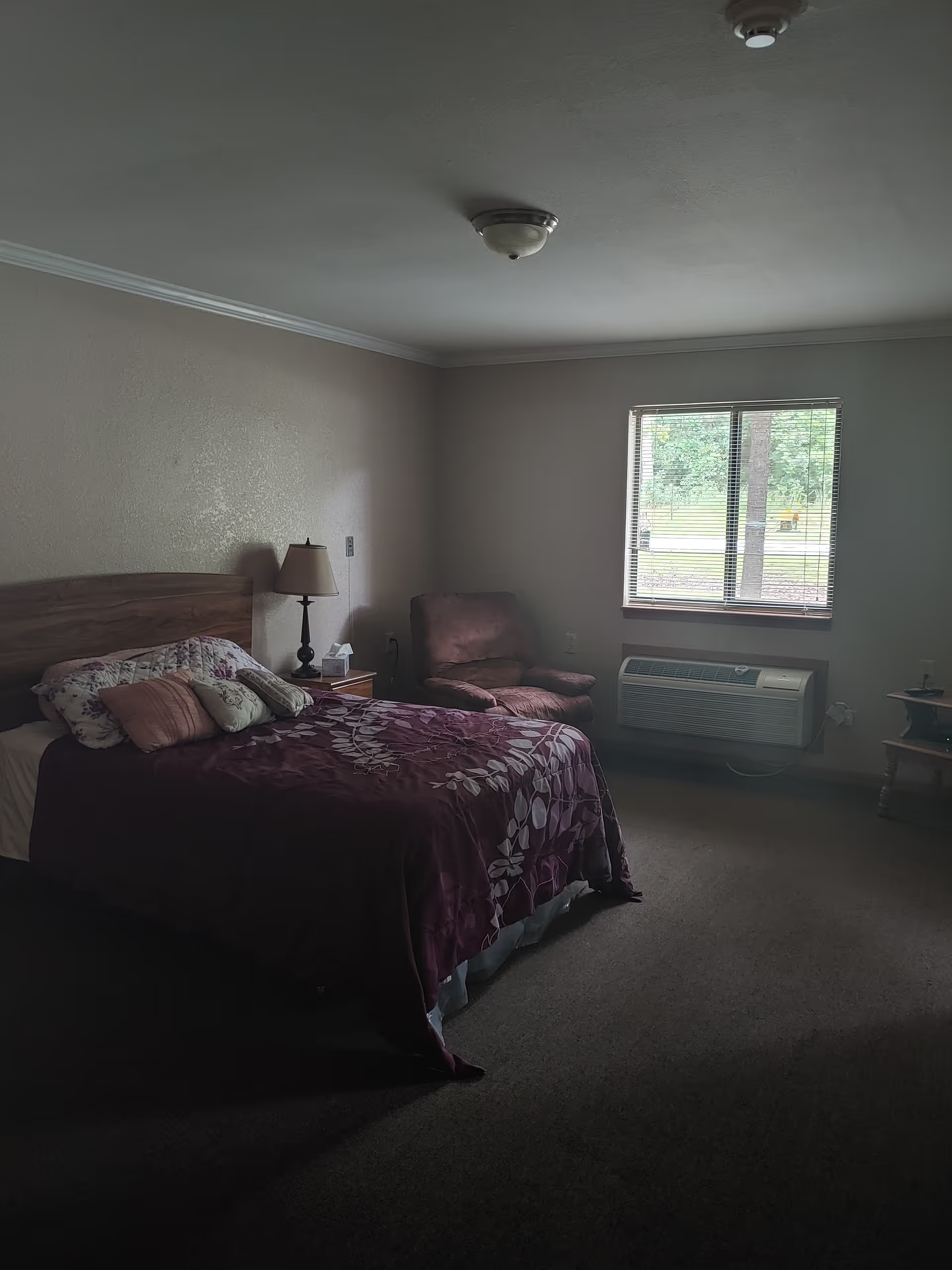
Dining and basic-supply consistency are mixed. Several accounts praise meal service and happy residents, but others note lapses in basic meal items and supply continuity (for example, missing beverage options at breakfast). Facility condition comments likewise vary: numerous reviewers describe a clean, well-maintained interior, while others indicate areas that appear poorly kept or in need of maintenance.
Overall pattern: the strongest themes are a cadre of committed, compassionate staff and positive rehabilitation outcomes for many residents, contrasted with a smaller but consequential set of reviews detailing operational and clinical lapses. Prospective residents and families would benefit from direct follow-up on specific operational areas before placement: ask for current staffing ratios, medication-management protocols (including the use and monitoring of sedating medications), wound-care and pressure-injury prevention policies, documentation and family-communication practices, and recent inspection or quality reports. A personal visit that includes conversations with nurses, therapy staff, and current residents can help confirm whether the facility’s strengths are consistent with a prospective resident’s needs.