Care quality: Reviews present a mixed picture. Several accounts describe staff members providing appropriate clinical attention and facilitating emergency transfers when required, indicating some capability to manage acute events. However, there are recurring concerns about medication administration processes, unexplained injuries, and falls that suggest gaps in medication-management controls, supervision, and transfer/fall-prevention protocols. Families should request documentation of medication-administration procedures, staffing levels, and incident-communication practices before placement.
Staff and communication: Feedback about staff is polarized. Individual caregivers are praised for individualized and compassionate interactions, with one staff member (Hannah Davis) singled out positively. At the same time, multiple reviews cite unprofessional reactions from staff and an antagonistic tone in family–administration interactions. There are also statements alleging dishonest communication by administration; these raise trust and transparency concerns that prospective families should explore through direct questions about grievance procedures and escalation pathways.
Dining and activities: There is limited explicit information about dining quality in the available comments. Activity-related feedback indicates inconsistent programming and noise-management problems — for example, disruptive music levels affecting resident comfort. Overall, the facility appears to provide uneven engagement options, and families may want to review the activity calendar and sample menus in person.
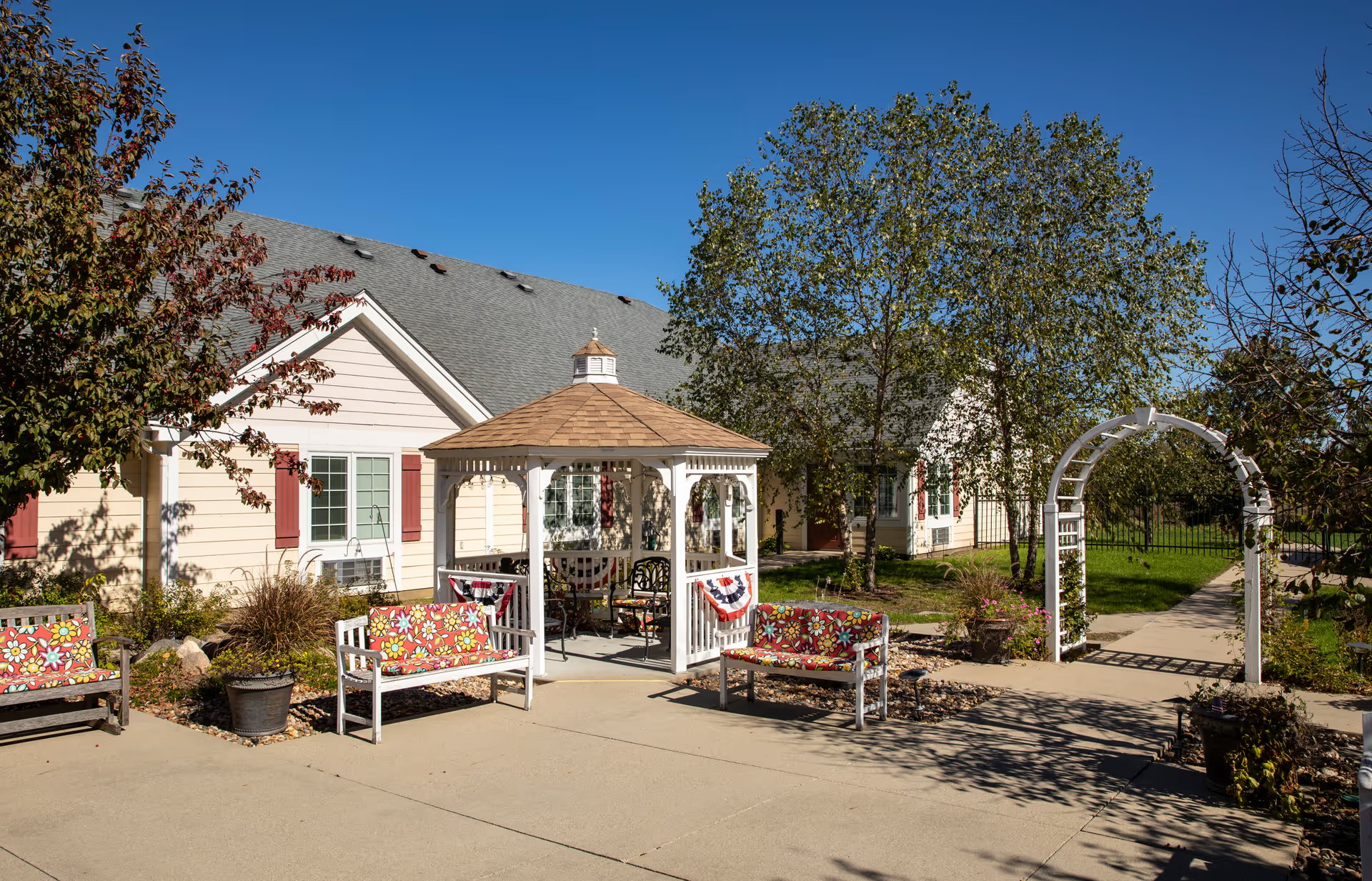
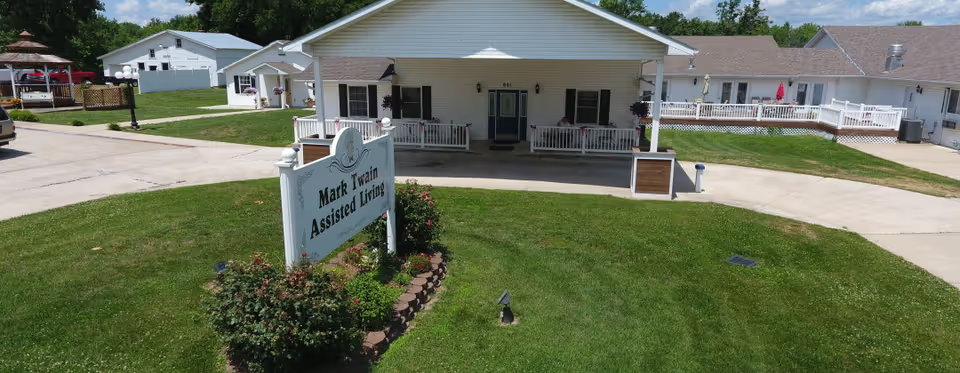
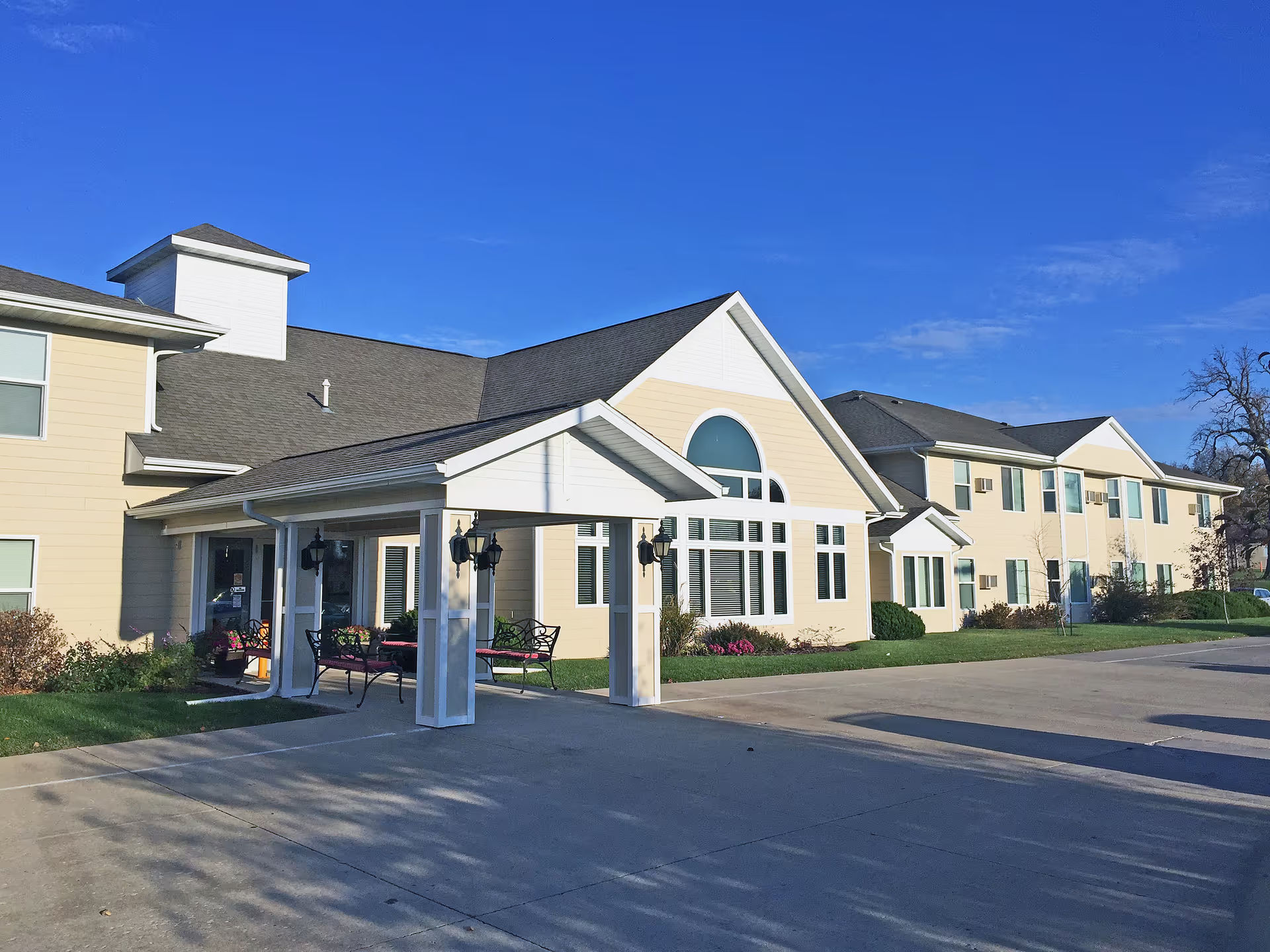
Facilities and environment: Several reviews describe odor and sanitation concerns in common areas and issues around resident privacy and sight lines (for example, residents being visible in clinical rooms). Staff identification is inconsistent, making it difficult for families to distinguish roles during visits. Visiting hours and access are described as restrictive or not aligned with typical family availability; prospective visitors should confirm visitation policies and accessibility prior to arrival.
Management and operations: Themes include inconsistent policies, staff turnover or disciplinary actions that have prompted family concern, and weak complaint-resolution processes. These operational traits are reflected in accounts of adversarial family–administration interactions and perceived retaliation after complaints. They point to broader managerial and governance issues rather than isolated operational errors.
Notable patterns and questions for families: The reviews suggest a dual pattern—there are caring staff members and functioning emergency-transfer processes, yet there are consistent operational weaknesses in medication control, safety protocols, sanitation, staff identification, noise management, visitation flexibility, and complaint handling. Prospective families should ask about: medication-administration audits and training, fall-prevention and incident-notification protocols, staffing ratios and turnover, sanitation standards and odor-control measures, uniform/ID policies, visiting hours flexibility, activity schedules, and formal grievance procedures. Where possible, arrange an unannounced visit or speak directly with current family members to assess how the facility addresses these areas in day-to-day practice.