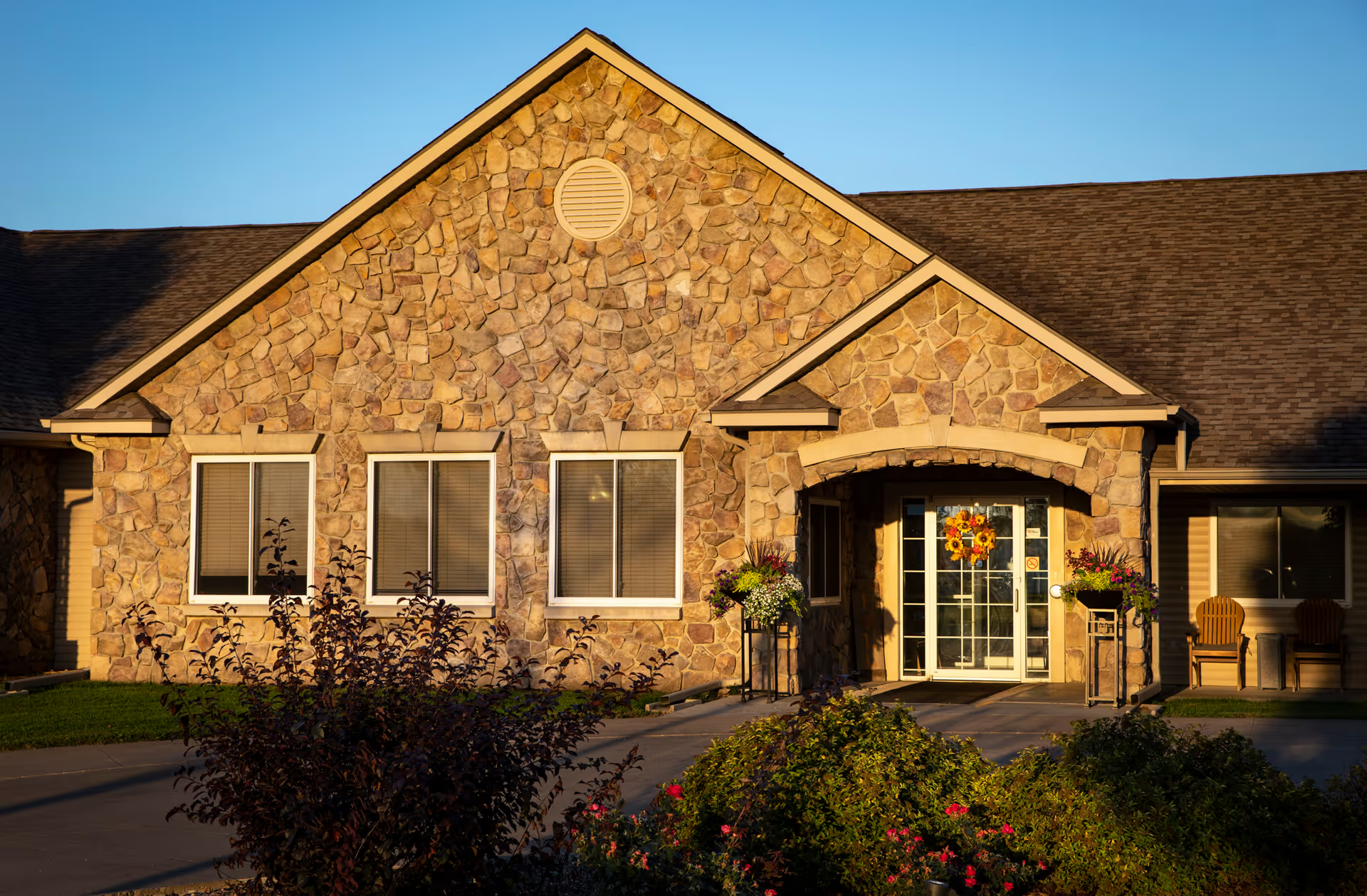
Homestead Assisted Living of Chariton presents as a small assisted-living setting with clear strengths in person-centered, compassionate caregiving. Many families praised the staff for respectful day-to-day interactions, helpfulness, and responsiveness; reviewers frequently highlighted an engaged activity director who holds multiple certifications and leads varied daily programming. Residents are generally described as happy and well cared for, with the facility offering comfortable private rooms and a clean, home-like interior.
Clinical and personal care are commonly viewed positively: staff are described as attentive and kind, and the community appears able to provide supportive end-of-life care when needed. That said, there are recurring operational concerns around dementia care. Several families signaled gaps in staff training and in proactive monitoring for residents with cognitive impairment; reviewers framed this as a need for more targeted dementia-specific skills and earlier identification of changes in condition.
Dining and activities are clear strengths in daily life at the facility. Reviewers frequently noted pleasant, home-style meals and an active schedule that keeps residents engaged. At the same time, there are suggestions that dietary accommodations are limited: families seeking more individualized meal plans or adaptations for special diets may need to confirm options in advance.
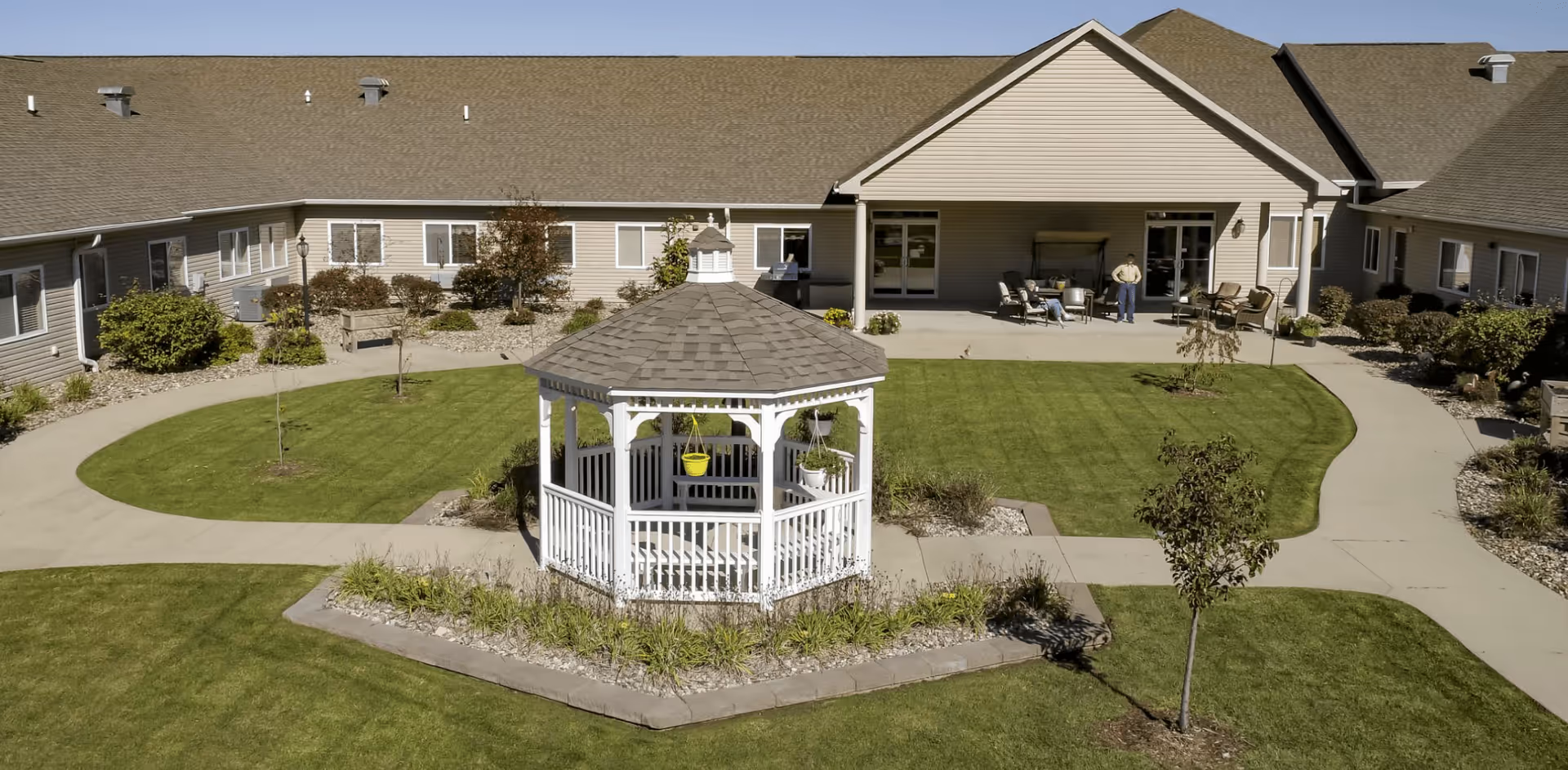
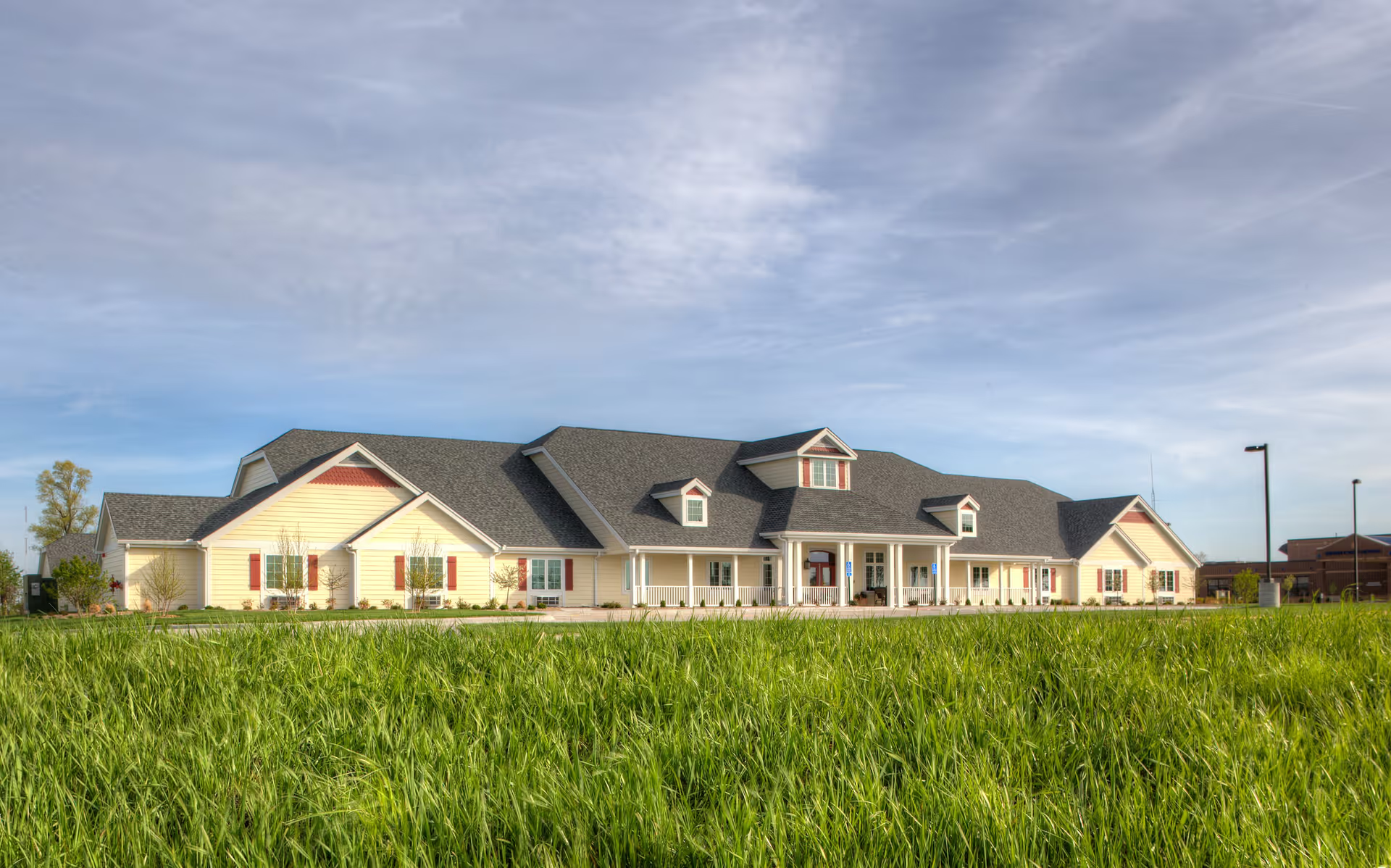
Facility condition is generally described as clean and well maintained, with welcoming common spaces and neat resident rooms. However, reviewers also reported maintenance-related issues and delays in repairs on occasion, indicating room for improvement in preventive maintenance and responsiveness to facility needs.
Management and communications represent a mixed picture. The culture is perceived as resident-focused, but operational weaknesses surfaced around billing clarity and family communication. Reviewers asked for clearer billing statements and more consistent updates about resident status and clinical changes. These patterns suggest that strengthening administrative transparency and formalizing communication protocols would improve family confidence.
For prospective residents and families: visit during an activity period to assess programming and staff–resident interactions, ask for specific examples of dementia-care training and staffing plans for higher-acuity residents, review written policies on dietary accommodations and maintenance response times, and request sample billing statements and the facility’s family-communication plan. These steps will help confirm whether the facility’s noted strengths align with your priorities and whether the operational gaps have been addressed to your satisfaction.