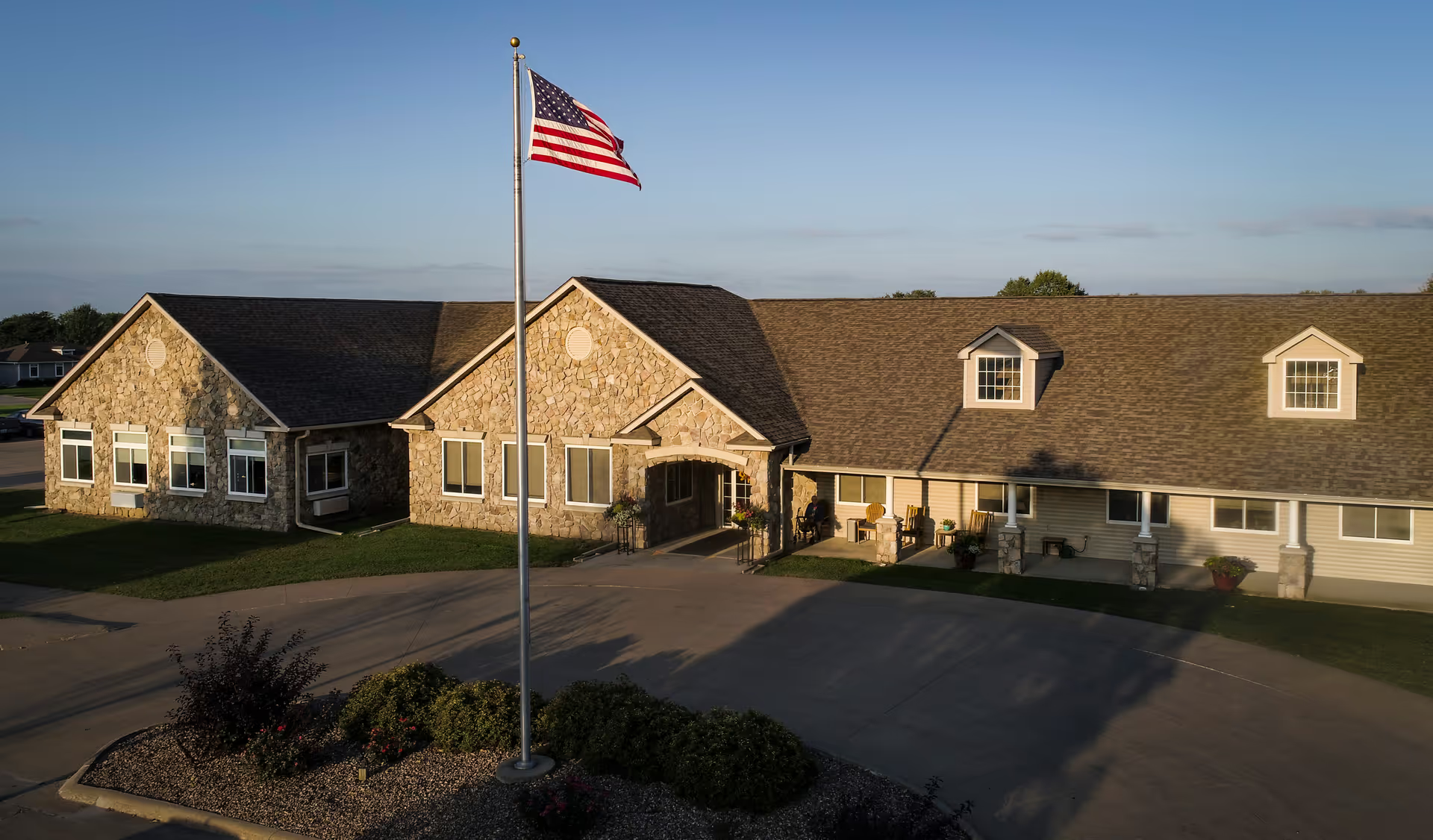
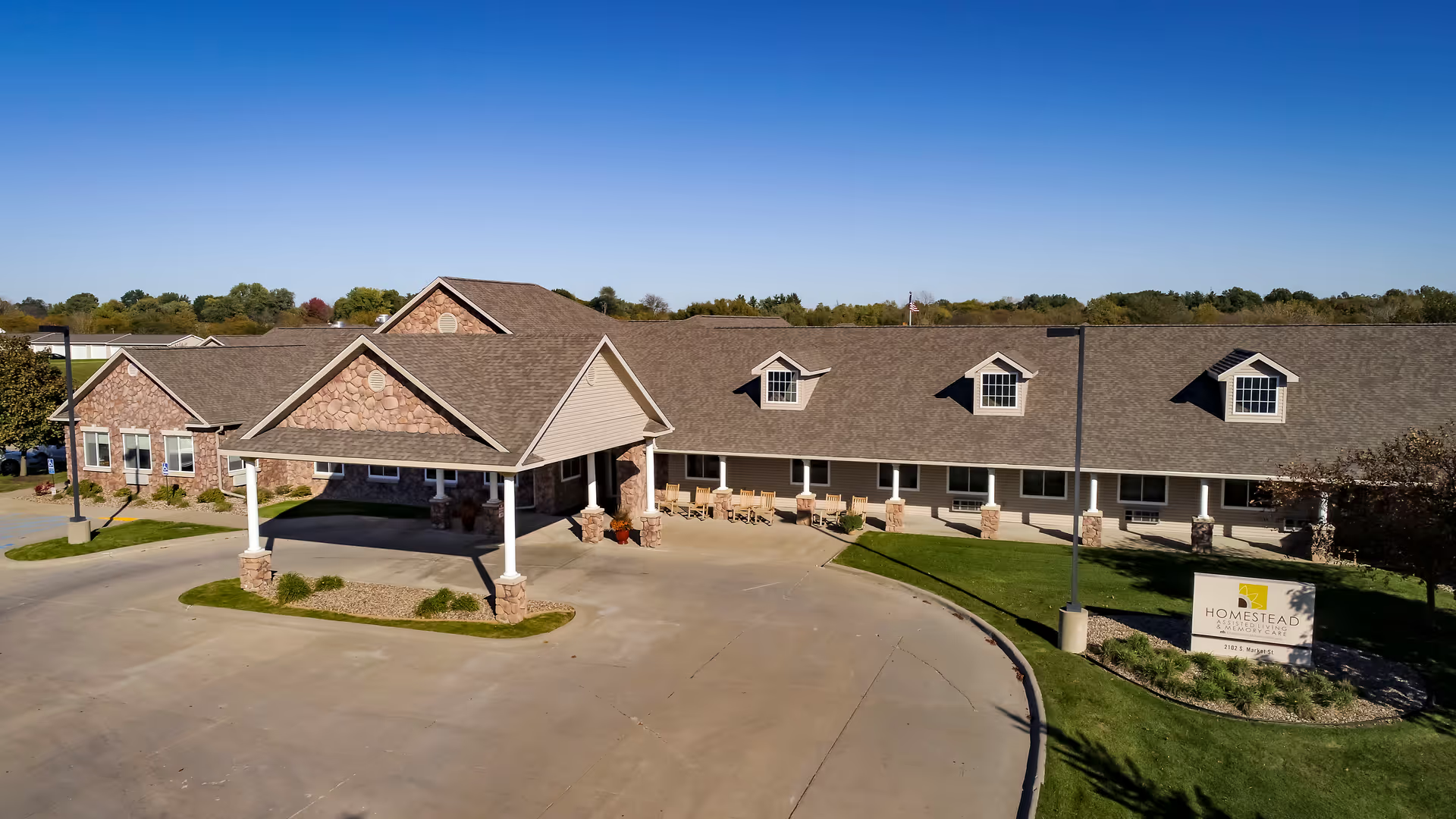
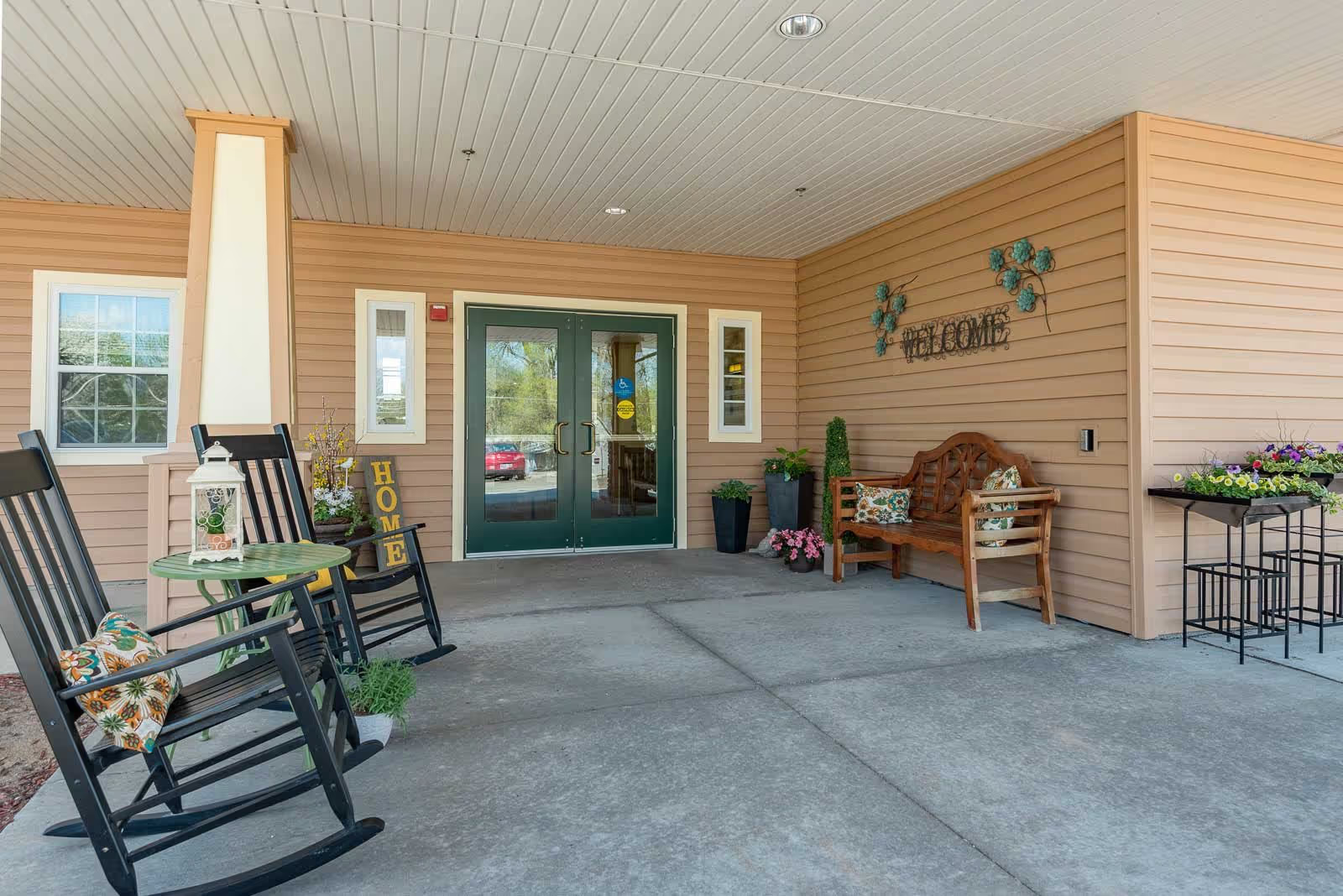
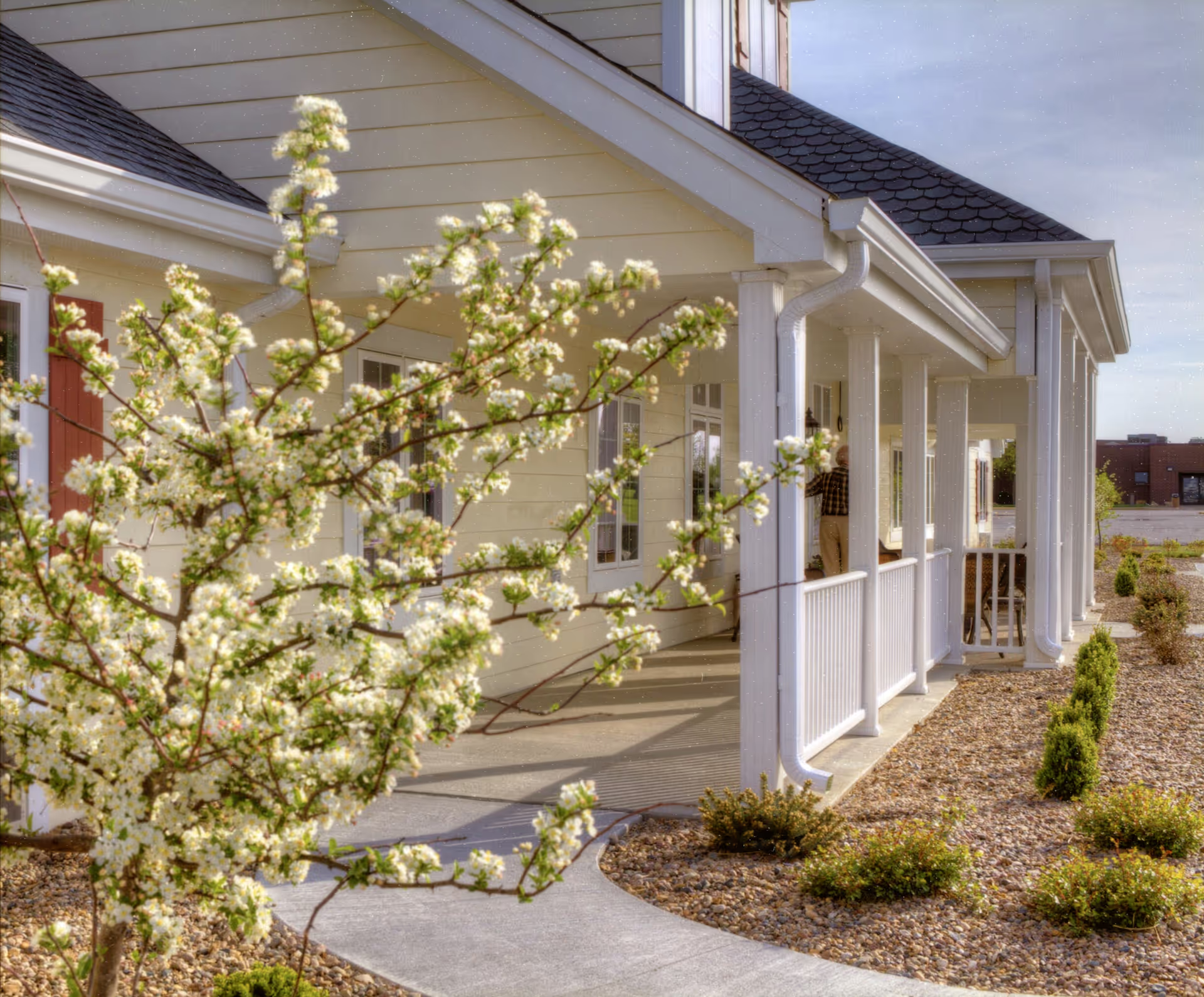
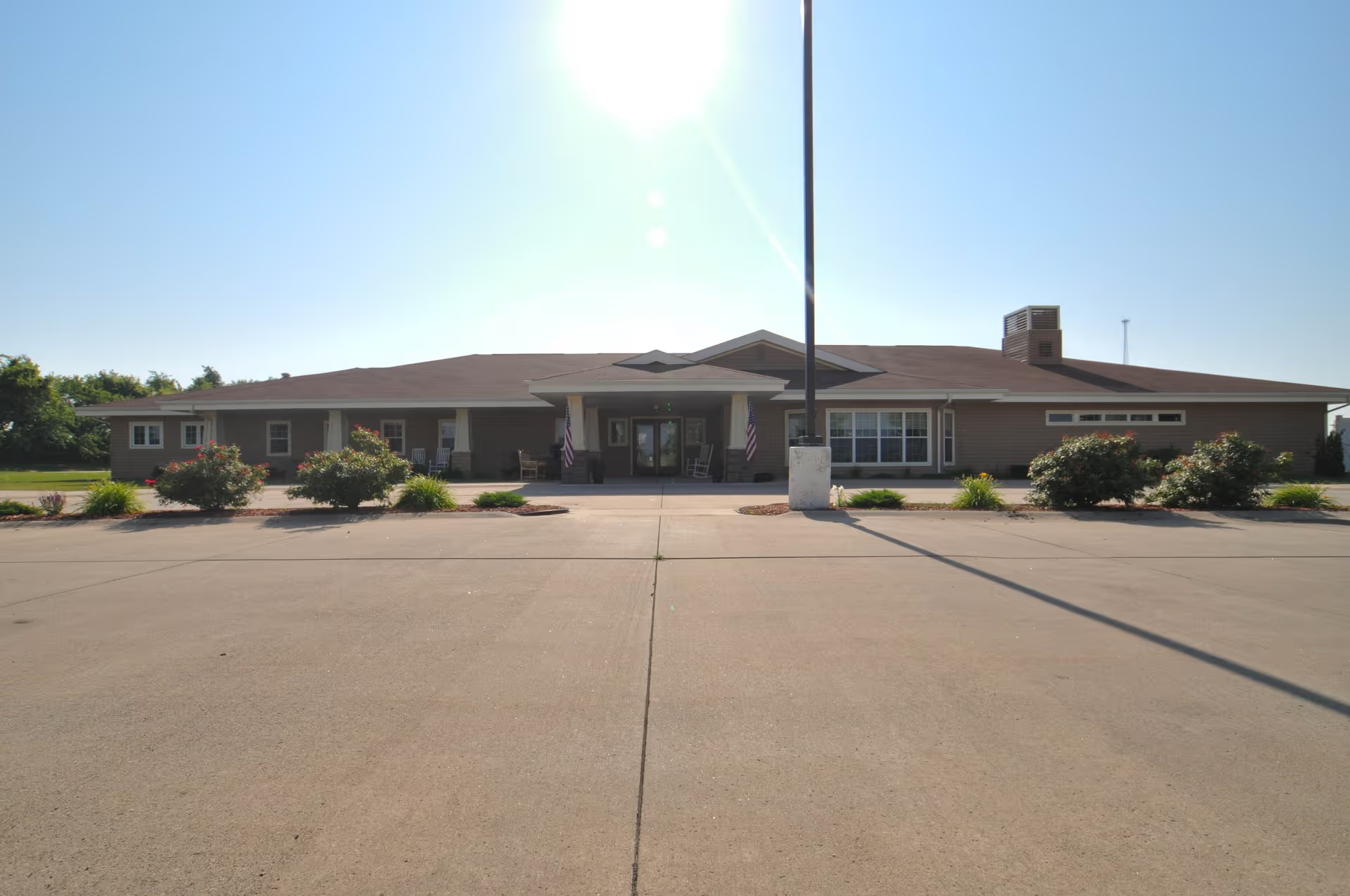
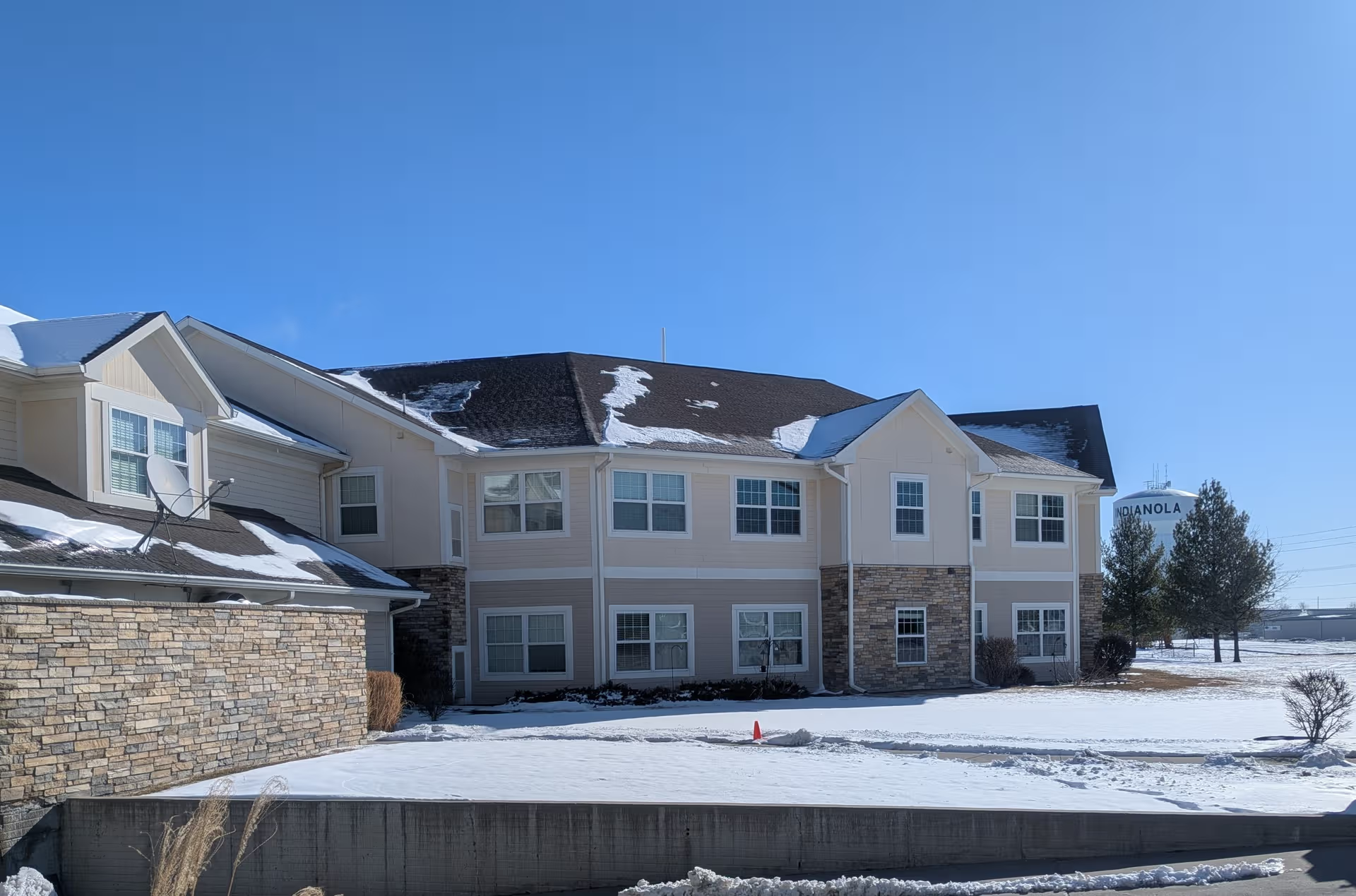
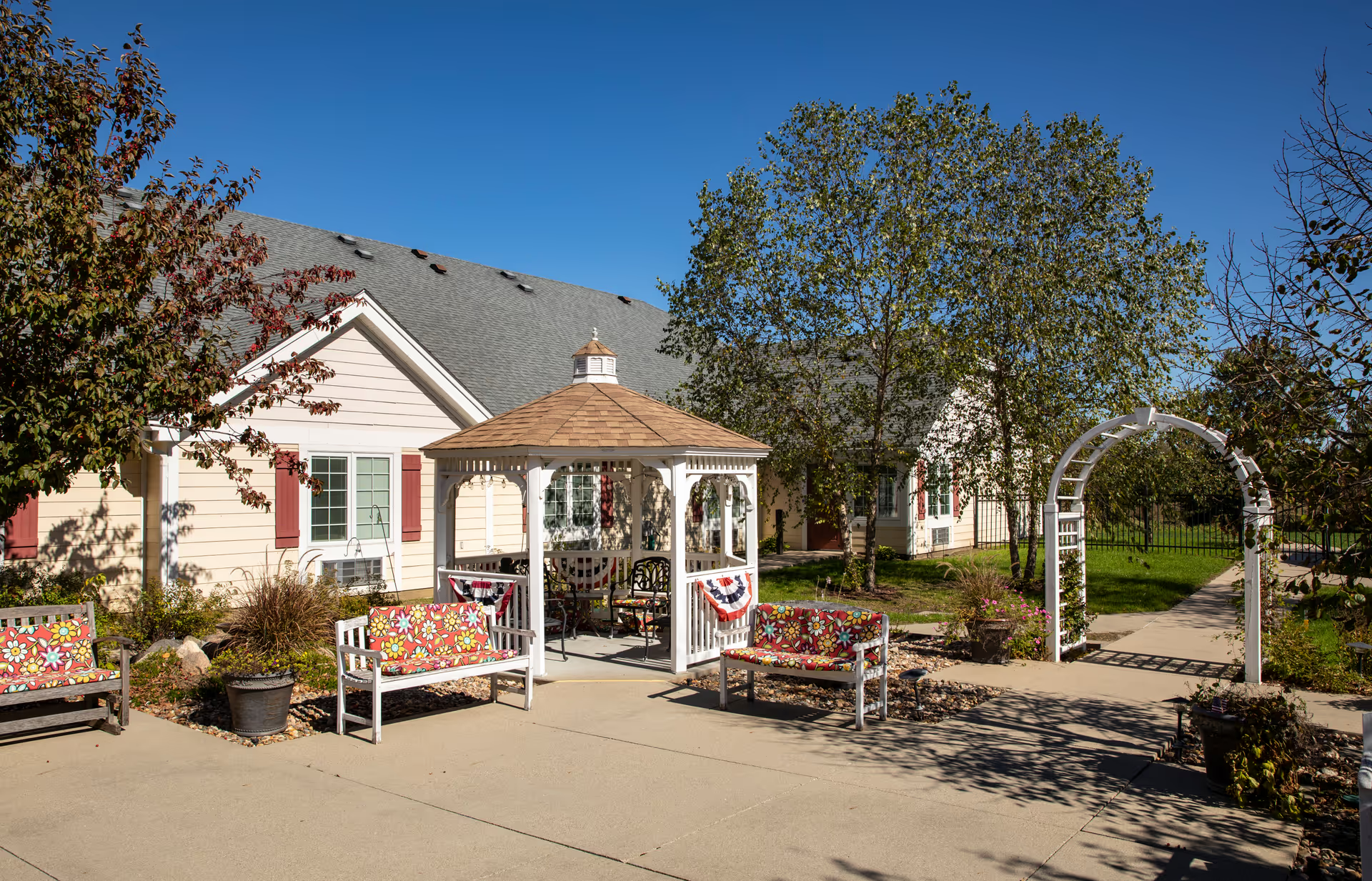
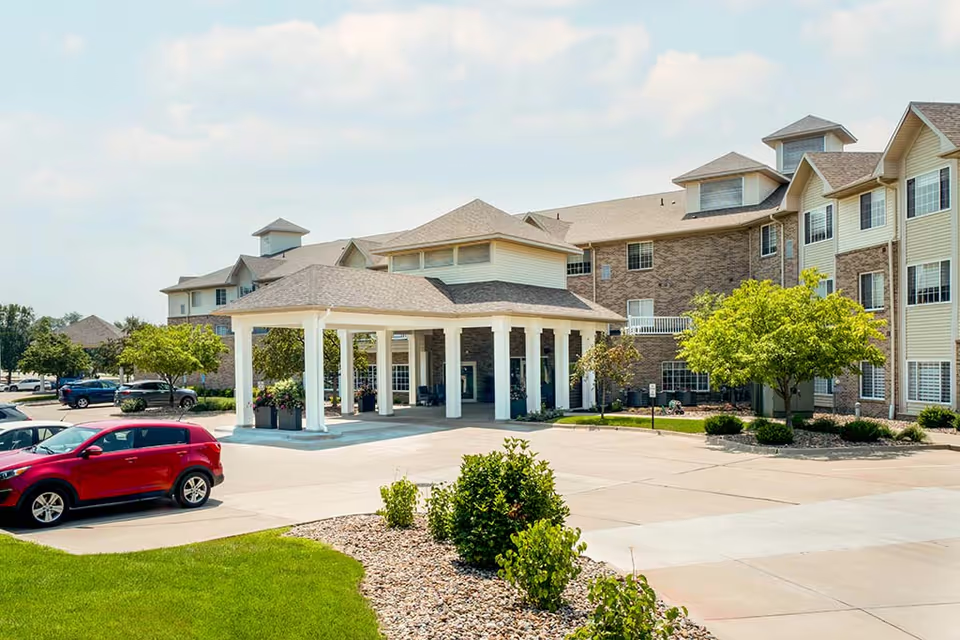
Independence Village of Pella receives largely positive feedback across multiple dimensions: residents and families frequently describe a welcoming, homelike atmosphere supported by engaged leadership and caregiving teams. Staff are commonly characterized as compassionate, attentive, and willing to go beyond routine duties; move-in coordination and community specialists are repeatedly highlighted for smoothing transitions. The campus itself is described as modern and well maintained, with attractive common areas, landscaped grounds, and a range of on-site amenities such as a theatre, salon, gym, library, underground parking, and accessible social spaces.
Dining and programming are prominent strengths. The dining program is led by an executive/chef-driven kitchen that emphasizes scratch cooking, fresh ingredients, and table engagement; many comments praise meal presentation and portioning. Life-enrichment offerings are broad and frequent, including exercise classes, crafts, music, church services, day trips, and thematic events, which contribute to an active social environment and many reports of residents forming close friendships. Apartment units are noted for being roomy, bright, and customizable, supporting independent living while enabling easy access to services and activities.
Operational patterns show notable positive leadership and family communication on routine matters, but recurring operational concerns also appear. Staffing levels and staff workload are a common theme: reviewers cite periods of understaffing, long hours, and burnout that can affect responsiveness. Several comments point to inter-shift communication gaps (AM/PM handoffs) and occasional administrative transparency issues. Relatedly, a subset of families described inconsistent clinical assessment and transition planning when residents’ care needs escalated, including limits on 24/7 supervision or end-of-life supports; this has led in some cases to moves to alternative settings.
Memory-care services and some clinical supports drew mixed feedback. While the campus offers memory-care units, some reviewers reported limited engagement opportunities and staffing/training shortfalls within that unit, and a few described social isolation for memory-care residents before changes were made. There are also intermittent notes about variability in meal quality and service continuity, occasional access or staff-identification lapses, and concerns about contract flexibility and billing/refund processes. These items appear less frequent than the positive comments but are consistent enough to merit consideration during tours and care-planning conversations.
For prospective residents and families: the facility presents as a well-appointed, activity-rich community with a clear emphasis on dining quality and social engagement, supported by staff who are often praised for kindness and personalized attention. Families evaluating the community should confirm current staffing ratios, the facility’s capacity for higher-acuity and end-of-life care, memory-care programming details and staffing/training practices, and contract/billing terms before committing. A focused tour that includes the memory-care unit, recent menus, activity schedules, and a conversation about typical handoff and communication protocols will help clarify whether Independence Village meets a particular prospective resident’s clinical and psychosocial needs.