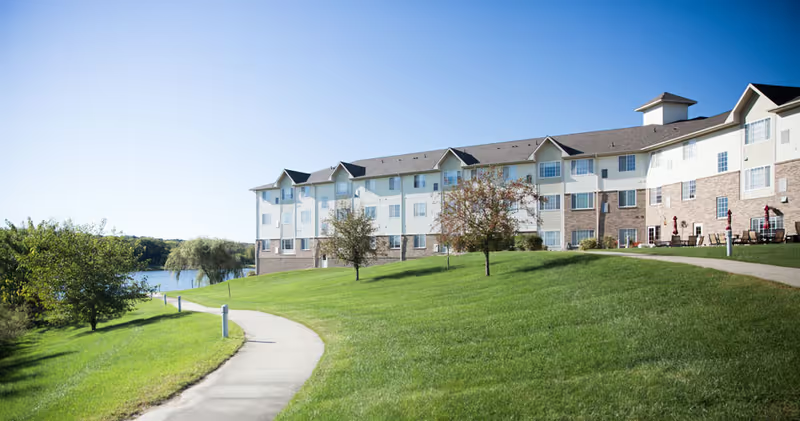
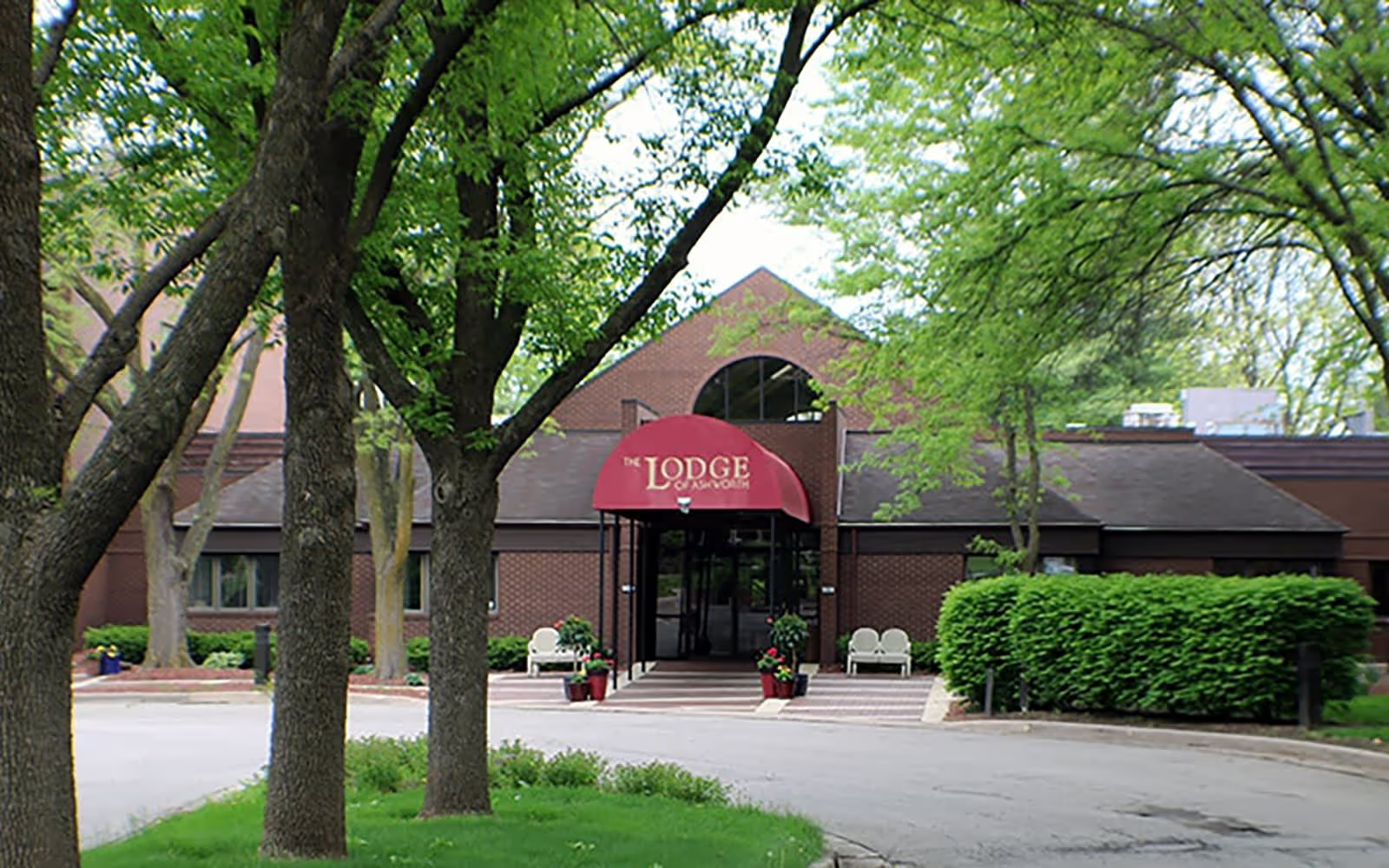
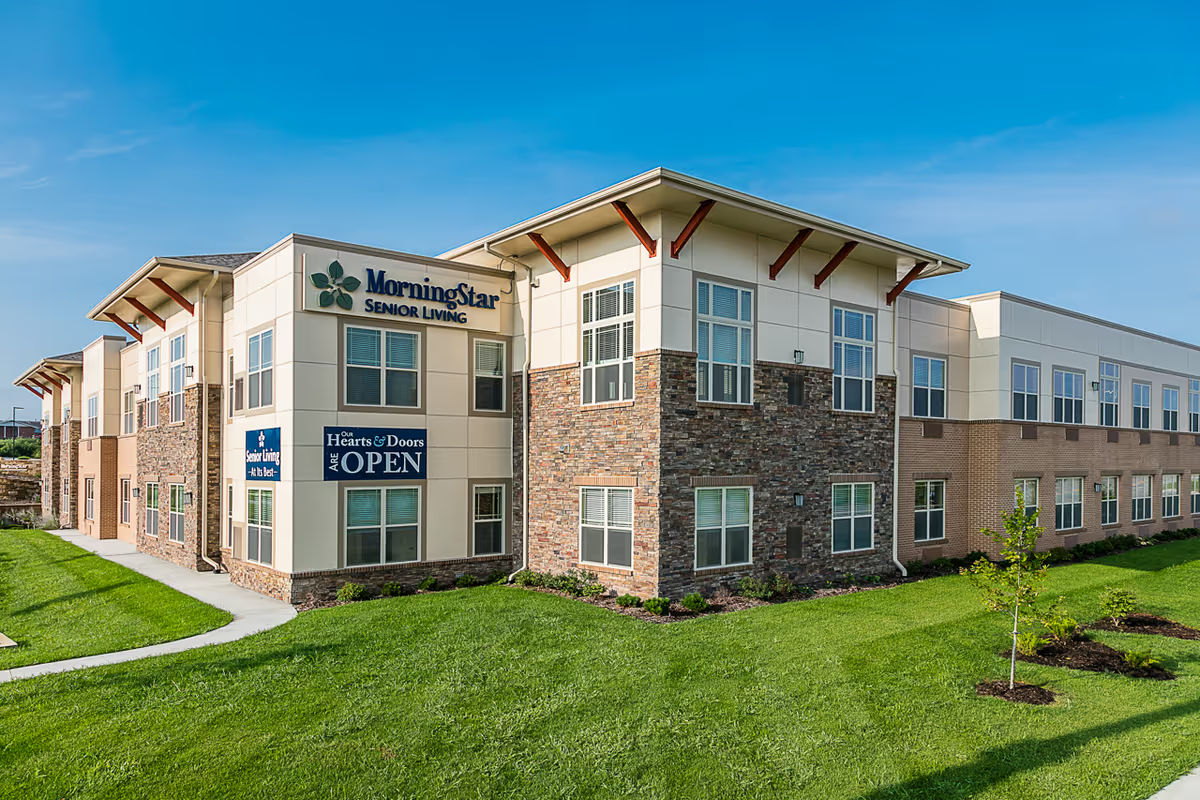
Windsor Manor projects a consistently warm, home-like impression for many families and residents. Reviewers commonly describe staff as compassionate and attentive, with multiple comments that employees "go above and beyond." The community's small scale is frequently framed as a strength: people note a cozy atmosphere, close social connections, and well-maintained common areas such as a front living room, gazebo, crafts room, and landscaped grounds. Short-term rehab and on-site physical therapy are highlighted positively, and nursing staff are often described as capable and caring.
Activity programming appears to be a clear strength. The facility offers a variety of social and recreational options—bingo, crafts, BBQs, community musicians, morning devotions, monthly outings, and consistent opportunities for fellowship—which families say support engagement and socialization. Several comments also emphasize restaurant-style dining and flexible dining hours; however, perceptions of meal quality are mixed. While some families praise the food and dining atmosphere, others find the dining experience fell short of expectations, indicating variability in meal consistency or menu preferences.
Facility condition and layout are described positively in terms of cleanliness and recent updates: reviewers mention fresh paint, new carpeting, and an overall tidy appearance. That said, the community’s smaller footprint translates to smaller private apartments for some residents; limited apartment size and storage were noted as drawbacks. Ancillary services such as laundry, parking, and access to a resident computer are described as reliable.
A notable pattern in concerns relates to dementia care and administrative practices. The memory-care offering receives mixed assessments: some families praised the memory-care unit and person-centered attention, while others raised concerns about staff training specific to dementia and the presence of adequate safety features. Separately, several families described abrupt discharge or transfer decisions without extended notice, which they found disruptive to placement continuity. These accounts point to variability in the facility’s placement and discharge procedures and inconsistent family communication around those processes.
Communication and management tone are another area of divergence. Many families characterize leadership as responsive and family-like, but a number of comments indicate inconsistent responsiveness and communication tone from staff or management, including instances described as brusque. Together with the other operational issues, these communication gaps can amplify stress around transitions or behavioral incidents.
In sum, Windsor Manor is often perceived as a clean, caring, activity-rich small community with strengths in personal attention, therapy services, and communal life. Prospective residents and families should weigh those strengths against operational considerations: apartment size, variability in dining, mixed assessments of dementia-specific training and safety, and the facility’s discharge/placement practices. Visiting in person, reviewing contract and discharge policies, and discussing dementia-care protocols and family-notification procedures with leadership would help families assess fit and risk tolerance.