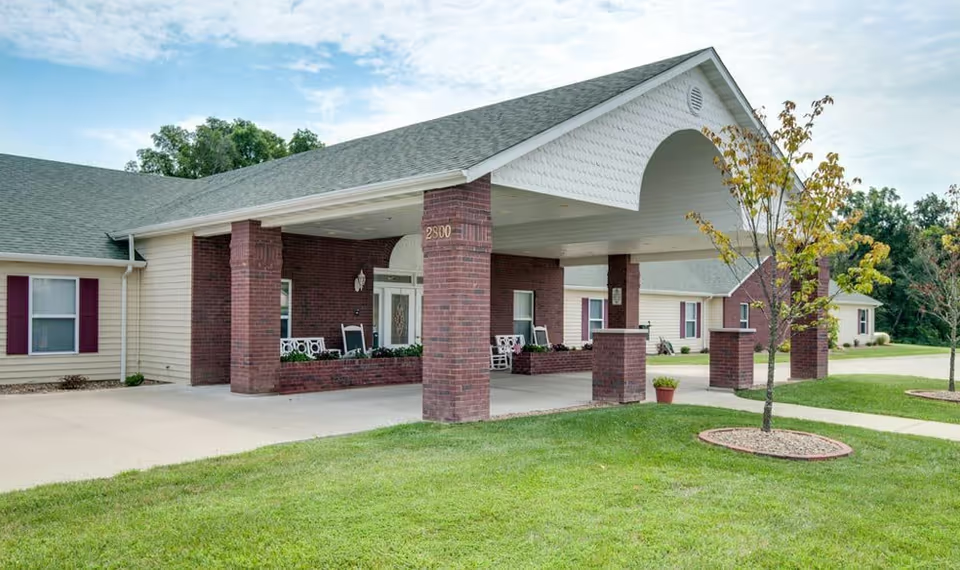
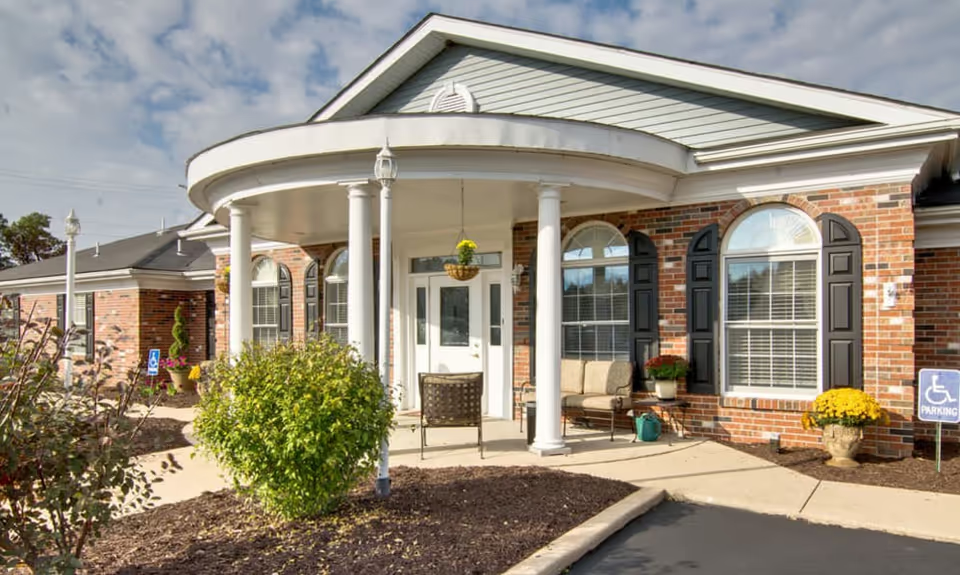
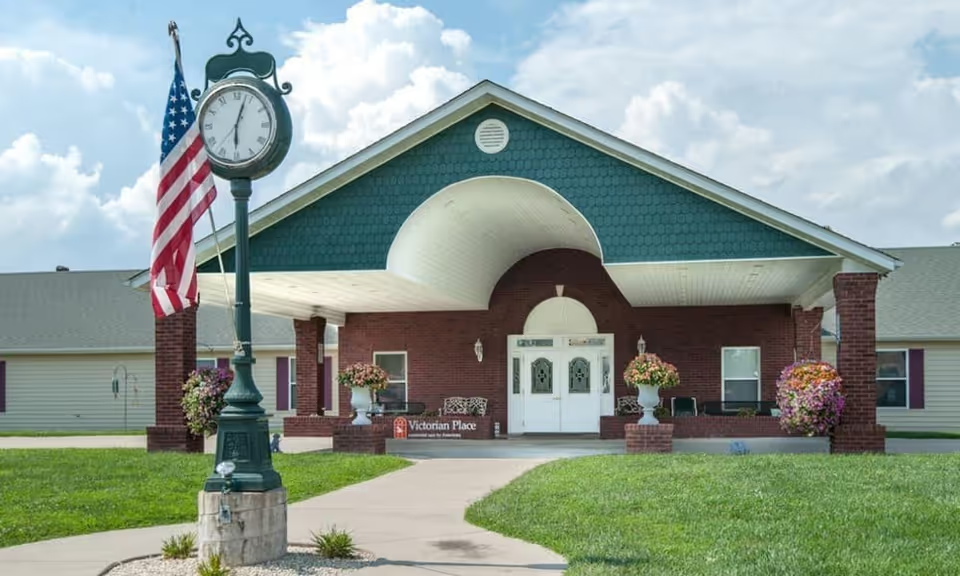
Reviewer feedback for this facility is mixed and clusters into two broad patterns: several accounts describe a warm, comfortable, country-style setting with attentive staff and pleasant outdoor access, while other accounts raise operational concerns that affect hygiene, maintenance, and day-to-day care.
Care quality and staff: Many reviewers described staff as welcoming and attentive, and some families found the staff–resident interactions to be respectful and supportive. At the same time, reviewers also described delays or shortcomings in assistance for mobility and personal-care tasks; these descriptions suggest potential staffing or training gaps for transfers and routine hygiene assistance rather than uniformly poor conduct. Prospective families should clarify staffing ratios, typical response times to call bells, and training protocols for ambulation and personal-care support.
Dining: Reviews provided little consistent information about meals or nutrition. No clear pattern of dining praise or persistent complaint emerged from the summaries; prospective visitors should request sample menus, observe mealtimes, and ask about assistance during dining if needed.
Activities and social programming: Multiple comments indicated a limited schedule of organized activities and social engagement. The facility’s rural setting and walking paths were cited as positives for outdoor activity, but internal programming appears minimal based on the summaries. Families who prioritize structured activities or therapeutic programming should verify the current activity calendar and participation levels.
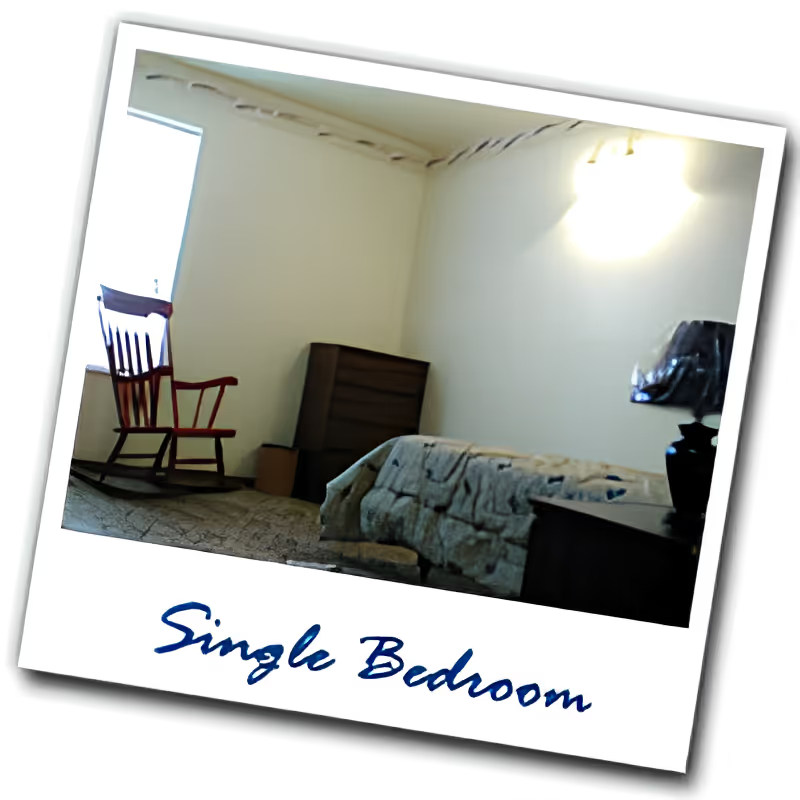
Facilities, housekeeping, and infection-control: A significant and recurring theme concerns housekeeping and facility maintenance. Specific issues include inadequate cleaning supplies and equipment availability, evidence of moisture or mold in some storage or closet areas, exposed piping and surface damage to fixtures, toilet maintenance problems, and pest-control gaps. There are also mentions of odor concerns and the presence of animals on the premises with associated animal-health or hygiene implications. Together these items point to weaknesses in routine environmental maintenance, sanitation protocols, and pest/odor control systems. Prospective visitors should evaluate housekeeping schedules, mold remediation policies, pest-control contracts, and observed cleanliness on a tour.
Management and safety: Reviewers raised concerns about building upkeep, smoking-management, and security of residents’ belongings. The summaries include allegations of theft and reports of missing or mishandled personal items; such statements warrant direct inquiry into the facility’s property-protection practices, documentation procedures, and incident-reporting policies. Management responsiveness to maintenance requests and to family concerns also appears inconsistent in the summaries; ask management for examples of corrective actions taken in response to prior complaints and for copies of relevant policies.
Notable patterns and guidance: The overall picture is mixed—some families find the setting and staff comforting, while others identify operational deficiencies that could affect resident well-being. Key areas to investigate in person are sanitation and mold controls, pest management, staffing levels for mobility and personal care, activity offerings, smoking policies, and security/inventory procedures for resident possessions. Observing mealtimes, reviewing housekeeping logs, and requesting clarification of staffing ratios and incident-report protocols will help families determine whether the facility’s strengths align with their priorities and whether management is actively addressing the operational concerns noted by reviewers.