Overall impression: The Arbors at Dunsford Court is presented in these summaries as a small, well-maintained assisted living community with many strengths in atmosphere, amenities, and person-centered caregiving. Multiple remarks emphasize a warm, family-like culture among staff, with caregivers described as attentive, hands-on, and compassionate. Families noted personalized attention, high levels of interpersonal connection, and support through end-of-life situations, including flexibility for family stays and staff participation in memorial events.
Care and staff: Staffing is the facility’s most frequently praised element. Reviewers describe individualized care, respectful interactions, and staff members who build personal relationships with residents. Leadership and front-line staff receive positive mention for being informative and helpful. However, several comments point to operational inconsistencies: examples of missed medication administrations, assistance not provided at bedtime, and falls indicate potential weaknesses in medication management, evening/overnight coverage, and mobility-safety procedures. These instances suggest variability in staff performance or oversight rather than systemic indifference; families should clarify protocols for medication administration, shift coverage, and incident reporting.
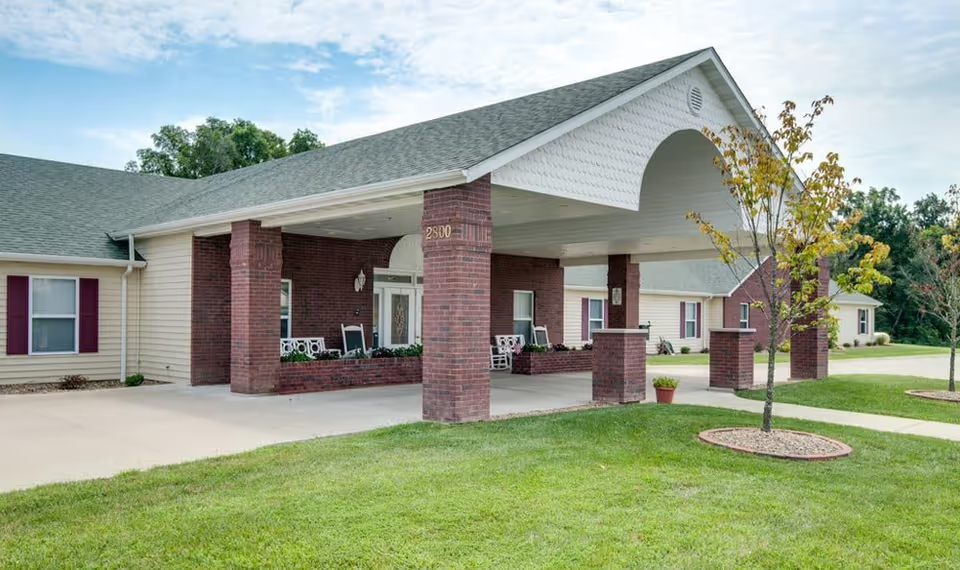
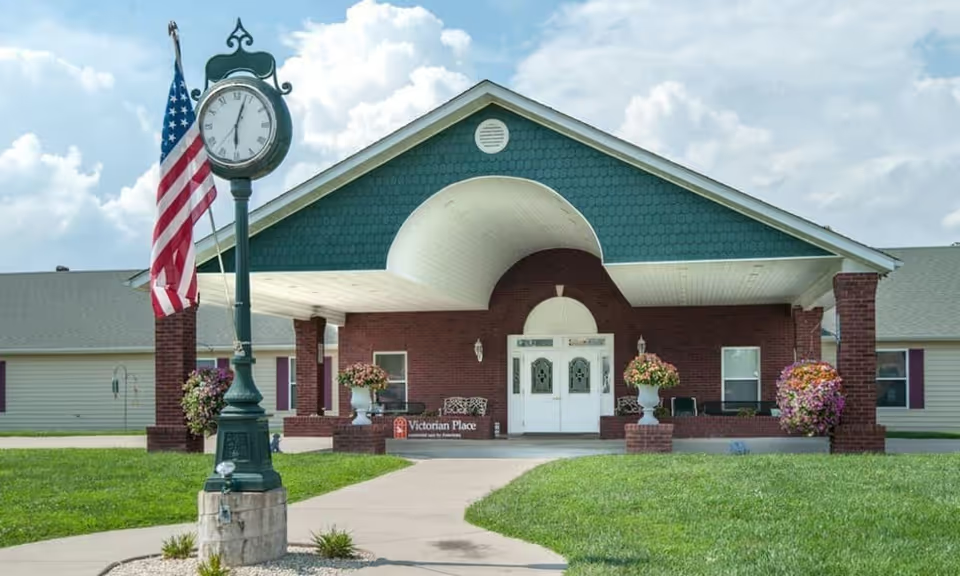
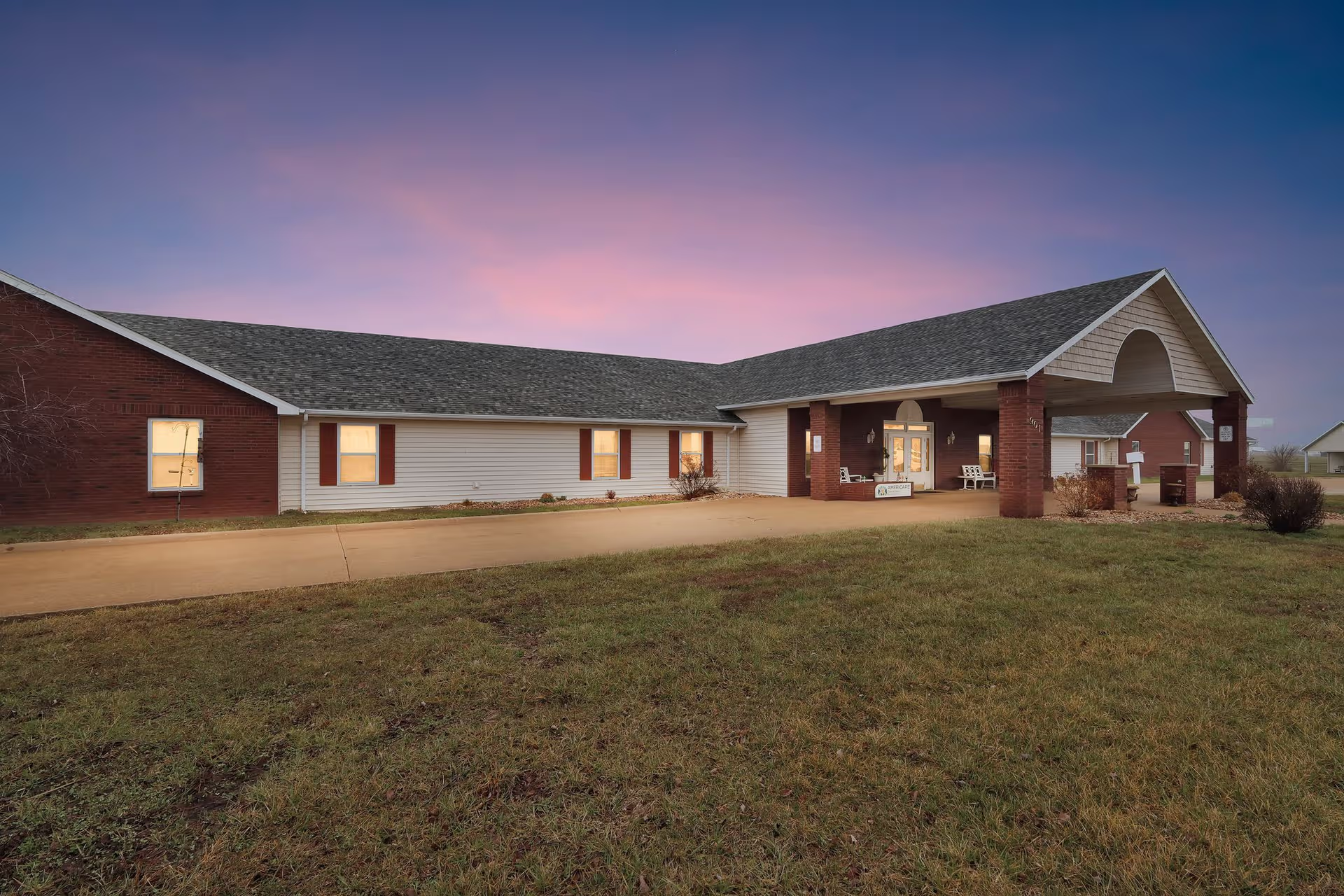
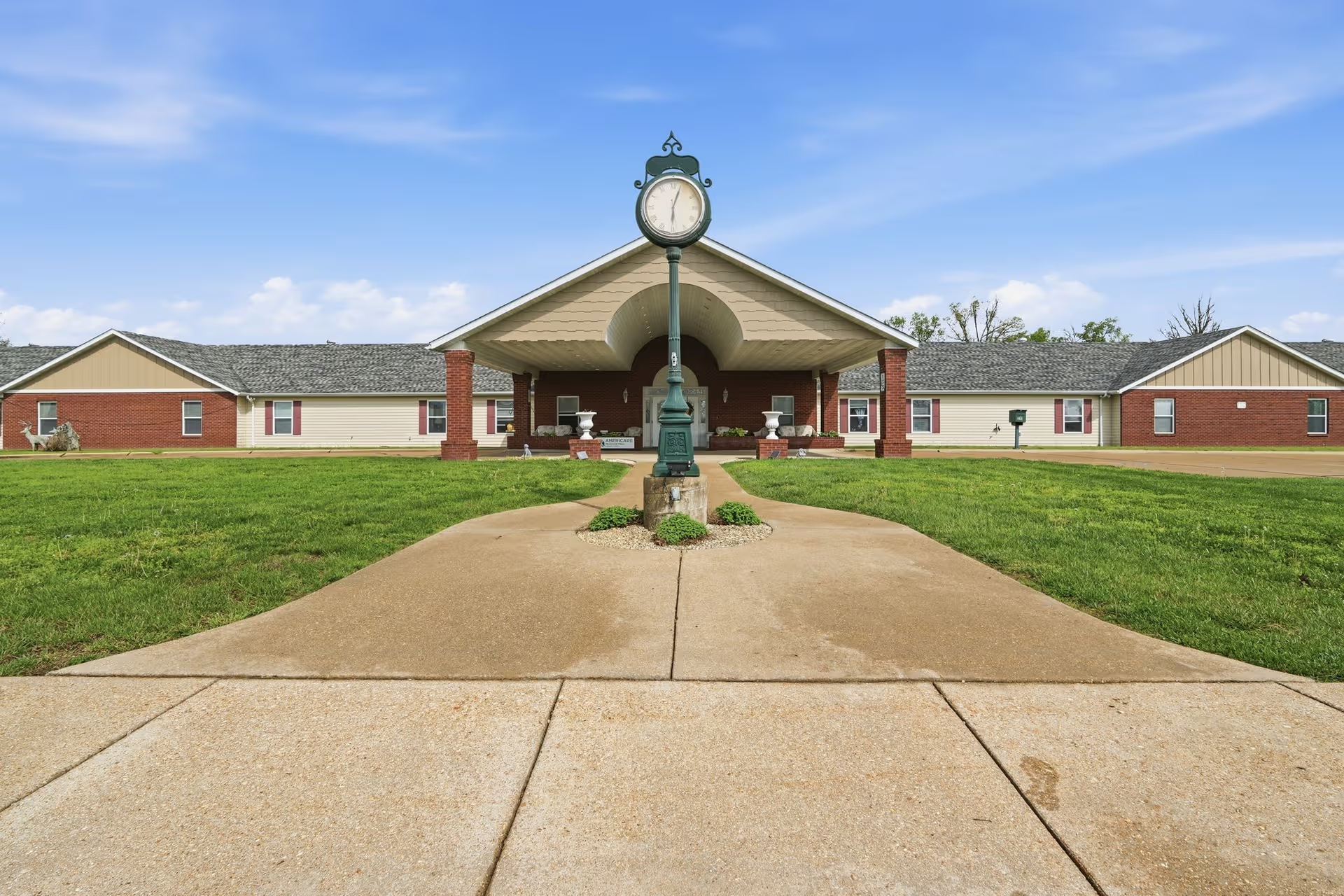
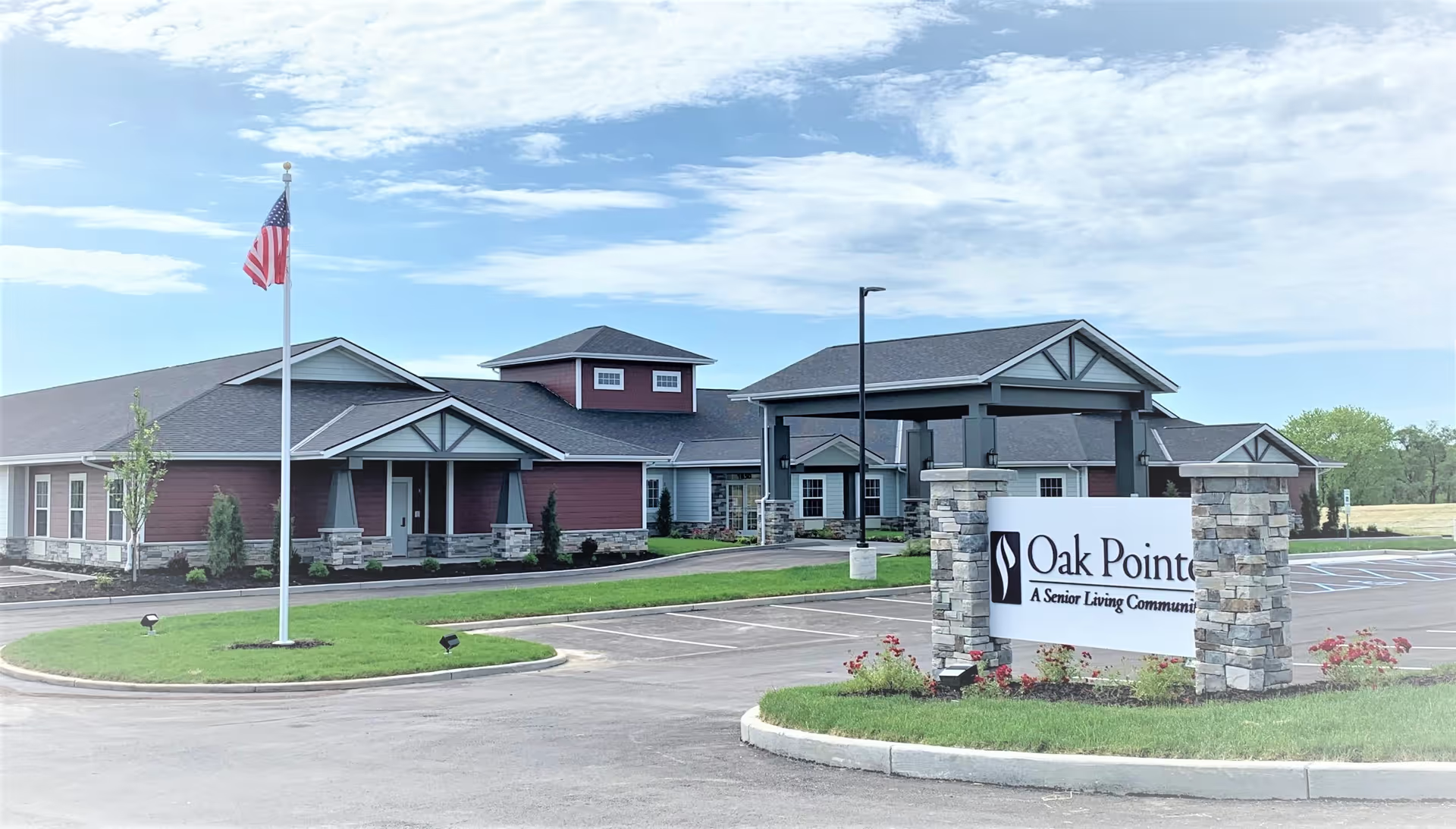
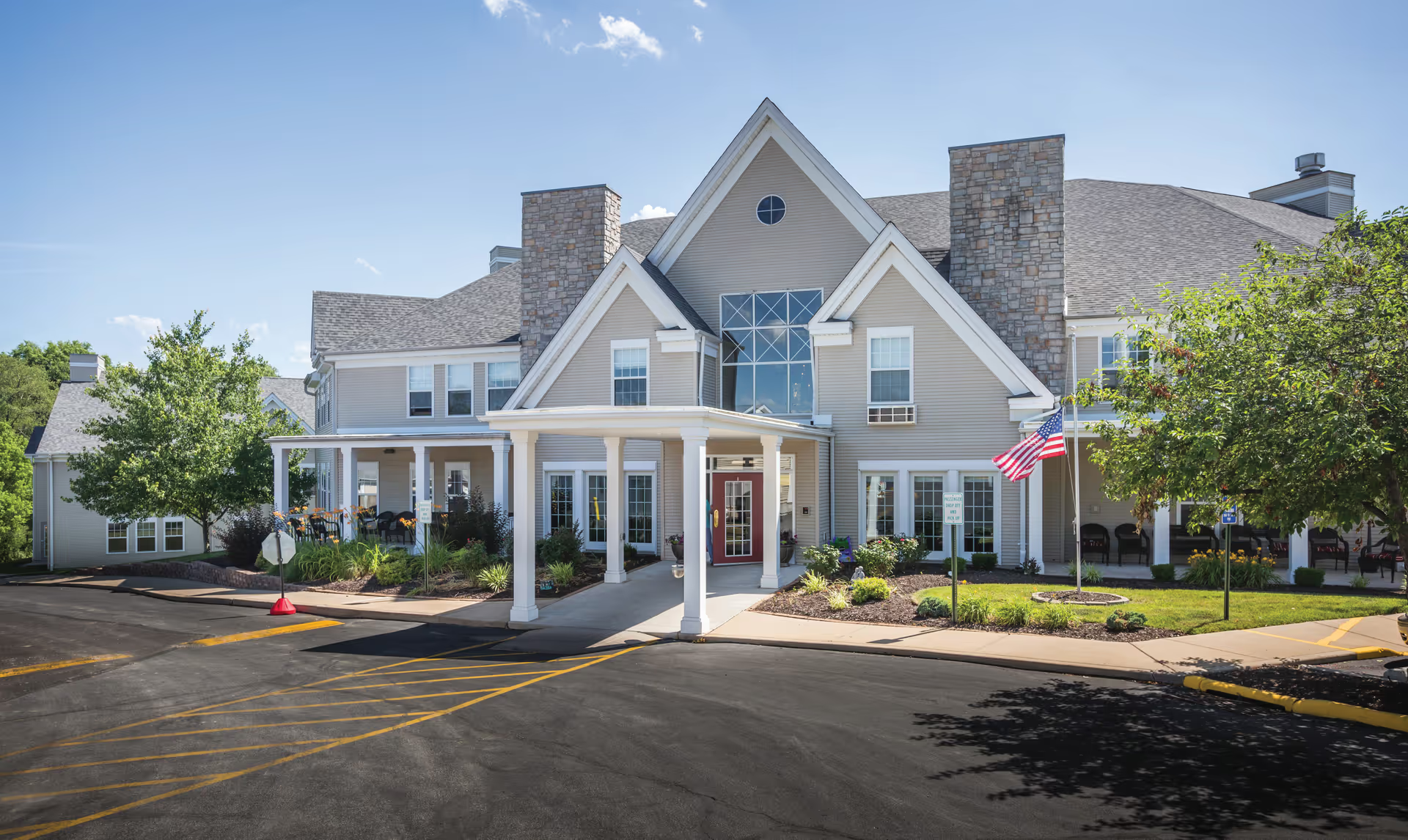
Facilities, dining, and services: The physical campus and apartments are consistently described as attractive and freshly remodeled. Units range from small suites to self-furnished apartments with mini-kitchens and private baths; many reviewers highlighted well-sized rooms, recent painting, and tasteful furnishing. Amenity highlights include a spa with walk-in tub and shower, game and TV areas, exercise space, and an outdoor courtyard. The dining area is noted as clean and pleasant, with appropriately portioned meals. Additional onsite services such as nail and hair care and options for off-site meals were mentioned positively, and several families perceived the community as reasonably priced relative to alternatives.
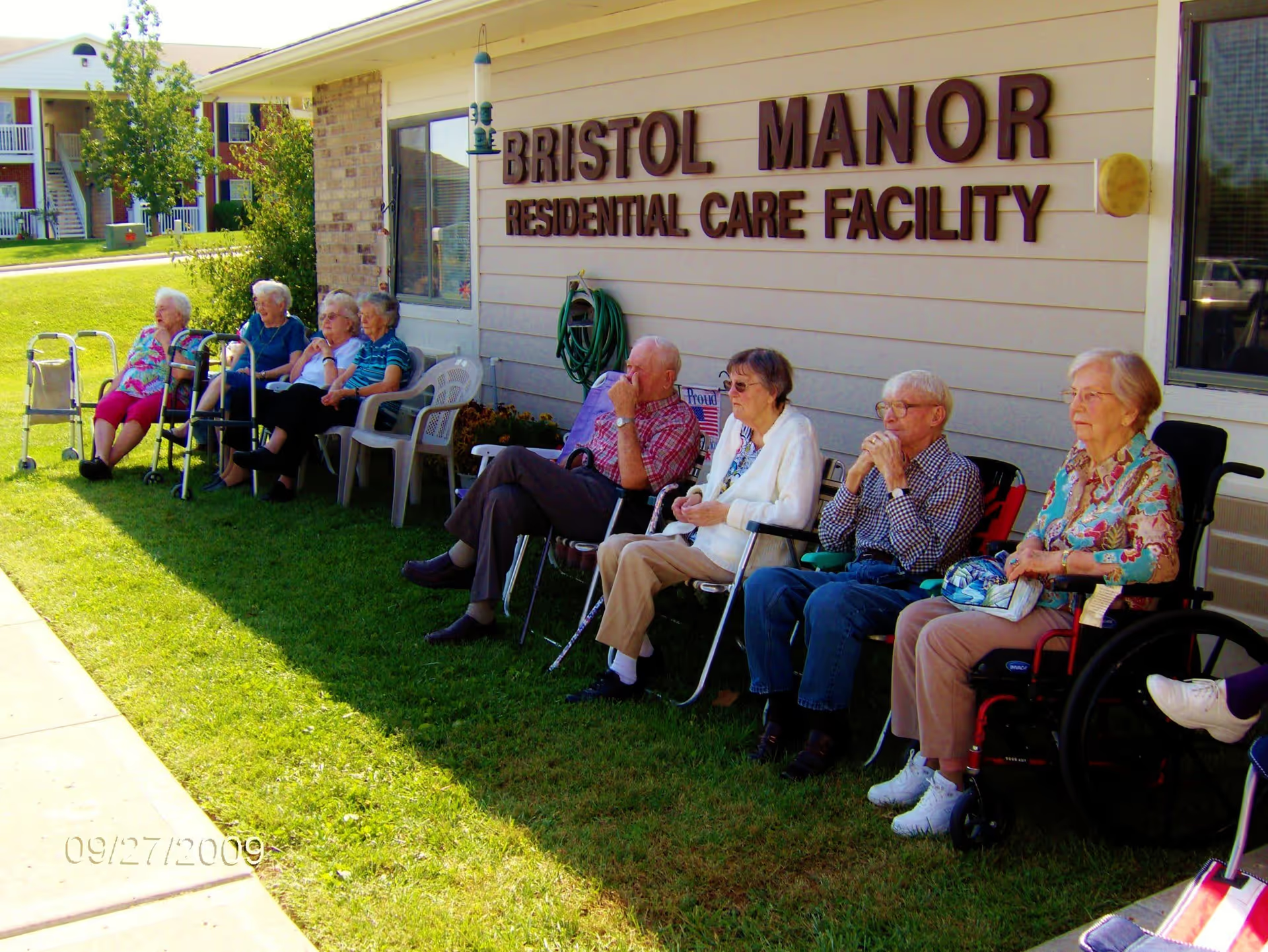
Activities and community life: The community is portrayed as engaging and small enough to foster familiarity among residents and staff. Activity programming and opportunities for socialization were cited as contributing to resident stimulation and a relaxed atmosphere. Reviewers valued staff efforts to include families and to make final years comfortable for residents.
Notable patterns and recommendations: The dominant pattern across summaries is strong, compassionate caregiving set within an attractive, small-scale facility. Counterbalancing that positive picture are a subset of operational concerns: medication administration reliability, fall-prevention and mobility-safety practices, consistency in assistance with activities of daily living (especially at night), and overnight staffing reliability. Prospective residents and families should ask targeted questions before moving in: What are the medication-administration protocols and audit practices? What fall-prevention measures and mobility-assessment routines are in place? How is overnight staffing structured and how are shift handoffs managed? What are the incident-notification procedures for families? Clarifying these operational details will help determine whether the facility’s overall strengths align with an individual’s care needs.