Reviewers present a polarized view of St. Andrew's at New Florence, with repeated praise for individual caregivers alongside persistent operational concerns. Several families described compassionate, attentive staff members who provided personalized, family‑like care and went beyond assigned duties; these reviewers credited the staff with improving resident mood and health and offered strong recommendations. Conversely, other reviewers raised substantive concerns about day‑to‑day care reliability and the facility environment.
Care quality appears mixed. Positive accounts emphasize hands‑on, caring nursing aides and clinicians who respond thoughtfully to resident needs. However, numerous comments identify delays in responsiveness to call lights and gaps in bathroom and incontinence assistance, as well as isolated clinical-management issues (for example, oxygen-related delays and dementia‑care challenges). These patterns suggest variability in frontline responsiveness and in clinical coordination, and prospective families should directly assess staffing levels and response-time metrics during a visit.
Staffing and leadership feedback is similarly divided. Many reviewers single out individual employees for praise, noting kindness, truthfulness, and staff who go above and beyond. At the same time, there are recurring notes about high staff turnover, regular use of contract/agency nurses, and breakdowns in communication and coordination at the nursing‑leadership level. Several reviewers also described a defensive management posture and limited transparency when concerns were raised, which may affect how issues are addressed and communicated to families.
Dining and activities receive mixed evaluations. Some residents and families praised the meals as enjoyable and appropriate for dietary needs, and the facility offers amenities such as a library and game rooms. Other comments point to inconsistent meal quality and a reliance on processed foods rather than home‑cooked options. Activity offerings were described as limited in scope by some families, with reports that residents experienced loneliness when programming was sparse.
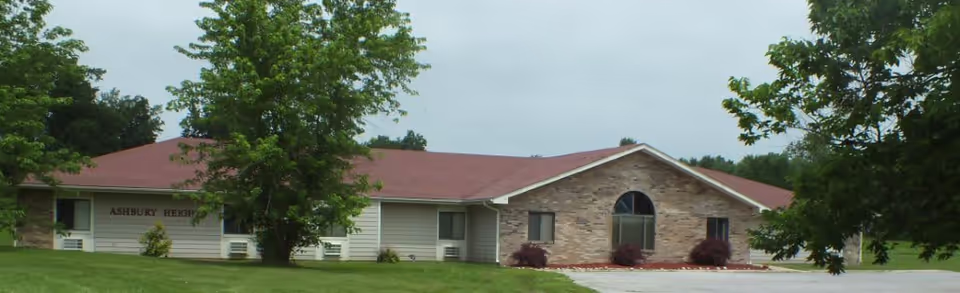
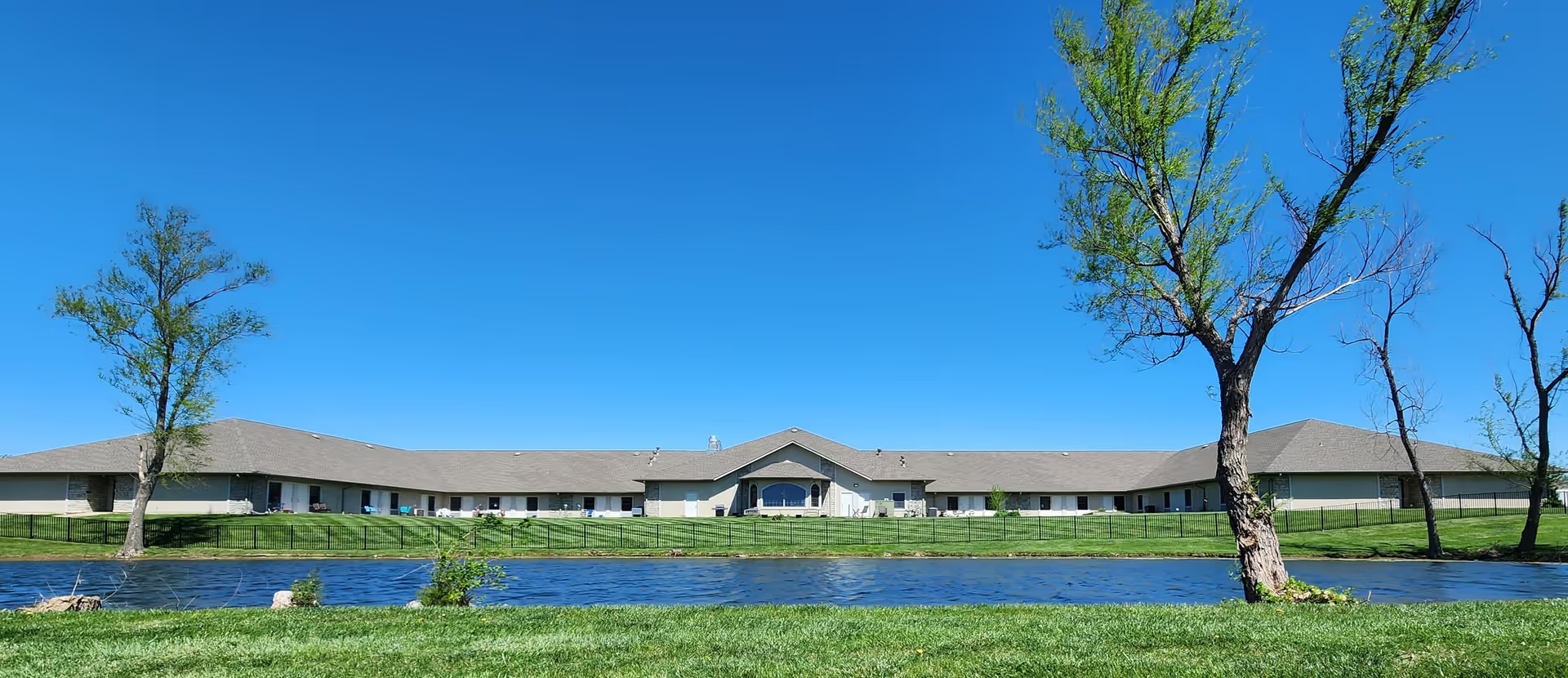
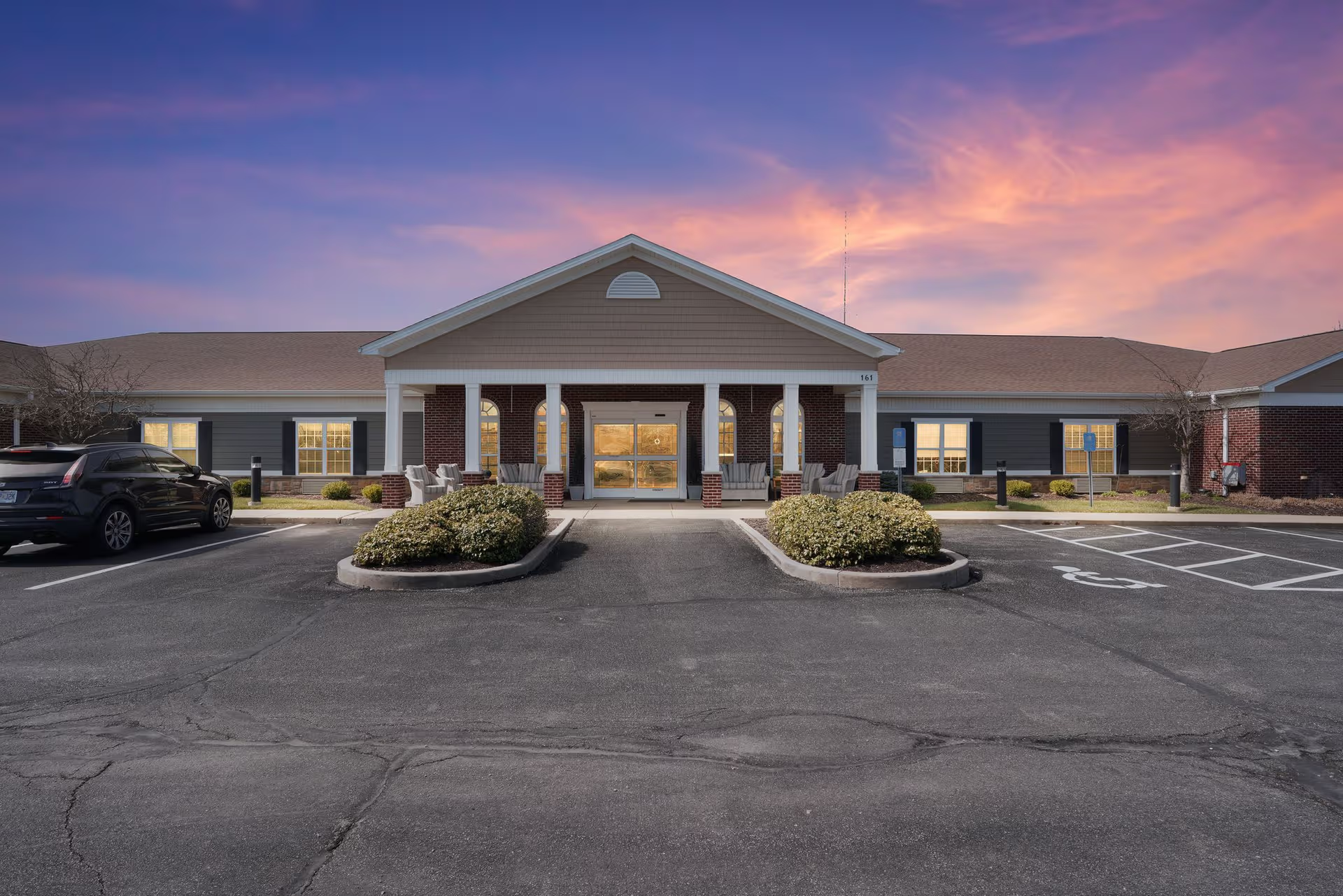
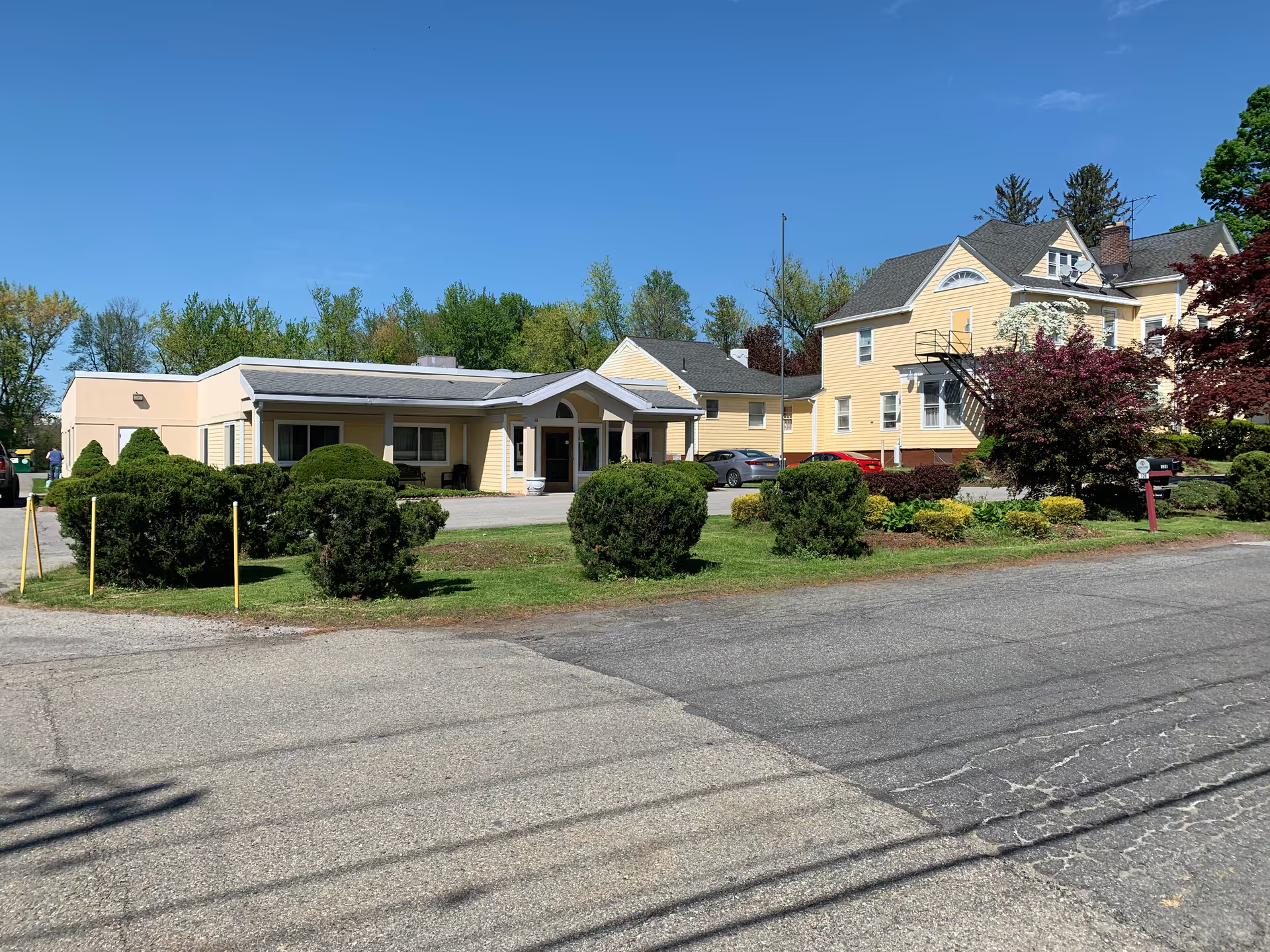
Facility condition and maintenance emerged as a frequent theme. Multiple reviewers raised sanitation concerns at move‑in and ongoing cleanliness lapses in resident rooms and bathrooms, along with odor concerns in rooms and corridors. Observations also included dated finishes, rusted or aging equipment, and overgrown exterior landscaping—indicators of broader maintenance and housekeeping challenges. While some units were described as clean and odor‑free, the overall picture indicates inconsistent facility upkeep.
Taken together, the reviews indicate a facility with notable caregiving strengths at the individual level but with operational weaknesses that affect consistency of care and environment. Key patterns to explore in person are housekeeping and move‑in procedures, staffing stability and the use of agency nurses, response times to call lights, dementia‑care protocols, and manager/family communication practices. Families who value compassionate individual caregivers may find strong relationships here, while those prioritizing consistently high facility maintenance and predictable clinical responsiveness should conduct thorough, targeted visits and ask for recent staffing and quality metrics before deciding.