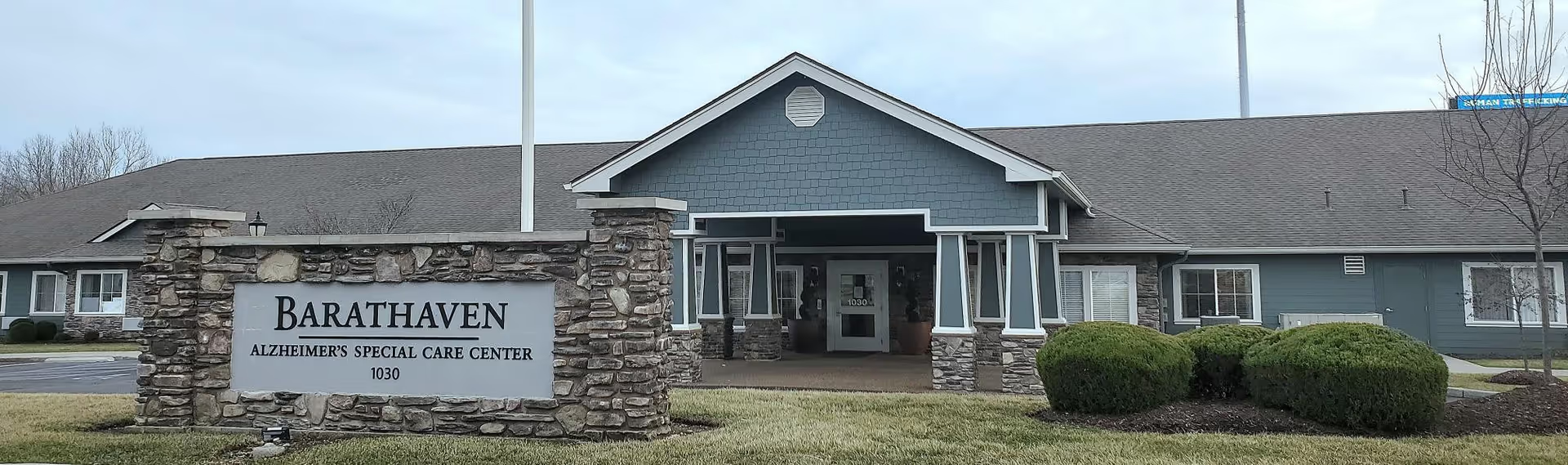
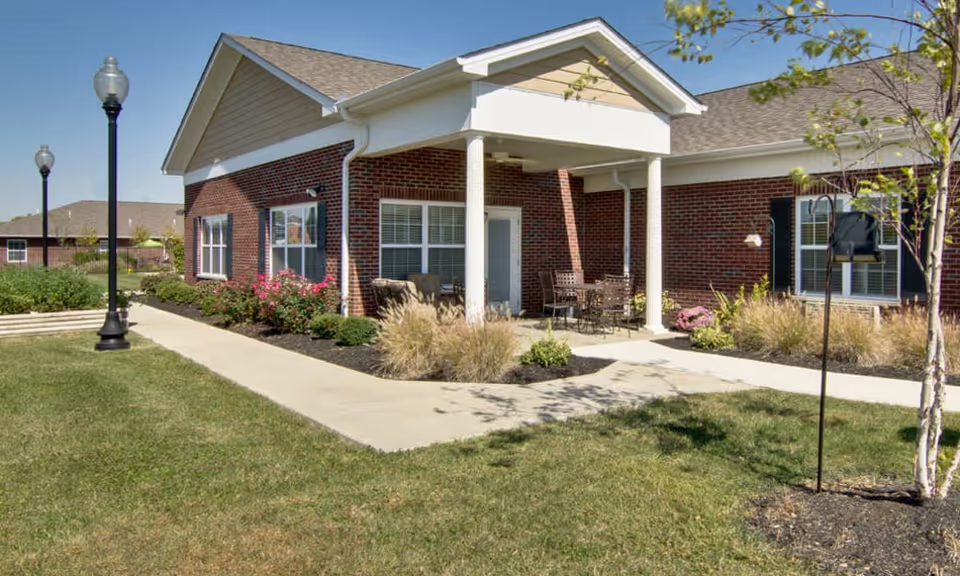
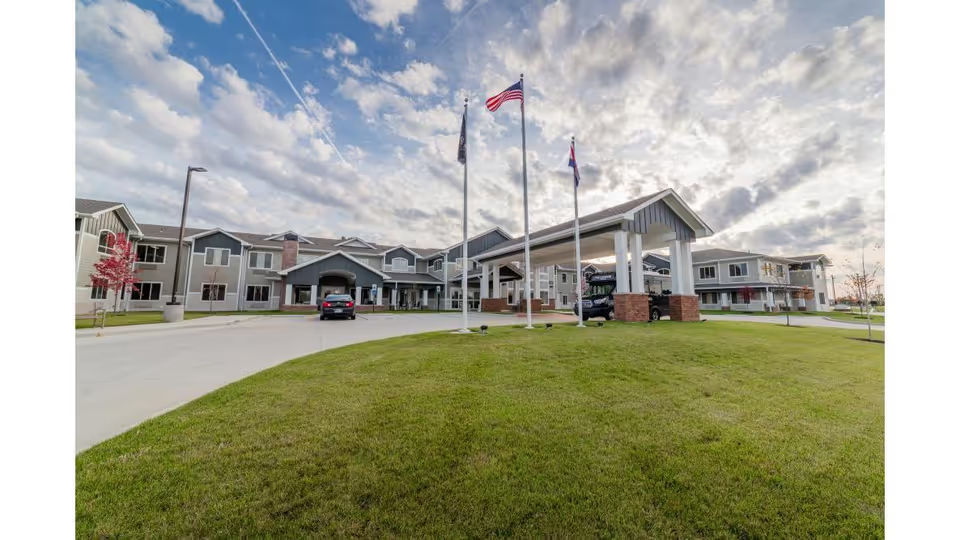
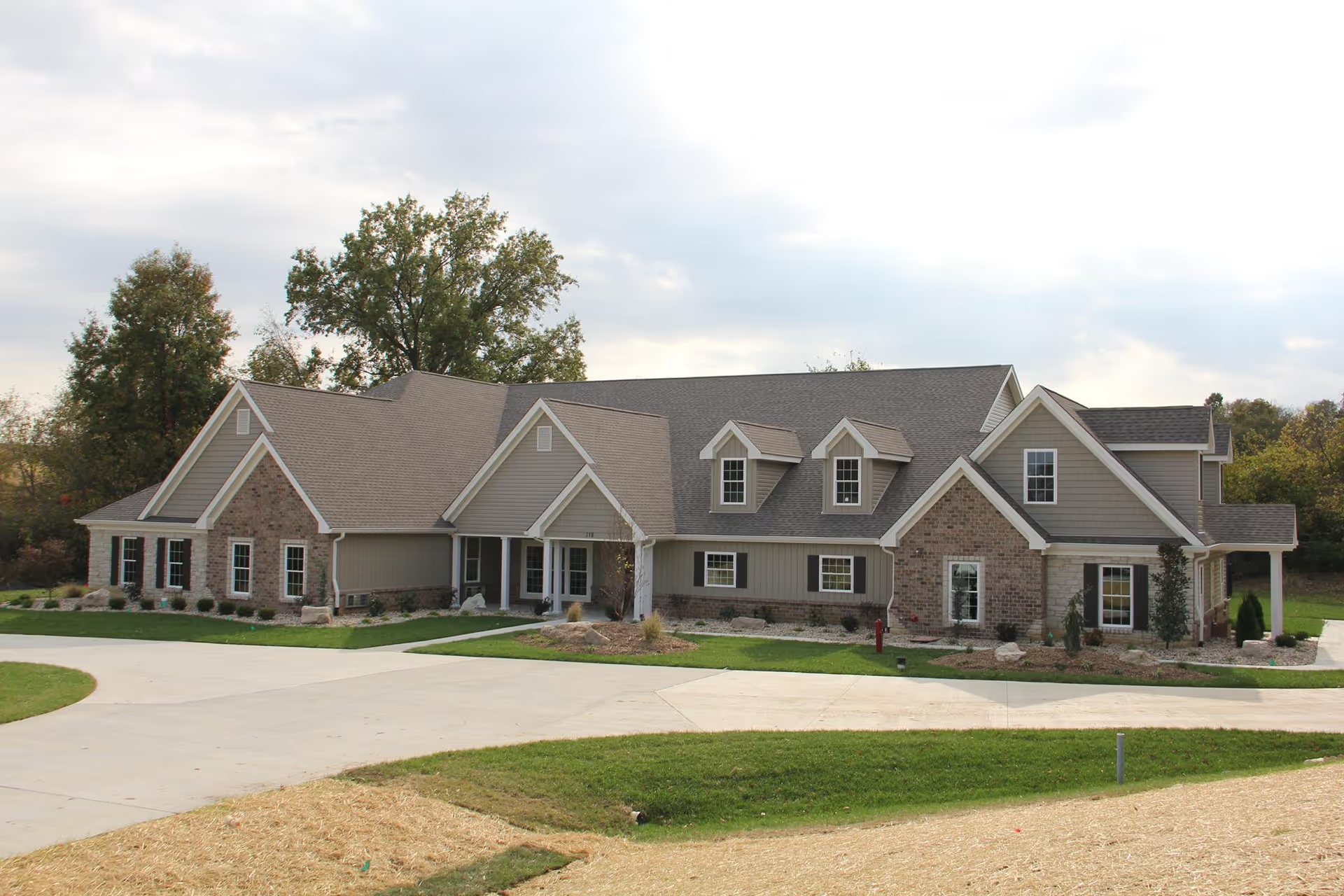
Overall impression: Twin Oaks at Heritage Pointe is consistently described as a clean, well-maintained, and tastefully appointed senior living community with a strong emphasis on personalized, family-style care. The community is family-owned and locally managed, which reviewers associate with hands-on leadership, quick responsiveness to requests, and a sense of continuity in staffing. Many families emphasize the compassionate demeanor of caregivers, long staff tenure, and examples of staff going beyond routine duties to create a welcoming, home-like environment.
Care and staff: Reviewers highlight attentive and caring staff, frequent personal outreach from charge nurses, and 24/7 oversight as strengths. The staffing model appears to produce close staff–resident relationships for many residents, contributing to feelings of safety and connection. At the same time, there are operational concerns about staffing consistency and clinical visibility: some families experienced delays in assistance or found fewer nurses/techs present at certain times. A small number of accounts indicate variable administrative interactions at intake or through the front desk, suggesting occasional fluctuations in communication tone and follow-through.
Dining and activities: The program of activities is a clear strength—organized social programming includes live music, theater outings, exercise classes, Bible study, Java Music, Armchair Travel, and frequent festive events that support an active social life. Meals are often described as enjoyable, varied, and communal; however, reviewers also note inconsistency in dining quality and a shortage of some healthier options (for example, fresh fruit and yogurt availability and lighter entrée choices). Some diners found the service less restaurant-style or desired more menu variety on certain days.
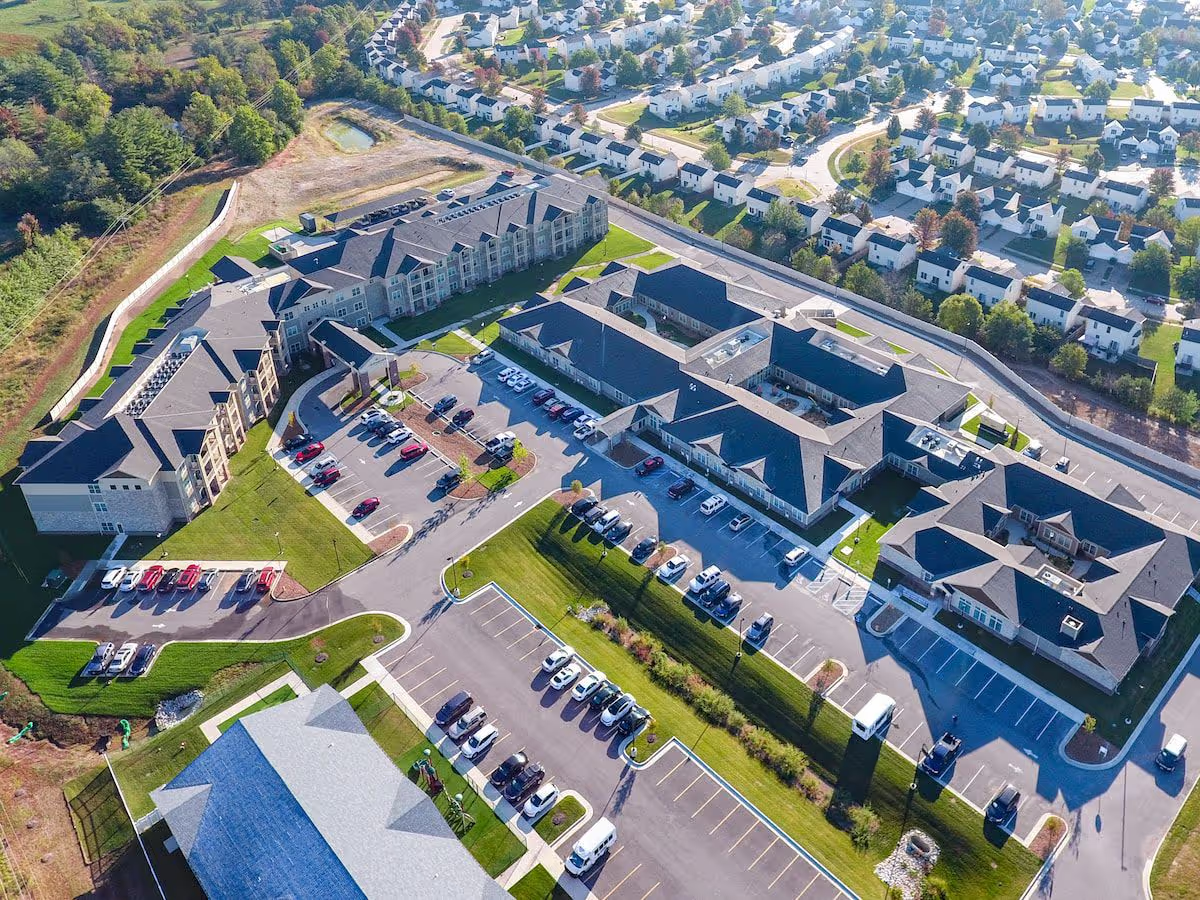
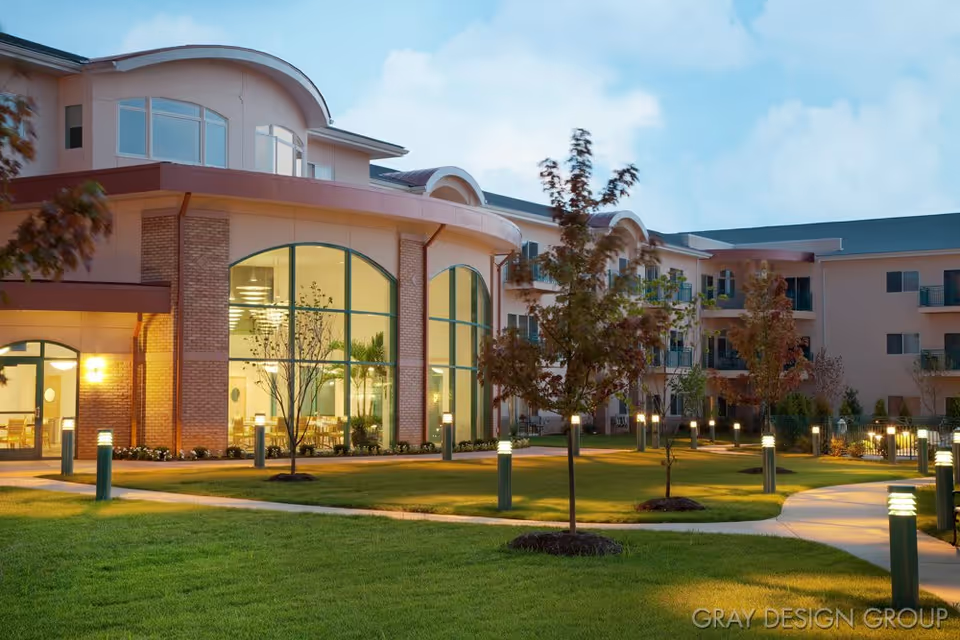
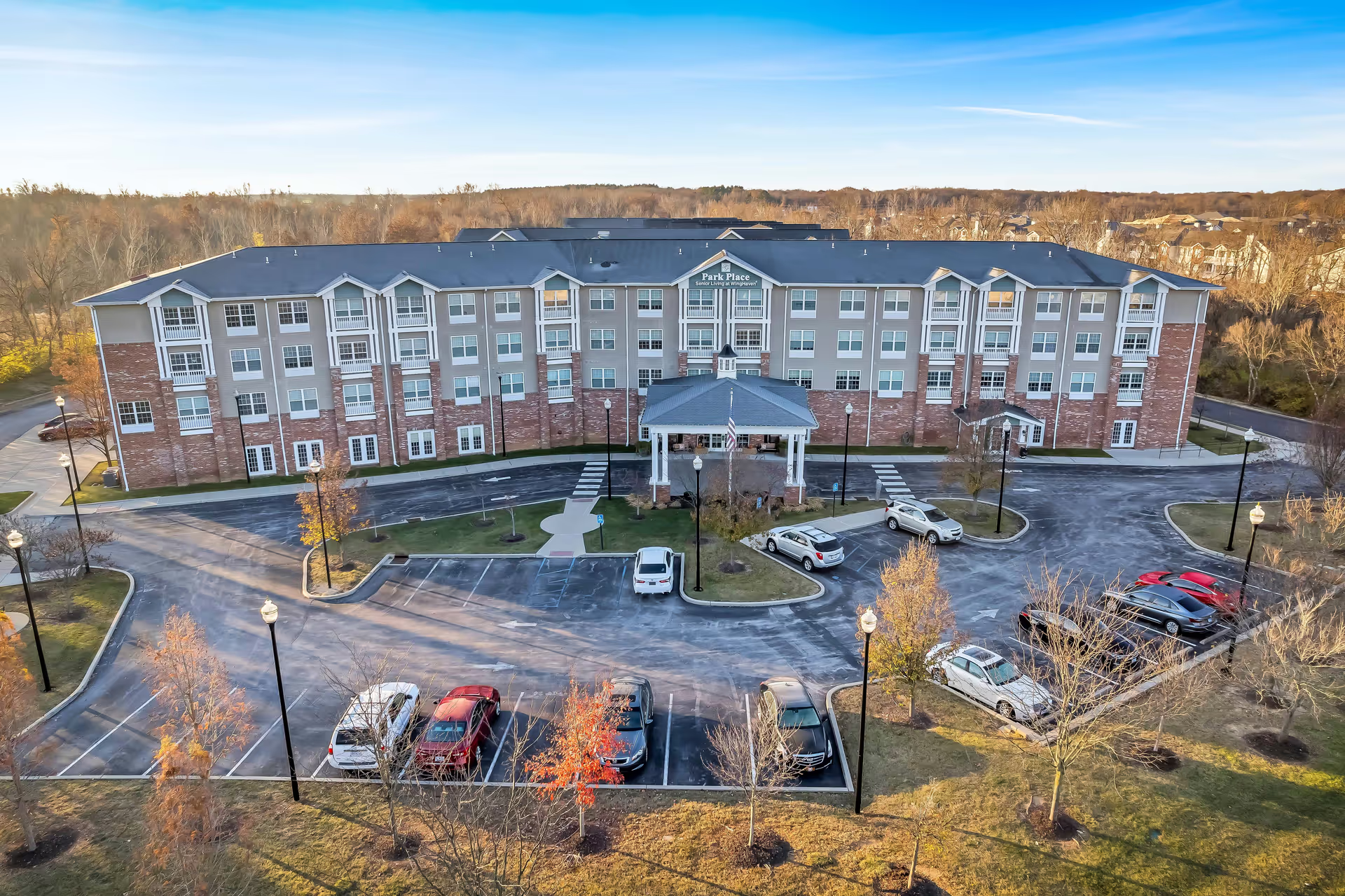
Facilities and unit design: The physical plant receives uniformly positive comments for cleanliness, newness, and tasteful decor. Apartments and villas are described as spacious and well appointed in many units; however, certain unit types—notably first-floor assisted-living studios—are called out as small, with shared patios and limited private outdoor grassy areas for pets. Design trade-offs were also noted (for example, some villa residents must cross outdoor areas to reach the dining room). Parking, garage access, and proximity to local services are considered convenient by families.
Memory care and clinical services: The community offers a continuum from independent living through memory care, which is convenient for families wishing to remain on a single campus. Reviewers indicated a gap in memory-care programming relative to assisted-living activities: memory-care residents were observed to be less engaged in group programming and there is interest in more structured, unit-specific activities. Clinical concerns raised by families focus on inconsistent clinical presence and staffing ratios at times, rather than on systematic clinical failures; these are operational areas for monitoring.
Management, cost, and availability: Family ownership and local decision-making are repeatedly cited as positives, providing perceived responsiveness and a community feel. Conversely, the community can be relatively expensive for some budgets, certain unit types carry premium pricing, and there are long waitlists for popular layouts (notably one-bedroom apartments). Prospective residents should plan for potential wait times and verify current pricing and availability.
Notable patterns and recommendations: Strengths center on staff compassion, robust activities, clean facilities, and a strong community ethos. Areas for prospective residents to evaluate in person include staffing visibility during different shifts, the specific unit layout (especially first-floor studios), memory-care daily programming, and the dining menu for individual dietary preferences. Overall, Twin Oaks appears to offer a warm, activity-rich environment with strong interpersonal care — balanced by operational trade-offs around staffing consistency, certain unit designs, dining variability, and cost/availability constraints.