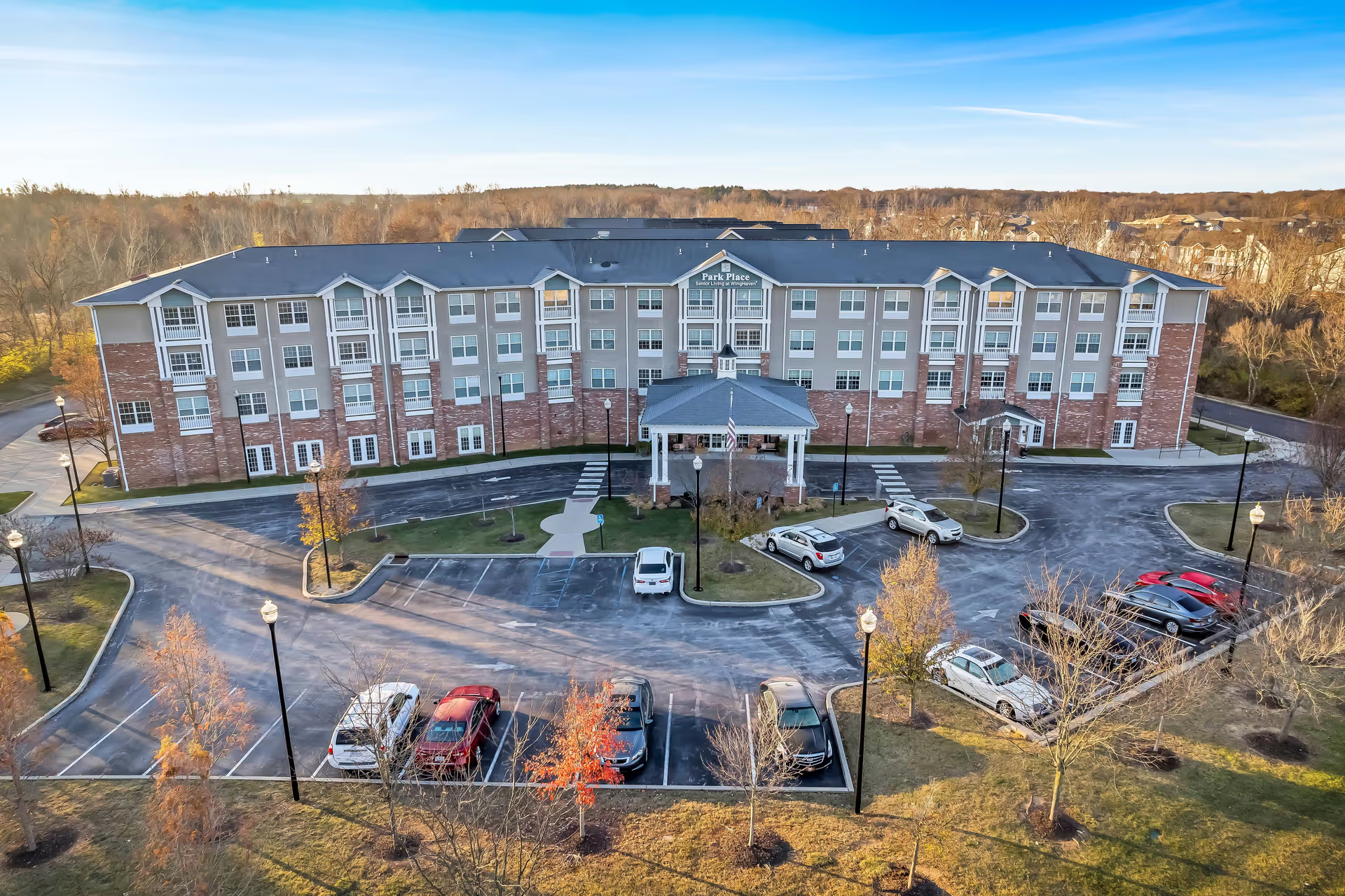
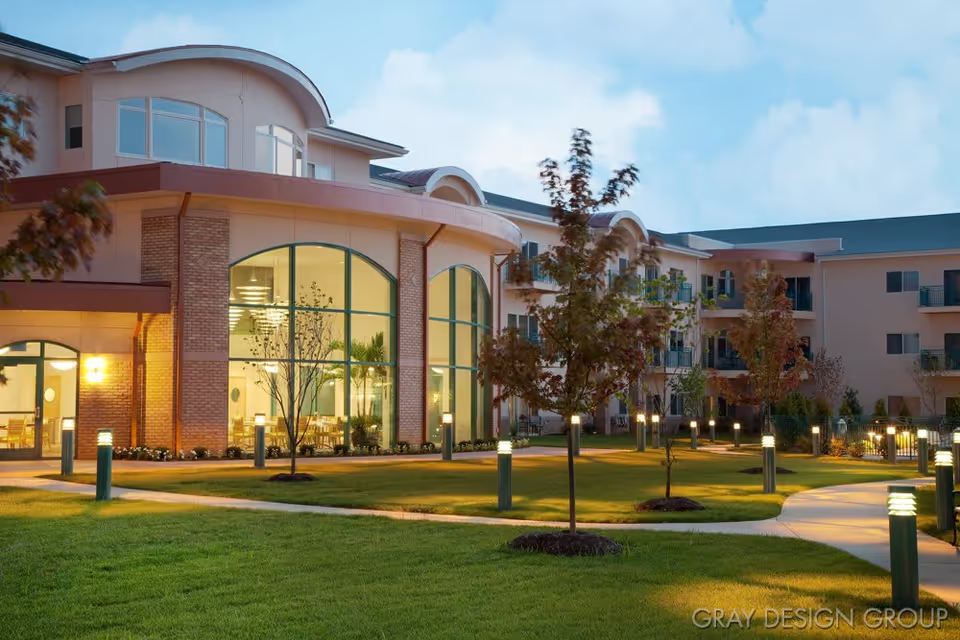
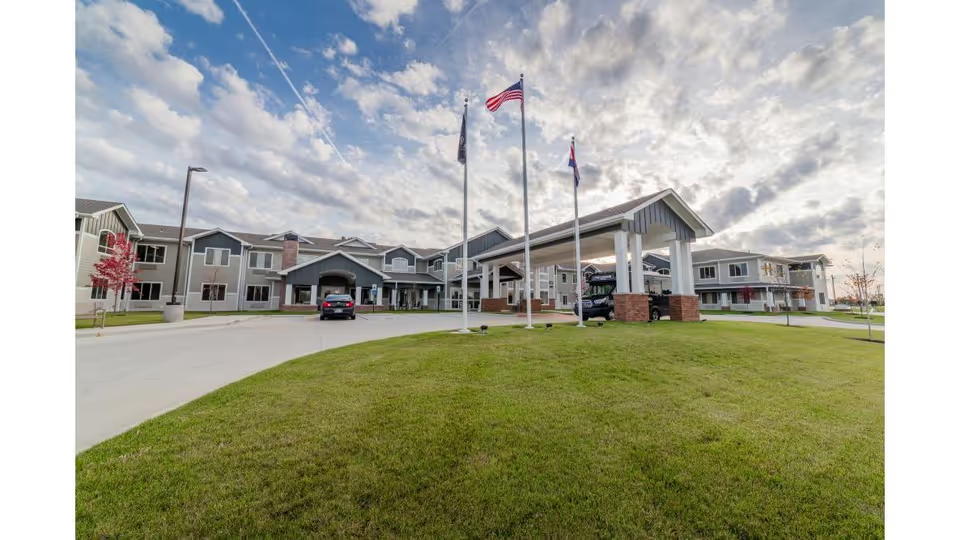
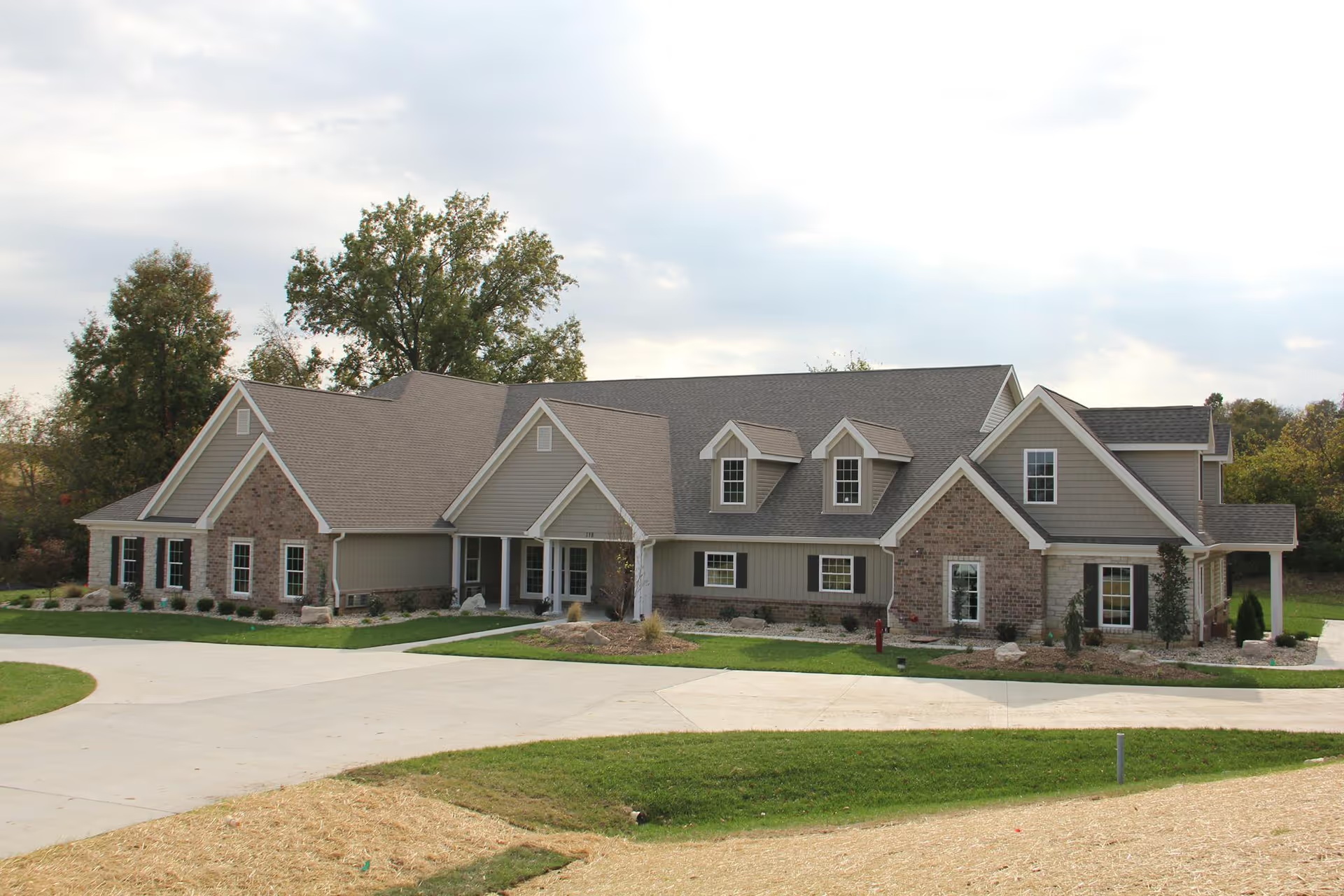
Barathaven positions itself as a memory-care–focused community with many attributes that families commonly seek for residents with Alzheimer’s or related dementias. Strengths frequently cited include a warm, person-centered caregiving culture, specialized dementia programming (SPARK and Montessori approaches), an active and varied activity calendar with frequent outings, and a built environment designed for movement (continuous hallway loop and secure courtyard). Several reviewers praised the on-site therapy and rehabilitation resources, home-like private rooms, and visible social engagement opportunities such as music, gardening, and group events.
Care quality elicits polarized impressions. Many families describe compassionate, attentive caregivers who know residents by name and support residents’ social and emotional needs. At the same time, a recurring pattern of operational problems is described: staff turnover and understaffing that can affect responsiveness; lapses in medication administration and clinical oversight; and limited capability for higher-acuity medical needs (notably low RN coverage and no IV/feeding-tube support). A subset of accounts raises serious concerns about end-of-life symptom management and conduct during critical incidents; these are described as individual allegations and underscored the need for direct verification of clinical oversight and escalation procedures when evaluating placement.
Dining, housekeeping and sanitation feedback is mixed. Many reviewers found meals varied and well-prepared and praised dining staff and chefs; others reported inconsistent meal temperatures, simplified service on occasion, and kitchen or sanitation concerns. Personal-belongings and laundry handling are another area of inconsistency—some families experienced delays or missing items. Prospective families should sample food, ask about kitchen sanitation records, and confirm laundry procedures during a tour.
Activities and environment are strong selling points for Barathaven. Reviewers frequently highlighted robust and creative activity programming, active engagement from activity staff, frequent outings, live music, and therapeutic approaches that encourage resident purpose (gardening, jobs, Montessori tasks). The facility’s layout—open, single-level, and movement-friendly—along with secure outdoor access and rehabilitative amenities, is repeatedly described as supportive for memory-care residents.
Management and communication show wide variability in experiences. Several reviewers commended specific administrators and staff for clear communication and proactive family outreach. Conversely, others described inconsistent administrative responsiveness, lost or repeatedly requested paperwork, and decisions that appeared to reflect internal staffing or policy constraints. Contract terms, extra charges, and refund/notice policies are noted as rigid by some families; careful review of the contract and fee schedule is advised. COVID-era visitation rules affected oversight for some families, though staff-facilitated virtual contact was also noted positively.
Notable patterns and practical takeaways: reviews are highly polarized—many detailed sustained positive experiences with dementia-focused care and engagement, while a smaller but significant set of reviews documented operational or clinical breakdowns that materially affected resident well-being. When considering Barathaven, families should perform targeted due diligence: verify current staffing ratios and RN coverage, review medication-administration protocols and incident reporting, inspect pest-control and kitchen sanitation logs, observe meal service, clarify laundry and personal-item procedures, and review contract terms including notice/refund policies. Visiting at different times of day and speaking directly to nursing leadership about clinical capabilities will help determine whether the facility’s strengths align with a prospective resident’s needs.