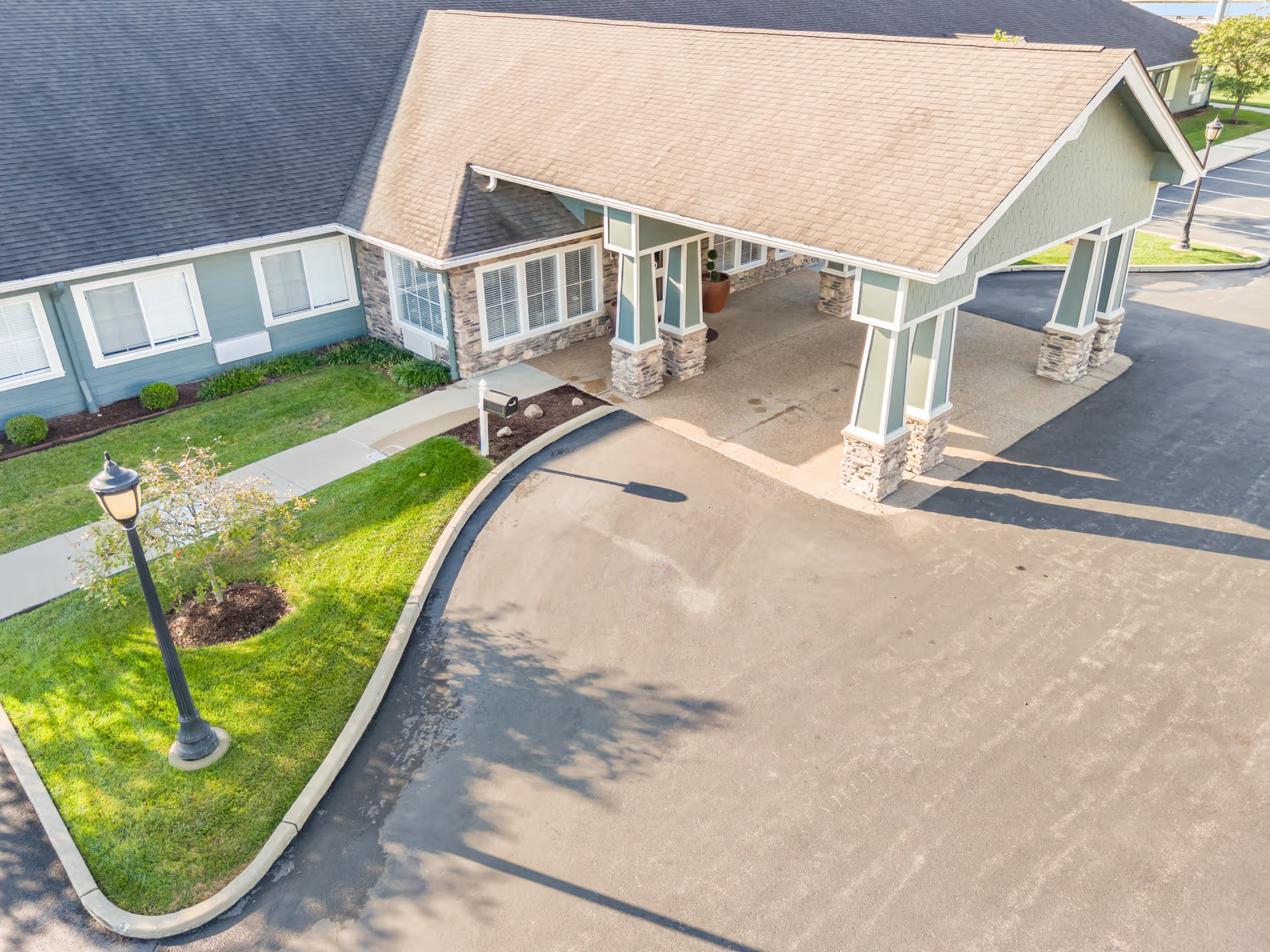
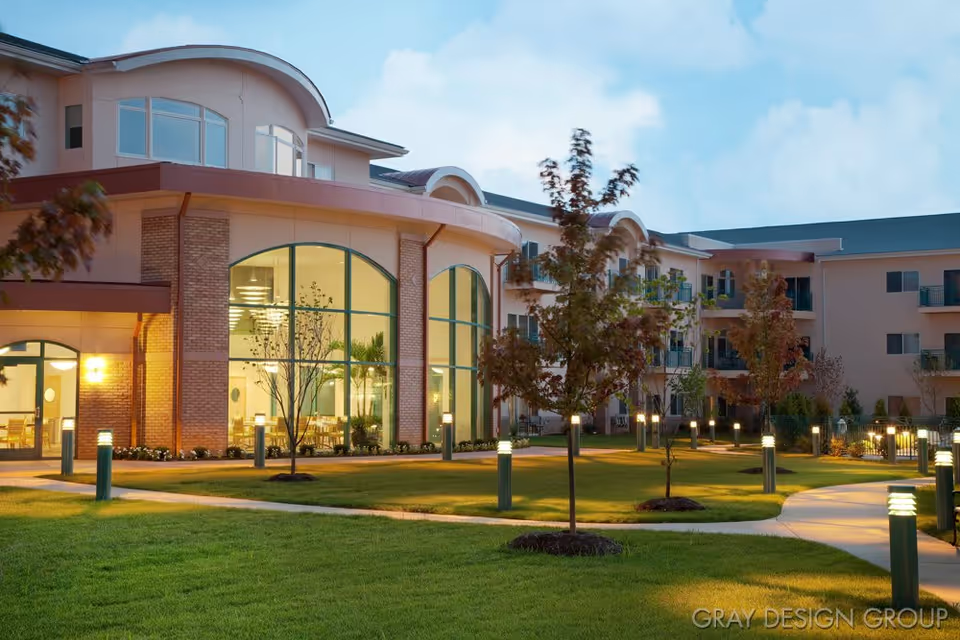
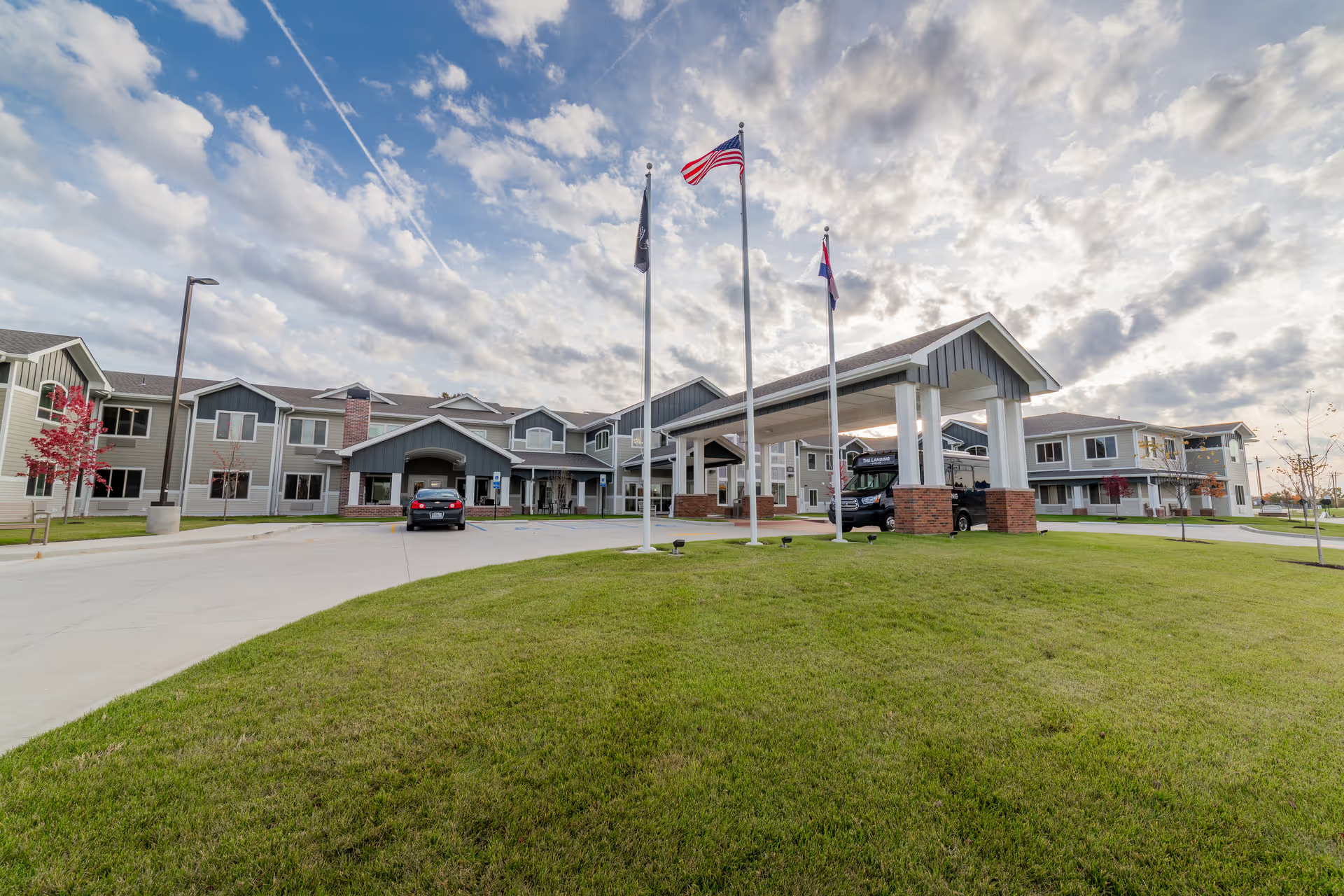
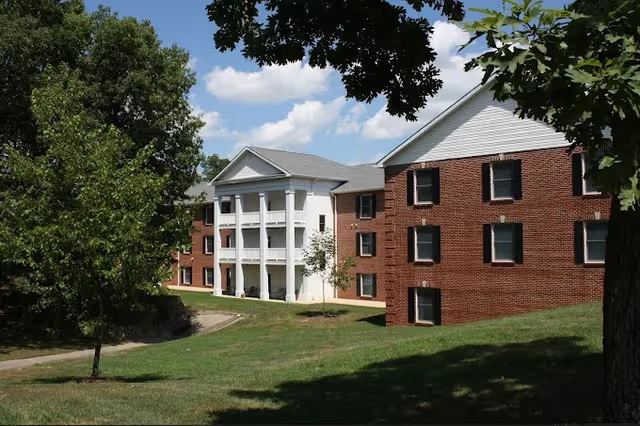
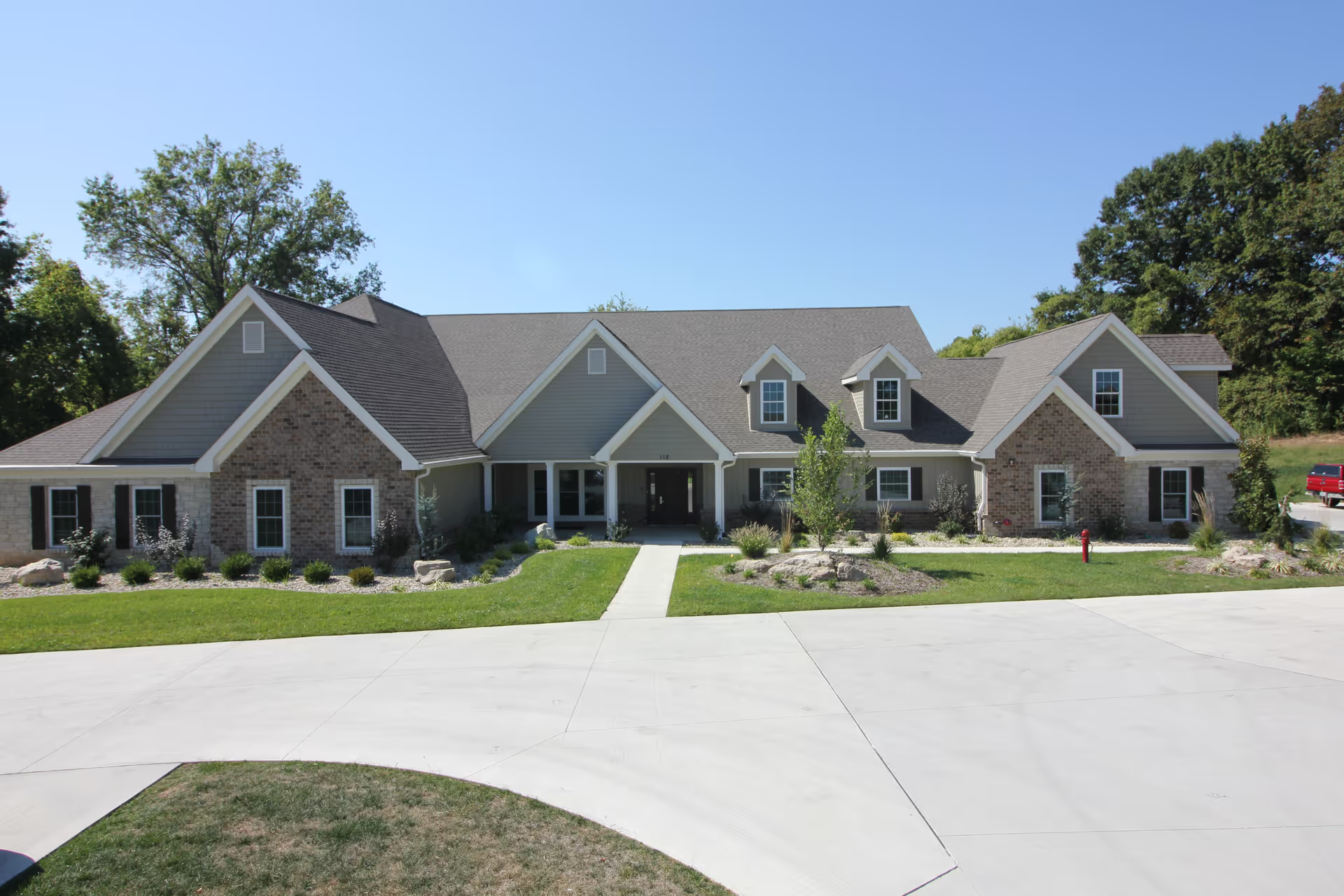
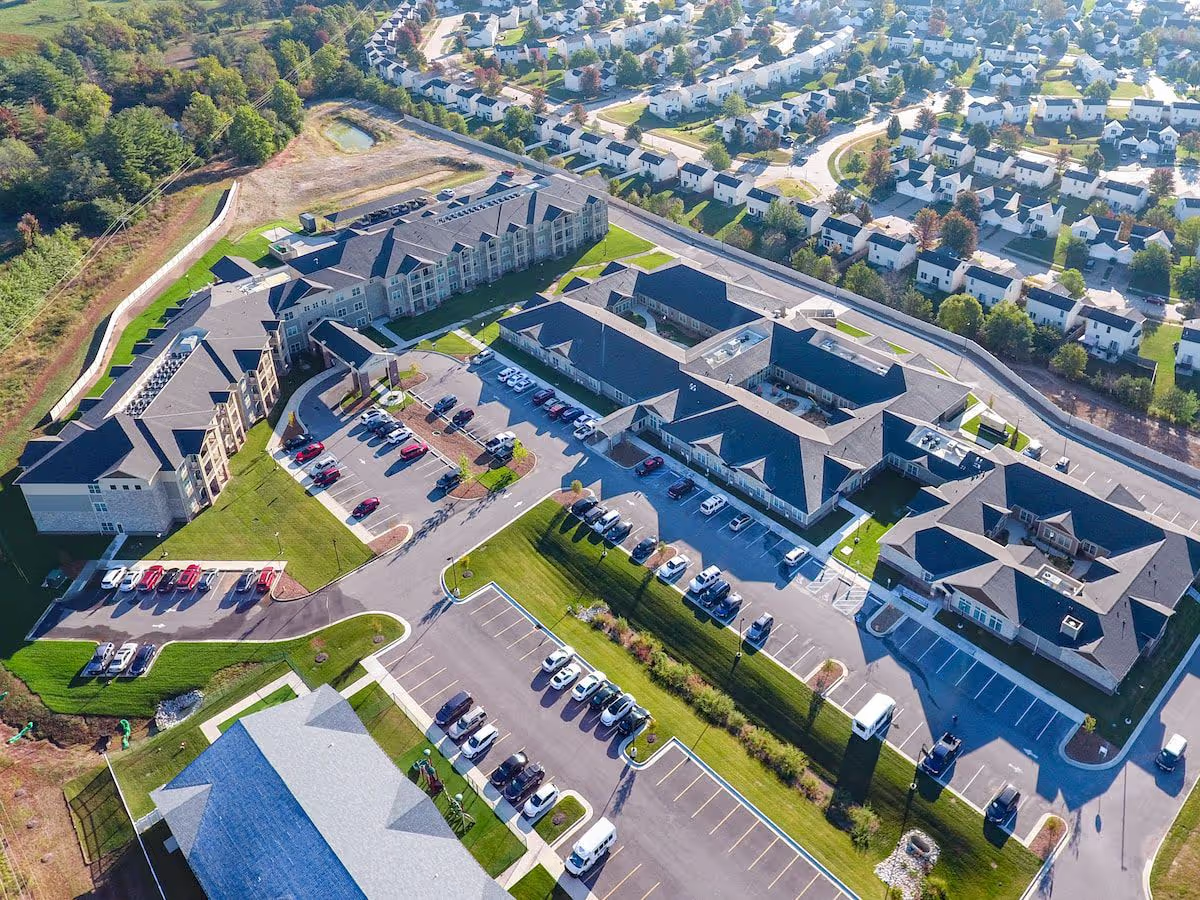
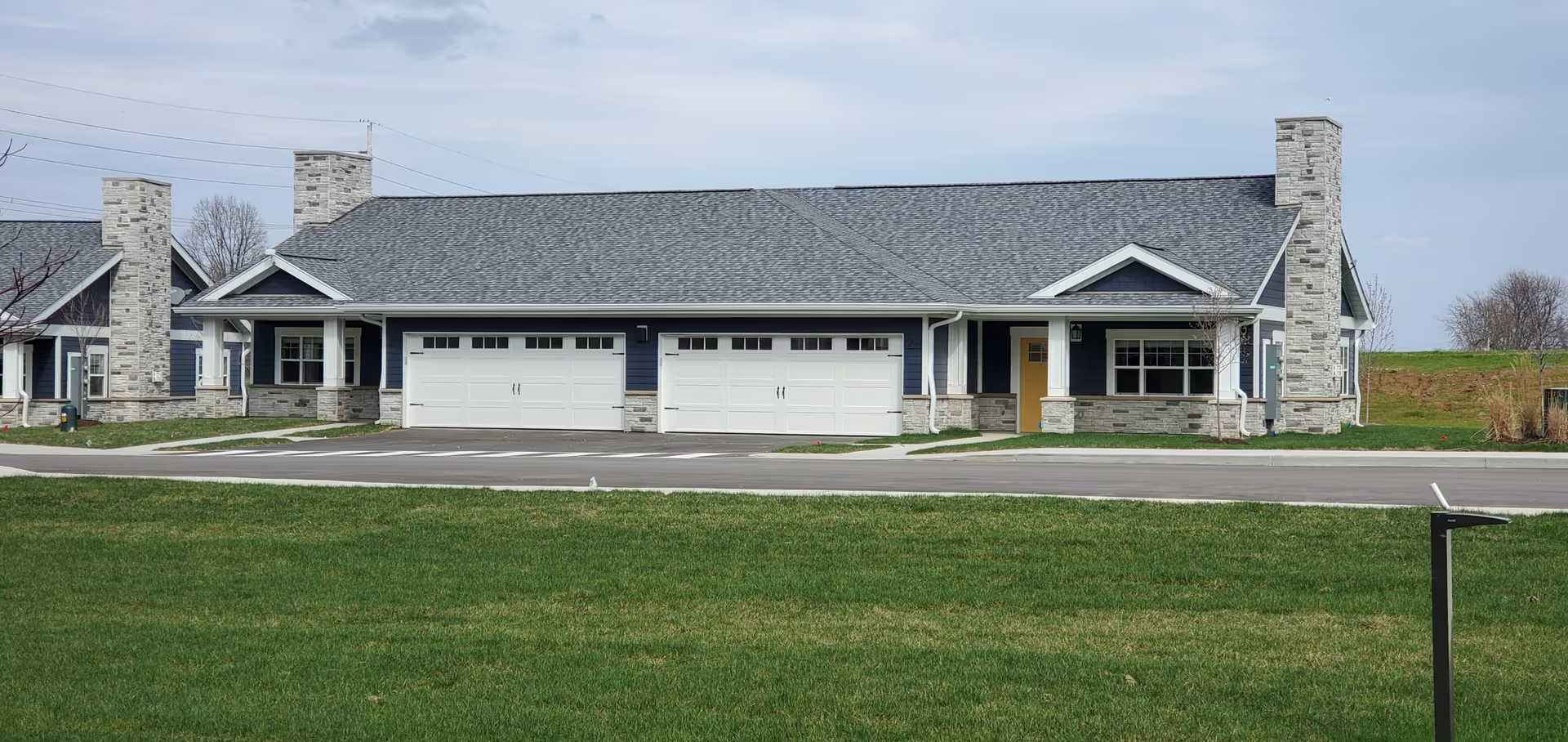
Overall impression: Park Place at Winghaven presents as a modern, upscale community with extensive amenities and a strong emphasis on social programming. Reviewers consistently praise the facility’s attractive, hotel‑like appearance, landscaped courtyard with koi pond, indoor pool and spa, theater and game rooms, and a full activity calendar including outings, live entertainment, and fitness classes. Apartments with balconies and kitchenettes, private dining and family‑gathering spaces, and visible move‑in support contribute to a positive first impression for many prospective residents.
Care and staff: Many families described attentive, personable caregiving staff who learn resident names and preferences, with examples of prompt clinical assessments and individualized attention during initial move‑in. That said, there is a recurring pattern of staffing instability: high turnover, uneven training, and thin coverage nights and weekends. These operational weaknesses have been associated in reviews with inconsistent delivery of assisted‑living and memory‑care services, lapses in medication administration, and delays in responding to care needs. Memory‑care experiences vary widely between households — some families note meaningful, life‑improving support while others describe supervision and sanitation gaps that merit careful exploration during a tour.
Dining: Dining is a prominent feature of the community, with many positive notes about restaurant‑style service, varied entrees, themed meals, and amenities such as an ice‑cream bar and happy hour. Several reviewers praised particular dishes and overall meal variety. Conversely, a substantial number of comments point to inconsistency in meal quality and execution — food served cold, overcooked vegetables, and difficulties accommodating certain dietary restrictions (notably diabetes) were raised. Prospective residents should confirm current menu options, meal‑service timing, and the facility’s process for special dietary needs.
Activities and amenities: The activity program is frequently cited as a strength: water exercise, group classes, craft and card rooms, library, beauty salon, and frequent off‑site trips create multiple engagement opportunities. Some reviewers, however, indicate that assisted‑living and memory‑care residents do not always have the staff support needed to participate fully, and there are occasional access restrictions to amenities such as the pool or gym for higher‑need residents. Verify how activity participation is supported for the care level you require.
Facilities and cleanliness: Physical plant and common areas are consistently described as clean, modern, and well maintained — many reviewers commented on the attractive lobby, courtyard features, and new construction feel. Alongside that, there are isolated but recurrent sanitation and laundry handling concerns in certain care areas; families should directly observe hygiene practices in the care neighborhoods and ask about housekeeping and laundry protocols.
Management and operations: Comments about leadership are mixed. Some reviewers praise hands‑on ownership, responsive directors, and helpful administrative staff; others describe management turnover, unmet promises (transportation or service ambassadorship), billing transparency issues, and contractor/training shortcomings. A few reviews reference regulatory attention or investigations; whether these apply to current operations should be confirmed via state inspection records and direct management discussion. Prospective residents would be well served to review contract terms, fee schedules, staffing ratios by shift, medication‑management procedures, and recent inspection reports.
Bottom line guidance: Park Place at Winghaven appears well suited to independent‑living seekers who prioritize amenities, social programming, and an upscale environment. Families considering assisted‑living or memory care should conduct targeted checks: observe staffing levels at different times of day, review medication‑administration and clinical oversight policies, inspect memory‑care neighborhoods for housekeeping and supervision, sample meal service, and ask for documentation of transportation and billing practices. These steps will help determine whether the community’s operational practices match its physical and programmatic strengths.