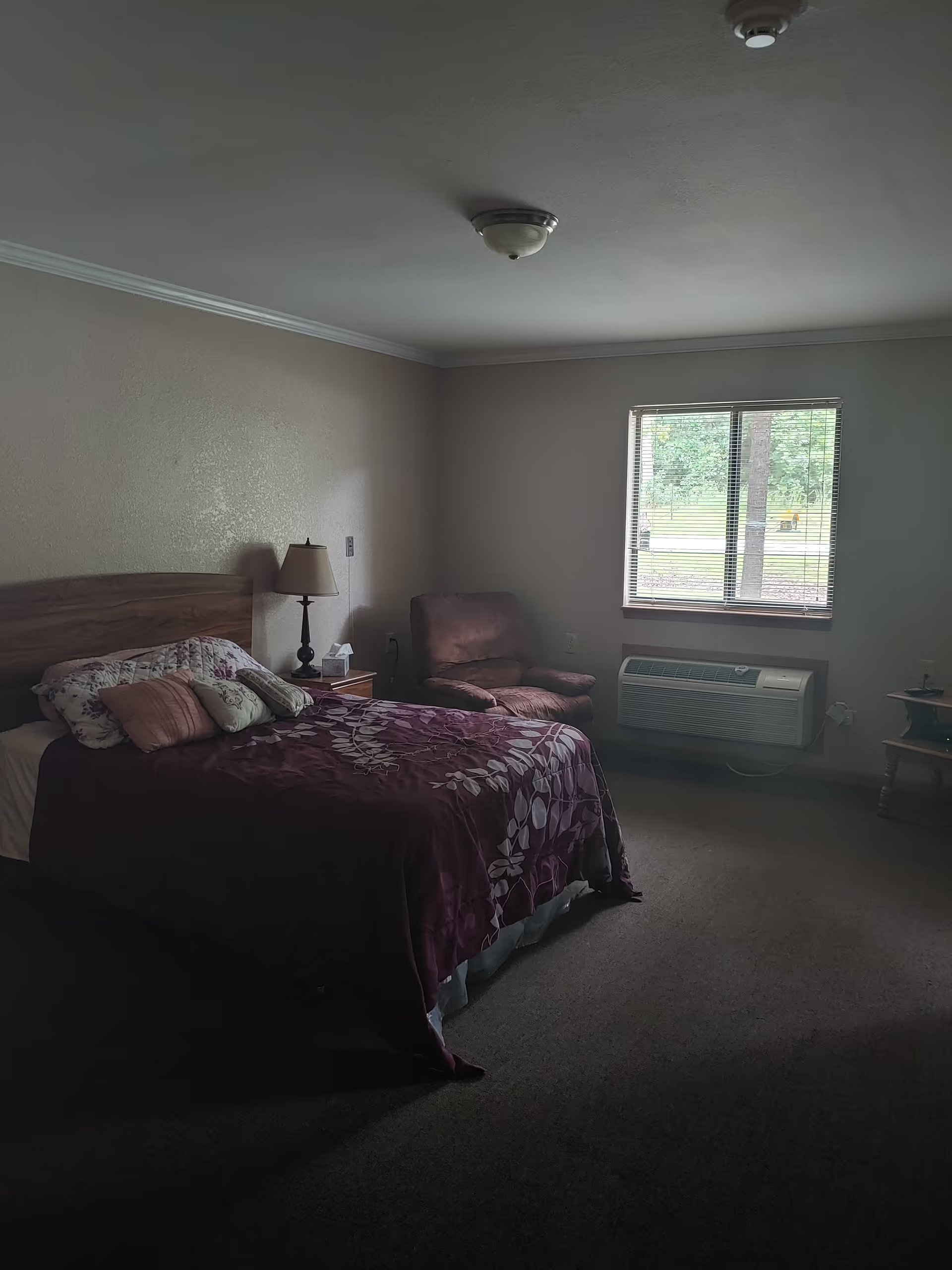
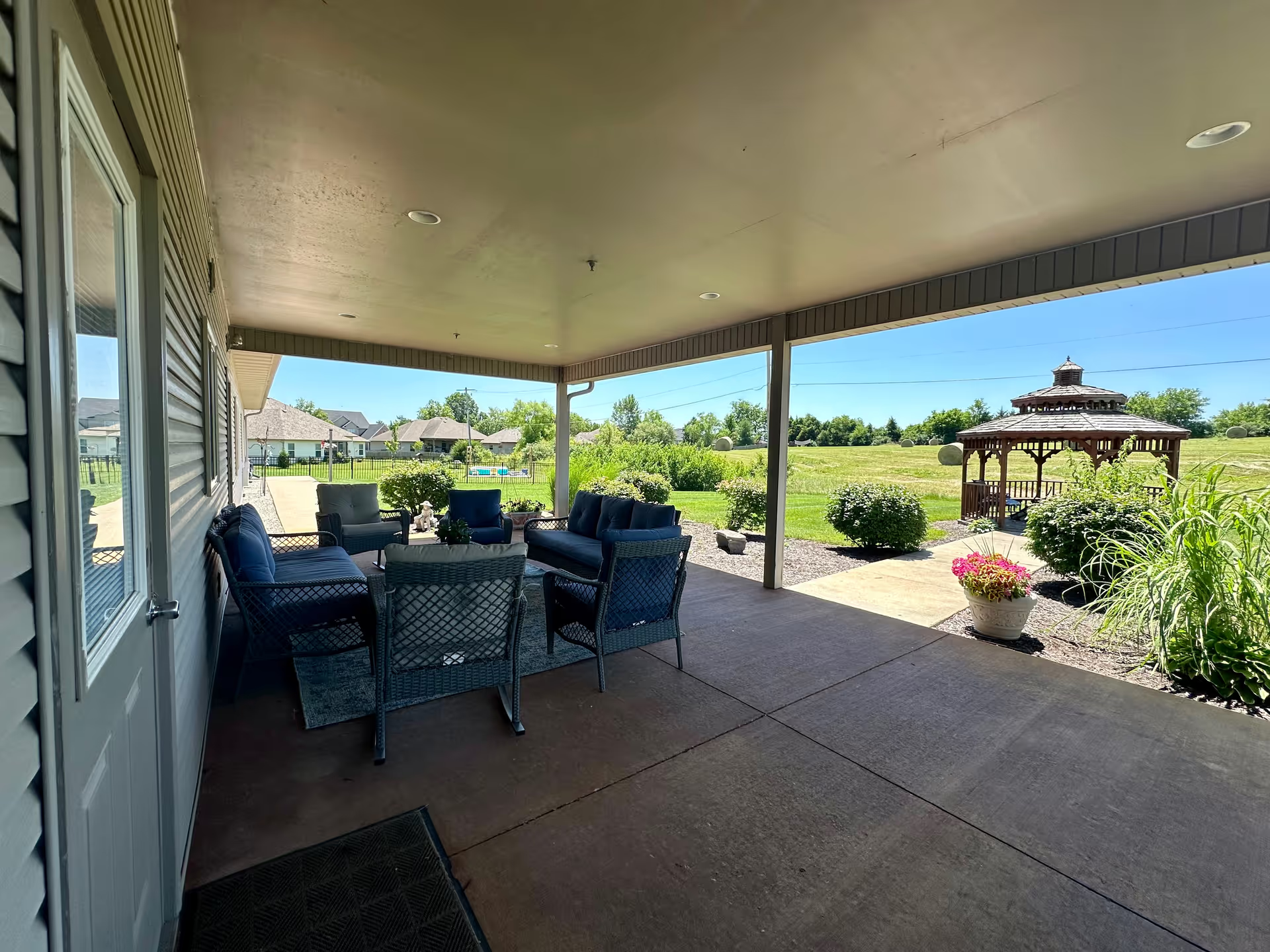
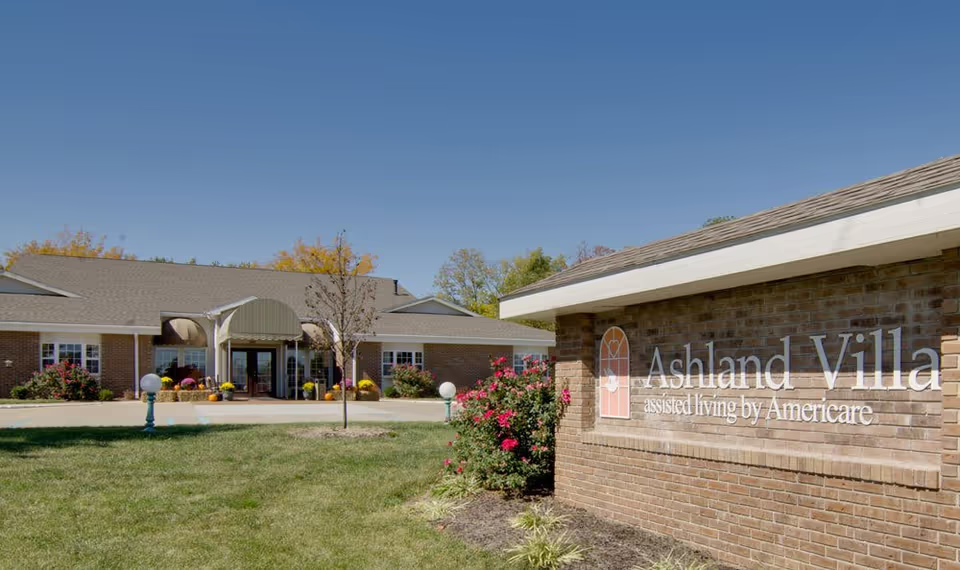
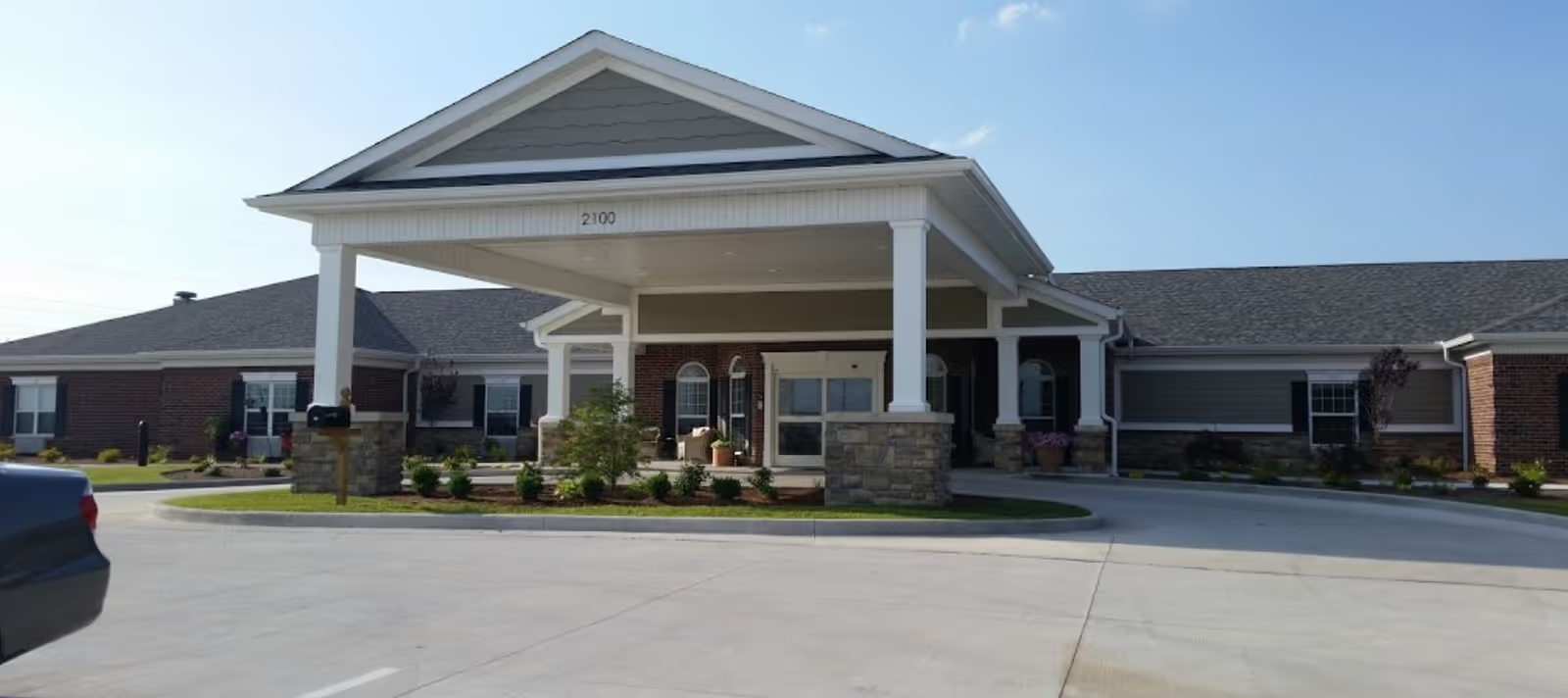
Osage Beach Rehab & Health Care Center elicits strongly mixed impressions. Many comments praise frontline staff, therapy, activities and dining: reviewers frequently describe employees as compassionate and hardworking, highlight a strong therapy department and stimulating activities program, and characterize meals and the facility environment as welcoming and clean. Several accounts also credit administrative staff with effective discharge planning and assistance getting residents home.
Alongside these positives are substantive clinical and operational concerns. A number of reviewers raised issues with medication administration and with the facility’s responsiveness to changing clinical needs; these concerns include delayed or missed medication, limited adjustment of care plans when health declined, and perceived lapses in following physician directions. Relatedly, reviewers described insufficient monitoring of higher‑risk residents — for example, falls and inconsistent use of respiratory support — which suggest weaknesses in transfer/fall‑prevention practices and ongoing clinical surveillance.
Sanitation and personal‑care processes are a recurring point of tension: while some people describe the environment as clean, others note delays in addressing incontinence and associated sanitation concerns. Communication and management practices also appear uneven. Several reviewers described helpful, engaged staff but contrasted that with experiences of poor responsiveness from leadership, dismissive interactions, or pressure to move residents out or relocate them long distances. A small number of accounts raise serious end‑of‑life and post‑discharge concerns, creating an impression that outcomes can vary considerably between individual cases.
For prospective residents and families, the pattern is one of clear strengths in rehabilitation, activities and frontline caregiving, combined with operational variability in clinical oversight, medication processes, incontinence care and administrative responsiveness. When evaluating the facility, families may wish to ask specific questions about medication-administration protocols, staffing levels for higher‑acuity residents, fall‑prevention and respiratory‑support monitoring, incontinence‑care procedures, and the facility’s incident-escalation and family‑communication processes. This facility can provide strong rehabilitative and social supports, but decision-makers should verify clinical safeguards and management practices that matter most for their relative’s needs.