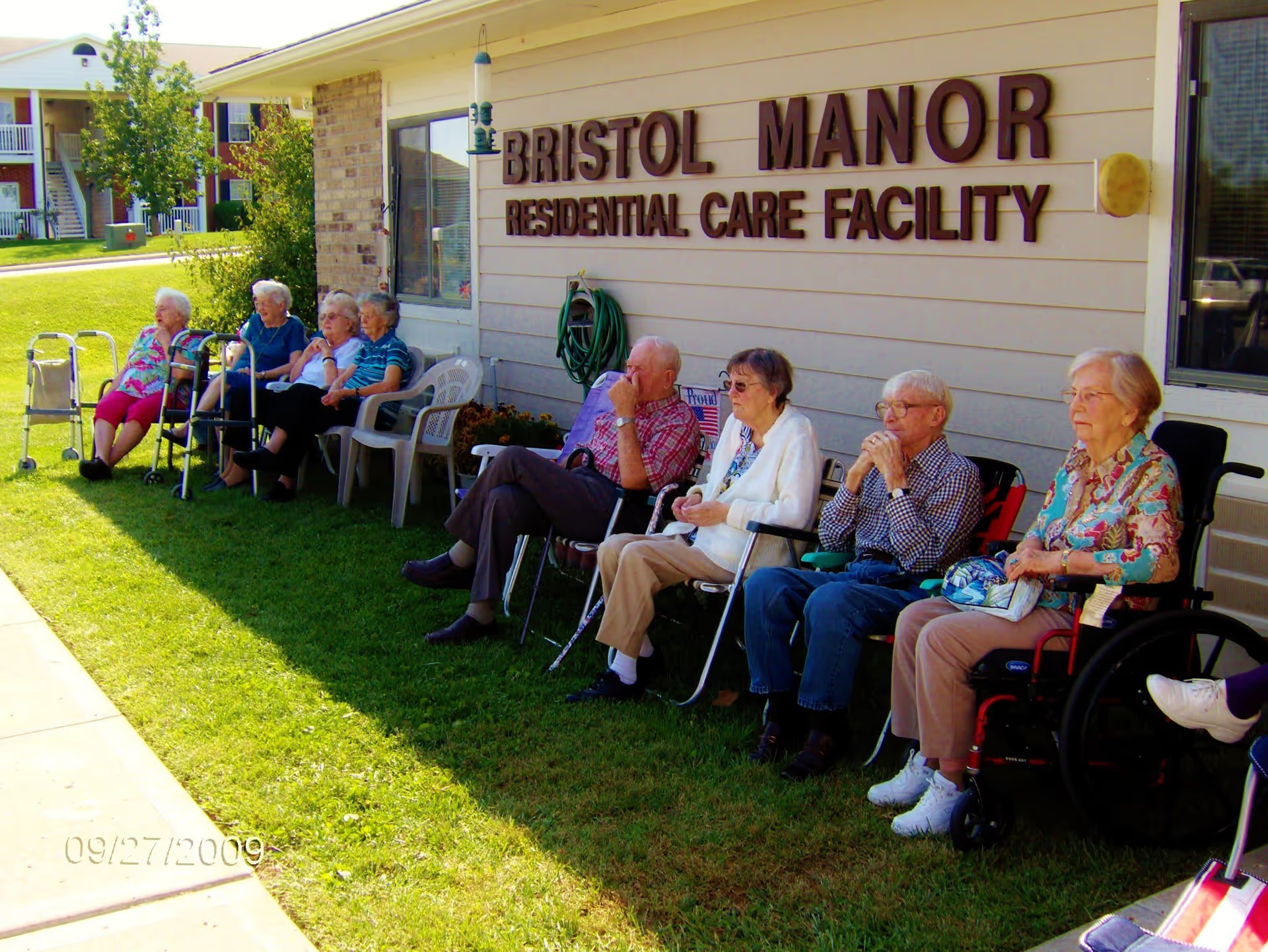
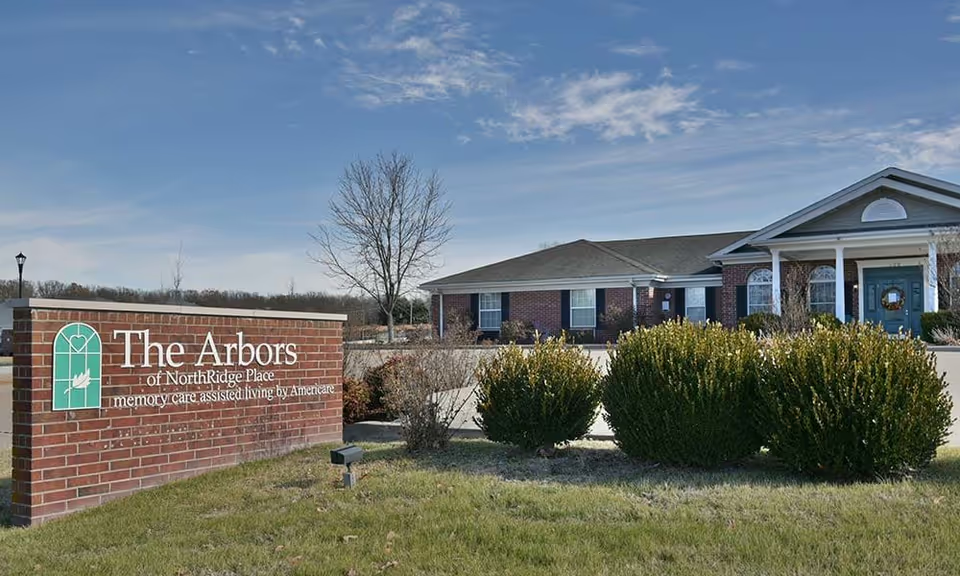
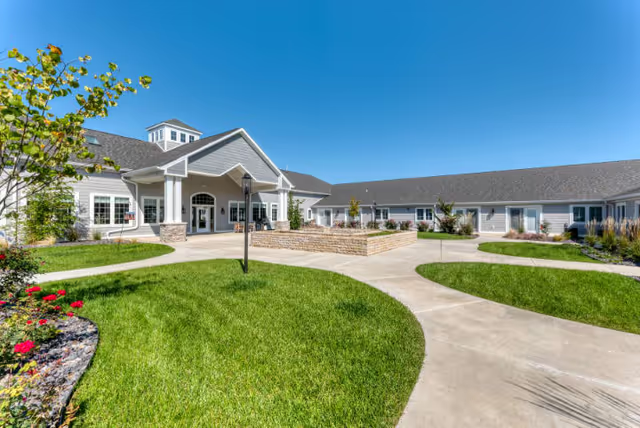
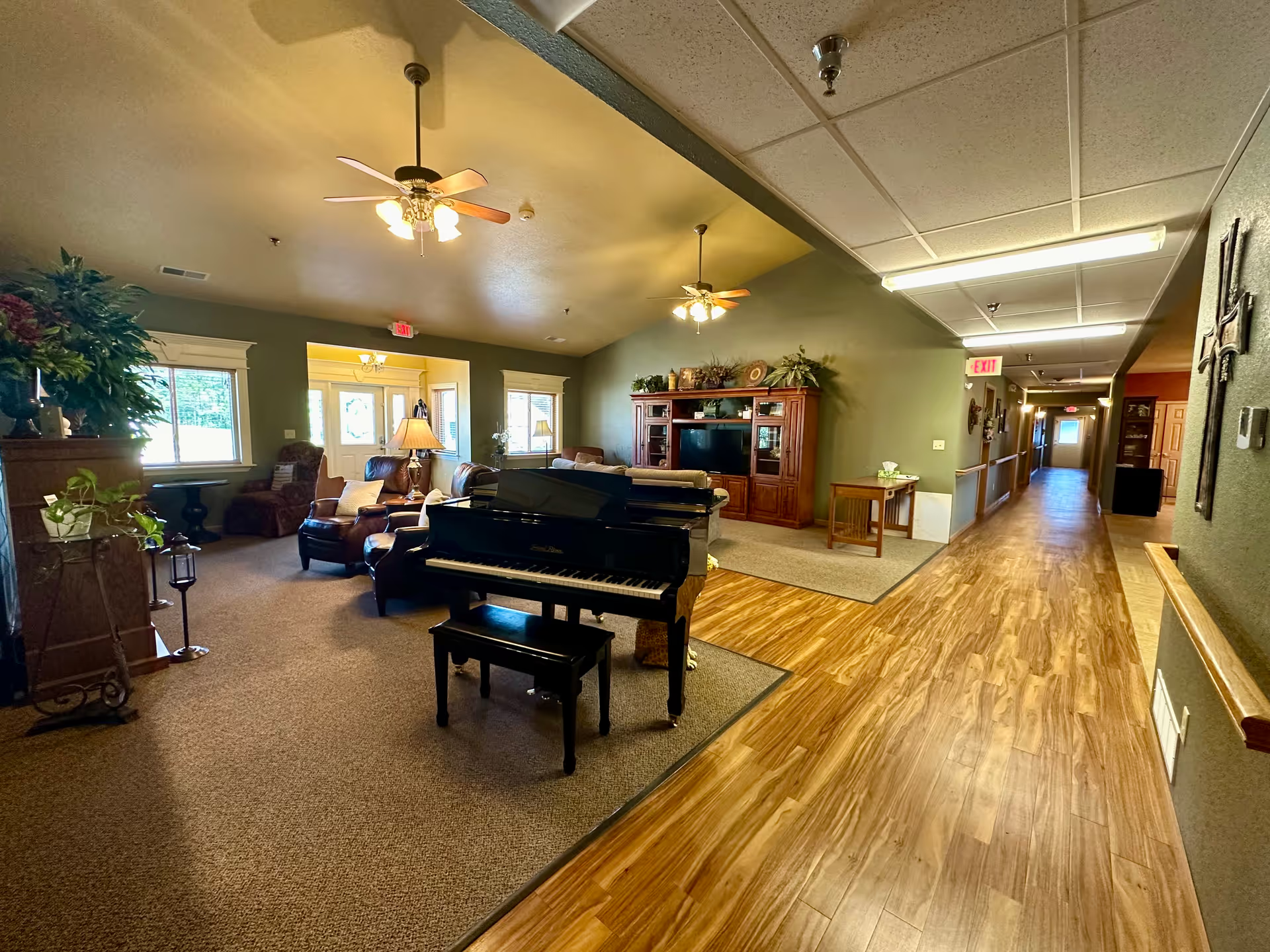
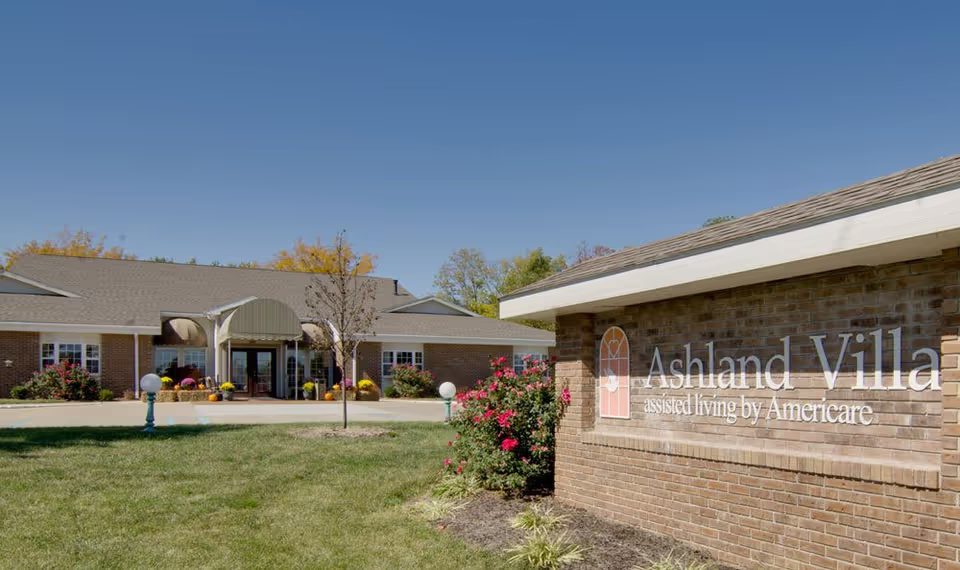
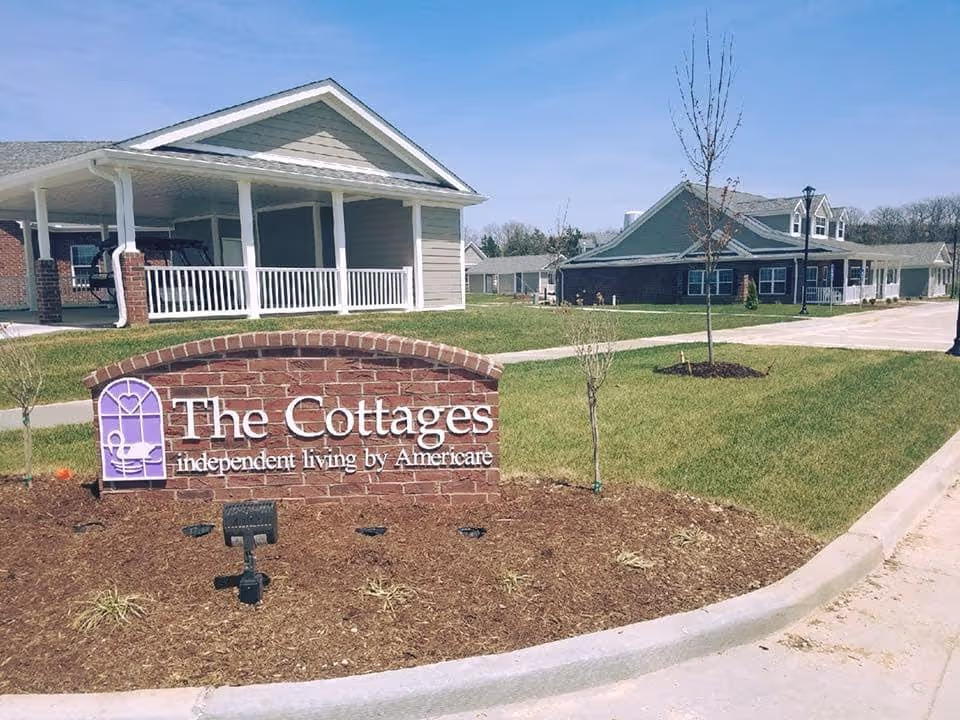
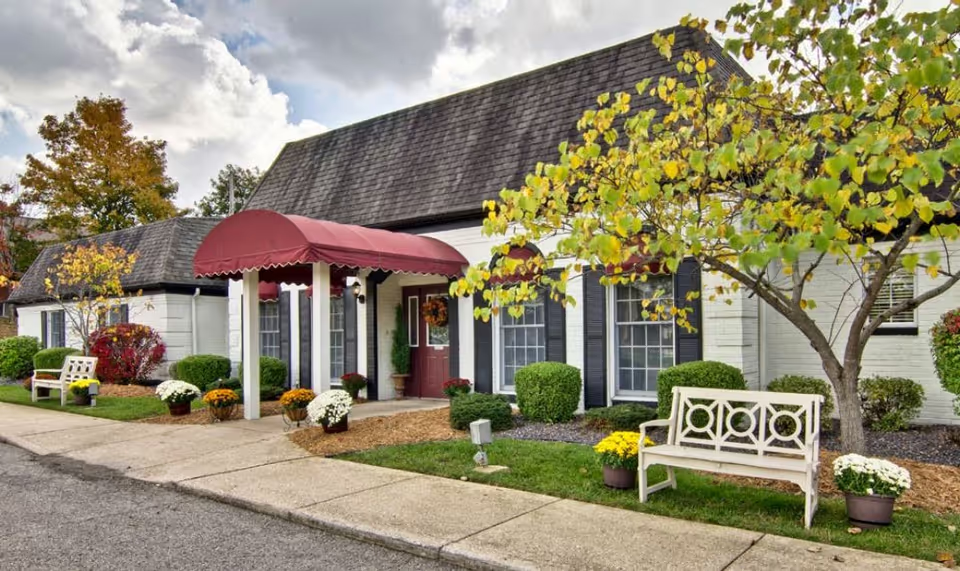
Overall impression: Reviews convey a mixed picture. Many families and visitors describe warm, engaged front-line staff, a pleasant exterior and interior presentation, and specific strengths such as helpful housekeeping and a skilled dietitian. At the same time, there are recurring operational concerns that appear to affect quality of care and family confidence.
Care quality: Positive comments focus on compassionate bedside manner and staff who “care” and greet visitors warmly. However, multiple operational weaknesses are described that affect clinical reliability: understaffing that contributes to delayed responses to call lights and care needs; medication-administration and communication gaps including uncommunicated changes; and occasional missed or delayed clinical appointments. There are also reports of supply and equipment lapses, such as unavailable oxygen when needed and broken equipment, which point to risks in readiness for higher-acuity needs.
Staff: Direct-care workers are frequently described as friendly, devoted, and approachable; several accounts recommend specific staff members. At the same time, reviewers raise concerns about staffing levels and turnover in administrative roles, and some families perceive a mismatch between the clinical qualifications on site and the level of trauma or intensive rehab care they expected. Prospective residents requiring higher-acuity rehab should verify clinical staffing and credentials for their specific needs.
Dining and activities: The facility’s nutrition support is a clear strength in the feedback; the dietitian receives strong praise. Visitors also note a generally positive resident atmosphere and interactions during visits, suggesting activity and social environments that some families find satisfying. Housekeeping is described as helpful, contributing to an overall pleasant experience for visitors and residents.
Facilities and maintenance: The campus and many interior areas are described as clean and attractive, but reviewers cite maintenance gaps that affect resident comfort and safety: small room footprints, bathroom accessibility limitations, broken fixtures (for example, tubs or other equipment), and sanitation inconsistencies in resident bathrooms. These issues indicate uneven facility upkeep and accessibility constraints for residents with mobility needs.
Management and communication: Families report inconsistent phone responsiveness and administrative continuity, which complicates scheduling, questions, and escalation of concerns. There are also notable communication gaps during critical events; a subset of families described unresolved issues following a resident’s serious health decline or death, which contributed to loss of trust. Additionally, some reviewers felt the facility’s advertised level of rehabilitation services did not align with the hands-on capabilities they experienced.
Notable patterns and guidance: The reviews suggest a facility with clear interpersonal strengths among many front-line staff and useful ancillary services (nutrition, housekeeping), but with systemic operational problems—staffing, medication controls, equipment maintenance, and family communication—that can materially affect care reliability. Prospective residents and families should conduct an on-site visit, ask for current staffing ratios and clinical qualifications for the specific rehab level required, review medication-management and emergency-oxygen protocols, and confirm maintenance/housekeeping schedules and accessibility accommodations. Asking for references from recent families and documentation of incident-response procedures can help assess whether the facility’s day-to-day operations align with a prospective resident’s needs.