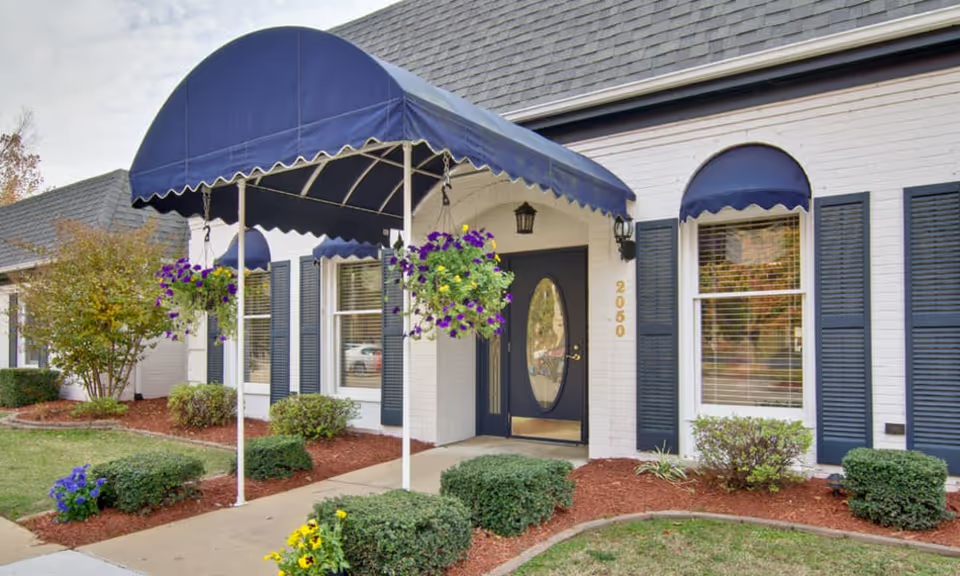
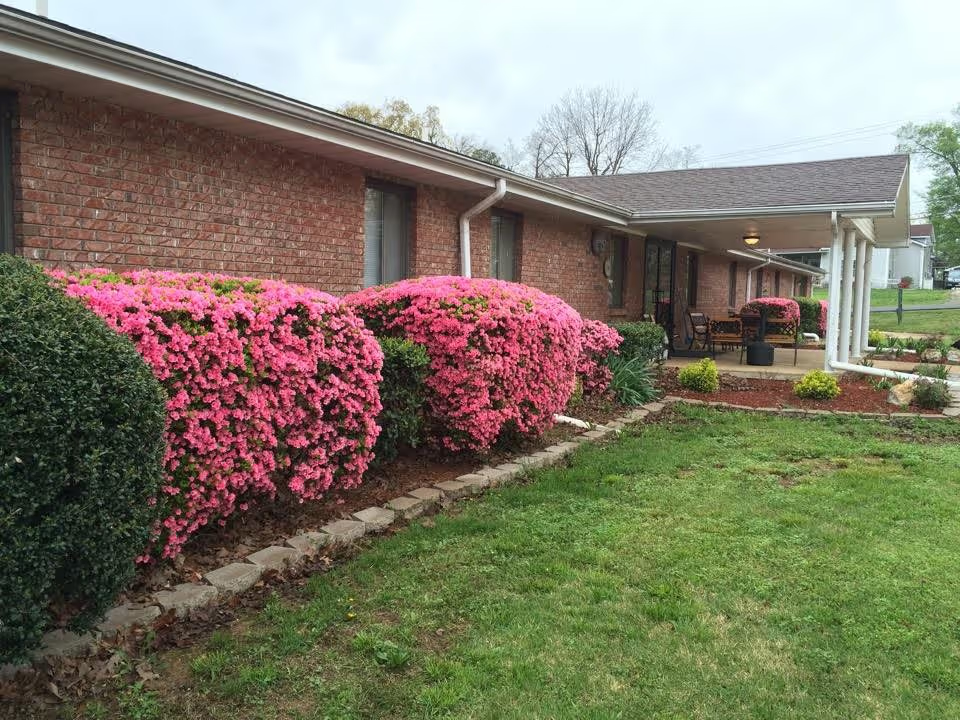
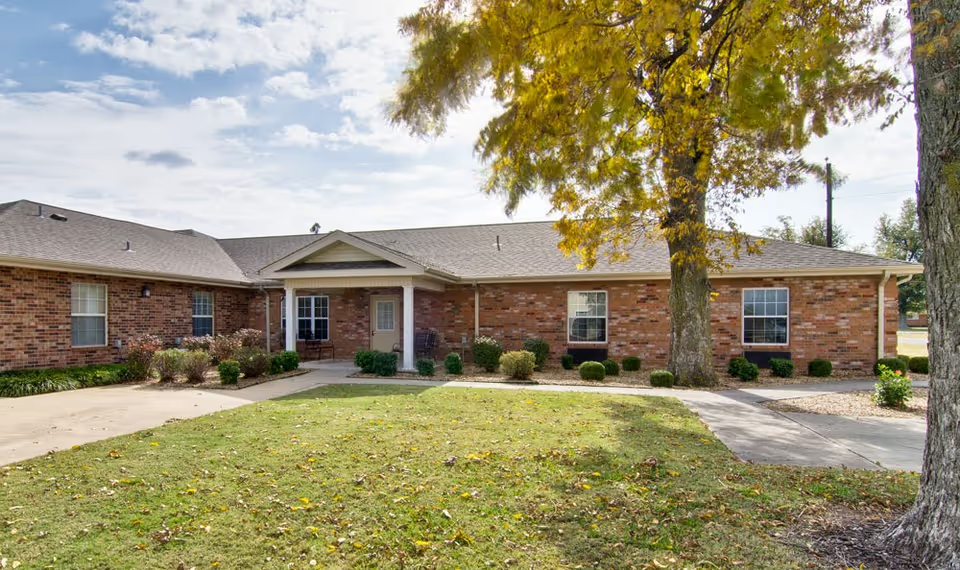
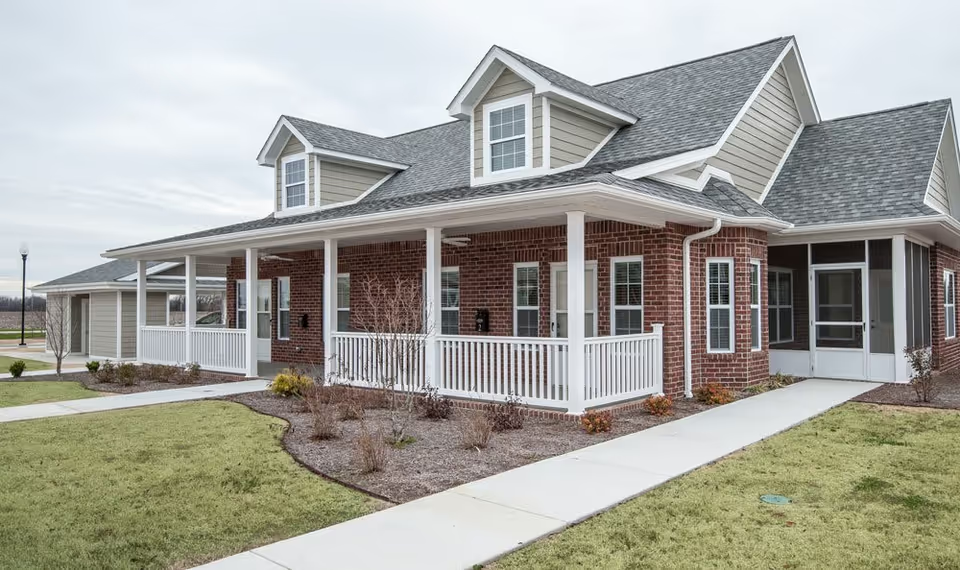
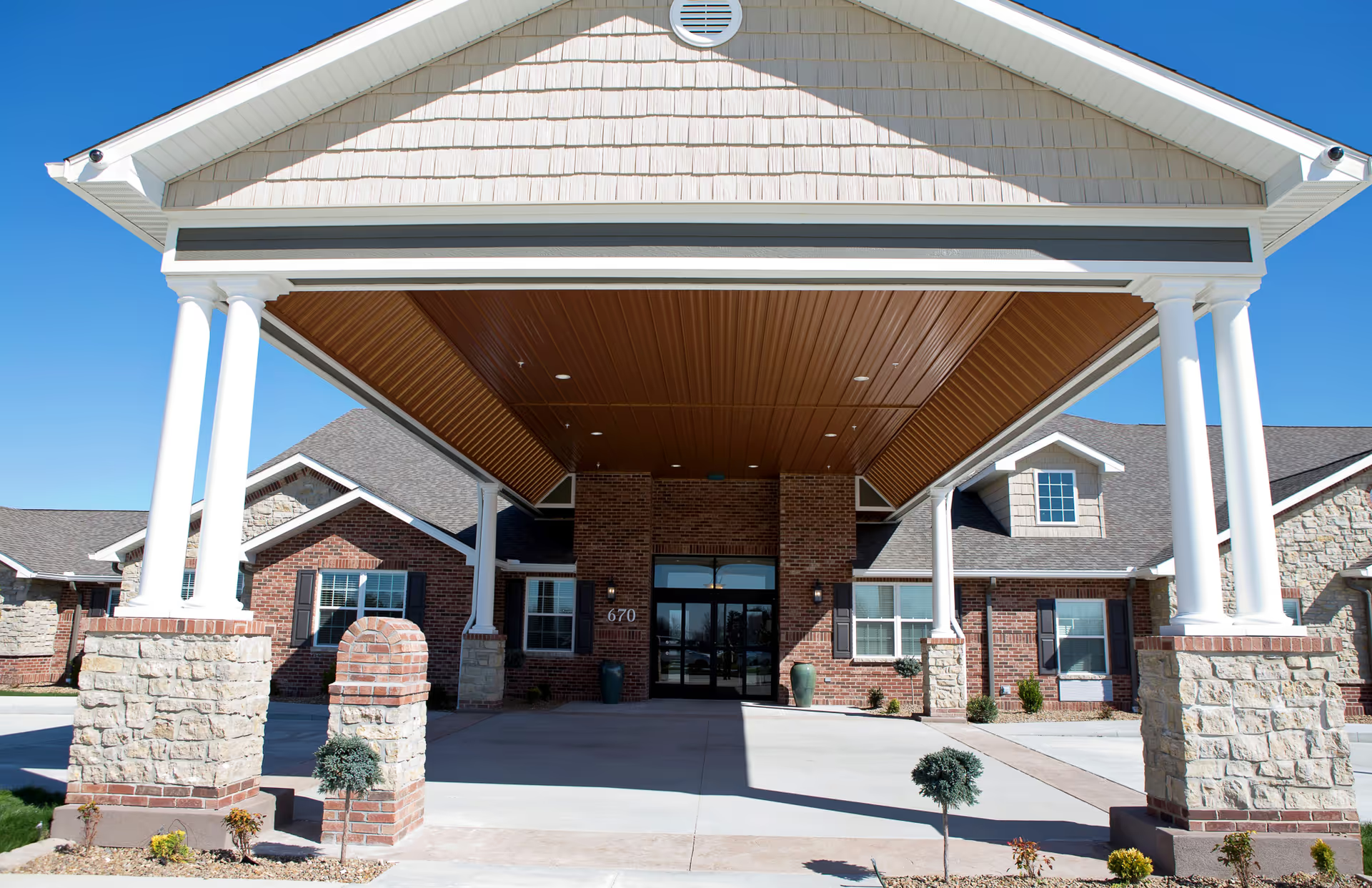
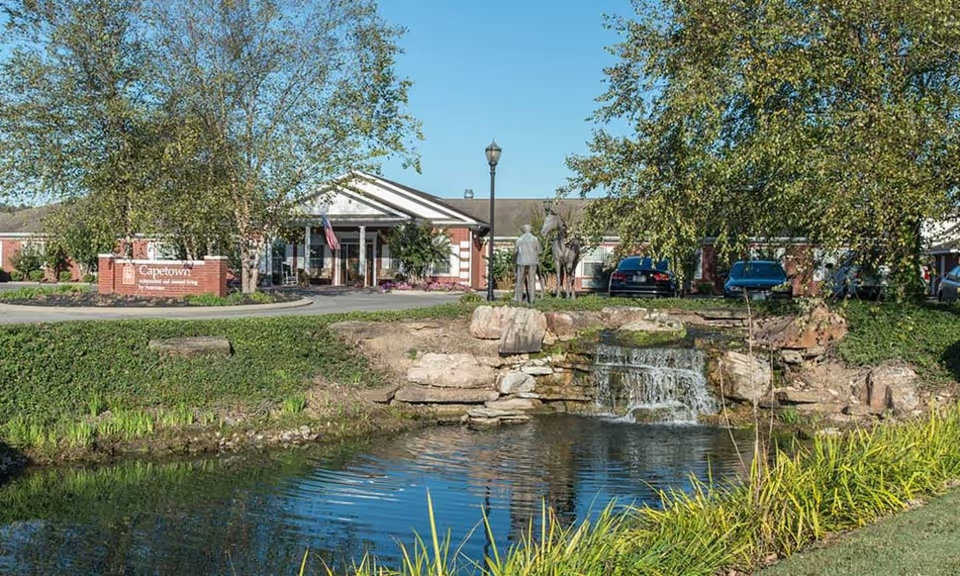
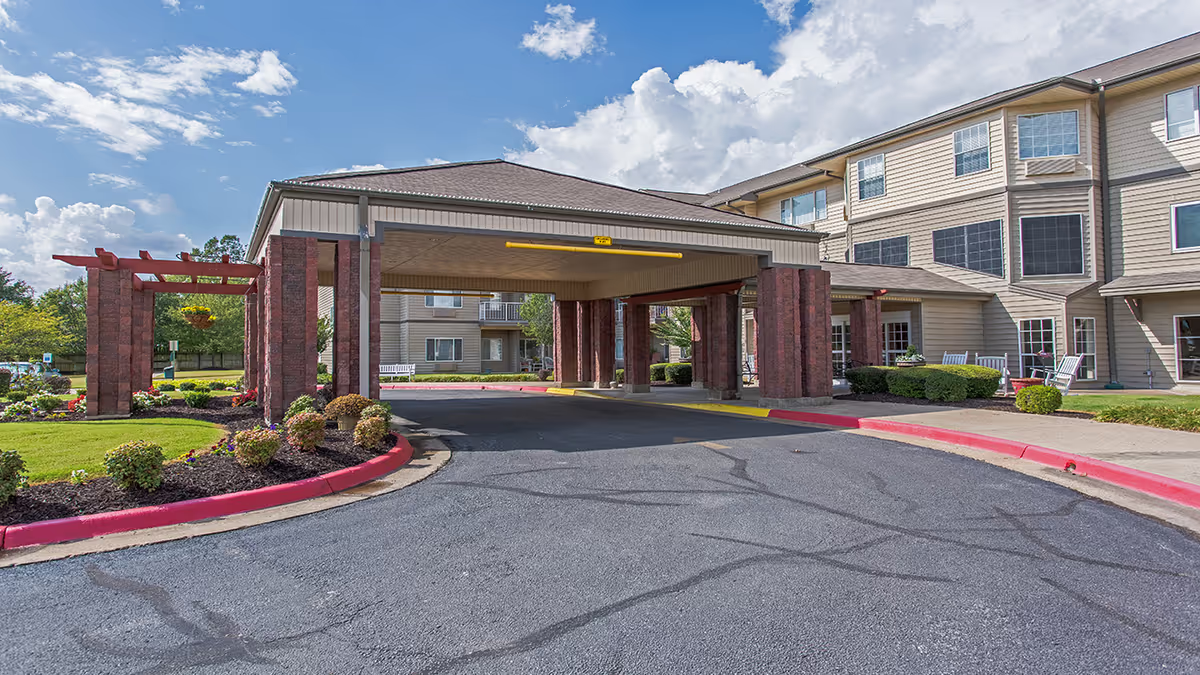
Reviewers present a mixed picture of Cedargate Healthcare, with clear strengths in environment and some staffing relationships but also a number of operational concerns that may affect clinical care. The facility is frequently described as having a warm, well-decorated entry and common areas, spacious rooms (including private rooms with adjoining bathrooms), a home-like dining room, and quiet, wooded grounds. Several comments emphasized affordable pricing, a small size that keeps the community from feeling crowded, and individual staff members — especially certain caregivers and tour personnel — who are compassionate, personable, and helpful.
Care quality and staffing emerged as the most significant areas of concern. Multiple accounts point to inconsistent caregiver-to-resident ratios and periods of insufficient direct-care staffing, which reviewers linked to delays in assistance with mobility and activities of daily living. These staffing inconsistencies correspond with variable clinical care quality and uneven adherence to individualized care plans, including concerns about repositioning schedules and incontinence-care responsiveness. There are also mentions of inconsistent pain-management responsiveness. Conversely, other families described high-touch, near one-to-one caregiving experiences, indicating substantial variability across shifts or units.
Dining and activities are similarly mixed. The facility offers homey dining spaces and activity programming including games and events, and some families reported a satisfactory range of activities. However, there are continued complaints about limited menu variety, snack availability, and errors or inconsistencies in following dietary orders. Prospective residents who have strict dietary requirements should confirm meal‑service protocols and monitoring procedures before admission.
Facility upkeep and equipment are another recurring theme. While the public entrance and certain common areas are described as clean and well maintained, reviewers raised sanitation and housekeeping inconsistencies in resident rooms and hallways and noted odor concerns in some corridors. Several comments also referenced older furniture and equipment and beds that lack modern safety features; these observations suggest areas where maintenance and capital improvements may be needed. Infection-control and personal protective equipment practices were described as inconsistent in some accounts.
Management, communication, and privacy issues were also raised. Families described long phone hold times, delayed or dismissive responses from staff, and situations where family input or POA access was not consistently honored. There are specific concerns about access to medical records and the clarity of consent/documentation processes. Visitation policies were perceived as restrictive by some and inconsistently applied by others. For residents with cognitive impairment, reviewers noted limited dementia-specific programming and wandering-management capabilities; some families felt the facility is better suited to more independent elders.
Taken together, the pattern in the reviews suggests a facility with notable strengths in environment, affordability, and individual staff members who deliver compassionate care, alongside operational weaknesses that can materially affect resident experience and safety — especially when staffing is thin or management oversight is lacking. Prospective residents and families should prioritize in-person observation during different shifts, ask for current staffing ratios and recent inspection or quality reports, review dietary and infection-control protocols, confirm dementia-care capabilities if applicable, and verify procedures for POA access and documentation before making a placement decision.