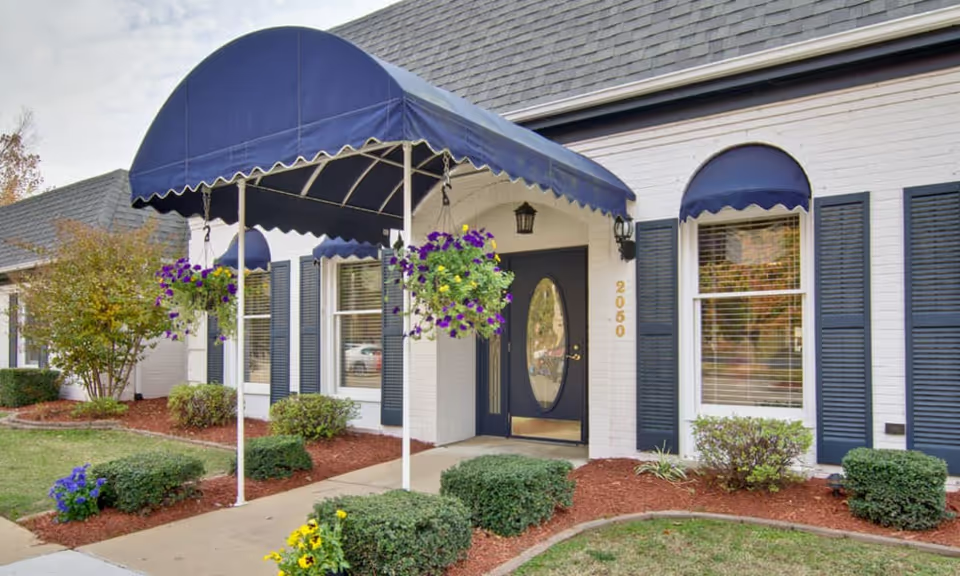
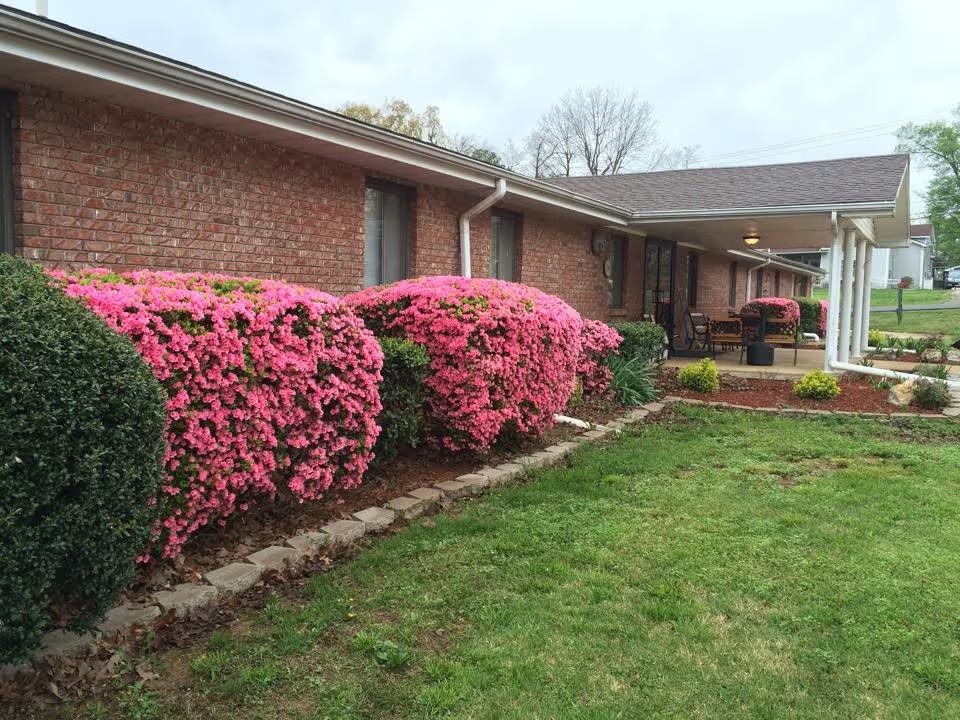
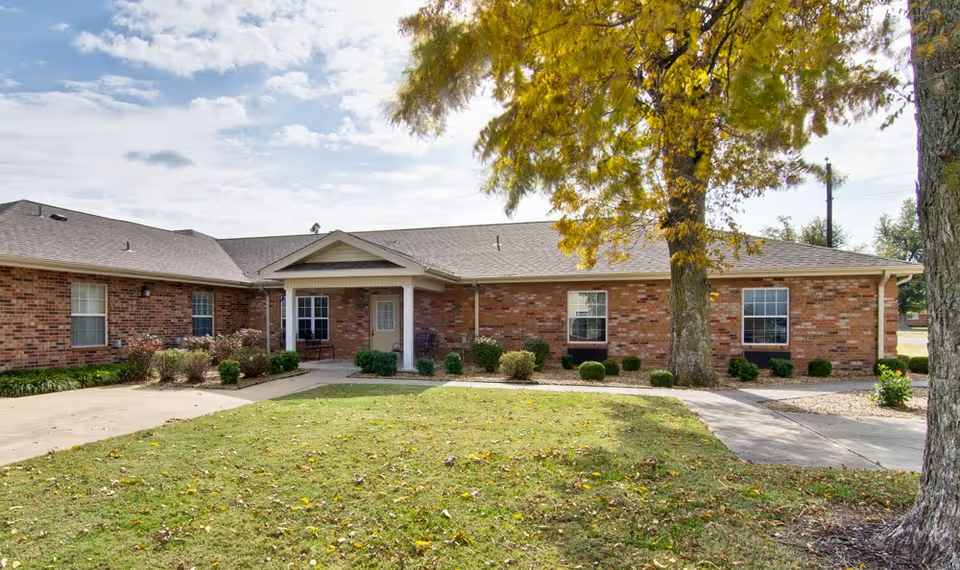
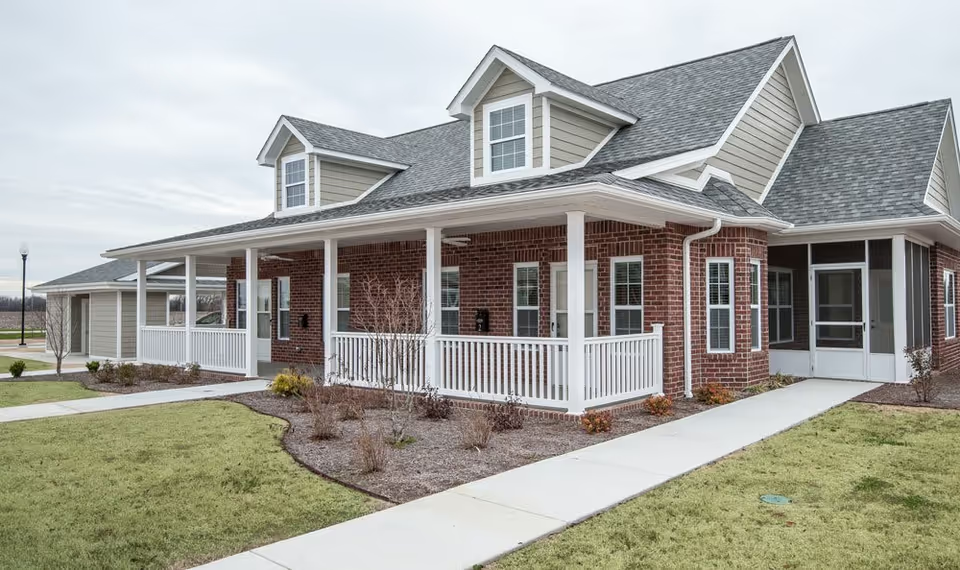
Reviews describe a facility with a clearly mixed performance profile. Many families and residents praised the direct-care staff—certified nursing assistants, nursing aides, and therapists are frequently described as compassionate, attentive, and effective. Therapy services, particularly physical therapy, receive consistent positive mention for contributing to recovery and mobility. Rooms and several common areas are often noted as clean and well kept, and the facility offers an active program of activities and roomy family spaces that support social engagement and visiting.
At the same time, the reviews identify several operational and clinical vulnerabilities. A recurring pattern is understaffing, especially on nights and weekends, which reviewers tie to delays in responding to call lights, extended waits for assistance, and family members stepping in to provide basic care. Related concerns include inconsistent medication-administration practices and gaps in routine clinical monitoring (for example, delayed blood-sugar checks and uneven wound-care follow-up). These issues have contributed to family anxiety about infection control and clinical continuity in some cases.
Facility-level systems and logistics are another area of mixed feedback. Positive aspects include strong collaboration with local hospitals and physicians and generally responsive handling of routine questions. However, reviewers also reported weaknesses in discharge coordination, improper or delayed referrals, and difficulties accessing specialized equipment and transportation when needed. Maintenance and environmental upkeep appear uneven: many residents described spotless rooms and attractive public spaces, while others noted worn furniture, occasional locked or nonfunctional fixtures, and sanitation concerns in specific units.
Management and supervision are described as effective in some respects but inconsistent in others. Several reviewers praised administration and nurses for professionalism and clear communication; others expressed frustration about turnover, lapses in supervisory oversight, and instances where family communication about clinical changes was inadequate. Training and supervisory consistency for both CNAs and RNs emerges as an area for improvement to reduce variability in care quality.
For prospective residents and families: tours and intake conversations should include targeted questions about staffing levels across shifts, medication-administration and monitoring protocols, wound- and infection-control policies, access to bariatric and specialized equipment, discharge-planning procedures, and mechanisms for urgent family communication. The facility demonstrates strengths in compassionate direct care and therapy, but the operational and clinical process gaps identified suggest the value of verifying safeguards and escalation pathways before admission.