Reviews indicate a facility with clear clinical strengths alongside persistent operational weaknesses. The strongest and most consistent positive theme is the rehabilitation program: families describe robust physical, occupational and speech therapy services, a newer rehab wing, and modern therapy equipment. Several reviewers also singled out individual staff members and case managers for advocacy and strong communication. Other praise includes spacious rooms with large bathrooms, supportive maintenance and housekeeping staff in parts of the building, and an activities program that includes music, bingo and social events such as happy hour. Hospice and transitional-care support are also noted as available.
Care-quality perceptions are mixed. Many families described compassionate, attentive aides and nurses who delivered hands-on support; at the same time there is a recurring pattern of variability in care across shifts and units. Weekend and night coverage is frequently identified as weaker than daytime coverage, and reviewers describe delays in responding to call bells and in attending to personal-care needs, including inconsistent bathing schedules and incontinence-care delays. Several reviews raised concerns about medication administration and documentation practices, describing missed or incorrect doses and poor follow-up — a pattern that, if accurate, represents a substantive clinical risk.
Dining and activities are similarly inconsistent. Some reviewers praised dietary staff, fresh seasonal produce and enjoyable meals, while others described meals arriving late or at inappropriate temperatures and occasional omissions. Activity programming and therapy offerings are generally viewed positively, with a reasonably active calendar and strong therapy staffing in the rehab wing.
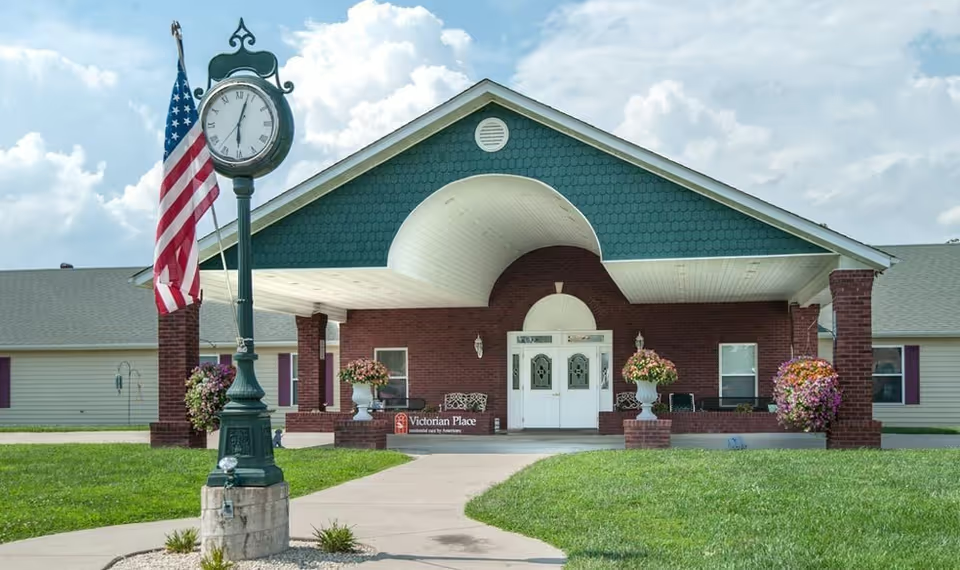
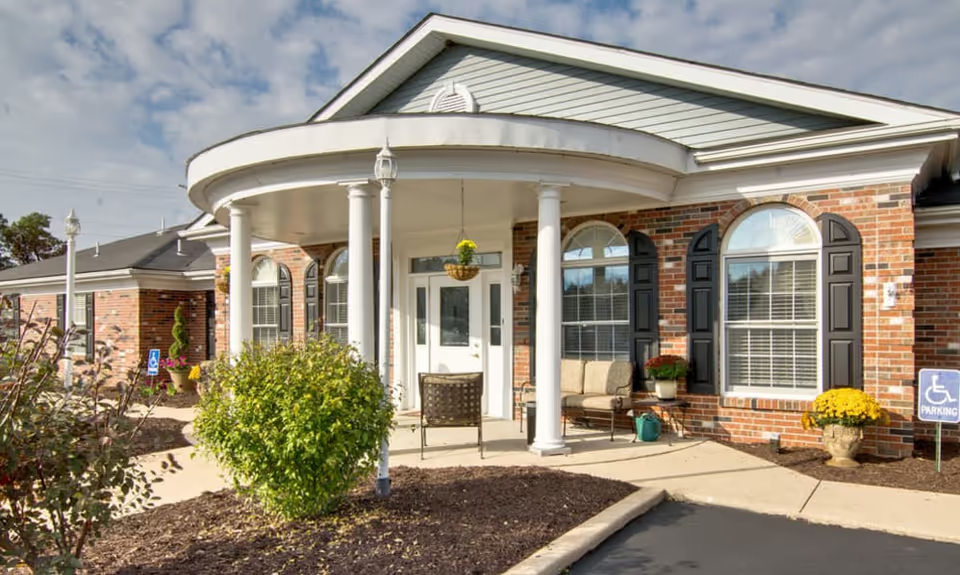
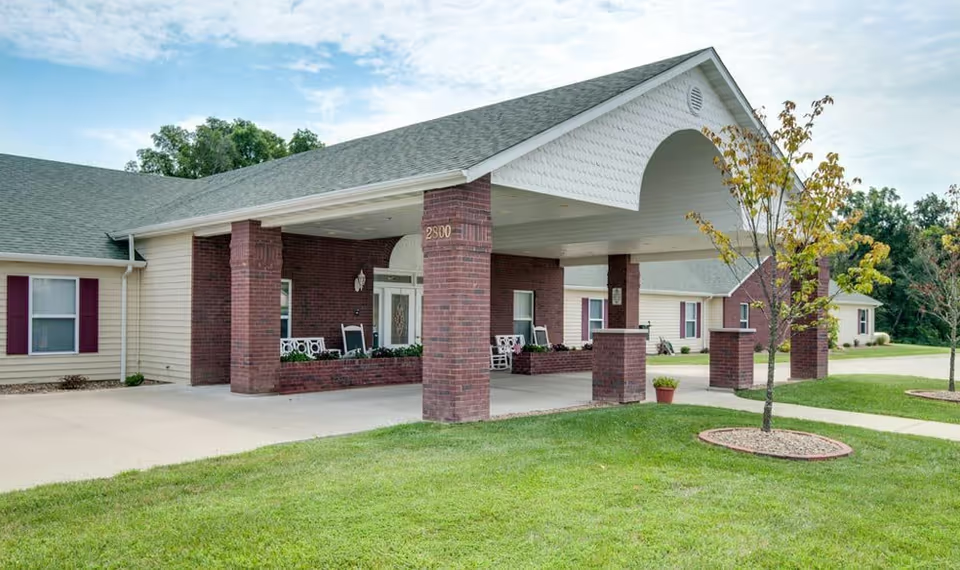
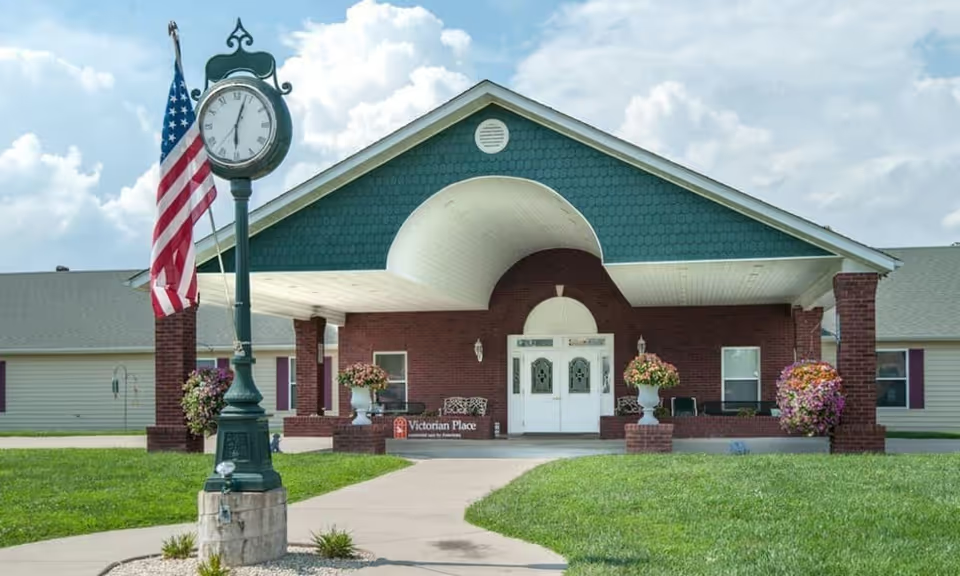
Facility condition and management practices show clear variability. The rehab wing is newer and better equipped, while older wings were described as dated and in need of remodeling. Sanitation and odor concerns, worn carpeting and intermittent housekeeping issues were noted in parts of the building. Practical infrastructure issues include limited in-room communication (shared house phone availability), broken lobby furniture, and inconsistent facility maintenance. Reviewers also raised concerns about staff screening, professionalism, privacy breaches, property-control issues and even allegations of financial misconduct; there are mentions of regulatory inspection findings that families felt were significant. Several reviews described a perceived decline in quality following ownership or management changes.
Taken together, the pattern suggests a facility capable of high-quality rehabilitation and supported by dedicated individuals, but with systemic operational weaknesses that affect day-to-day resident experience and safety. Prospective residents and families should verify current staffing levels (particularly nights/weekends), ask for written medication-management and fall-prevention protocols, review recent inspection reports, inspect specific rooms and wings in person, and discuss property-security practices. Visiting at different times of day (including a weekend or evening) can help assess consistency of care and service delivery.