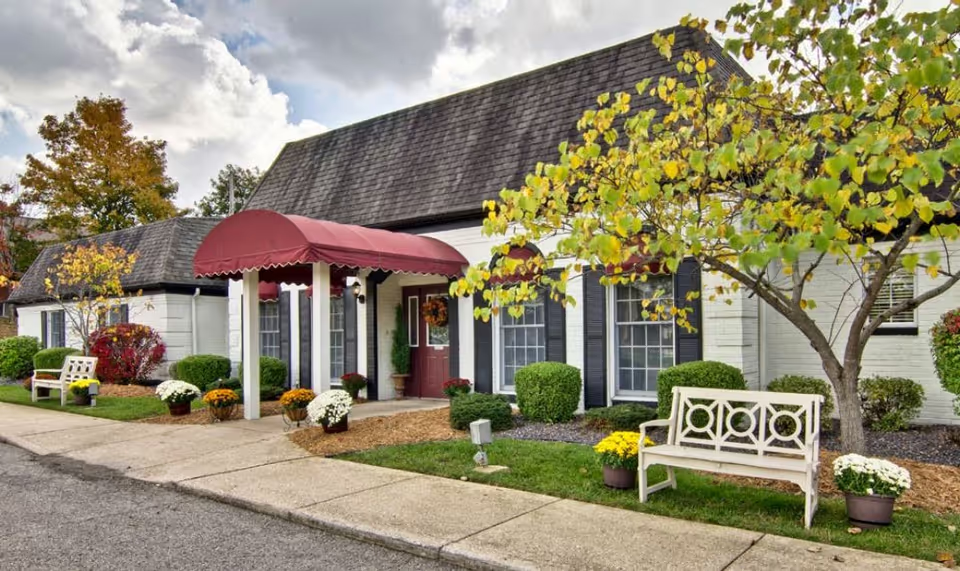
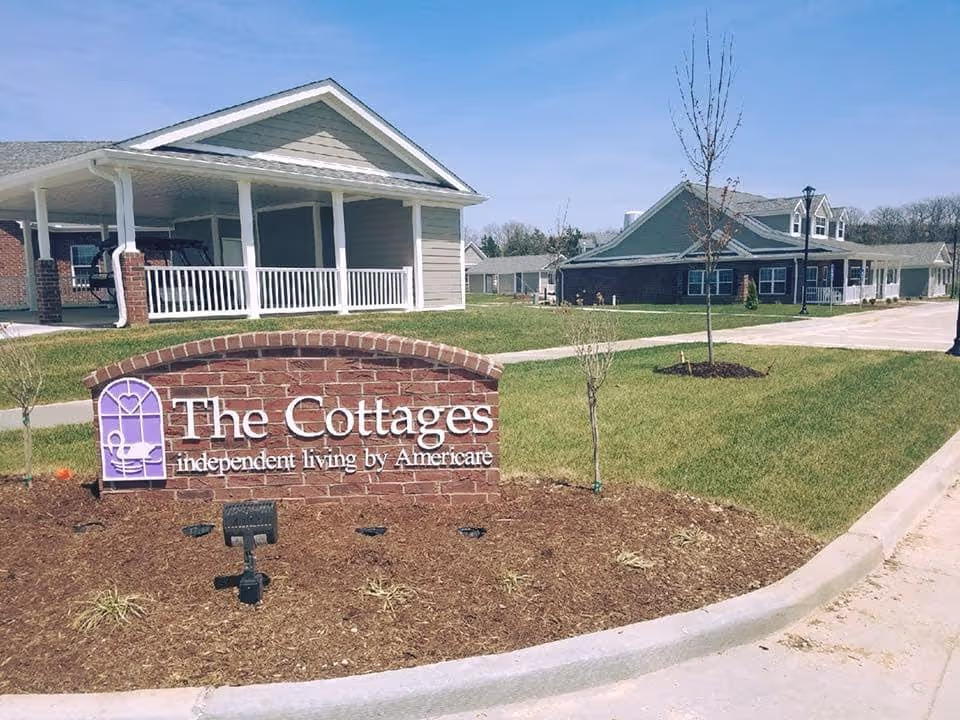
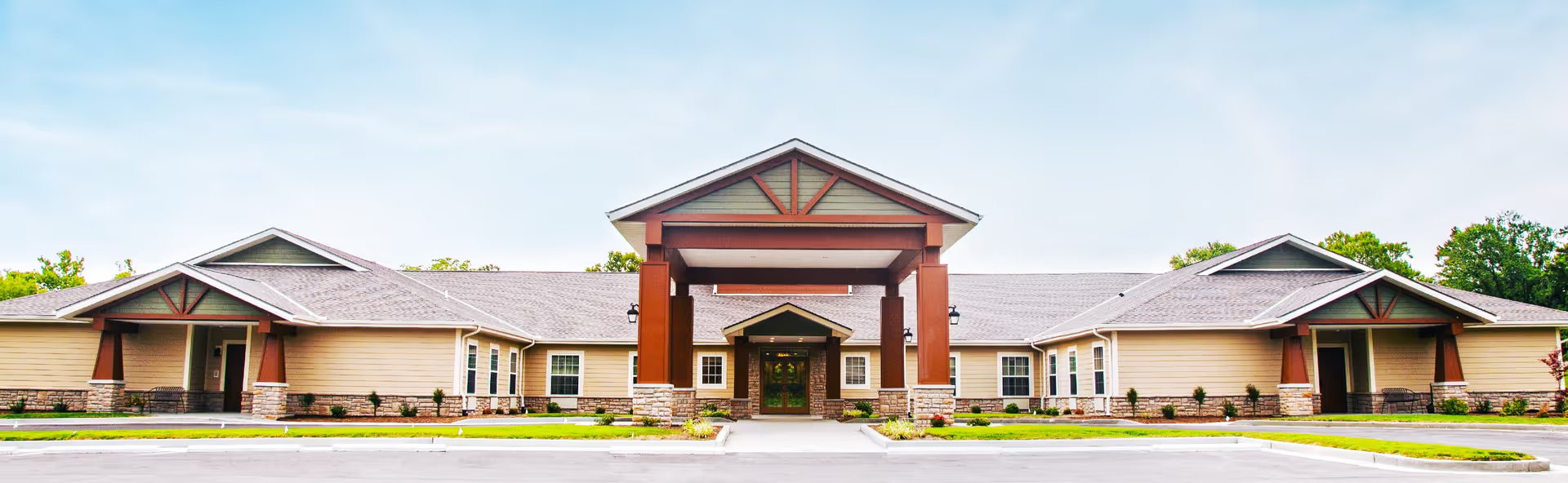
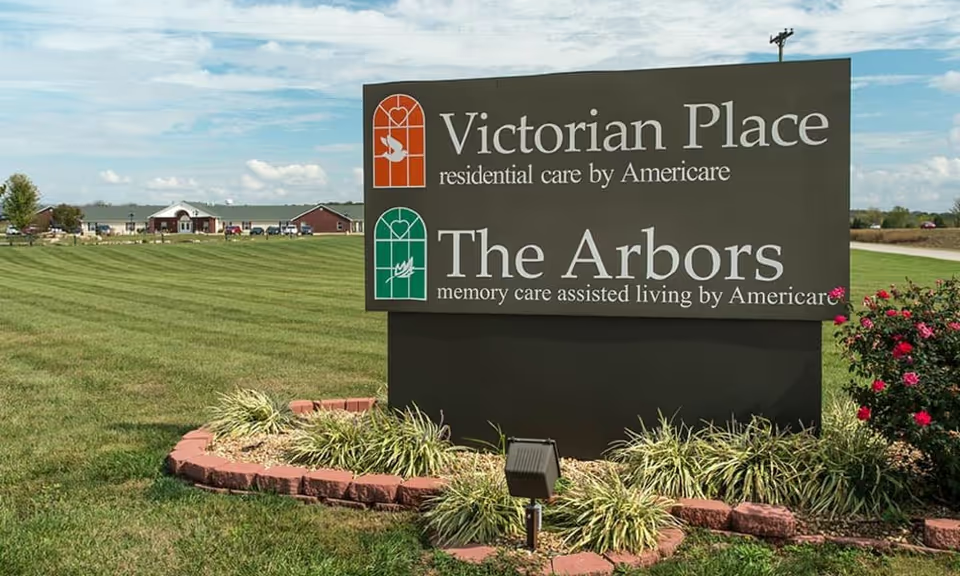
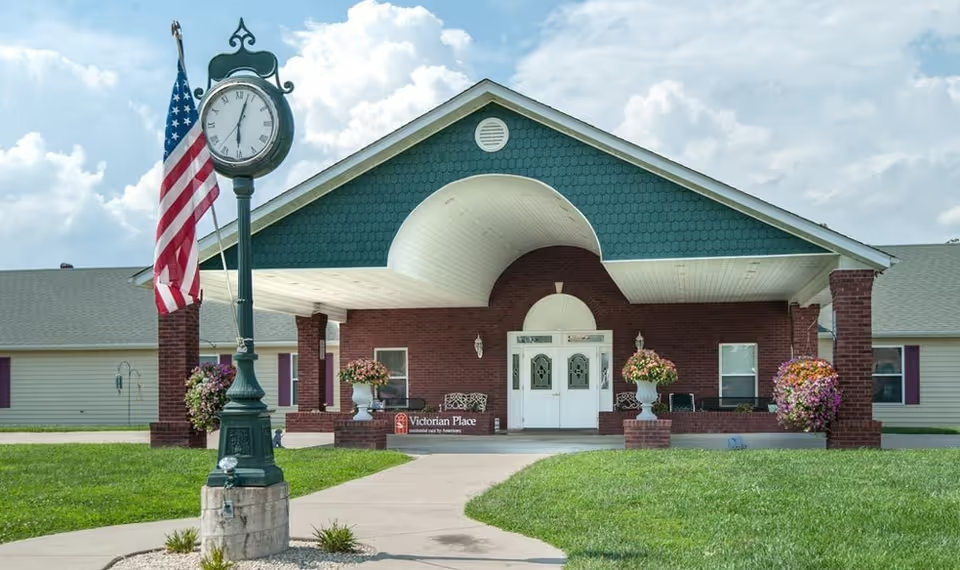
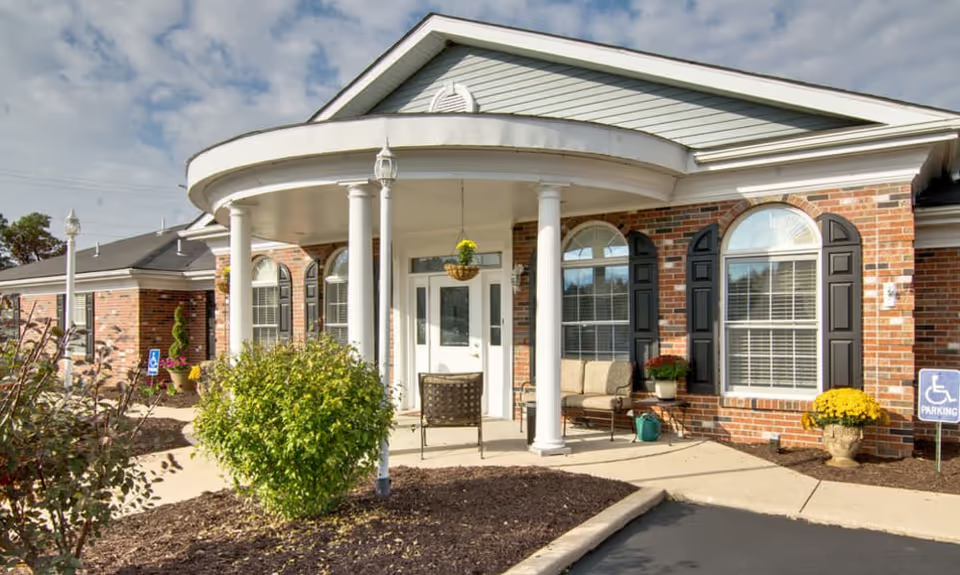
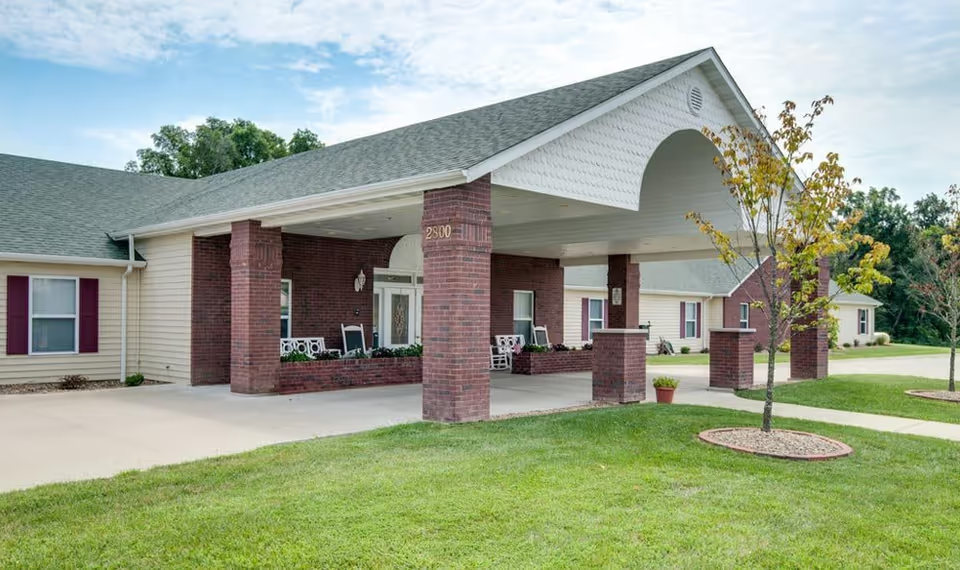
Rolla Presbyterian Manor presents as a three-level senior community offering independent living, assisted living, and nursing care. Strengths consistently mentioned include a caring, friendly staff; clean, well-maintained common areas; and a range of services that support transitions between levels of care. Families and residents commonly cite the facility's memory-care program and rehabilitation/physical-therapy services as effective, and many describe meaningful improvement in recovery or stabilization after moving in. The campus environment, including a courtyard and nearby park, plus active programming such as trips and gardening, contributes to a home-like atmosphere for residents.
Staff performance is a clear positive in most accounts: caregivers, nurses, and drivers are frequently characterized as respectful, proactive, and attentive. The facility offers scheduled transportation, meal service with dining options, and the ability for some residents to cook for themselves. These operational features, together with monitored transitions between care levels, are useful for families seeking continuity of services in one provider.
At the same time, reviews indicate several operational areas that prospective residents should evaluate. Clinical experience appears uneven: while memory care and rehabilitation receive favorable remarks, quality in the skilled-nursing area seems variable. Several accounts point to staffing shortages and inconsistent staff availability that can affect timeliness of care. Families have also described gaps in clinical communication and concerns about confidentiality and discharge planning; these suggest opportunities to clarify policies and improve family updates.
There are some notable service and facility-level limitations. A restrictive approach to certain medical devices (for example, policies affecting respiratory equipment) has been raised as an access issue. Hospice care is not available on-site, which may affect end-of-life planning. Independent-living units are described as older and relatively small in some parts of the campus, although they have been updated in places. The location adjacent to a creek introduces a flood risk that should be considered. Cost sensitivity is another consideration: pricing has been described as relatively high by some families.
For prospective residents and families, recommended topics for a visit and discussion include: current staffing levels and turnover, oversight and staffing in the skilled-nursing unit, policies on medical devices and emergency respiratory equipment, availability and coordination with hospice or palliative providers, unit sizes and recent upgrades in independent living, and campus flood-mitigation measures. Reviewing contract terms and asking for examples of family communication procedures will help assess whether the facility’s operational practices align with individual care needs and expectations.