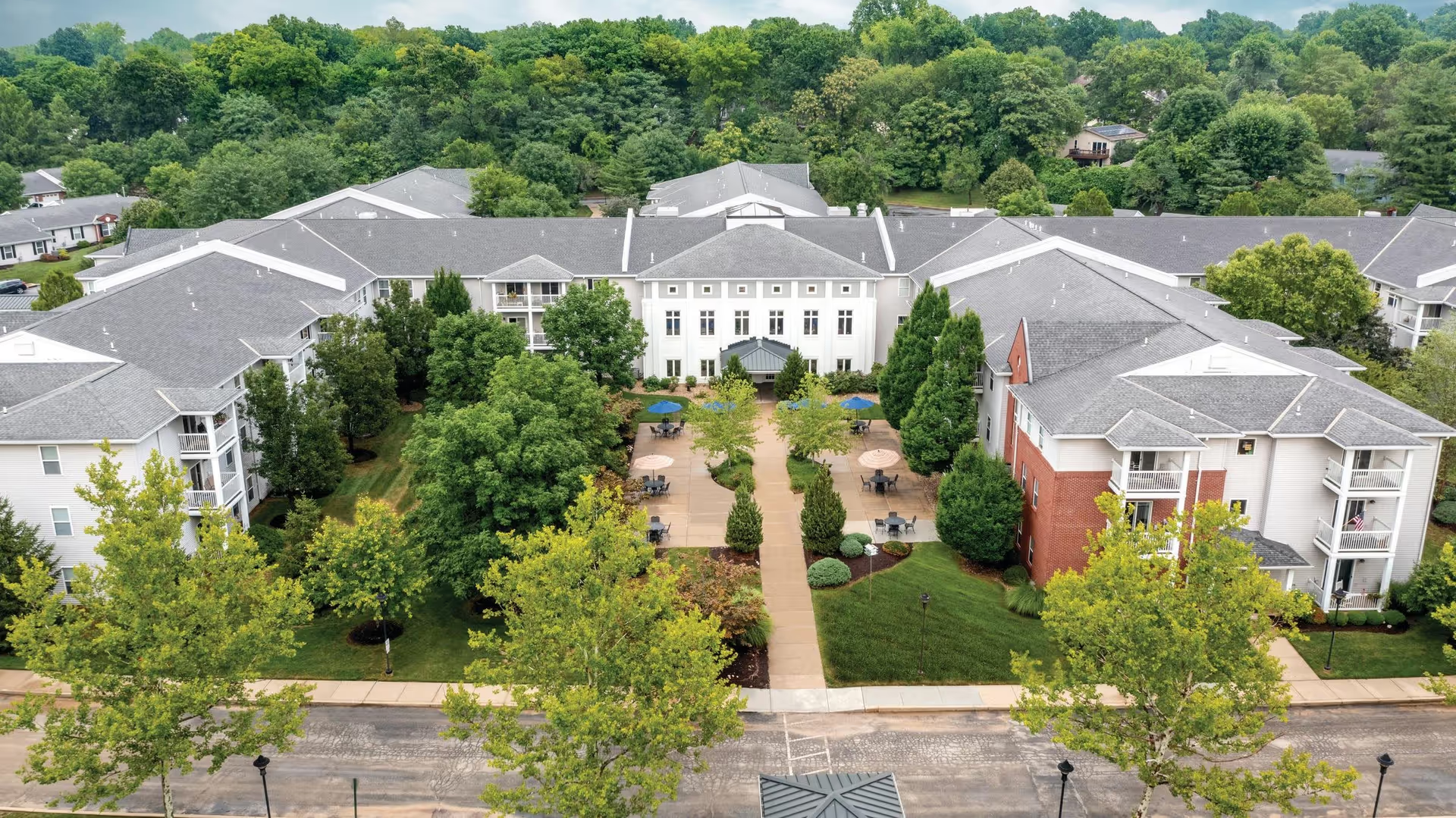
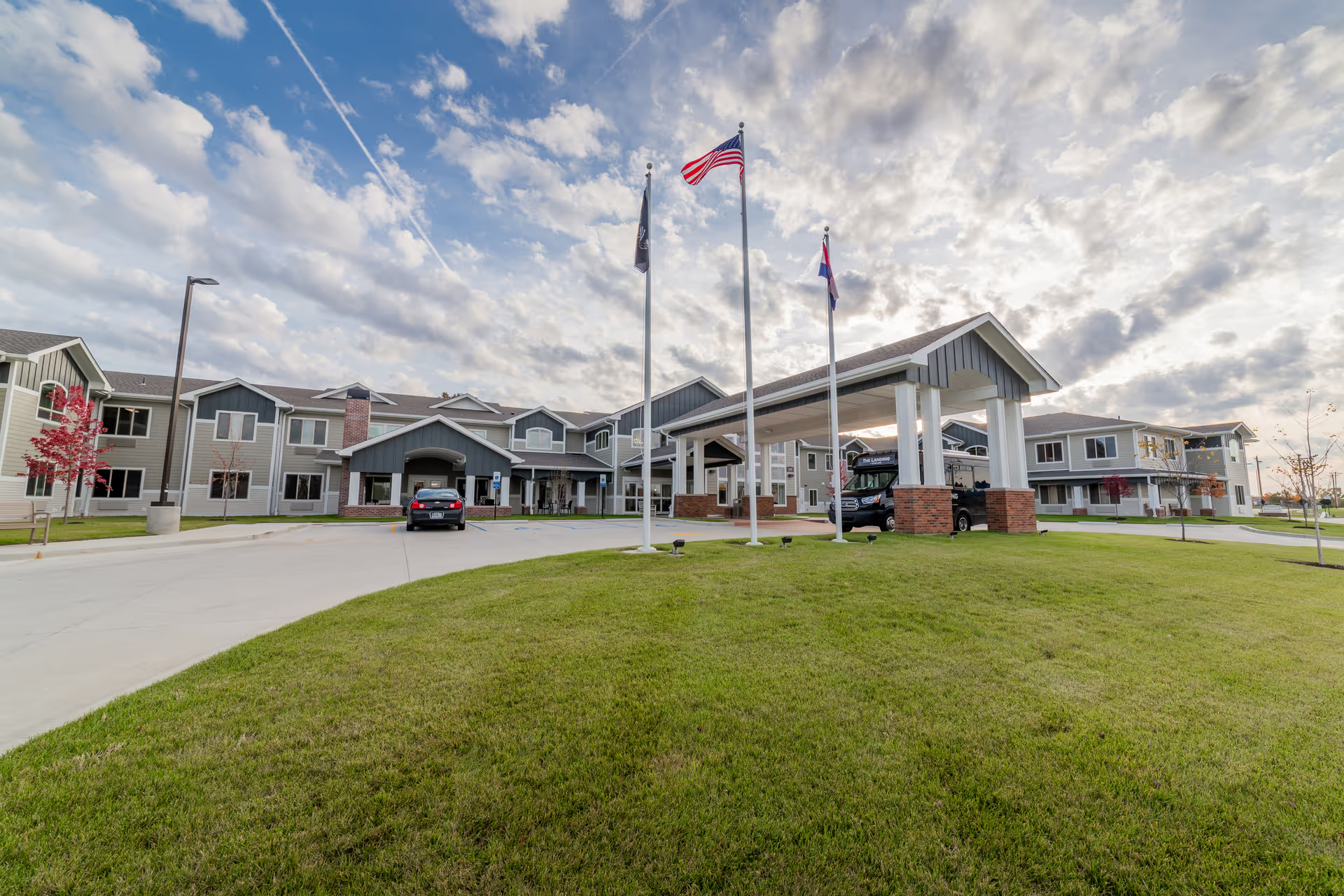
The reviews present a polarized picture of Villages of St. Peters. Many families and short-term rehab patients praise the facility’s therapy teams, activity programming, and the physical environment: reviewers frequently cite strong PT/OT/speech outcomes, a busy activity calendar (live music, holiday events, group therapy and outings), and well-appointed common areas that feel welcoming and family-friendly. Front-desk staff and certain nurses and aides receive consistent positive mention for being warm, helpful, and attentive; several accounts describe successful rehabilitation stays that led to independent discharge.
At the same time, a broad set of operational concerns recurs across reviews. Staffing reliability is the most common theme: families report long response times to call lights, delayed nursing attention particularly overnight, and frequent use of agency or temporary staff. These staffing patterns are associated with delays in medication administration, inconsistent timing of insulin and other time-sensitive medications, uneven personal-care routines (including bathing and incontinence-care schedules), and occasional missed or delayed treatments. Reviewers also describe gaps in transfer-handling and mobility-safety practices that have contributed to falls or injuries in a subset of accounts.
Dining and housekeeping receive mixed feedback. Some reviewers praise varied menus, generous portions, and pleasant dining rooms, while others note meals delivered cold, late tray service, limited evening snack availability, and an overall inconsistency in food quality. Cleanliness assessments are likewise mixed: while parts of the building are described as clean and hotel-like, multiple reviewers raise sanitation concerns in common areas and older carpeting, and express that housekeeping and odor control have declined at times.
Communication and leadership are recurring areas of concern. Multiple families report difficulty getting timely, transparent updates from administration or nursing leadership, frustration with discharge procedures or access to medical records, and perceptions that management decisions prioritize operational cost-cutting. Several reviewers referenced regulatory deficiencies and cited serious individual incidents that prompted escalation to authorities; these accounts underline a need for clearer incident-response protocols and stronger family communication following adverse events.
In summary, prospective residents and families should weigh the facility’s clearly strong rehabilitation services, active programming, and attractive public spaces against recurring operational challenges: inconsistent staffing, variable nursing responsiveness, intermittent cleanliness and meal-service problems, and managerial instability. For short-term rehab patients prioritizing therapy outcomes, the facility appears capable of delivering good clinical progress. For longer-term placement, particularly for residents with high personal-care or medical complexity, families should inquire specifically about current staffing levels, night coverage, infection-control policies, transfer-safety protocols, and recent regulatory or inspection history, and consider arranging direct conversations with therapy leaders and unit nursing supervisors prior to admission.