Overall impression: Reviews portray a facility with clear strengths in social programming, personalized relationships, and affordability, paired with operational and physical-plant inconsistencies that families should evaluate during a tour.
Care quality: Many families describe compassionate, familiar caregiving staff and availability of on-site clinical supports such as a physician and psychiatrist, along with scheduled lab work. Memory-care programming is offered and praised by some families, and several residents benefit from regular doctor visits and grooming services. At the same time, there are recurring concerns about inconsistent responsiveness to care needs, gaps in medication administration and access, and limited availability of assistance for personal care tasks such as bathing and laundry. These patterns suggest the facility can provide solid social and basic clinical support but that families requiring tightly managed medical oversight or consistent ADL assistance should verify staffing and protocols in person.
Staff and management: The staff are frequently described as friendly, personable, and long-tenured, and the family-owned orientation means some administrators and owners are personally familiar with residents. This contributes to a home-like atmosphere that many residents and families appreciate. However, reviews also describe variability in management communication and professionalism, including isolated accounts of confrontational interactions and an apparently disorganized main office. Prospective families should assess communication expectations, escalation processes, and how management documents and follows up on care concerns.
Dining and activities: The community receives repeated praise for an active, varied activities program (on-site events, outings like shopping and bowling, bingo, church activities) and transportation to off-site events; an energetic activities director is noted. Dining impressions are mixed: some residents like the food and the dining space is generally described as large and well-lit, but others point to inconsistent meal quality, limited portions at times, and frequent use of packaged or disposable meal presentation. Confirm meal schedules, sample menus, and how special diets or post-operative needs are handled.
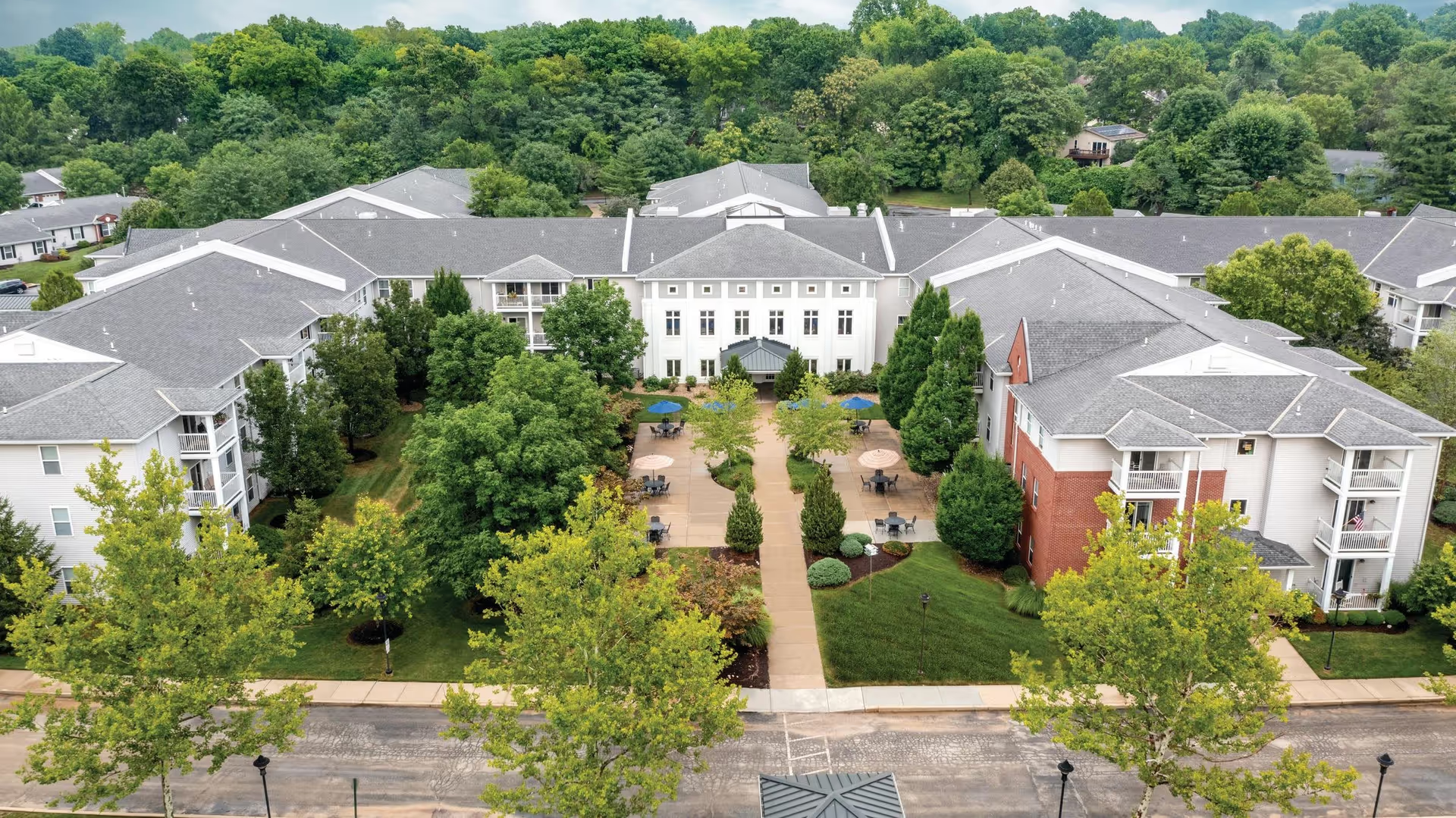
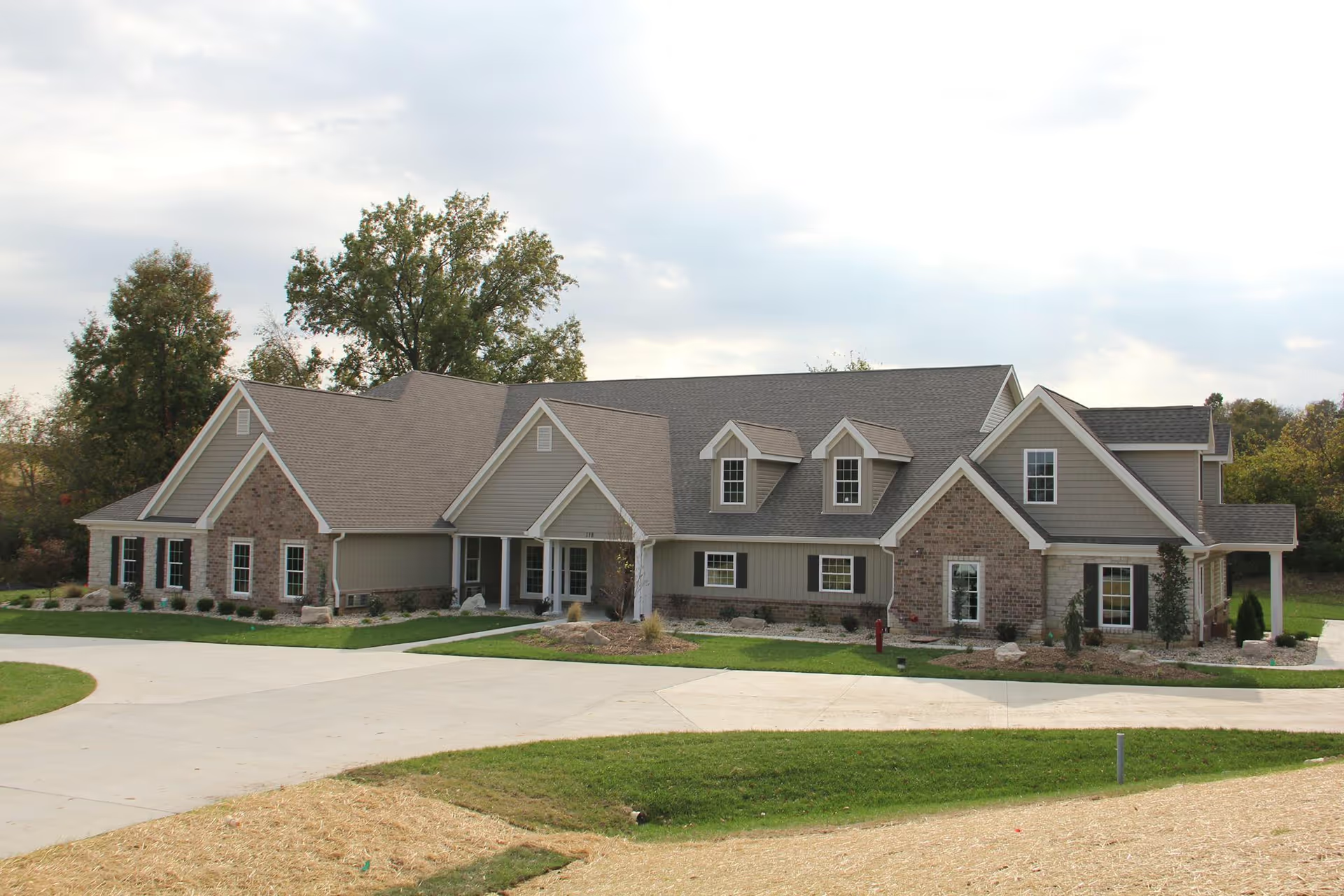
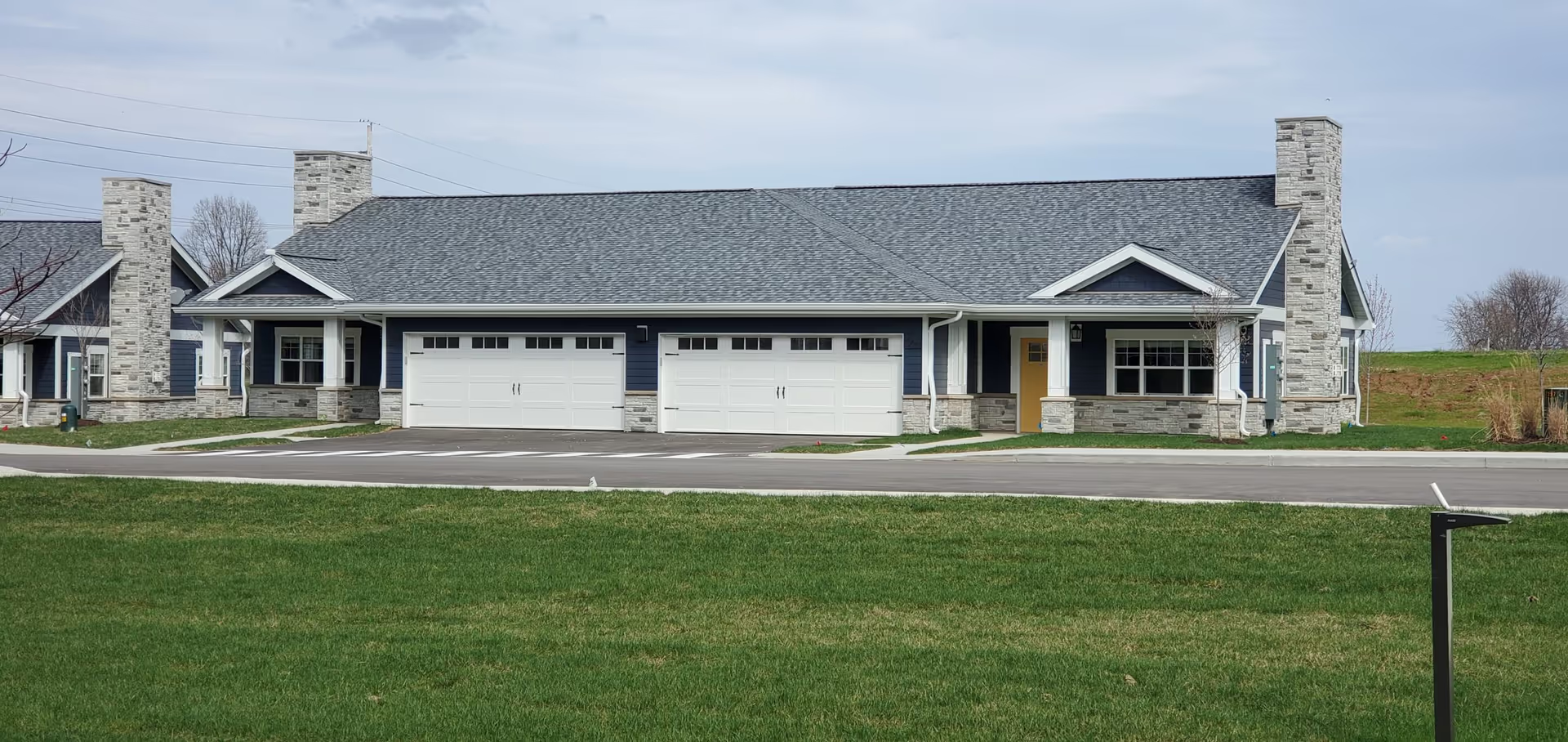
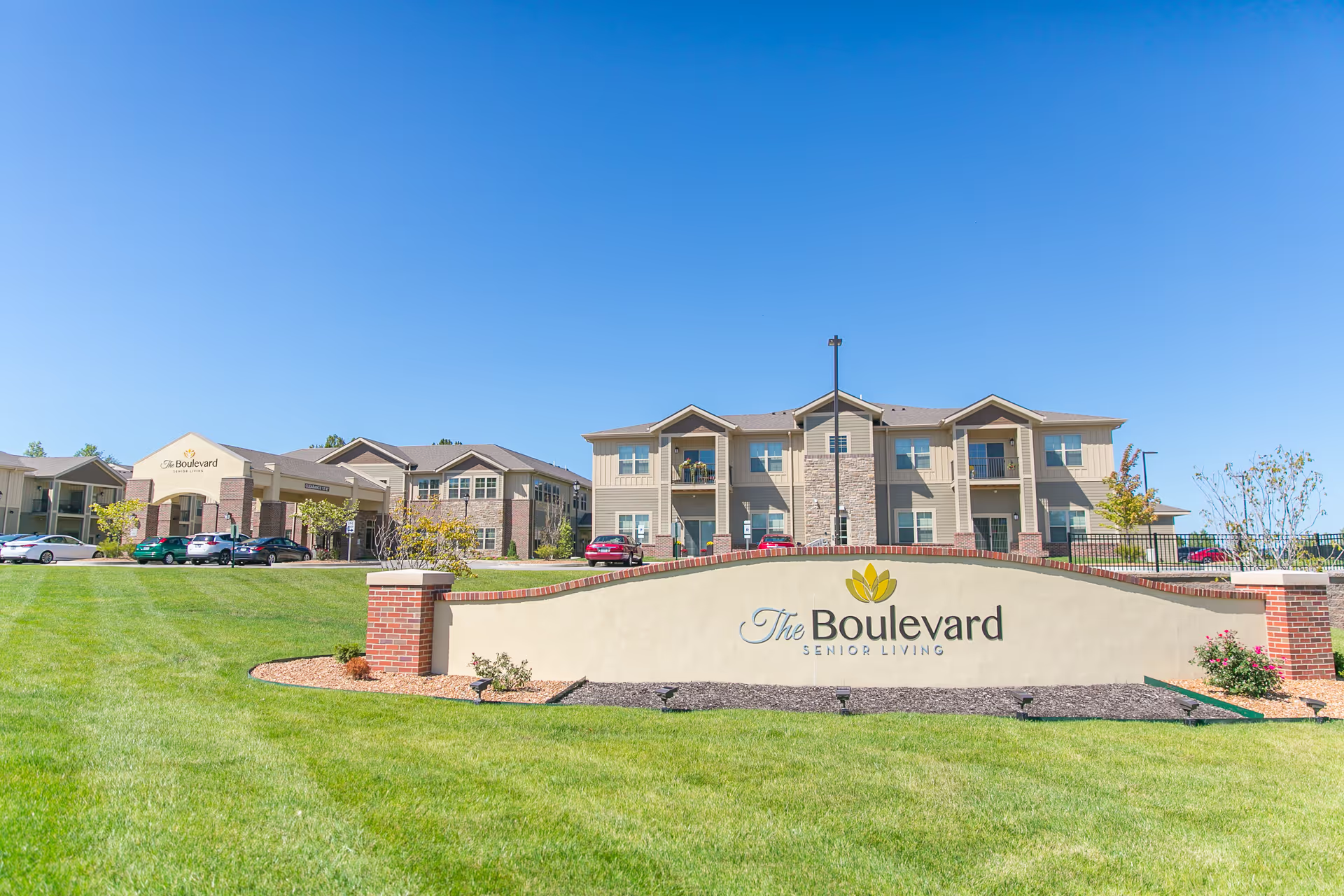
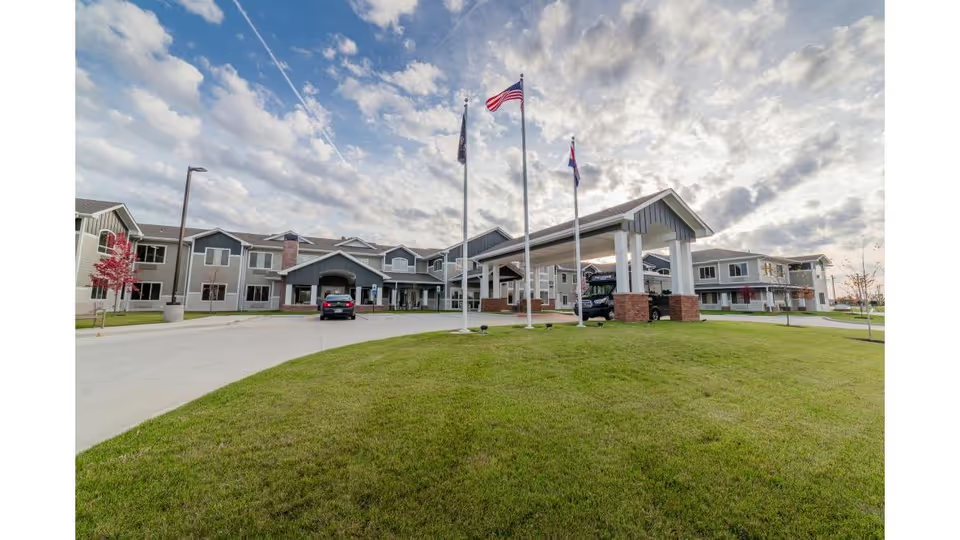
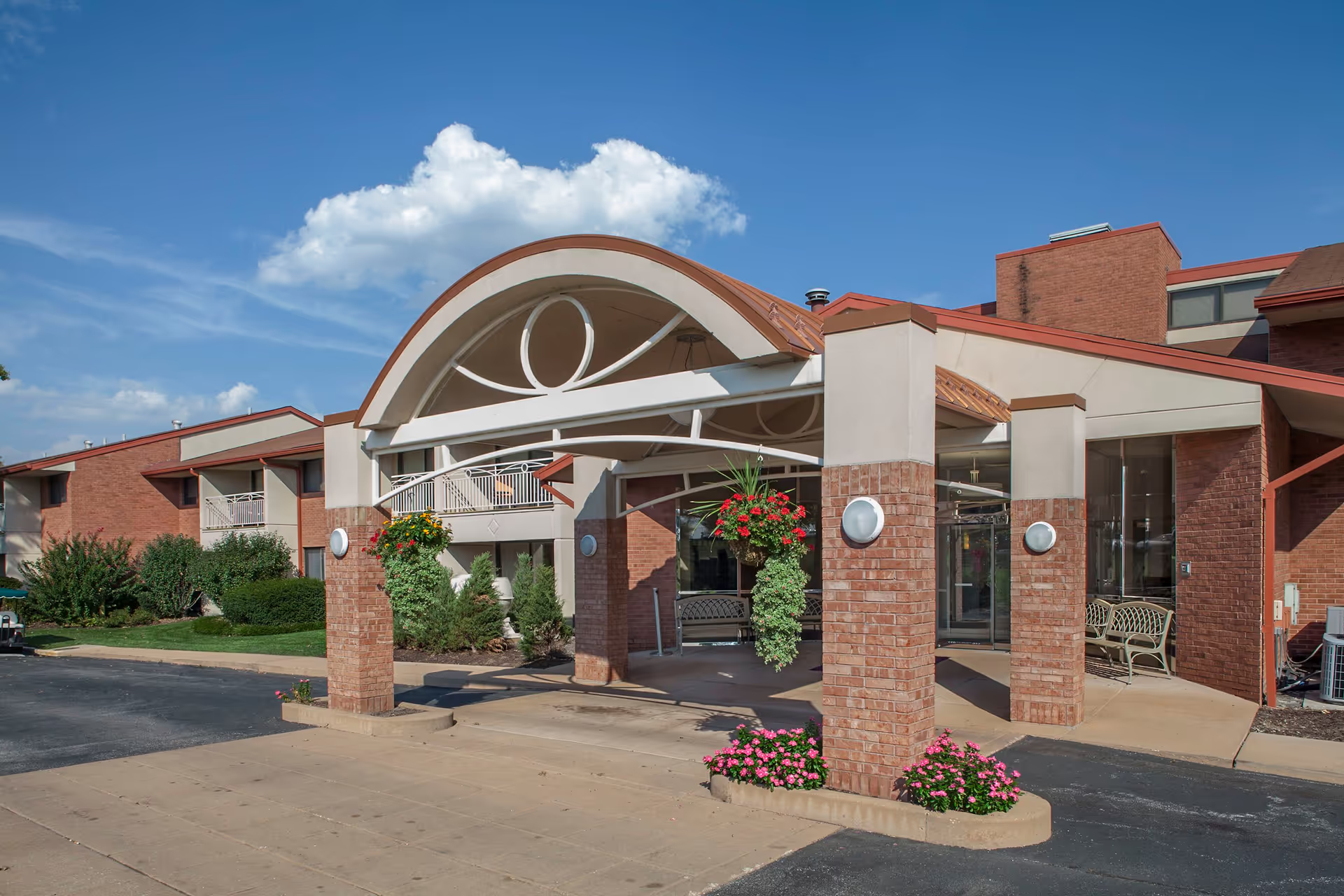
Facilities and safety: The campus model of multiple small houses and neighborhood-style living is a strength for families seeking a smaller-scale, homey environment. Outdoor space, gathering areas, and recent additions or remodeling are positives. Simultaneously, reviews note aging rooms in places, small room sizes, and limited private-bathroom availability; renovation is ongoing and uneven across units. There are also operational safety considerations mentioned, including narrow driveways and drop-off limitations, inconsistent housekeeping in some rooms and offices, and perceived gaps in controlled access. Inspect the specific house you would occupy for room size, bathroom arrangement, and entry/egress safety.
Notable patterns and recommendation: The dominant pattern is a trade-off between affordability, strong social programming, and personalized staff relationships versus variability in clinical follow-through, physical condition of some units, and management consistency. This community may be a good fit for families prioritizing social engagement, compassionate staff, and budget-conscious care with available memory-support options. For families who need guaranteed, high-intensity clinical oversight, consistent medication management, or newly renovated private accommodations, a focused tour that verifies staffing ratios, medication protocols, housekeeping standards, security procedures, and specific room assignments is advised before committing.