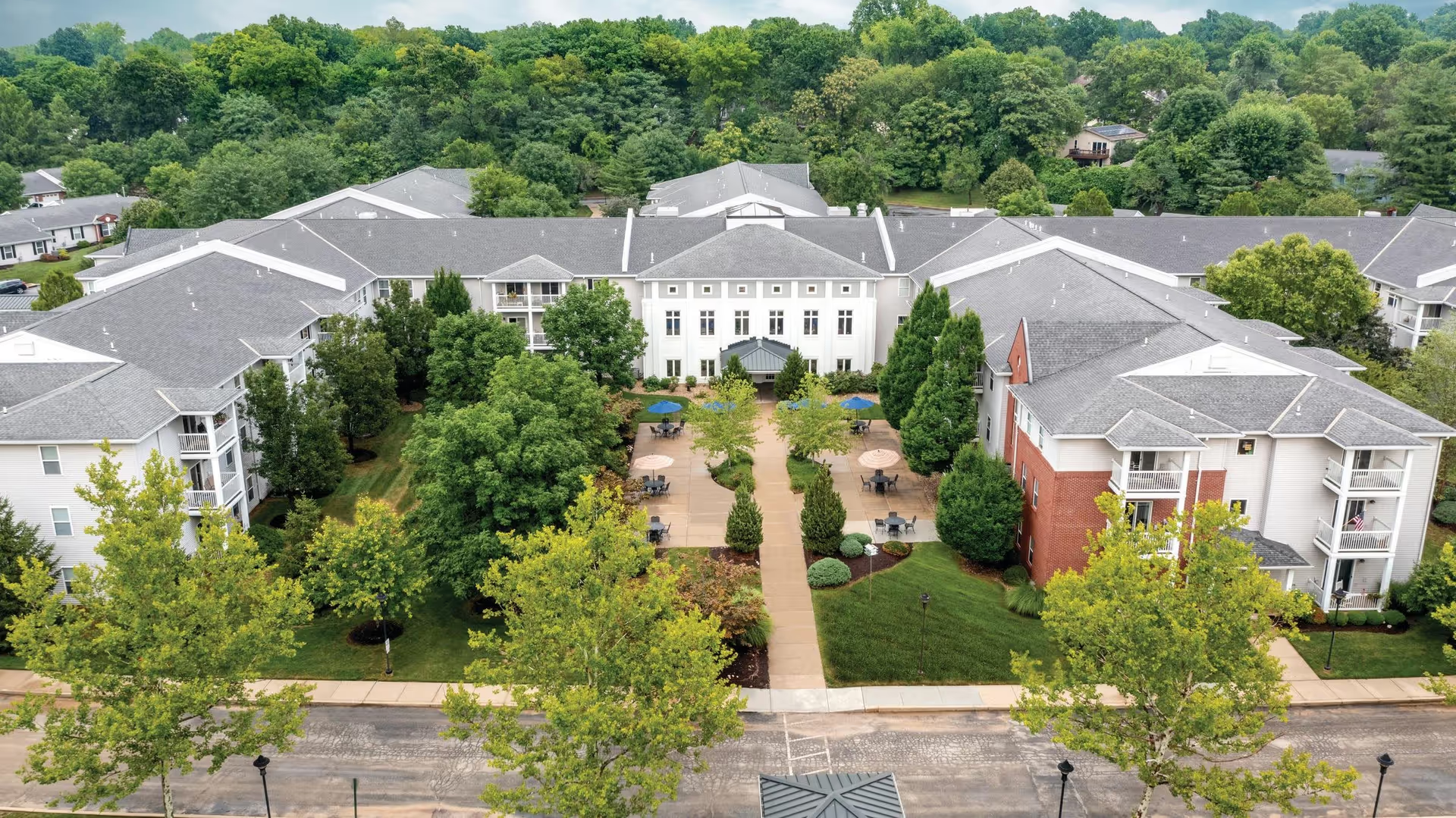
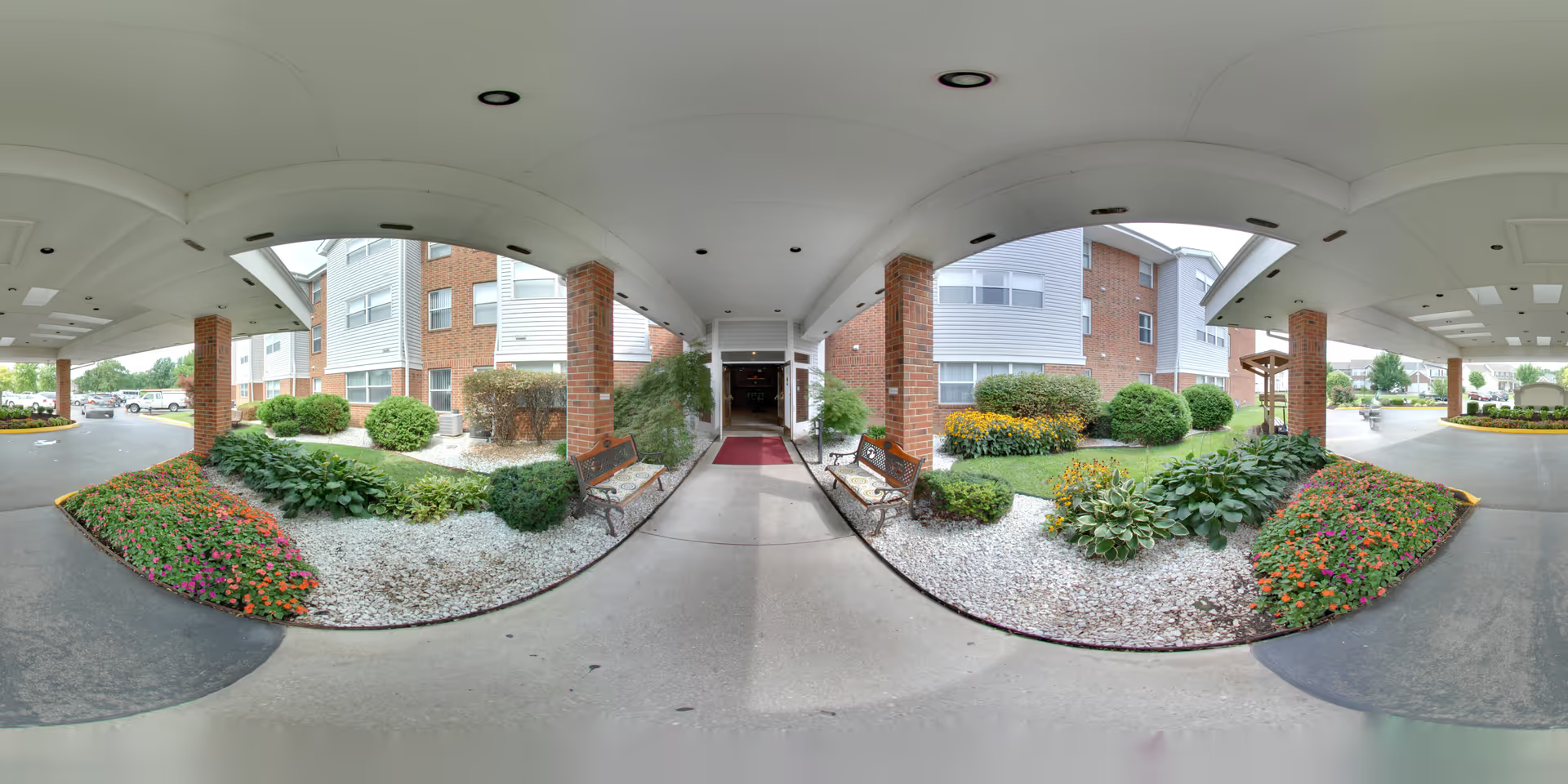
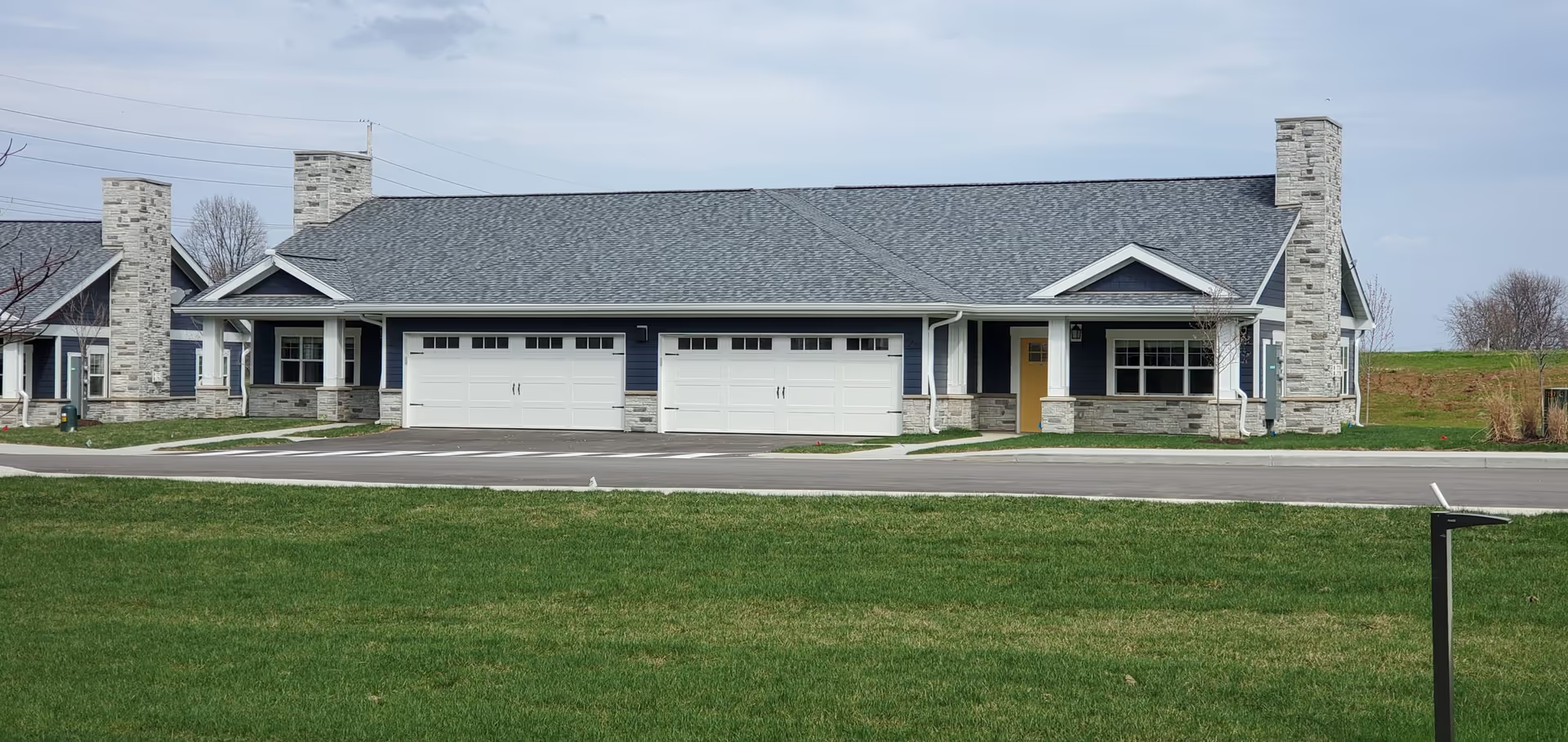
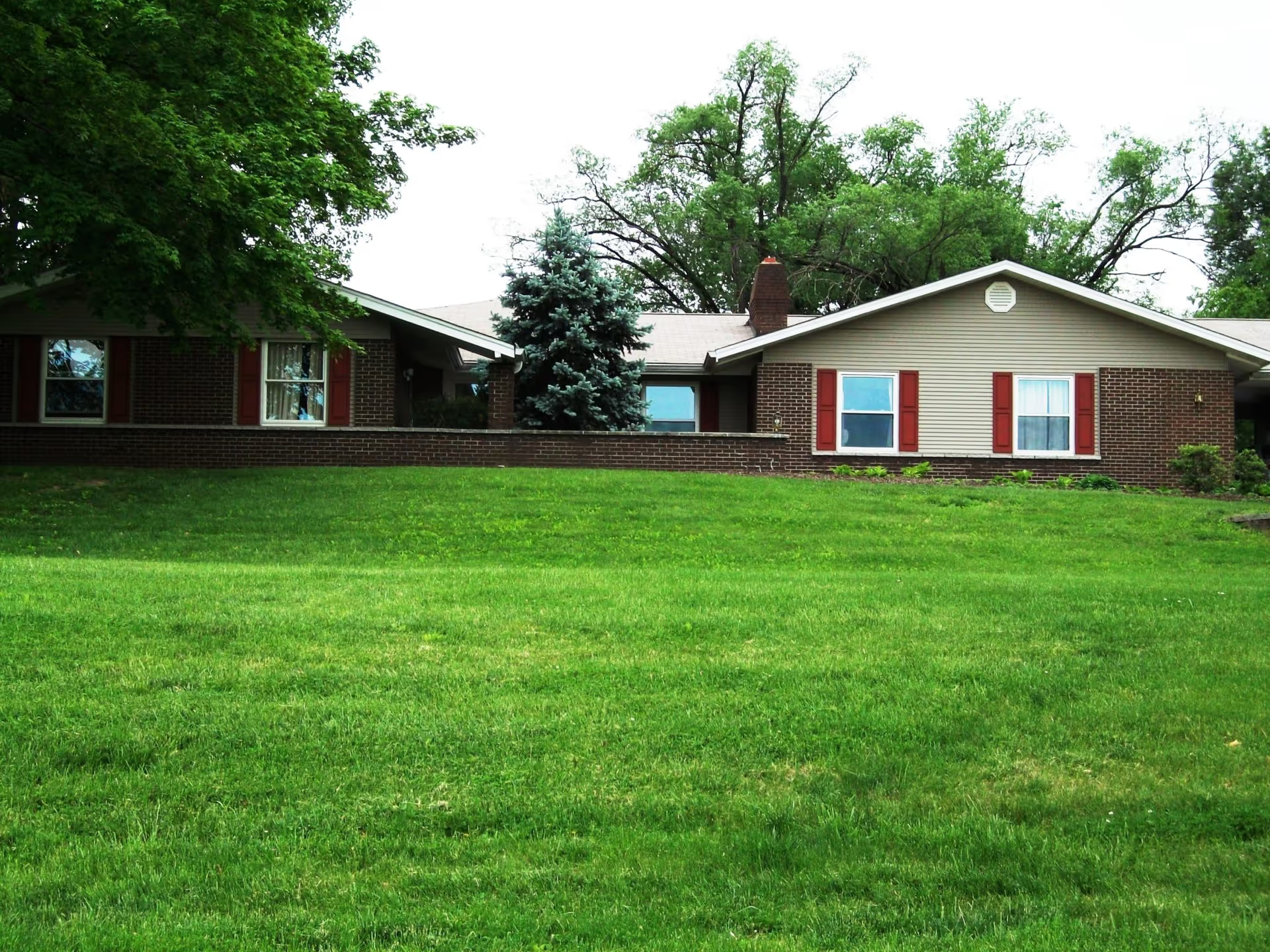
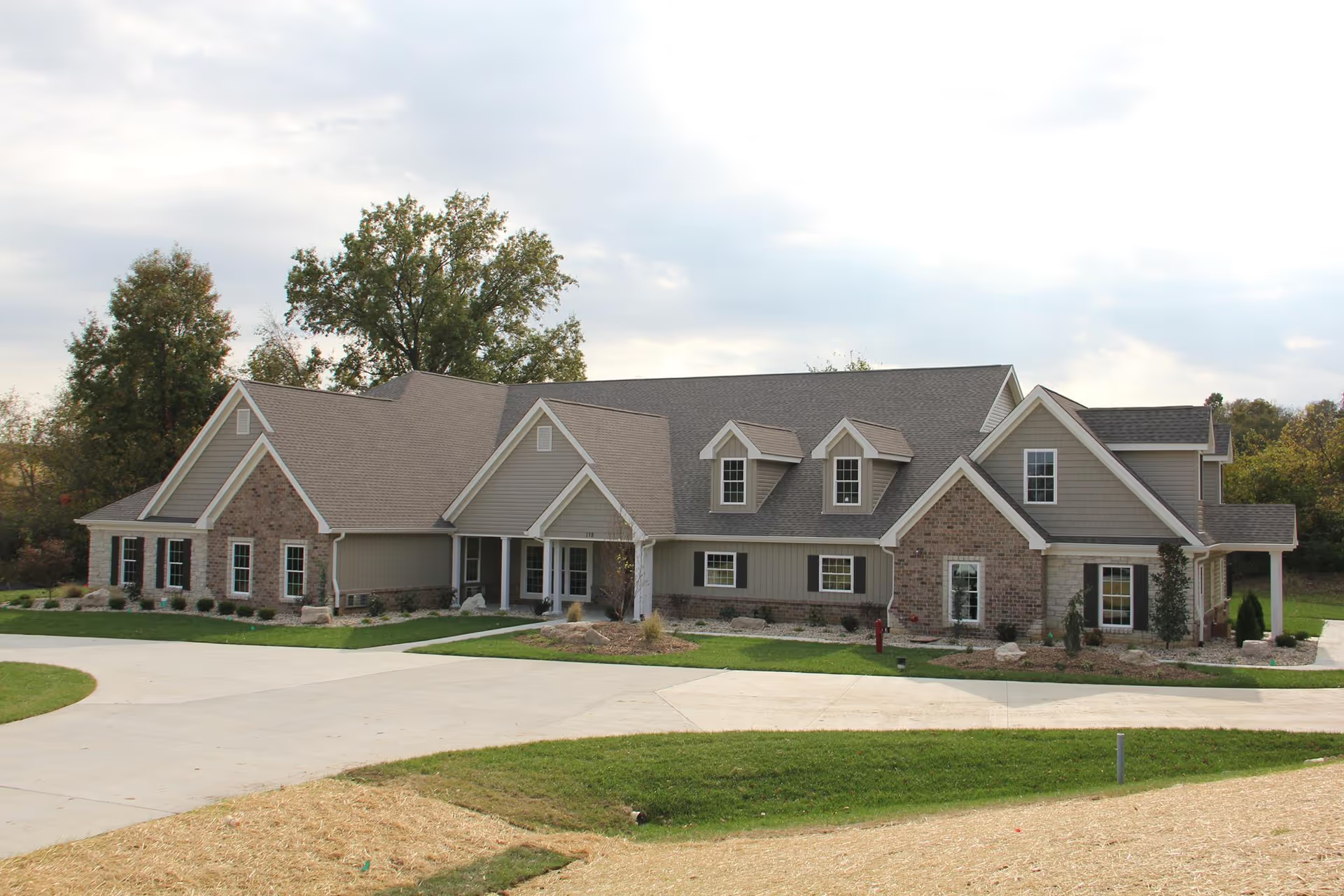
Reviews of Windsor Estates of St. Charles describe a facility with a mix of clear strengths and significant operational weaknesses. Strengths most consistently noted center on the therapy and rehabilitation team, which several families described as skilled, communicative, and effective in restoring mobility. Many reviewers also praised individual caregivers, dietary staff, and activity coordinators for creating social opportunities and helping residents adjust. The property itself receives positive comments for renovated sections, spacious apartments, attractive grounds and courtyard, restaurant-style dining rooms, and availability of multiple levels of care and transportation services.
Care-quality feedback is polarized. Positive experiences often reference attentive, person-centered caregiving and successful short-term rehabilitation stays. However, recurring clinical concerns appear across reviews: missed or delayed medication administration, late or missed dialysis transports, equipment and mobility-aid coordination problems, and inconsistent wound or skin-care follow-up. These items point to weaknesses in clinical oversight and medication-management systems. Several reviews also describe extended delays responding to call lights and emergencies, and lapses in fall-response protocols, which raise safety and supervision questions for higher-dependency residents.
Staffing and communication are major themes. Many families report chronic understaffing, high turnover, and inconsistent scheduling that affect continuity of care. While some managers and staff are credited with responsive problem-solving and improvement efforts, other reviewers describe unreturned calls, unresolved billing disputes, and administrative inaction. Financial-administration issues — including billing errors, automatic payments charged incorrectly, and vendor-payment problems — were described often enough to be a distinct operational concern.
Daily living services and environment receive mixed feedback. On the positive side, activities programming, social engagement, and meal variety were highlights for residents who thrive there; some families note frequent events, craft rooms, and effective transportation for appointments. Conversely, other reviewers describe late or cold meals, limited access to activities for higher-dependency residents, inconsistent bathing schedules, laundry errors, and sanitation or pest-control concerns in parts of the building. These inconsistencies often track with differences between renovated and older sections of the campus.
Management and organizational trajectory also vary across accounts. A number of reviewers report that leadership changes and targeted interventions led to measurable improvements in care, communication, and facility upkeep. At the same time, multiple families experienced broken commitments, lack of follow-through on corrective plans, and continuing operational problems. This variability suggests that resident experience is highly dependent on current staffing levels, unit assignment, and which managers or clinical staff are on duty.
Notable patterns for prospective residents and families: therapy/rehab services are a clear strength and worth confirming during a visit; ask specifically about staffing ratios and typical response times on the unit you would occupy; review medication-management protocols, fall-response procedures, and how dialysis or outside-provider coordination is handled; inspect cleanliness and pest-control measures in the specific building wing; and clarify billing, automatic-payment, and vendor-payment practices in writing. Overall, Windsor Estates offers tangible amenities and outstanding individual staff in some areas, but there are consistent operational risks that merit careful, specific inquiry during tours and contract negotiations.