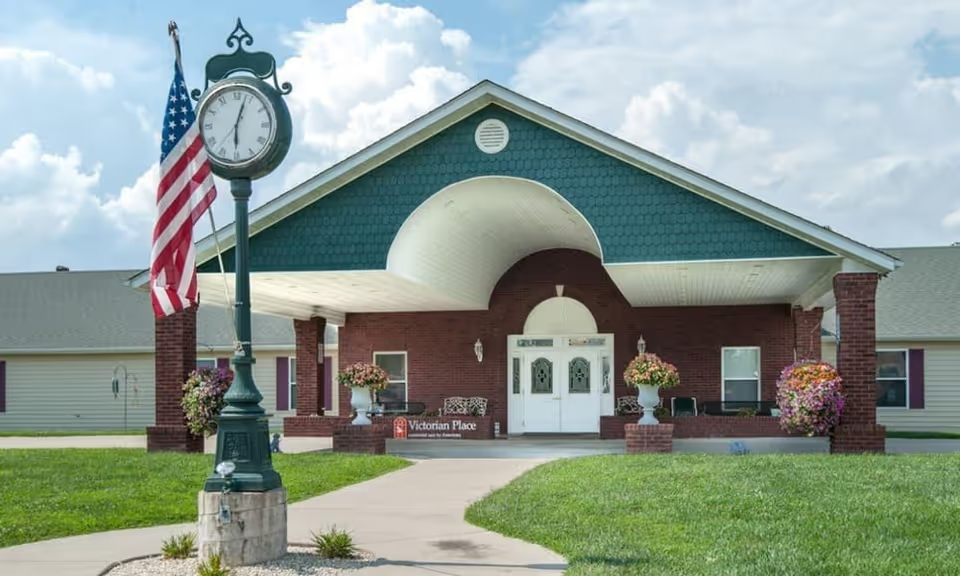
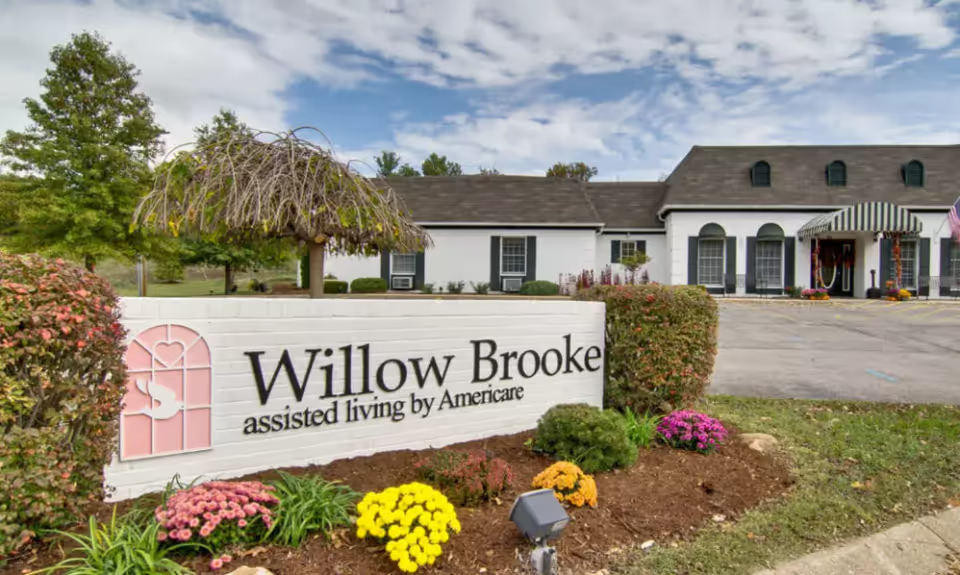
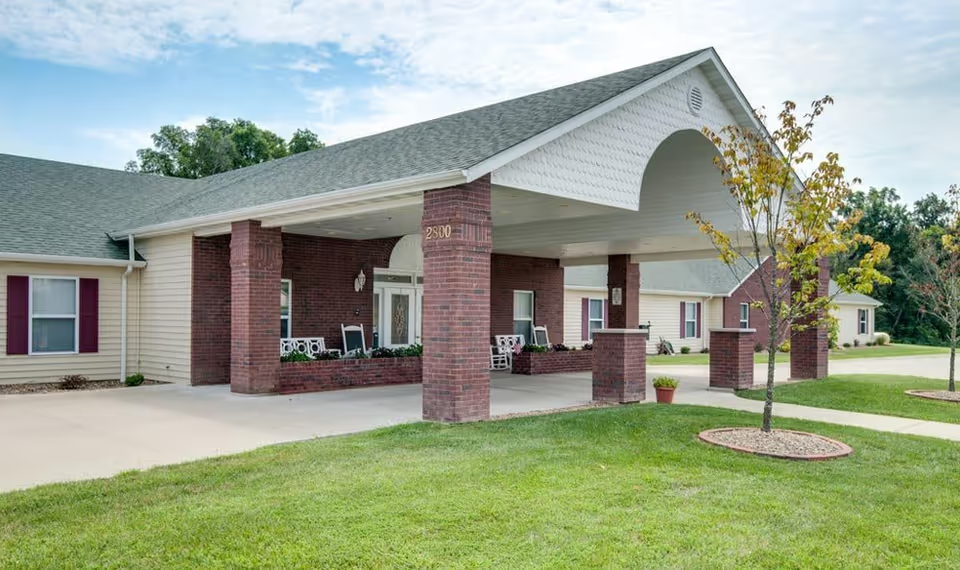
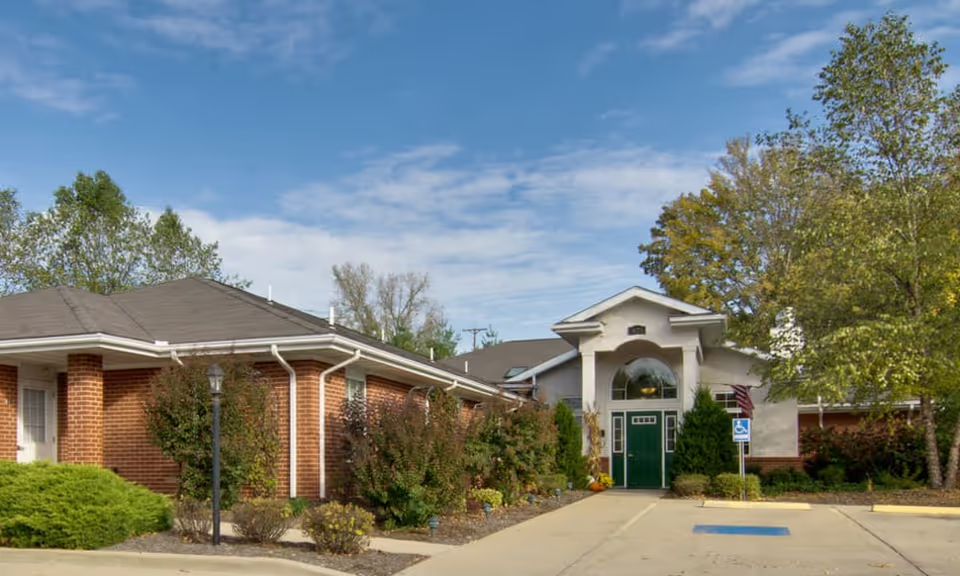
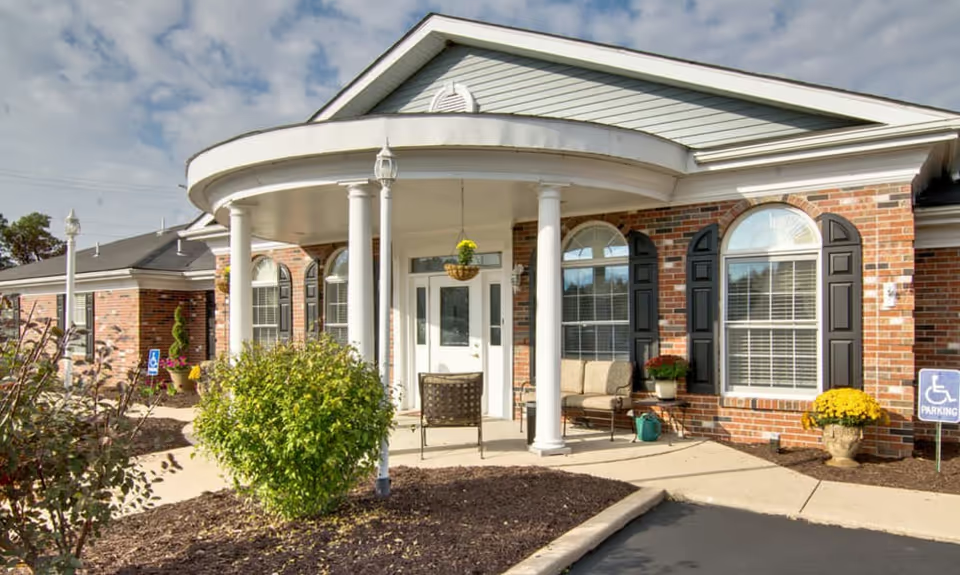
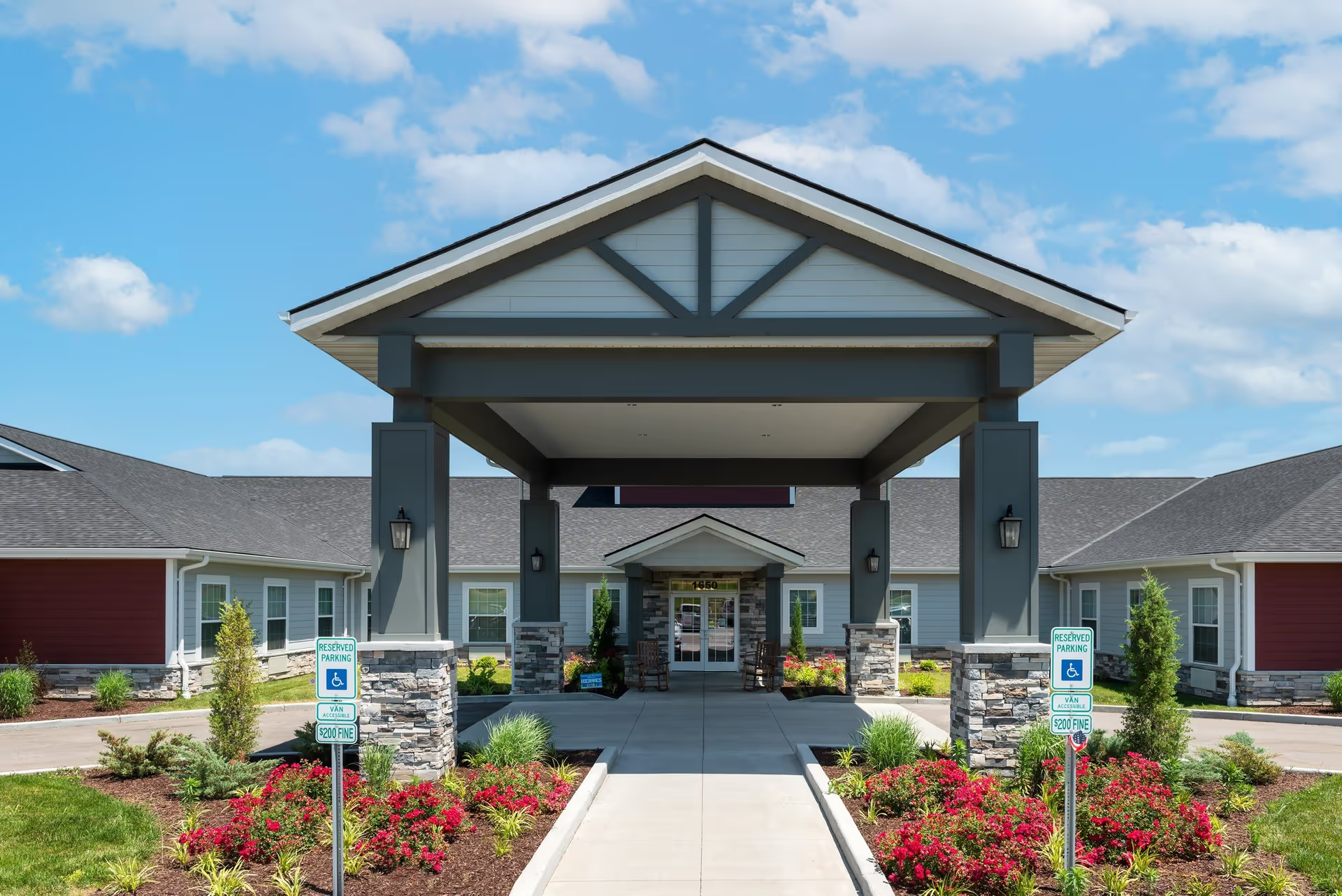
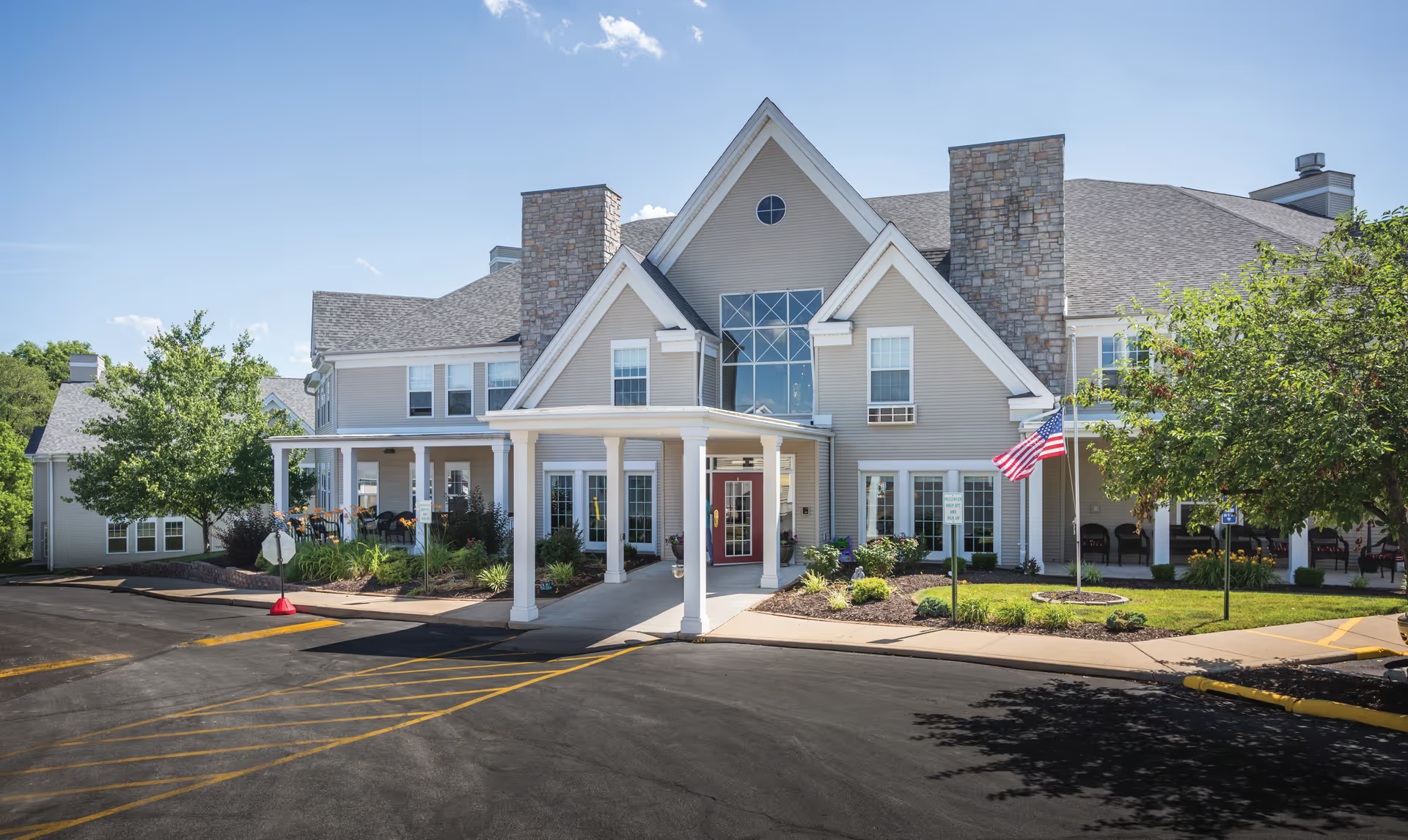
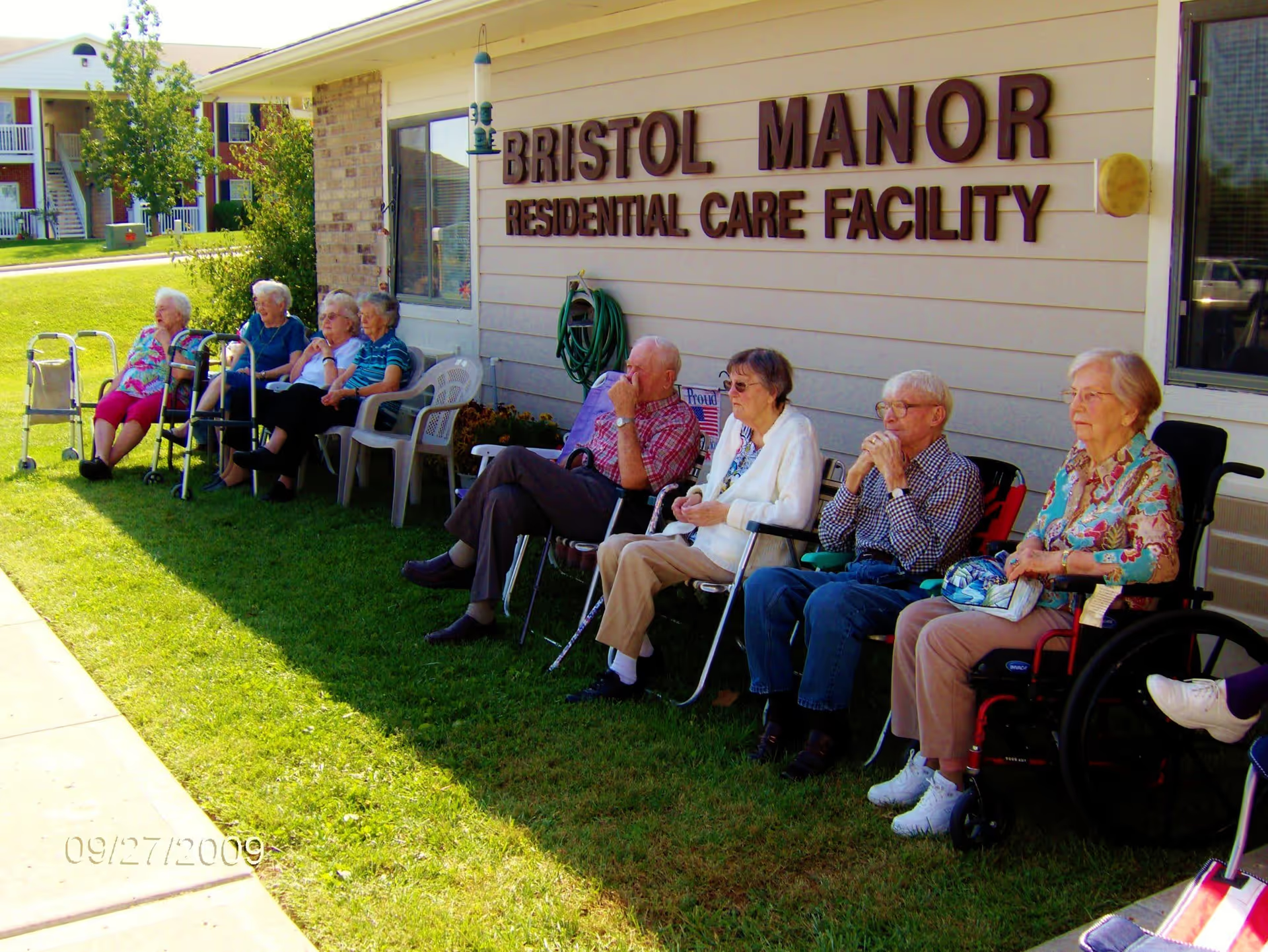
Overall impression: The facility presents a mix of clear strengths and serious operational concerns. Many comments praise the physical environment and day-to-day living experience—reviewers describe a clean, home-like setting with attractive common areas, a small-community feel that allows individualized attention, and a staff that is often characterized as knowledgeable and considerate. Assisted-living residents appear to benefit from an active social program, regular external entertainment, on-site personal services (hairstylist, laundry), and dining that some families describe as high quality.
Care and staff: Care quality is a split area. Positive accounts highlight responsive, compassionate caregiving and individualized attention consistent with a smaller, less crowded setting. However, other accounts identify gaps in staffing, training, and supervision that can produce inconsistent care outcomes. Specific operational concerns include delayed clinical attention (for example wound care) and uneven supervision during off hours; these point to variability in how clinical and safety protocols are applied across shifts.
Dining and activities: Dining receives generally favorable comments, with mentions of accommodating modified diets (pureed meals, frequent snacks) and some strong praise for food quality. Activity programming is robust in assisted-living areas (games, bingo, exercise, social spaces), plus outside entertainers are brought in. Memory-care programming appears more limited, with fewer structured activities noted for residents who require higher levels of cognitive support.
Facilities and safety: The facility's physical upkeep and atmosphere are recurring positives, but reviewers also raise operational safety issues. Concerns include inconsistent infection-control practices and sanitation/odor issues in some areas, as well as supervision lapses that can affect resident safety at night. Room sizes and privacy are cited as limitations for some units.
Management, administration, and financial practices: Several comments praise staff interactions, yet there are significant administrative concerns. Allegations of missing personal items, problematic asset controls, and aggressive billing or collections practices emerged in some accounts; these raise questions about financial transparency and resident-asset protections. Families also describe poor communication and limited transparency from management around clinical incidents, room moves, and billing decisions. Perceptions that cost-control priorities influence care decisions were also noted.
Notable patterns and advice for families: The collection of feedback suggests a facility with many day-to-day strengths (cleanliness, engaged staff in assisted living, varied activities, good dining) alongside operational weaknesses that could materially affect higher-acuity residents (medication and asset controls, infection prevention, supervision, and family communication). Prospective families should weigh the facility's pleasant environment and active assisted-living offerings against the documented administrative and clinical-process concerns, and consider clarifying policies on medication management, incident reporting, infection control, room size options, and billing practices before making a placement decision.