Overall impression: Reviews of St. Clair Nursing Center present a mixed but instructive picture. Many families and residents describe genuinely compassionate, resident-centered care delivered by nurses, CNAs, and a therapy team that achieves positive rehabilitation outcomes. At the same time, recurring operational concerns—most notably staffing and responsiveness—create variability in day-to-day experiences. Prospective residents should weigh the facility’s strengths in rehabilitation and environment against episodic issues in continuity of care.
Care quality and clinical services: Several reviewers praised the rehabilitation staff and noted successful short-term rehab outcomes and skilled therapy that helped residents regain strength and return home. Clinical staff are often described as respectful and attentive during routine interactions. However, there are repeated accounts of inconsistent follow-through on promised therapies, delays in medication administration (particularly pain management), and instances where wound care or dressing changes were not managed to the family’s expectations. These themes point to variability in clinical process adherence rather than uniform competency gaps.
Staffing and staff conduct: A dominant pattern is understaffing and high CNA turnover. Where staff are available and engaged, families report compassionate, attentive care and helpful communication from administrators. Where staffing is thin, reviewers describe long waits for assistance, delayed responses to call lights, and limited one-on-one time. Additionally, reports indicate inconsistent communication tone among staff—some caregivers and nurses are described as warm and supportive, while others are characterized as brusque or unprofessional. These contrasts suggest that resident experience can depend strongly on shift, unit, and individual staff members.
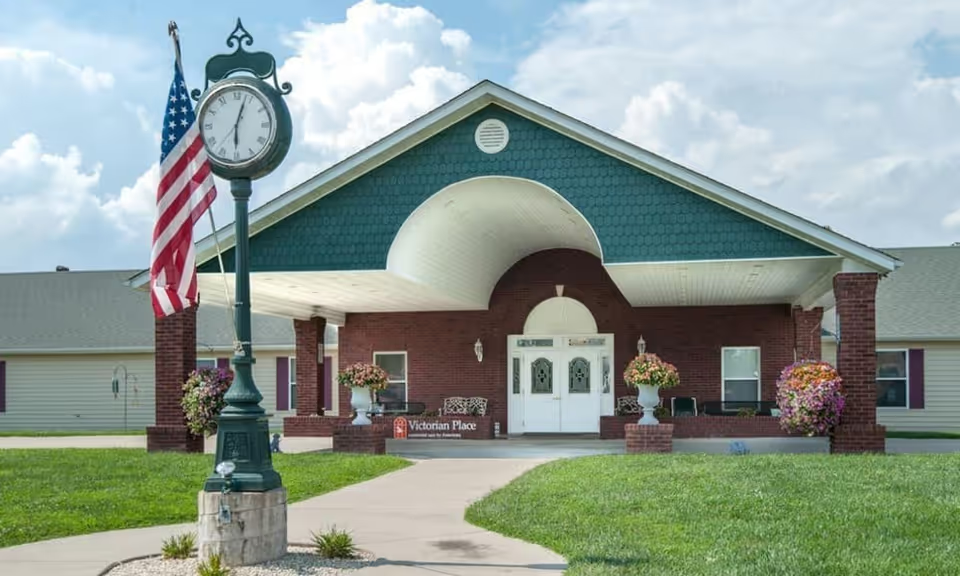
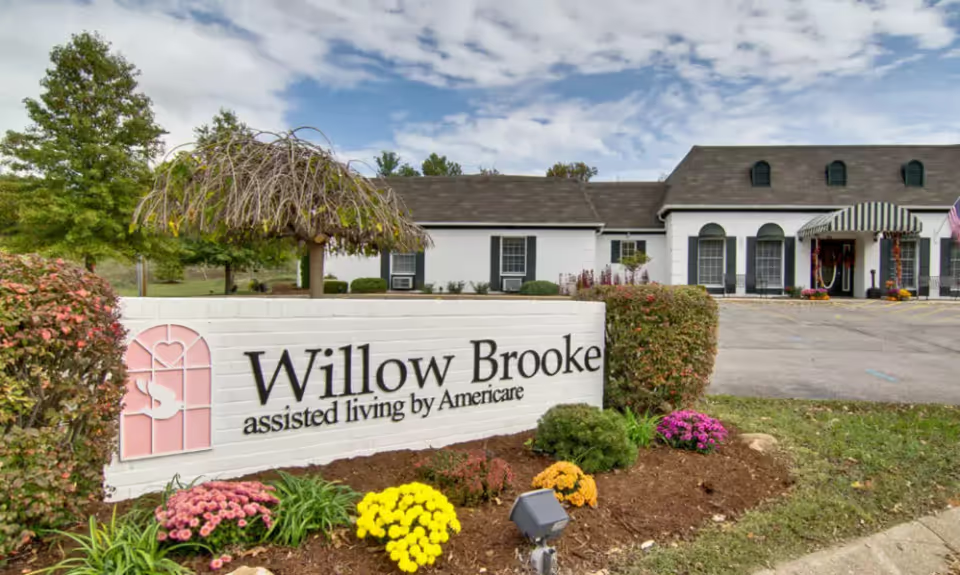
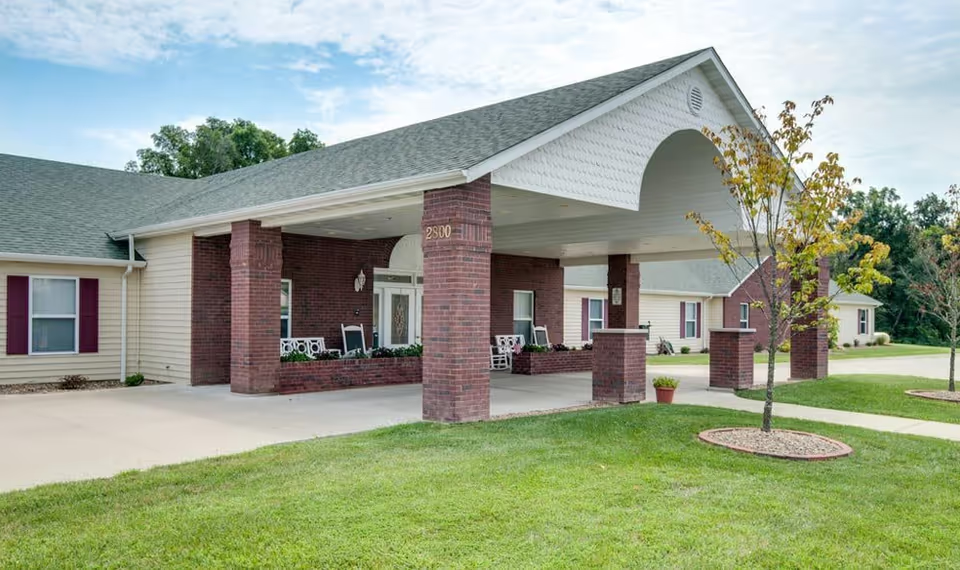
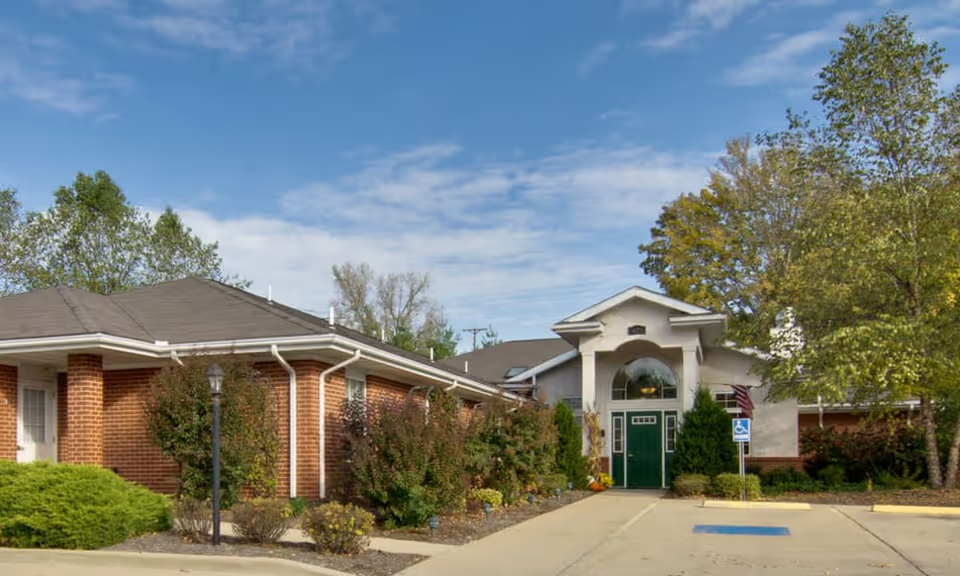
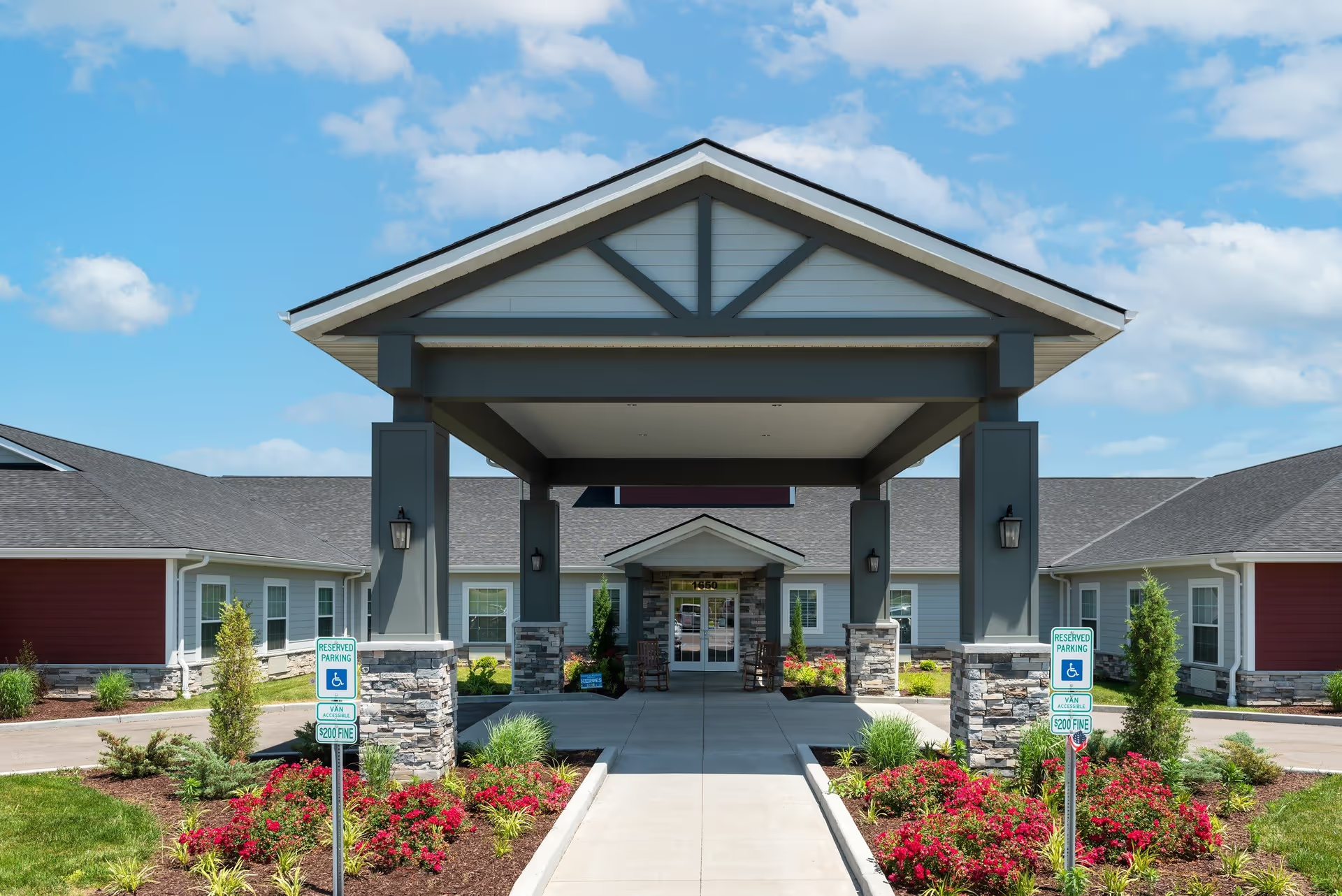
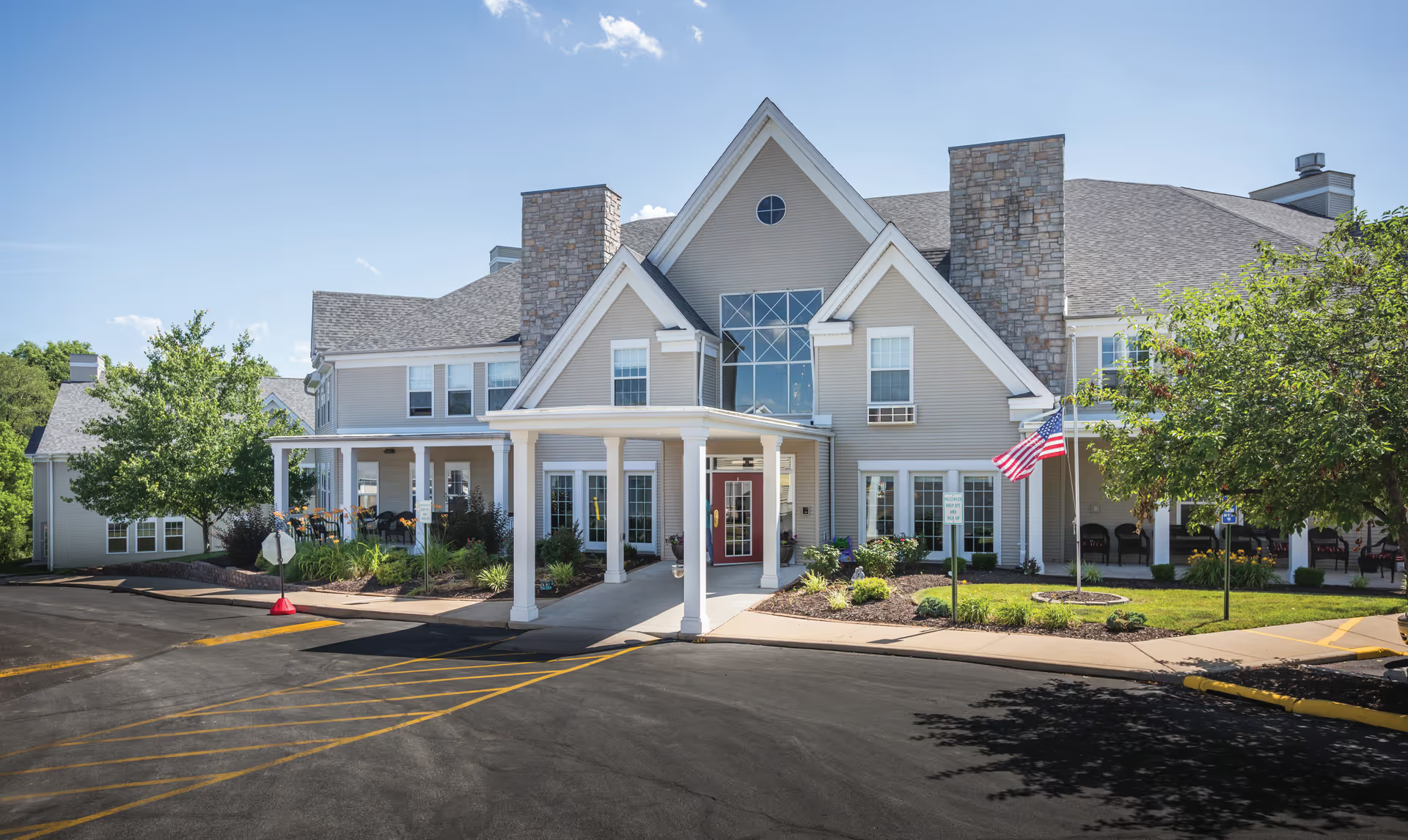
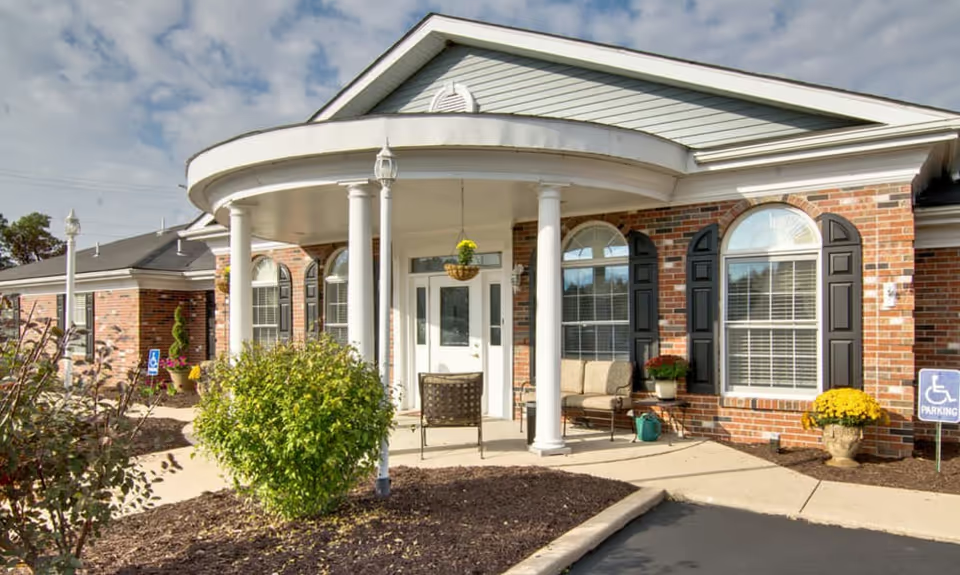
Dining, activities, and environment: Dining receives generally positive comments; food quality is described as decent to very good, and the dining room is noted as pleasant. The facility is frequently described as clean, well-kept, and updated in parts, with a home-like atmosphere and no pervasive institutional odor in many areas. Outdoor spaces such as a courtyard and garden are present, though access and unit-specific policies may limit use for some residents.
Facilities and operations: Physical plant and sanitation are often cited positively—reviewers note cleanliness and orderly maintenance. At the same time, some reviewers mention older sections with occasional odor concerns. Room options include both private and shared accommodations. Operational issues such as missed therapy sessions, inconsistent bathing schedules, and incontinence-care delays point to process gaps that intersect with staffing and scheduling practices.
Management and administration: Administration receives both praise and criticism. Multiple families describe administrators who are accessible, supportive, and proactive in assisting residents and families. Conversely, there are accounts of unprofessional HR handling and managerial conduct that eroded trust for some reviewers. These divergent reports indicate variability in leadership responsiveness and highlight the value of meeting administrators during a tour.
Notable patterns and practical guidance: The strongest, most consistent positives are the facility’s rehabilitation capability, many caring front-line staff, and a generally clean, comfortable environment. The most consistent concerns are operational: staffing consistency, timely response to assistance requests, reliable medication timing, and follow-through on wound and therapy care. Prospective residents and families would benefit from an in-person visit that includes a meeting with administrative staff and specific inquiries about staffing ratios, call-light response times, therapy schedules and guarantees, wound-care protocols, and unit-level practices (including outdoor-access policies). Doing so will help clarify whether the current operational environment aligns with the resident’s clinical and personal needs.