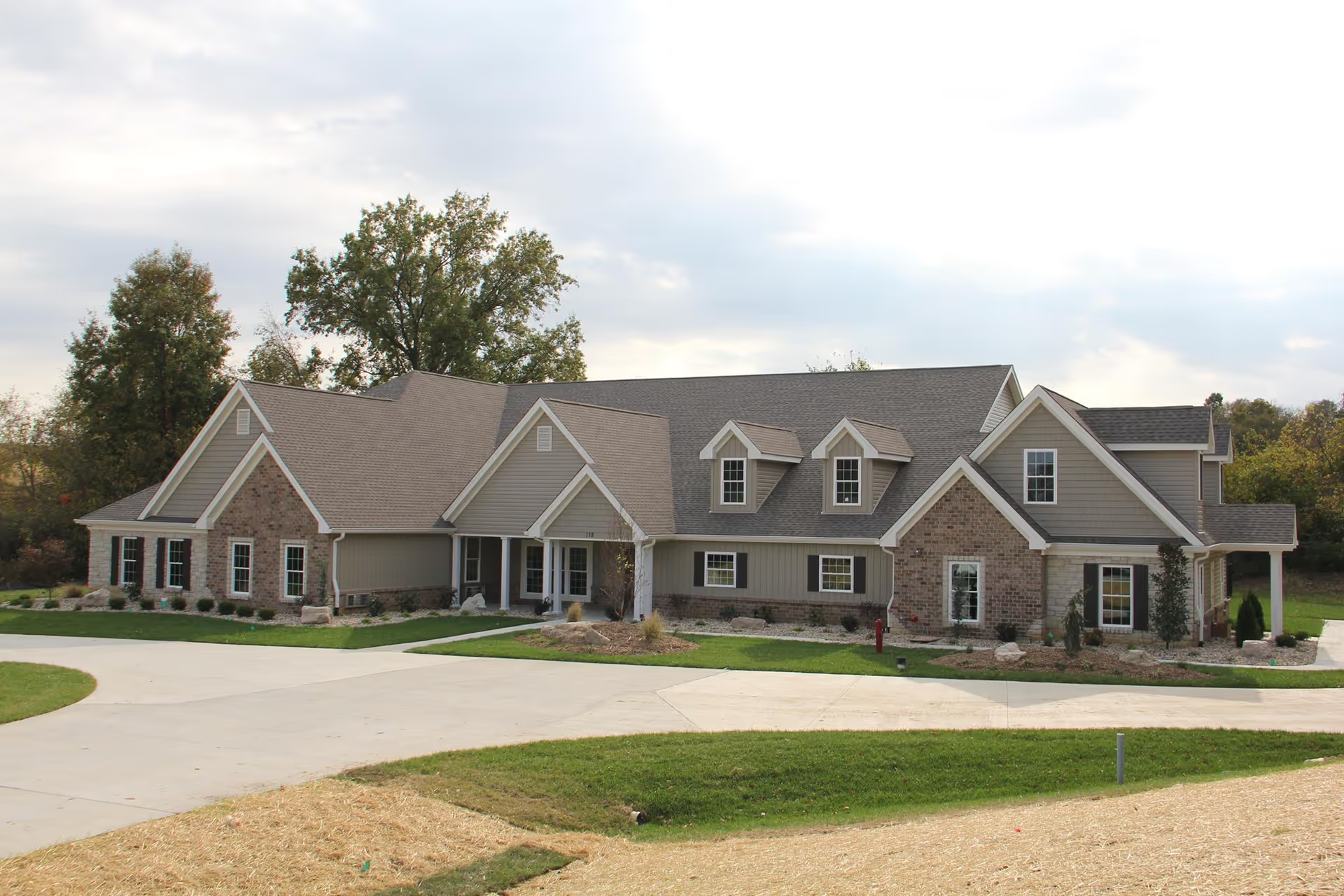
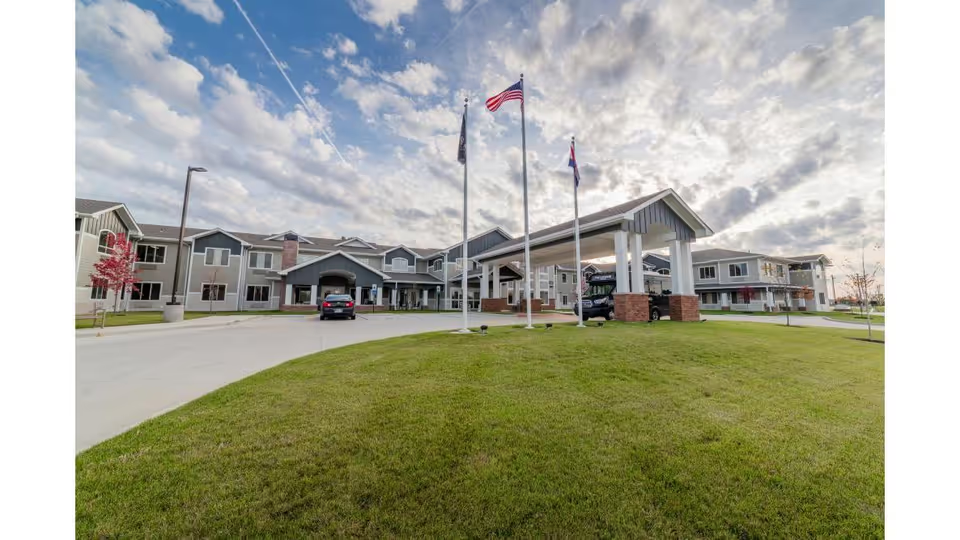
Chestnut Glen presents a mixed but largely community-oriented profile. Strengths most often noted include a warm, homelike environment, a clean and modern physical plant, and a caregiving staff that many families describe as compassionate and attentive. The facility’s activities program — led by a highly regarded activities director — receives frequent praise for personalized celebrations, garden-program engagement, and social events that encourage participation. Separate memory-care units and visible efforts to create inclusive programming are additional positives for families seeking a community setting.
Clinical care and direct nursing are areas with divergent impressions. Several families describe nursing staff as attentive, proactive, and thorough in identifying and addressing medical issues. At the same time, recurring operational concerns emerge around medication management, inconsistent one-on-one care, and gaps in clinical readiness for residents with higher-acuity or advanced dementia needs. Long call-button response times and reports of delayed assistance underline a potential mismatch between resident acuity and available staffing during some shifts.
Dining and activities are similarly variable. Many reviewers praise meals as tasty and adequate, with opportunities for social dining and outings; others note reheated or lower-quality menu items and say that promised outings or activities did not consistently occur. The core activities program appears robust and individualized when fully staffed and coordinated, but activity frequency, variety, and off-site transportation can be inconsistent.
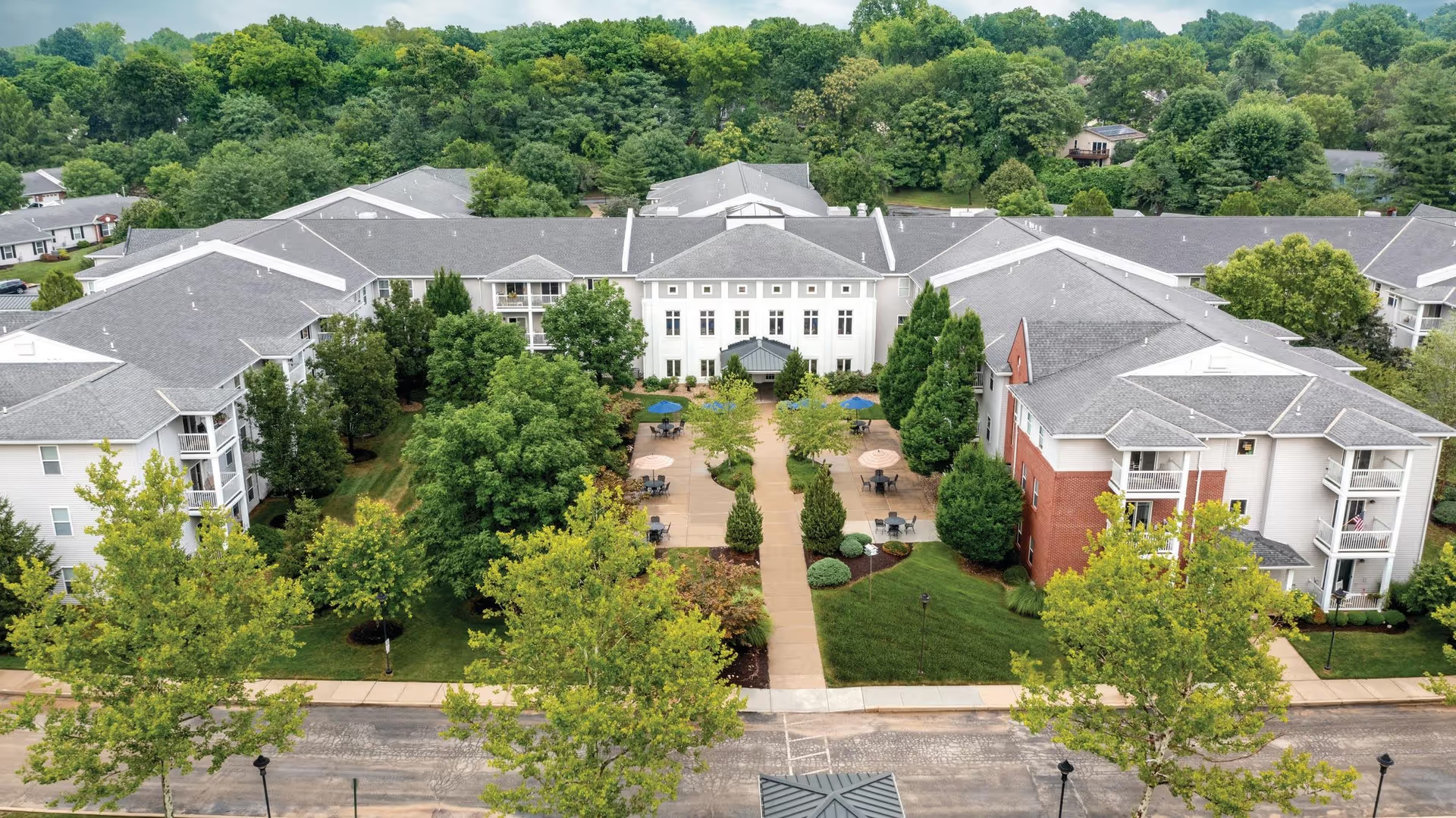
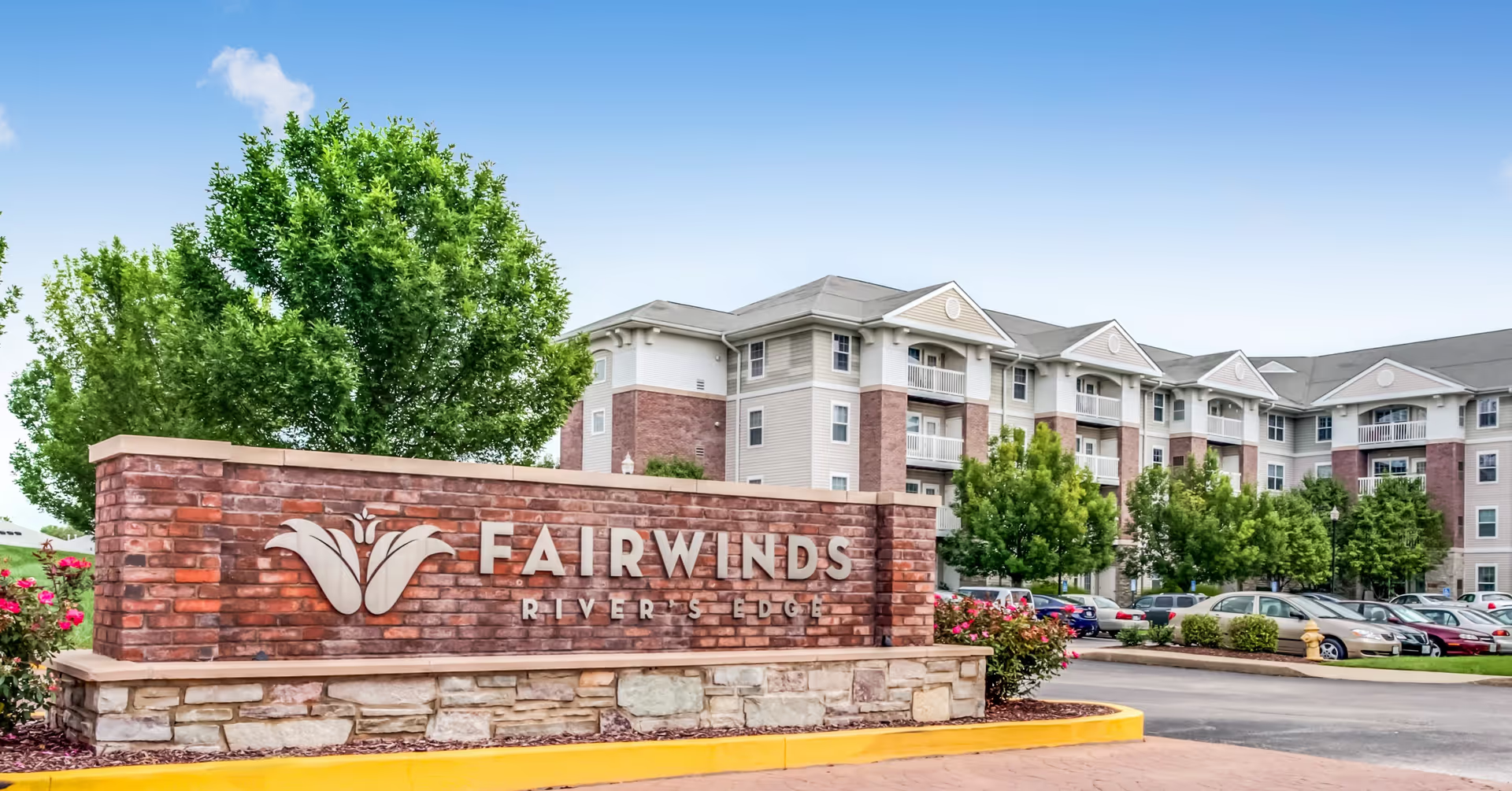
Facility features are generally well regarded: the community is described as clean, tastefully decorated, and comfortable, with good public spaces and outdoor seating. Physical-layout issues arise for some residents — notably long hallways, rooms located at a distance from dining areas, and limited individual climate control in certain units — which can affect mobility and convenience. Memory-care buildings differ in amenities (for example, in-room shower availability), so unit-level tours are advisable.
Management and operations show clear patterns of strength and weakness. Positive admissions interactions and responsive marketing staff are noted, and some families report strong, family-inclusive communication. However, persistent comments highlight administrative shortcomings: inconsistent communication with families, billing errors or delays, lack of formal care-plan meetings, and occasional unprofessional or impersonal interactions at the front desk or with administration. Operational gaps in laundry labeling and personal-property control, as well as intermittent sanitation and maintenance issues in back-of-house areas, have been raised and would warrant inquiry during a visit.
Bottom line: Chestnut Glen offers a warm, activity-focused community with many families reporting compassionate care and a well-maintained environment. Prospective residents and families should verify current staffing levels and turnover, ask for details on medication and clinical oversight protocols, confirm laundry/property and sanitation controls, review the activity calendar and outing schedule, and inspect the specific unit layout and climate controls during an in-person tour to ensure the community’s operational realities match their care expectations.