Overall impression: The facility is widely recognized for its strength in direct memory-care delivery. Many families describe compassionate, well-trained caregivers who provide individualized, dignified support and create a family-like atmosphere. Reviewers frequently praised the activity director and the breadth of social programming, noting that daily activities and staff engagement help residents acclimate and enjoy social connections. Several accounts credit the facility with successful transitions that reduced emergency-room visits and provided families with greater peace of mind.
Care and staff: Direct care staff receive consistent praise for compassion, respect, and specialized memory-care knowledge. Caregivers across roles are described as attentive and willing to go beyond basic expectations, and families commonly reported that staff treated residents with dignity. However, a recurrent operational theme is staffing instability: turnover and periods of understaffing were described as affecting consistency of care. Administrative responsiveness and the tone of some managerial staff were also identified as areas of concern; reviewers urged active family advocacy to ensure timely follow-up and partnership in care planning.
Dining and activities: Dining is frequently cited as a strength — meals are described as appealing in presentation and taste, and dining service receives positive comments. Activity programming is another clear asset: residents are reported to benefit from stimulating daily activities, individualized engagement, and strong leadership from the activity director. At the same time, a few accounts indicate that resident participation in activities can be inconsistent, suggesting variability in engagement across the population.
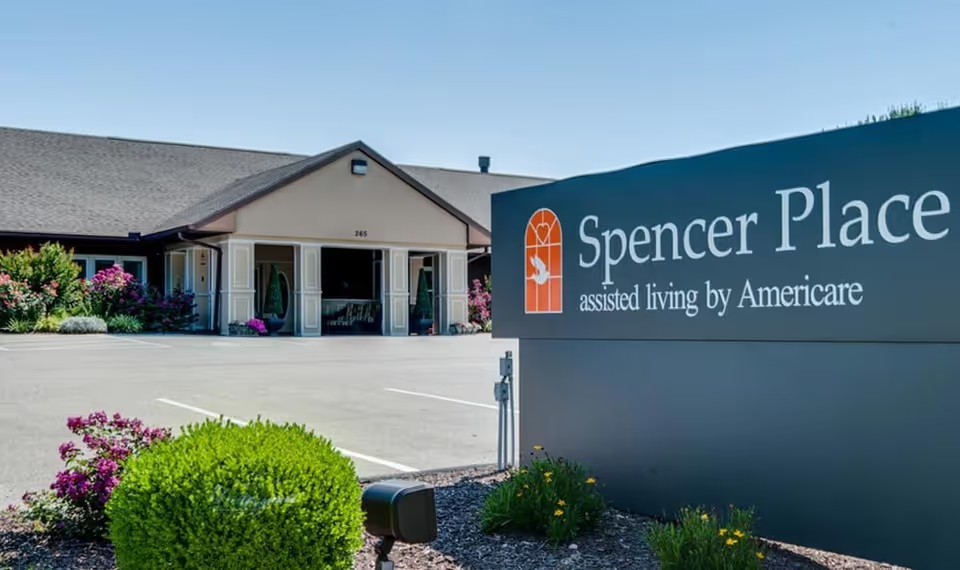
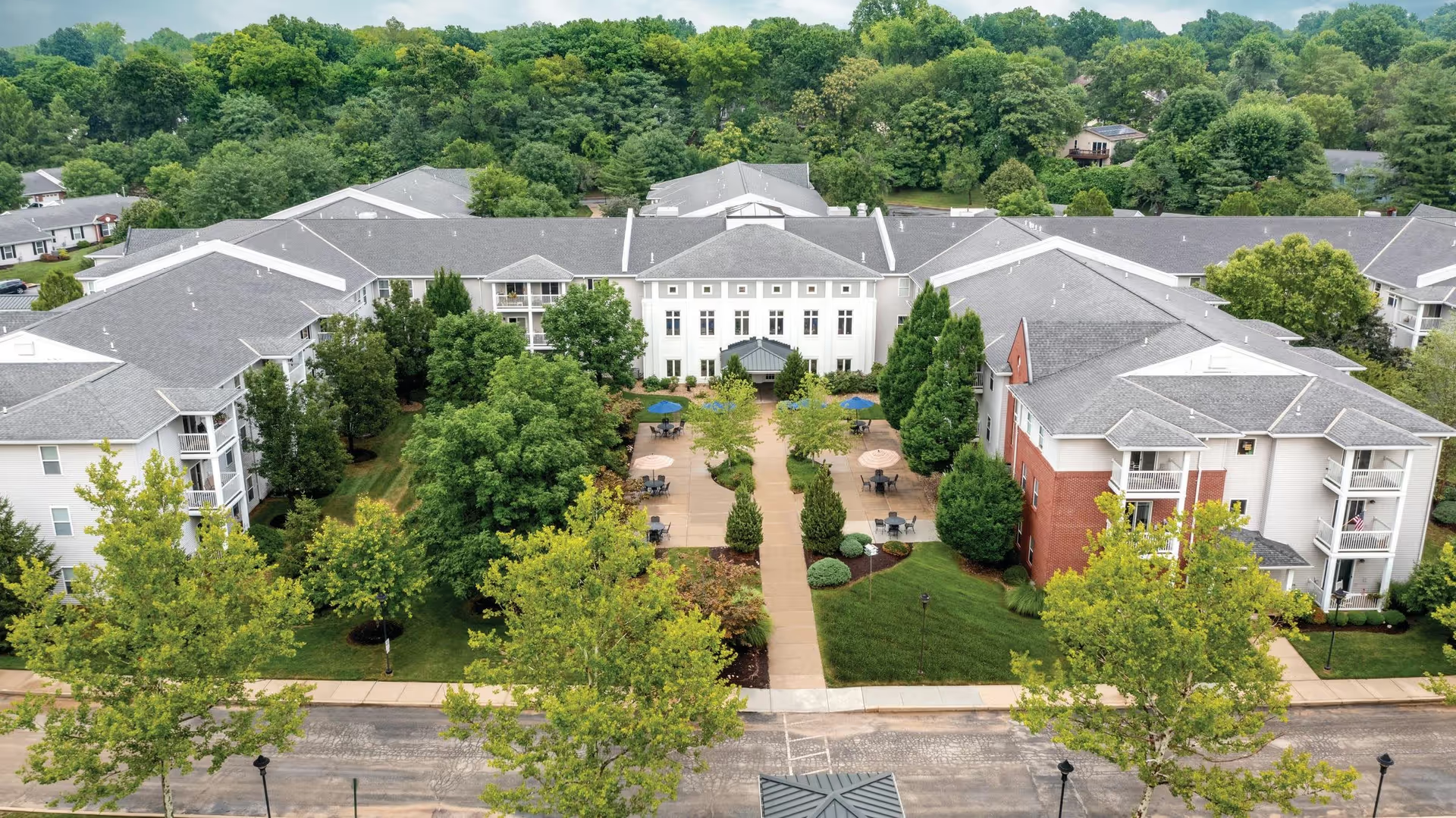
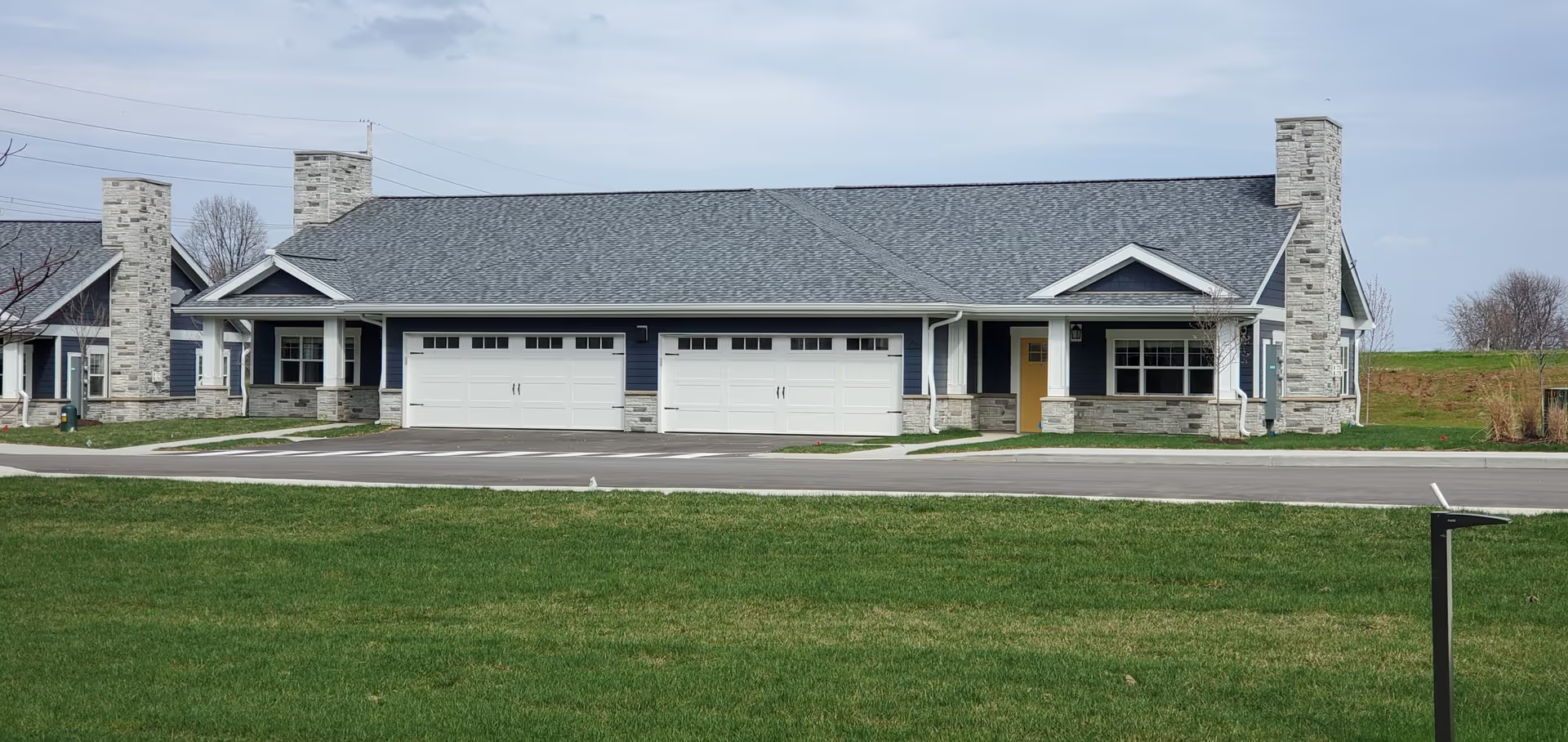
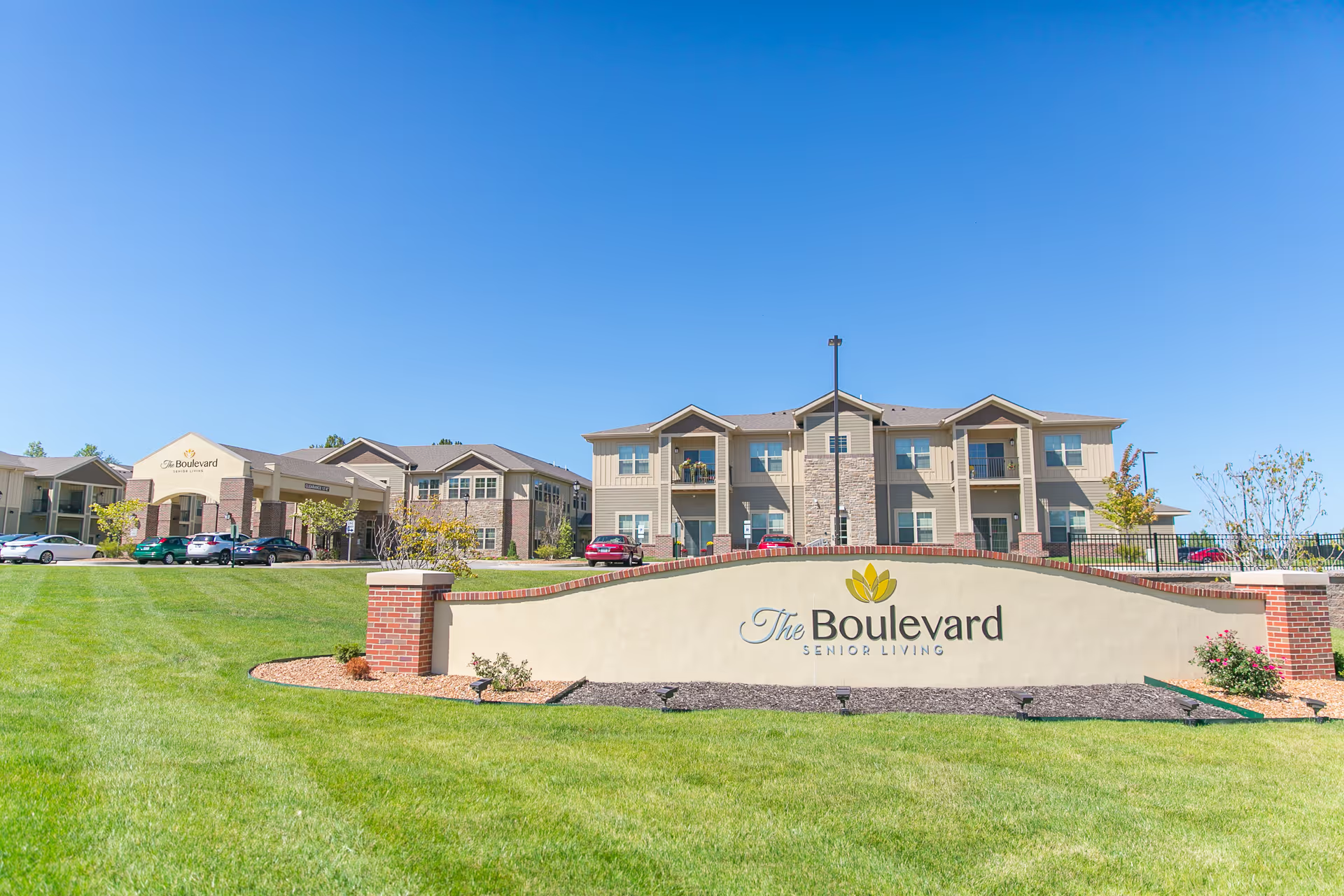
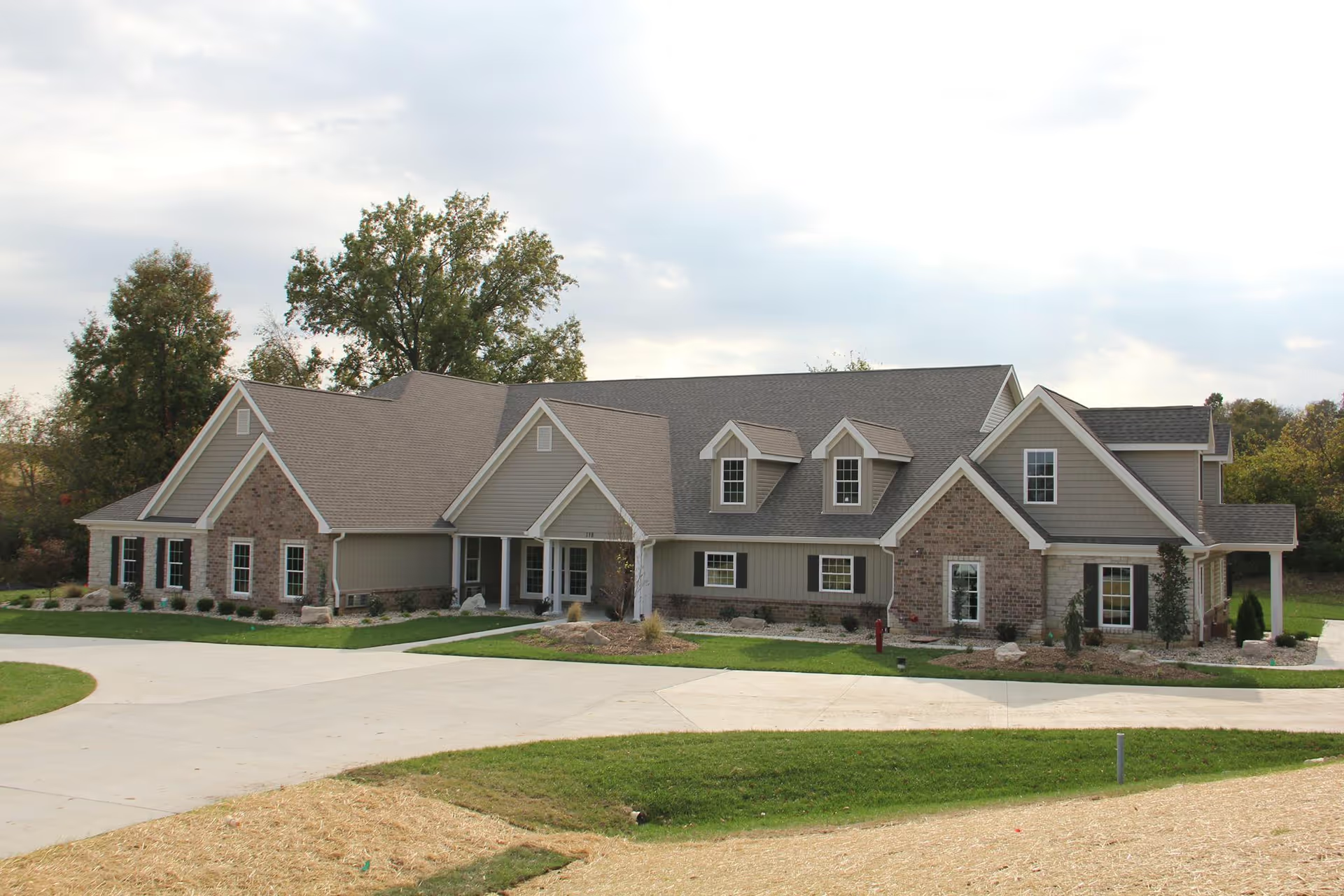
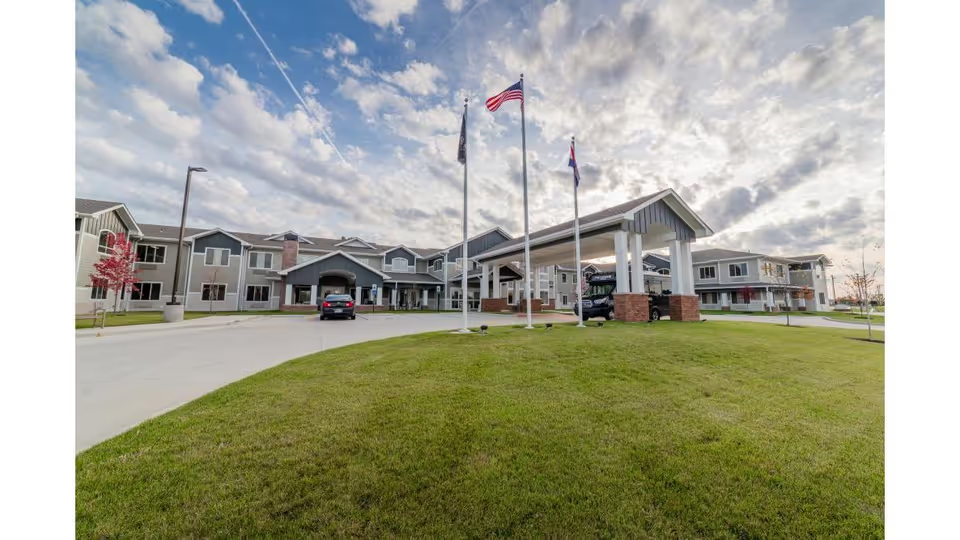
Facilities and safety: The physical environment is generally seen as an advantage: the building is modern, clean, and home-like, with a compact, single-level layout that supports easy navigation. The facility offers a range of bed options, including Medicaid beds, which increases accessibility for families. Safety practices are emphasized in care planning, but reviewers also raised operational concerns about fall-prevention and clinical-incident response; several narratives describe shortcomings in supervision and follow-up after safety events. There are also isolated sanitation and odor-control concerns noted for some areas.
Management and notable patterns: Management-related themes are mixed. Where administrative staff are responsive and collaborative, families report high satisfaction and relief. Conversely, there are recurring comments about slow administrative responses, communication gaps, and occasional unhelpful or condescending interactions—issues that can undermine family trust. Medication administration practices were flagged by some reviewers as an area needing clarification or tighter oversight. Cost-related comments vary from the facility being a lower-cost option in the area to perceptions of high memory-care expense coupled with undercompensated staff; prospective families should confirm current pricing and staffing models.
Guidance for prospective families: Ask for current staffing ratios, turnover history, and specific fall-prevention protocols. Request details on medication administration oversight and examples of family–management communication workflows. Observe activity engagement during a visit and review recent sanitation/housekeeping practices. Overall, the facility demonstrates many strong elements for memory care — particularly in caregiving, activities, and environment — but prospective residents should evaluate administrative responsiveness, staffing consistency, and incident-response procedures during their decision process.