Overall impression: Reviews reflect a facility with a strong caregiving culture but persistent operational challenges. Many families and residents praise the compassion and attentiveness of nursing staff, CNAs, therapists, and social-work personnel, and they credit the center with competent clinical and psychiatric services, effective therapy programs, and meaningful end-of-life support. At the same time, reviewers identify recurring weaknesses tied to the facility’s infrastructure, staffing consistency, and administrative processes.
Care and staff: Clinical strengths are a common theme — reviewers describe competent nursing, knowledgeable medical and psychiatric care, skilled rehabilitation therapists, and staff who often go beyond routine duties to support resident comfort and family needs. Wound-care expertise and hospice accommodations are noted positively, as are instances of strong family communication and attentive case management. However, concerns about inconsistent staff availability, variable responsiveness to requests, and uneven continuity of caregivers also appear; these operational gaps have been linked to delays in therapy progress, difficulty transporting residents to appointments, and uneven follow-through on individualized care plans.
Dining, housekeeping, and activities: Support services such as the cafeteria, laundry, and housekeeping receive favorable mentions for helpfulness and general cleanliness in many accounts. A responsive social case worker and engaged therapy department are described as assets for residents’ emotional and functional needs. At the same time, reviewers describe variable housekeeping and hygiene practices across different units and occasional limitations in activity/rehabilitation engagement that some characterize as passive "babysitting" rather than active programming.
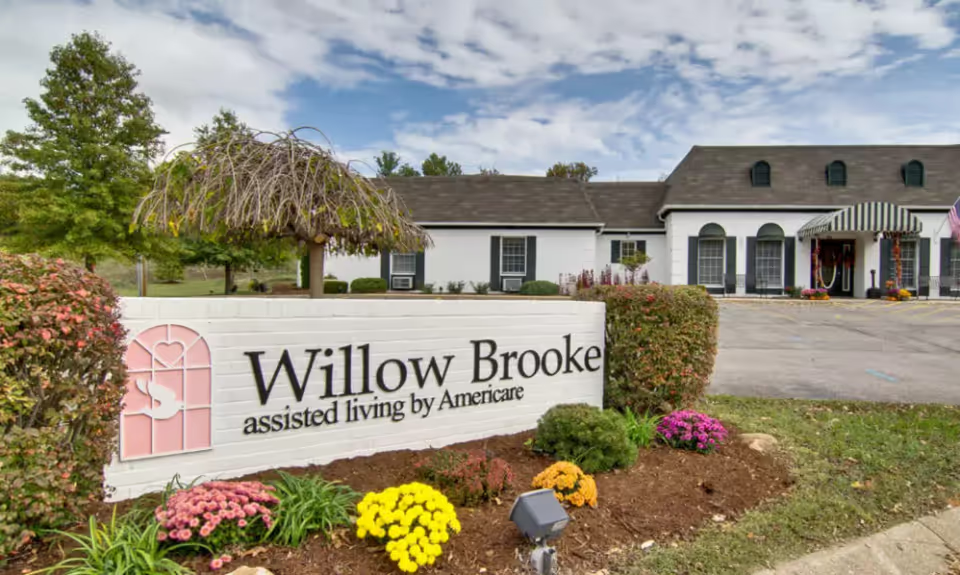
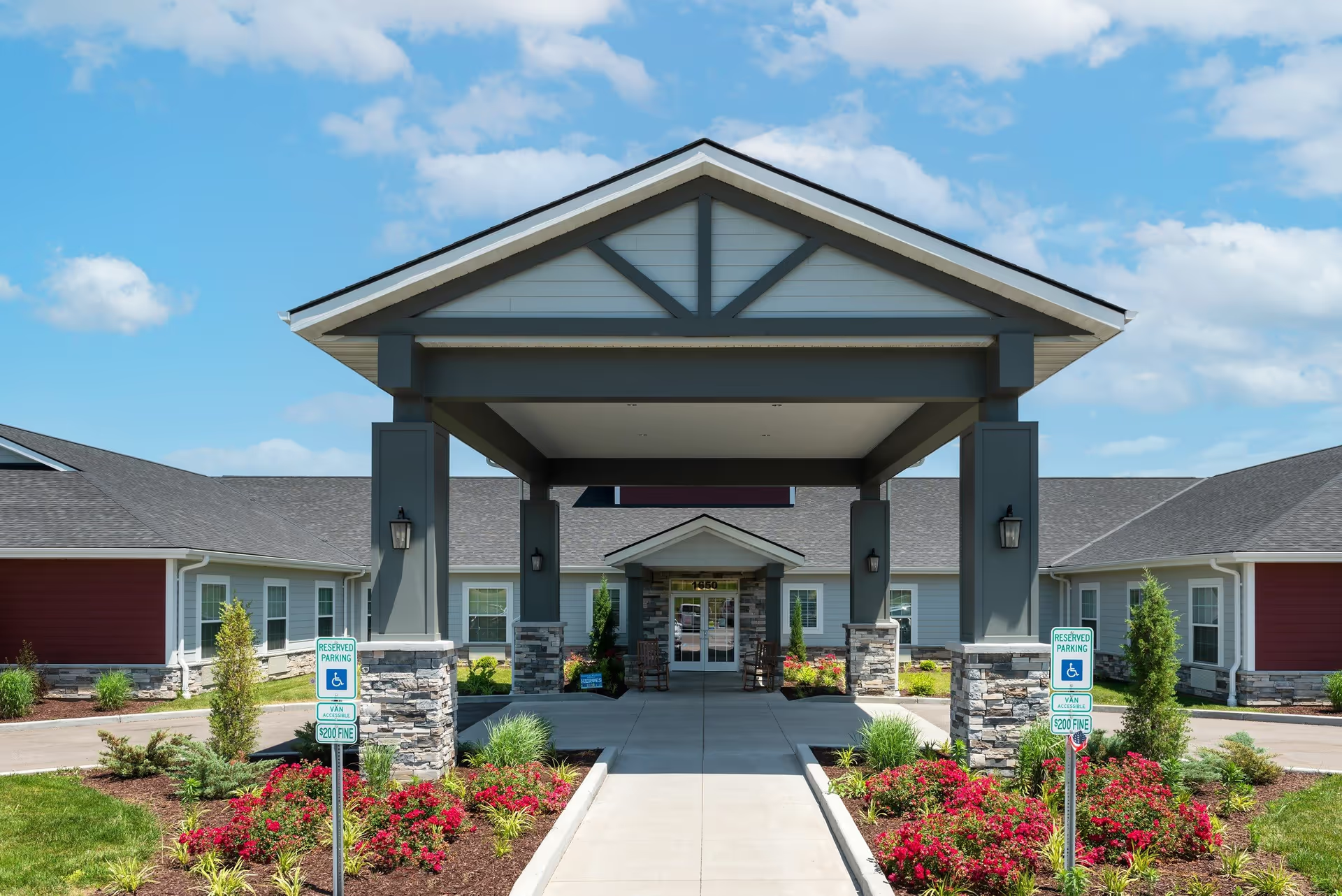
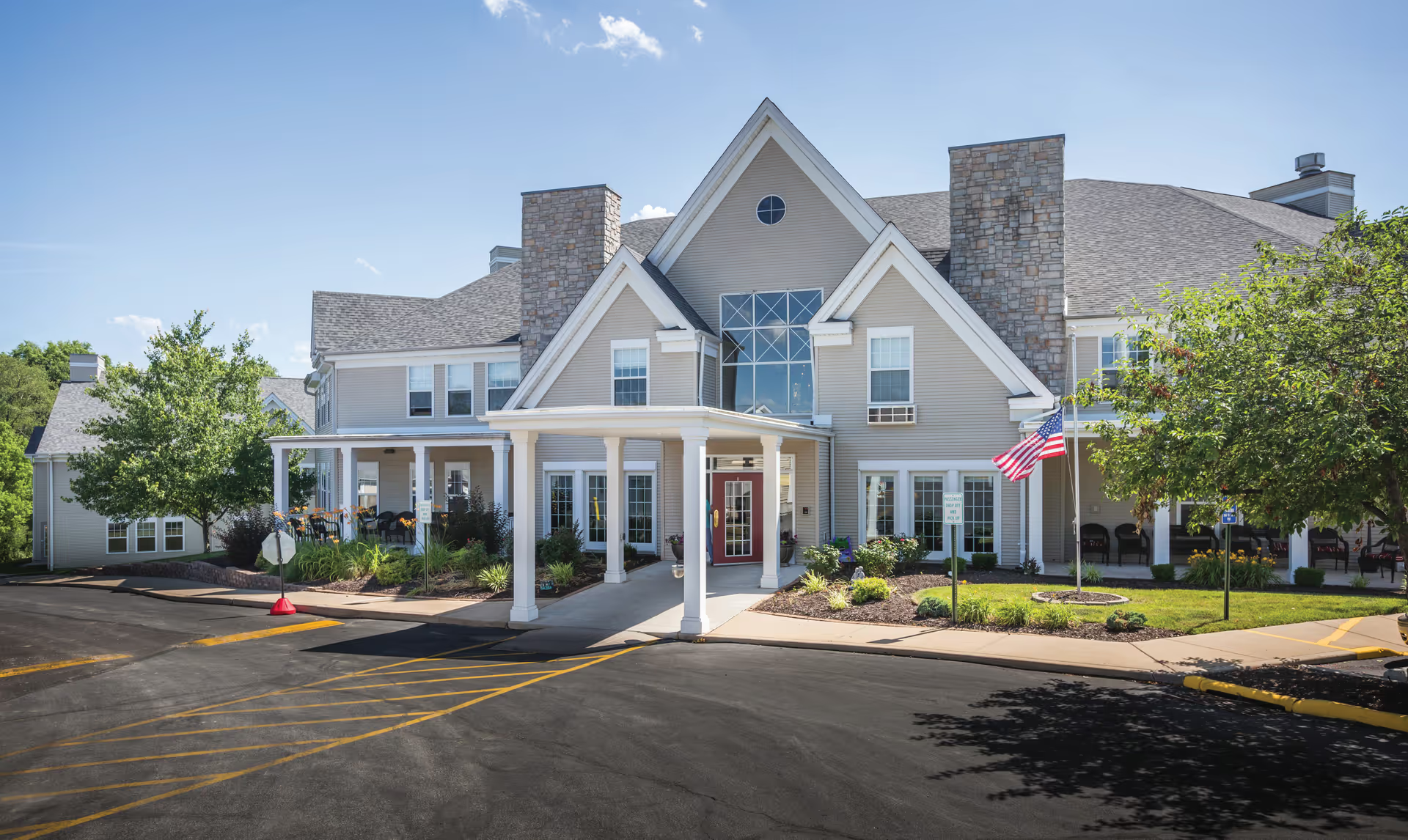
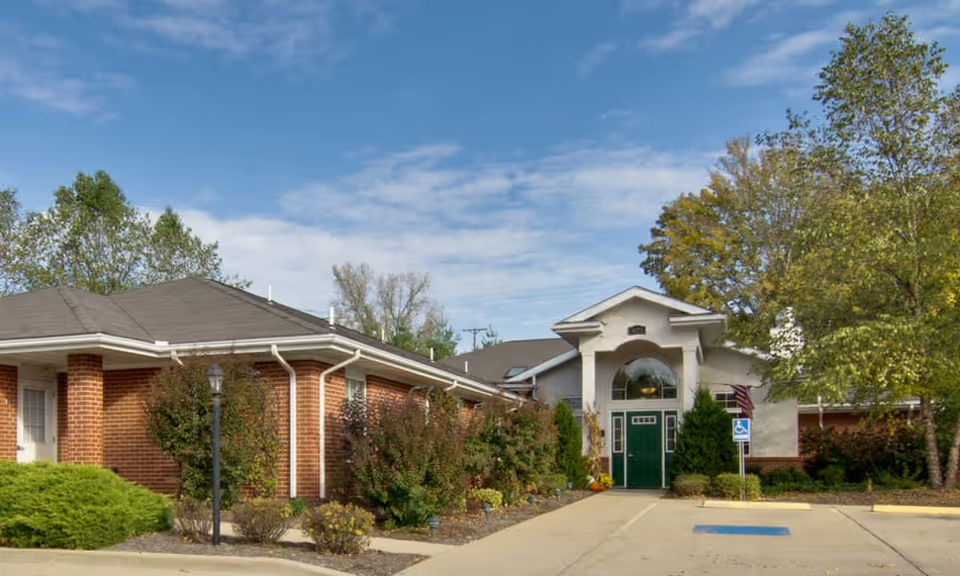
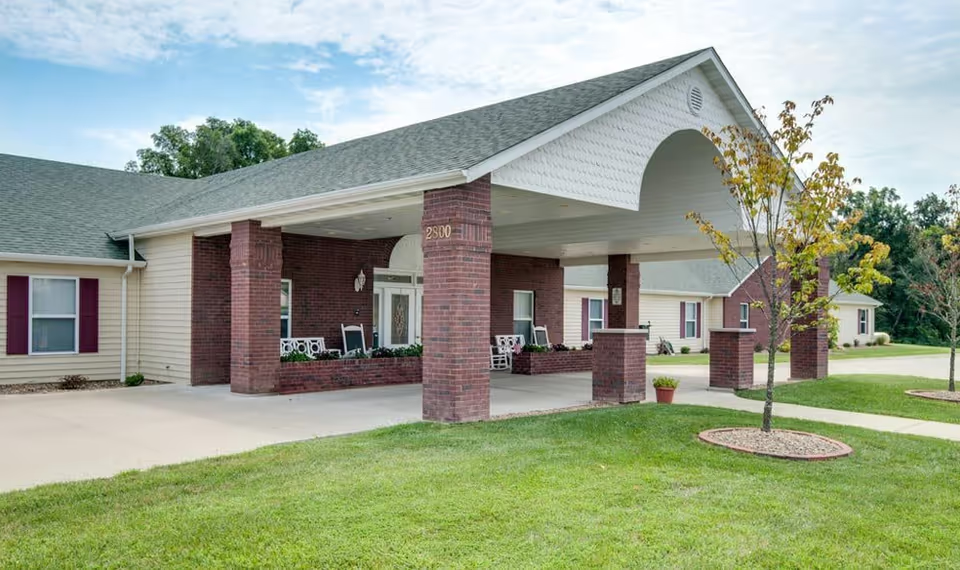
Facilities and management: The building’s age and dated infrastructure are repeatedly cited as a visible constraint; reviewers mention an older exterior and interior aesthetics that some find uninviting. Renovation work is underway in parts of the facility, which some families view positively. Management and administrative coordination are identified as areas needing improvement — reviewers cite disorganized admission/intake processes, gaps in documentation and oversight, and challenges with resident transport and therapy scheduling. Security and personal-property controls are a concern for families who experienced missing belongings.
Clinical-safety patterns: While many accounts highlight good clinical care, several reviews raise operational concerns about consistency in clinical monitoring and device management (for example, feeding tubes, tracheostomy and catheter care) and pressure-injury prevention. These accounts suggest variability in adherence to care protocols rather than a uniform standard across the facility. Dementia supervision protocols are another area of concern, with at least one instance suggesting insufficient oversight for residents with cognitive impairment.
Notable patterns and guidance for families: The dominant positive theme is staff compassion and individualized attention; the dominant negative themes are infrastructure limitations, inconsistent staffing/administration, and variability in clinical monitoring and housekeeping standards. Prospective residents and families should consider confirming current staffing ratios, dementia supervision practices, wound and device-care protocols, property safeguards, and recent regulatory or quality updates during a visit. Observing shift changes, asking for details on intake and rehab scheduling, and reviewing recent inspection or quality-record summaries can help evaluate whether the facility’s strengths align with a prospective resident’s specific needs.