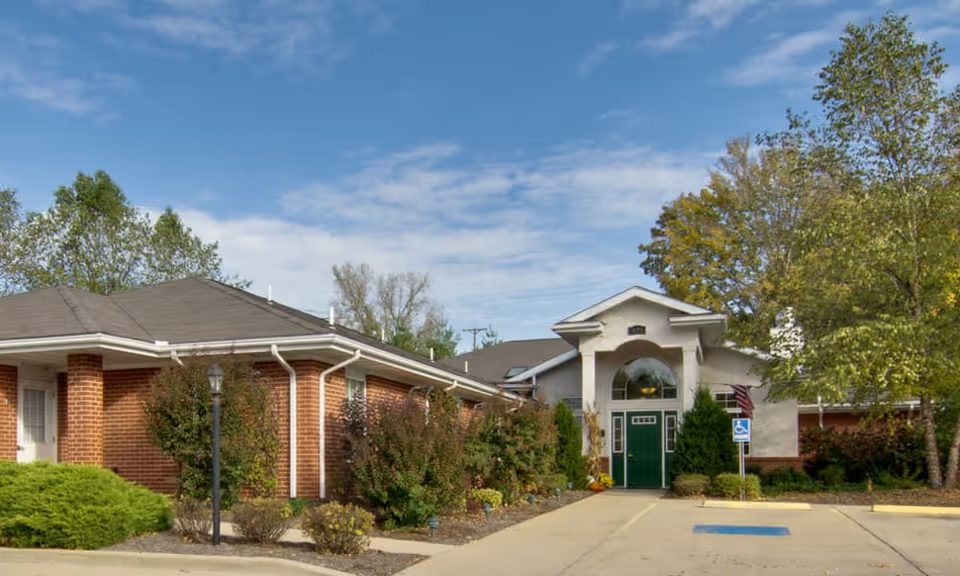
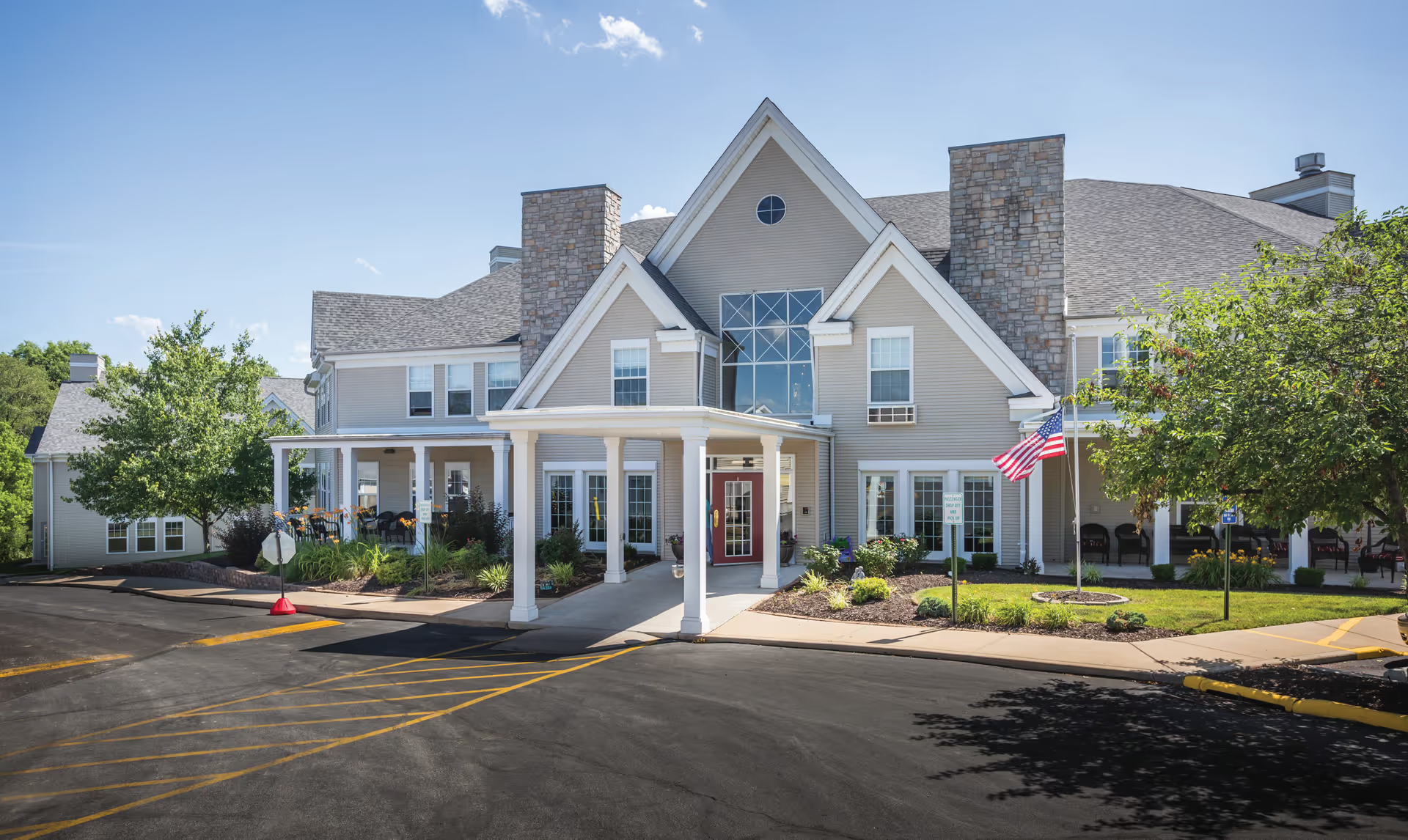
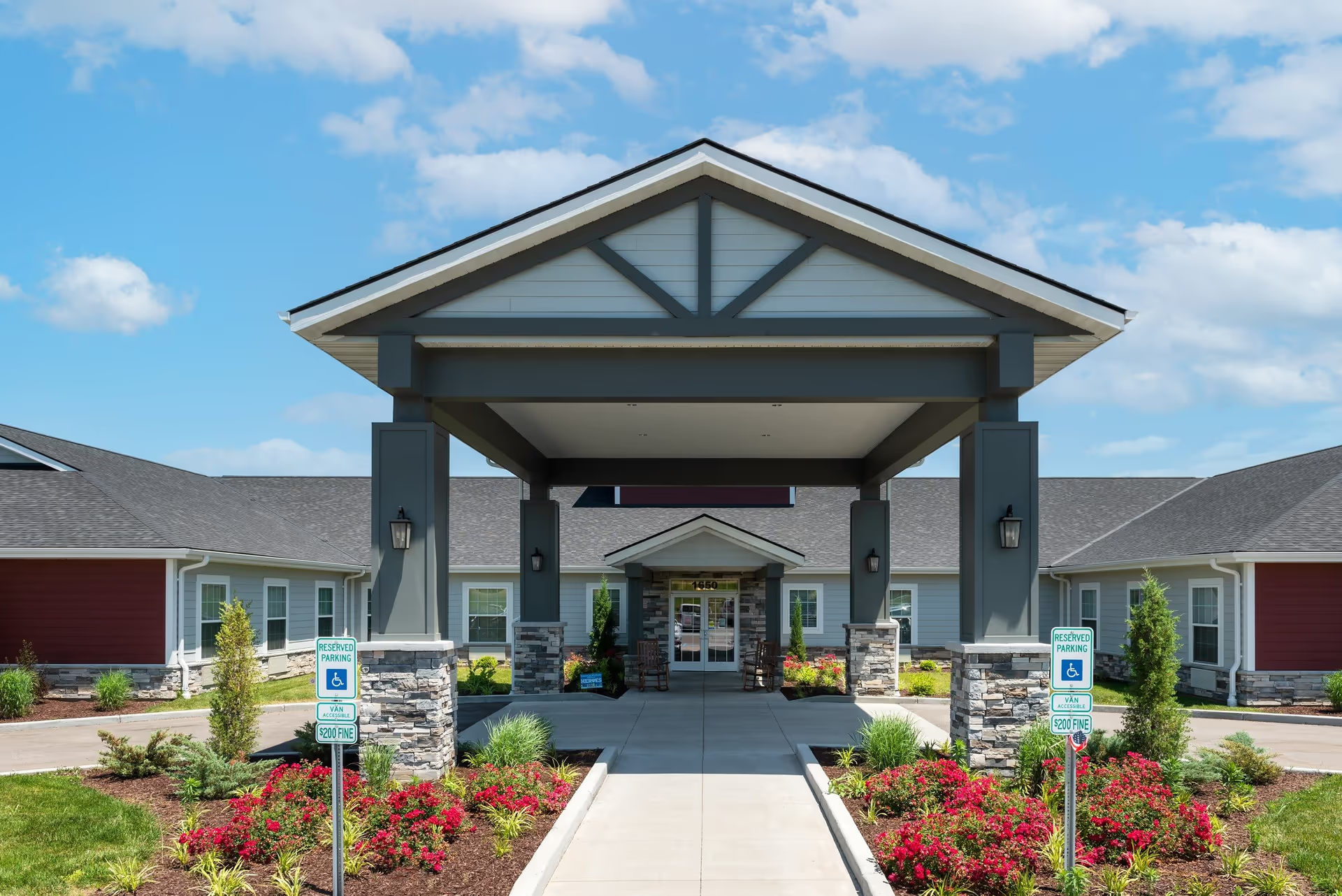
Victorian Place of Washington presents as a relatively new, well-maintained senior living community with suite-style accommodations, accessible bathrooms, and attractive outdoor spaces (including a pond and seating). Many families describe the physical environment as clean and home-like, with large rooms and kitchenette-equipped suites that support independent living. The community’s small size appears to support a close-knit atmosphere and easier move-in logistics, and the facility is positioned as a more affordable option relative to some neighboring markets.
Care and staffing receive largely positive comments: numerous accounts emphasize attentive, compassionate caregivers, person-centered approaches for residents with dementia, and staff who tailor activities and daily interactions to individual life stories. Care aides and coordinators are frequently described as engaging, family-oriented, and willing to go beyond routine duties to reassure residents and families. At the same time, reviewers indicate variability in clinical leadership and management responsiveness; some families noted challenges with RN-level oversight and requested clearer communication and follow-through from clinical leadership.
Dining and food services are a mixed area. Several reviewers praise the dining experience—describing varied choices and well-liked meals—while others cite inconsistent preparation, limited fresh options, and menu repetition. This pattern suggests the facility can deliver appealing meals but lacks consistent quality-control across all service periods. Prospective families should verify current menus, meal sourcing, and quality-assurance practices during a visit.
Activity programming is a clear strength in breadth: exercise classes (e.g., Balance Academy), outings, library access, games, family nights, and tailored dementia-friendly activities (including staff participation in activities like bowling) are commonly noted. However, implementation consistency is variable; some accounts describe robust, personalized programming while others report activities not running as scheduled or not fully staffed. The small community size supports personalization but may limit the scale and frequency of some programs.
Safety, security, and higher-acuity care are the most notable patterns of concern. Several families raised issues around memory-care separation and unit security, room-access controls, and episodic safety-process weaknesses; one review referenced concerns following a resident’s fall and death. Additionally, the facility appears better suited to low- to moderate-care needs rather than residents requiring significant assistance with activities of daily living or complex clinical oversight. Operationally, reliance on self-service features (for example, laundry) can reduce available staff support for residents who need hands-on help.
In summary, Victorian Place of Washington offers many positive attributes for prospective residents seeking a clean, small, community-oriented setting with personable staff, suite-style living, and a varied activity calendar. The principal trade-offs are inconsistent meal quality, variability in clinical and managerial consistency, and limits to memory-care security and higher-acuity services. Families evaluating this community should tour the dining operation, review current staffing and clinical leadership arrangements, ask about memory-unit security and room-access protocols, and confirm the facility’s capacity to meet specific ADL and medical needs before making a placement decision.