The reviews present a consistently positive portrait of The Legacy Assisted Living in the Heights, with recurring emphasis on interpersonal care and a well-maintained environment. Families and visitors highlight staff demeanor — described as compassionate, respectful, and dignified — and emphasize clear, ongoing communication with management. Named staff members received individual praise, reinforcing a perception of personal, attentive caregiving. The partnership with hospice providers and references to persistent advocacy for residents further support a view that the facility engages with external clinical partners when appropriate.
Clinical-operations strengths that emerge include reliable medication administration and attentive grooming and personal-care routines, which reviewers linked to family confidence and peace of mind. The facility’s activity program is described as varied and community-oriented, with regular invitations to events, group activities such as BINGO, and an overall sense of resident engagement. Dining is frequently singled out: meals are characterized as nutritious and well-presented, served in a pleasant, homey dining area, and reviewers associate food quality with overall resident satisfaction.
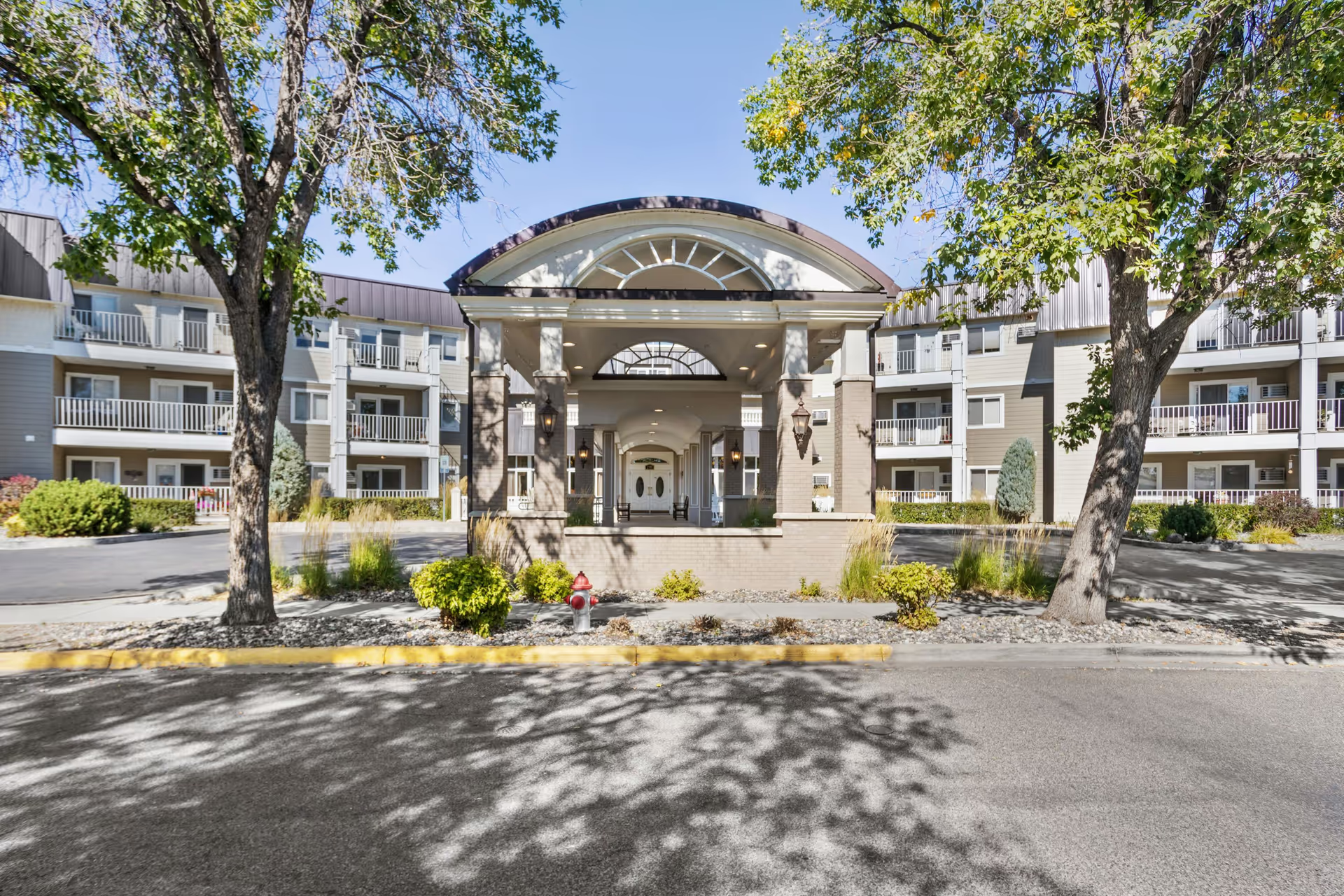
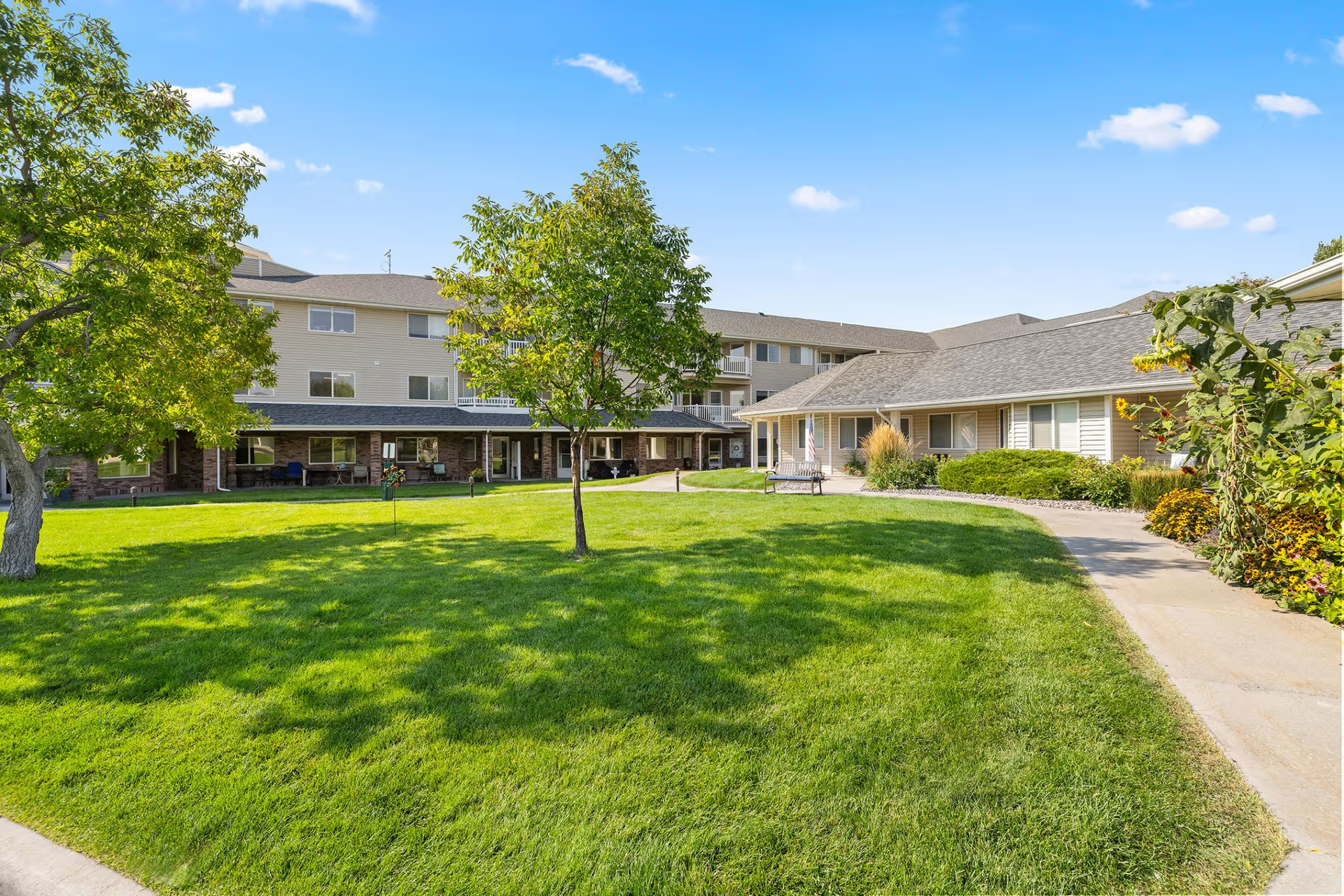
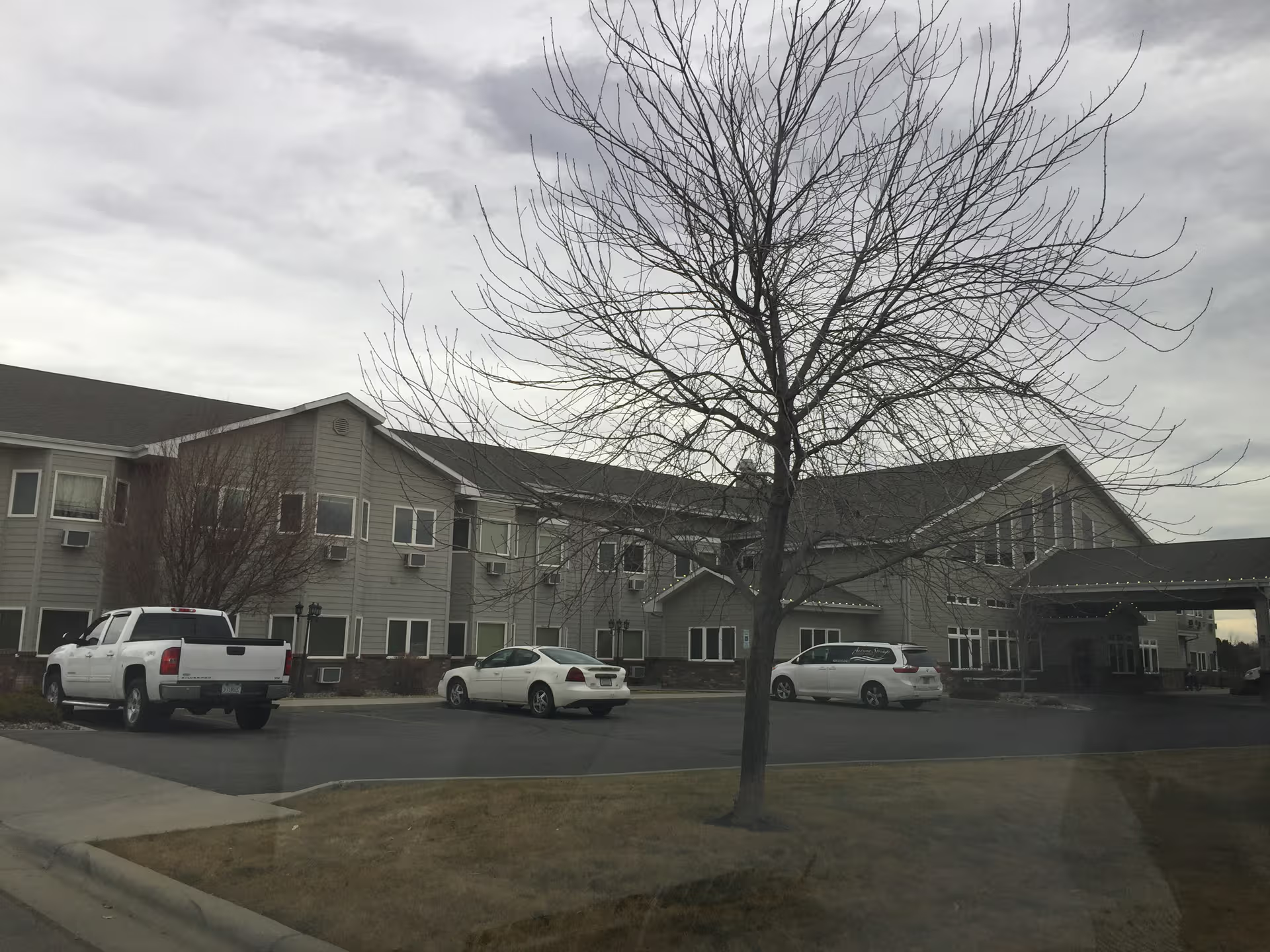
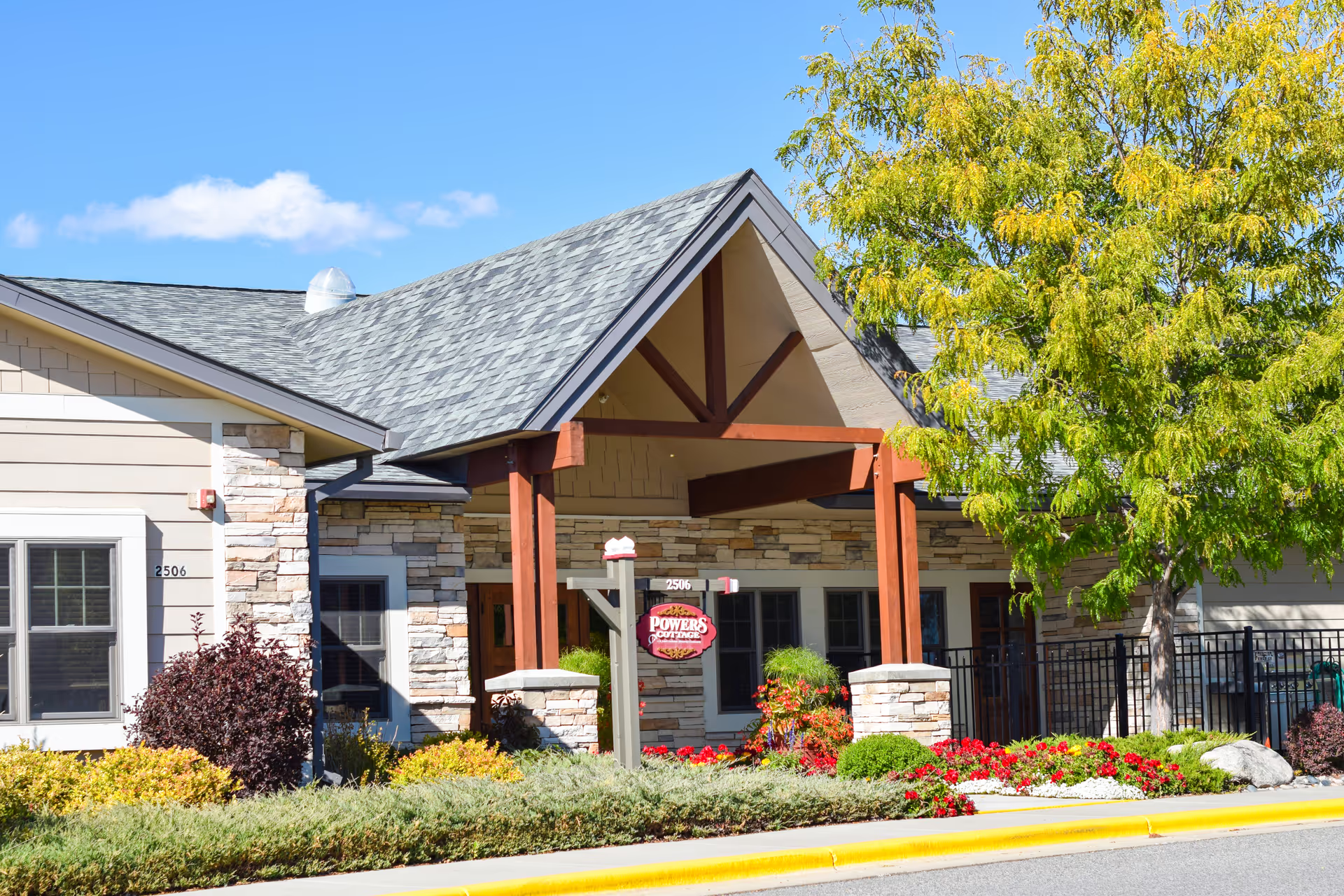
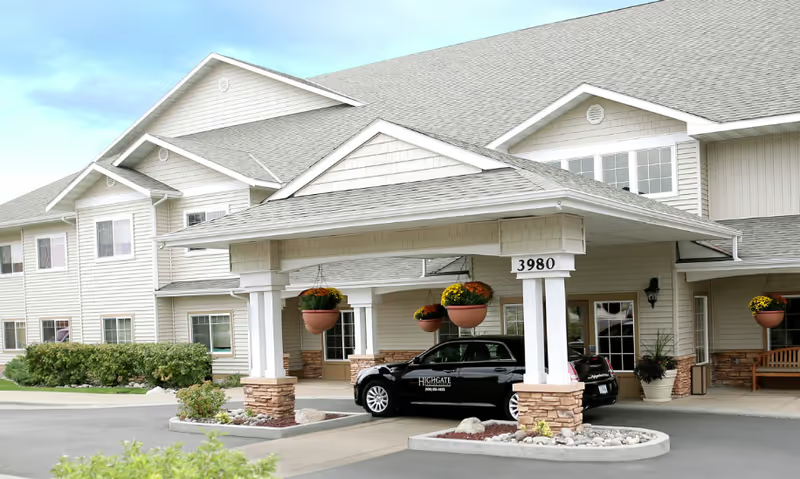
The physical environment receives positive comments as well. Observations note clean common areas, spacious rooms with features such as high ceilings, and easy navigation throughout the building. Reviewers described a welcoming admissions experience and accessible management, contributing to a family-centered atmosphere and a general sense of community among residents and caregivers.
A notable pattern in the reviews is the limited discussion of higher-acuity clinical services and operational specifics. While hospice collaboration is mentioned, there is little public detail about specialty programming (for example, structured memory-care offerings), rehabilitative or therapy services, or formal staffing ratios and continuity practices. Similarly, menu adaptability for specialized diets (medical or cultural) is not specified in the available commentary. These are not criticisms of observed performance but rather gaps in what reviewers chose to highlight; prospective families may wish to ask the facility directly about clinical capabilities, staffing models, memory-care options, and dietary accommodations during a tour or intake conversation.
Overall, the available feedback points to strong interpersonal care, a clean and comfortable physical setting, quality dining, and an active community life. For decision-making, balance these positive impressions with direct inquiries into clinical services, staffing consistency, and specialized-program availability to ensure alignment with a prospective resident’s medical and rehabilitative needs.