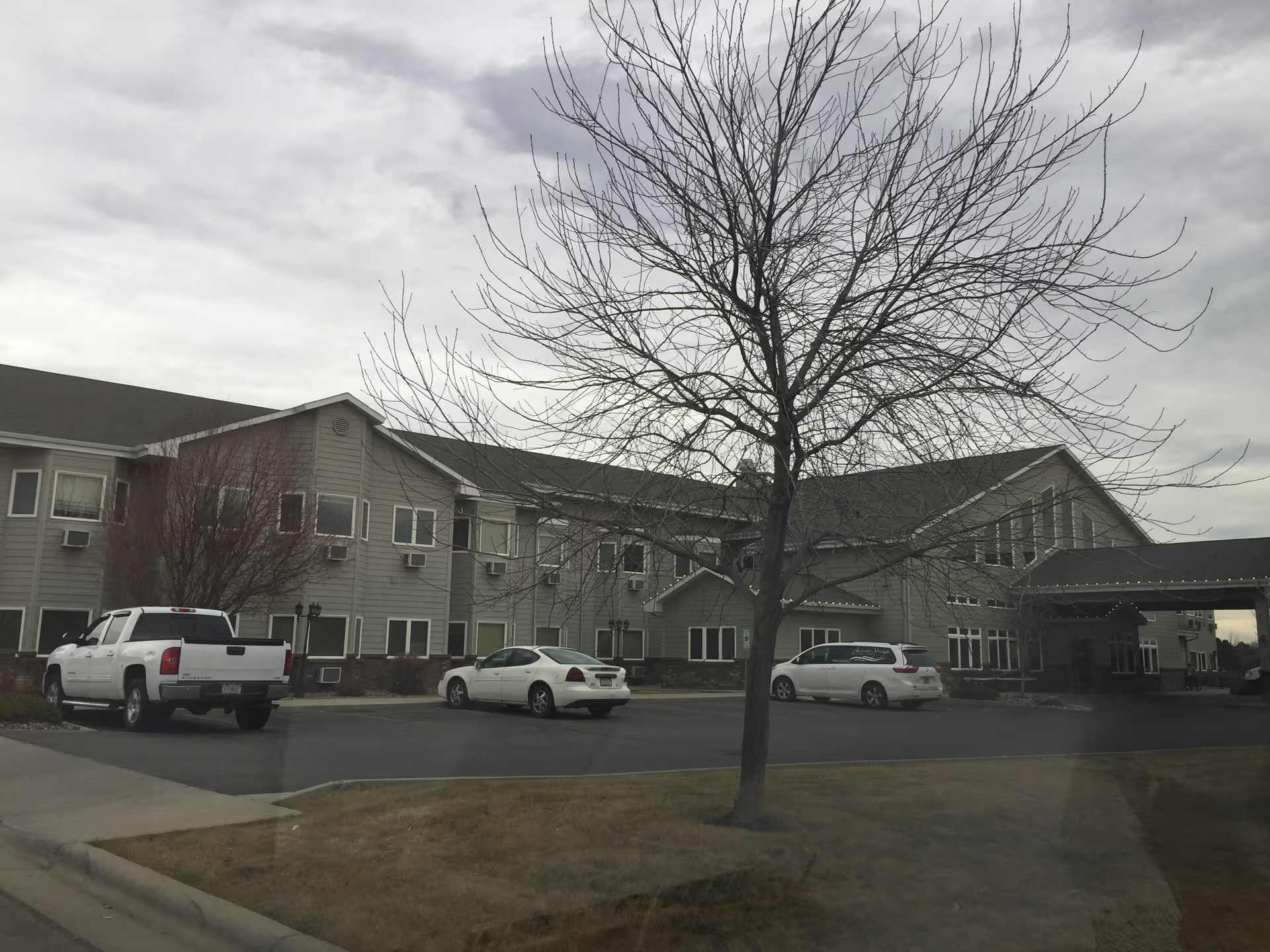
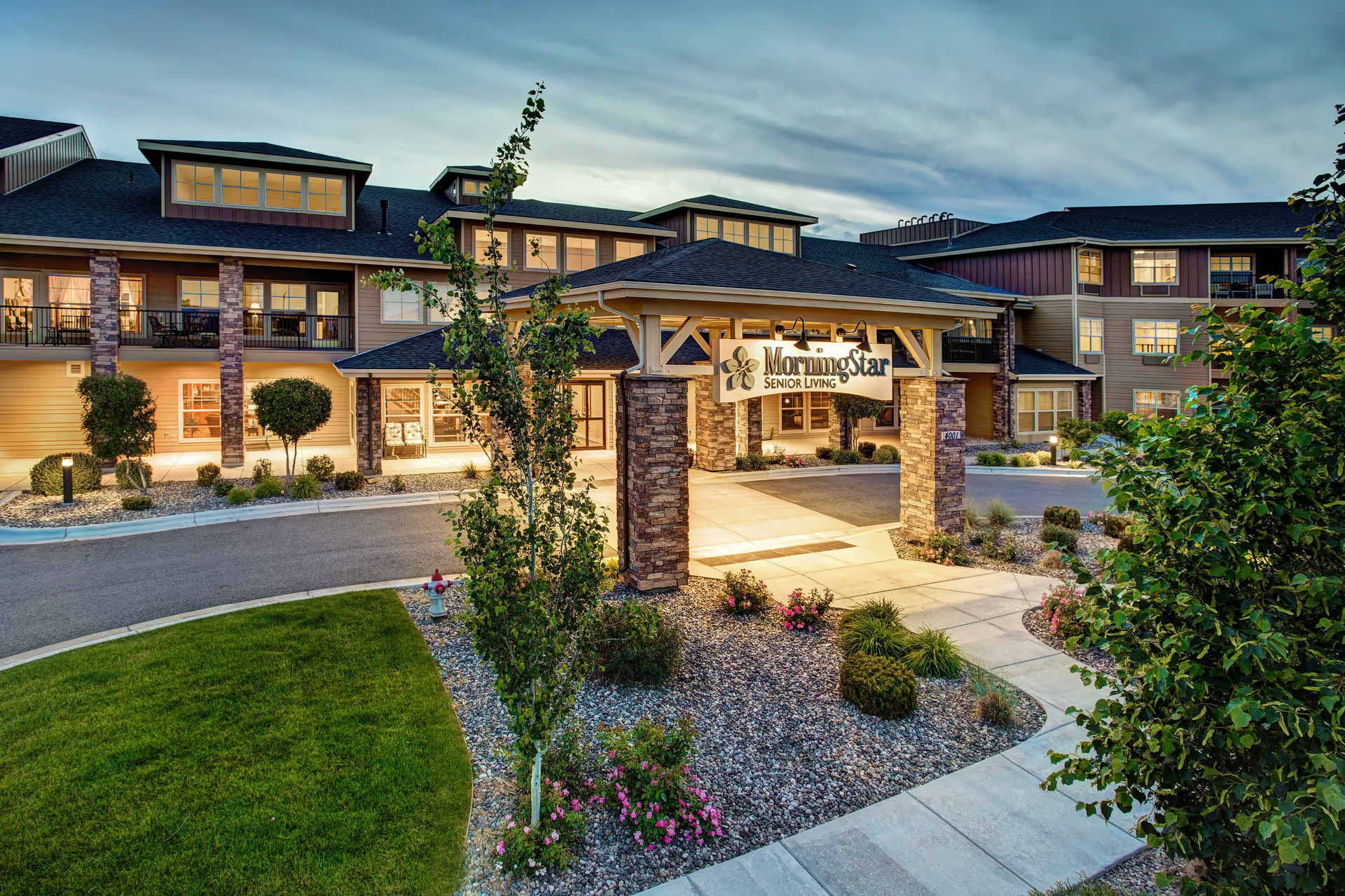
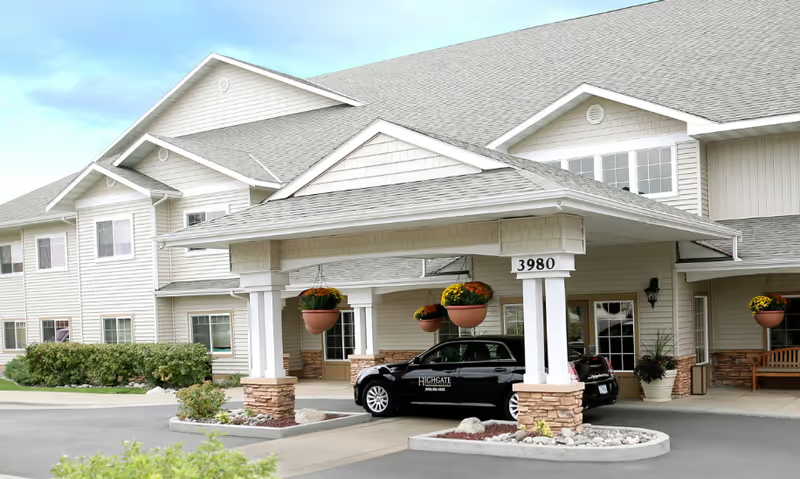
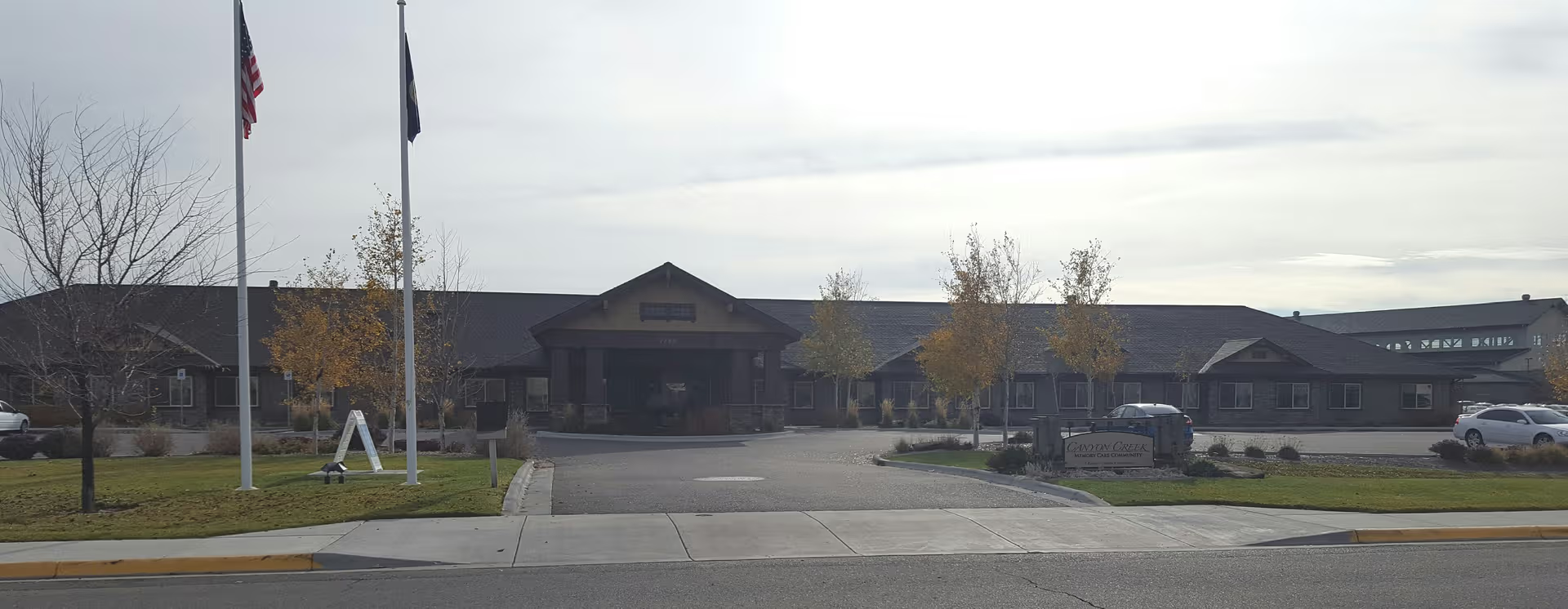
Reviews describe a facility with distinct strengths in short-term rehabilitation and some aspects of clinical care, alongside recurring operational weaknesses that affect longer stays. The rehabilitation wing, including a large, well-equipped gym and structured physical/occupational therapy programs, is consistently cited as a strong point; some patients made measurable progress there and several families praised the therapy teams. The memory-care unit also received positive remarks from families who experienced attentive, appropriate dementia-related care.
At the same time, a pattern of inconsistent staffing and frequent leadership turnover emerges across reviews. Families and visitors reported variable caregiver availability, particularly on night shifts and during weekends, which contributed to slow responses to call buttons and delays in routine tasks such as toileting and bathing. These staffing inconsistencies are accompanied by reports of delayed or incomplete medication coordination, challenges obtaining prescriptions and durable medical equipment in a timely manner, and occasional lapses in scheduled therapy or medication administration.
Dining and basic resident needs were another area of mixed feedback. Some reviewers praised meal options and periods of attentive service, but others described irregular meal delivery, trays removed before residents could eat, burned or spoiled items, and interruptions when kitchen staffing ended early. There are also recurring notes about inconsistent personal-care routines (bathing/brief changes) and supply shortages that affected daily comfort and dignity.
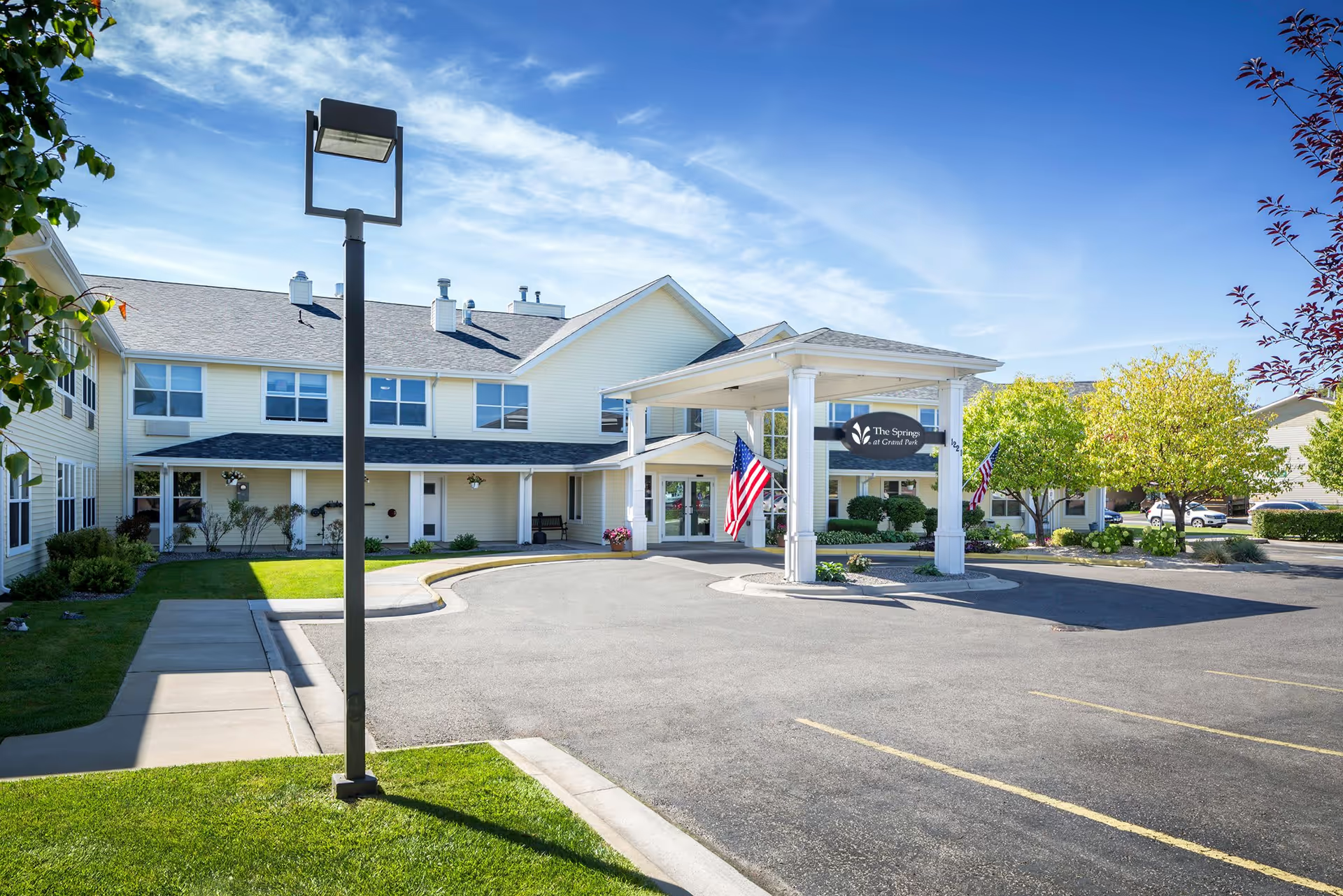
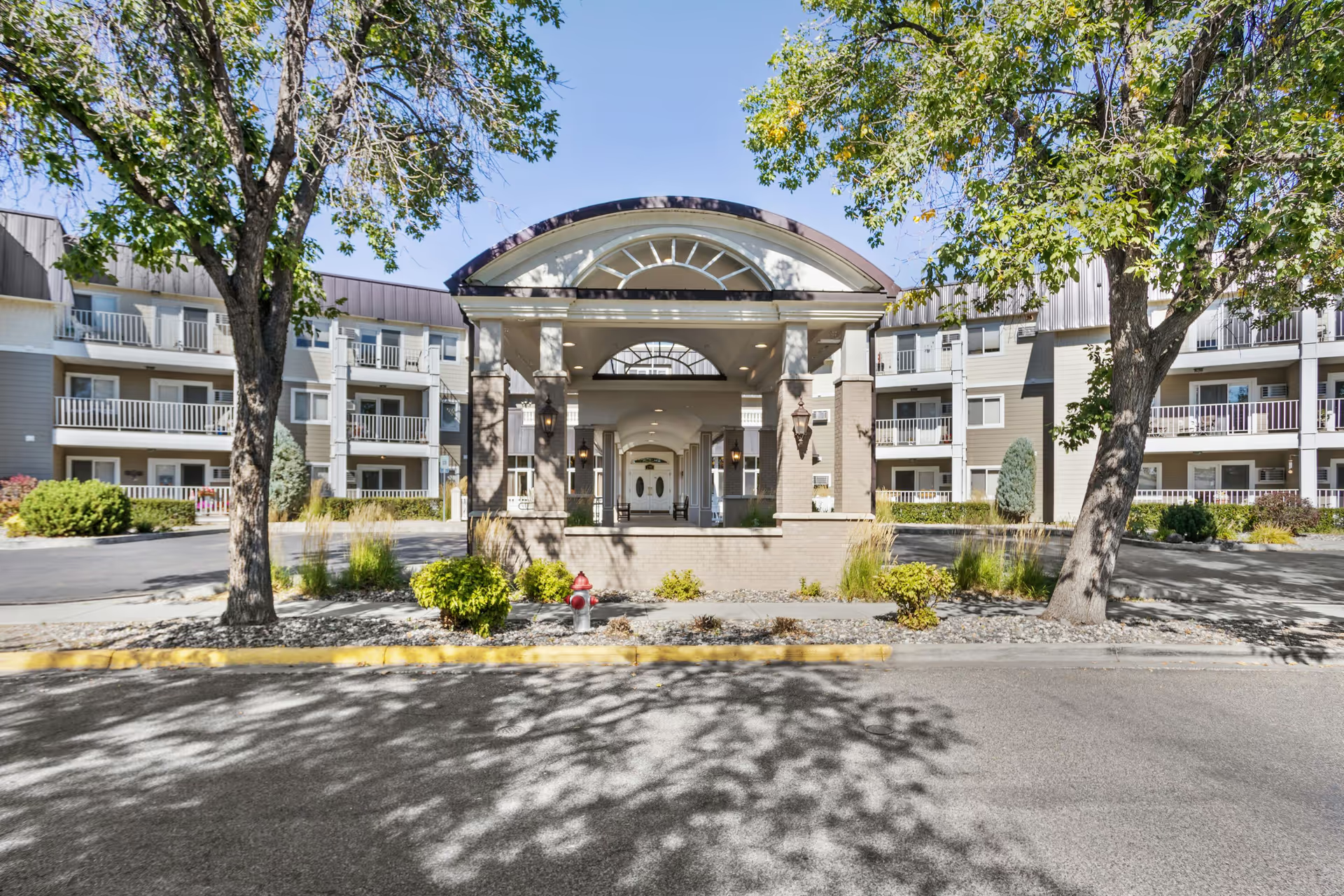
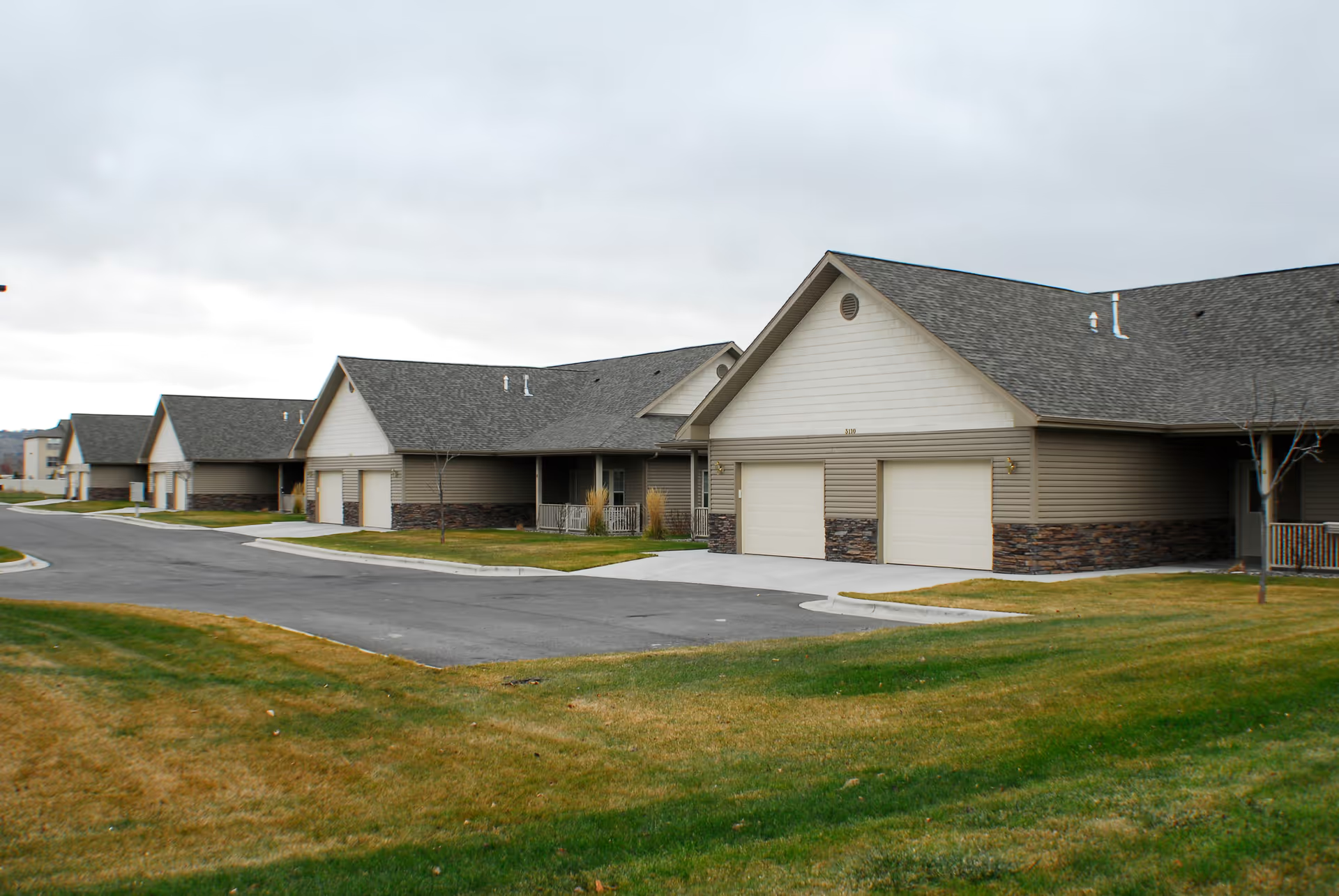
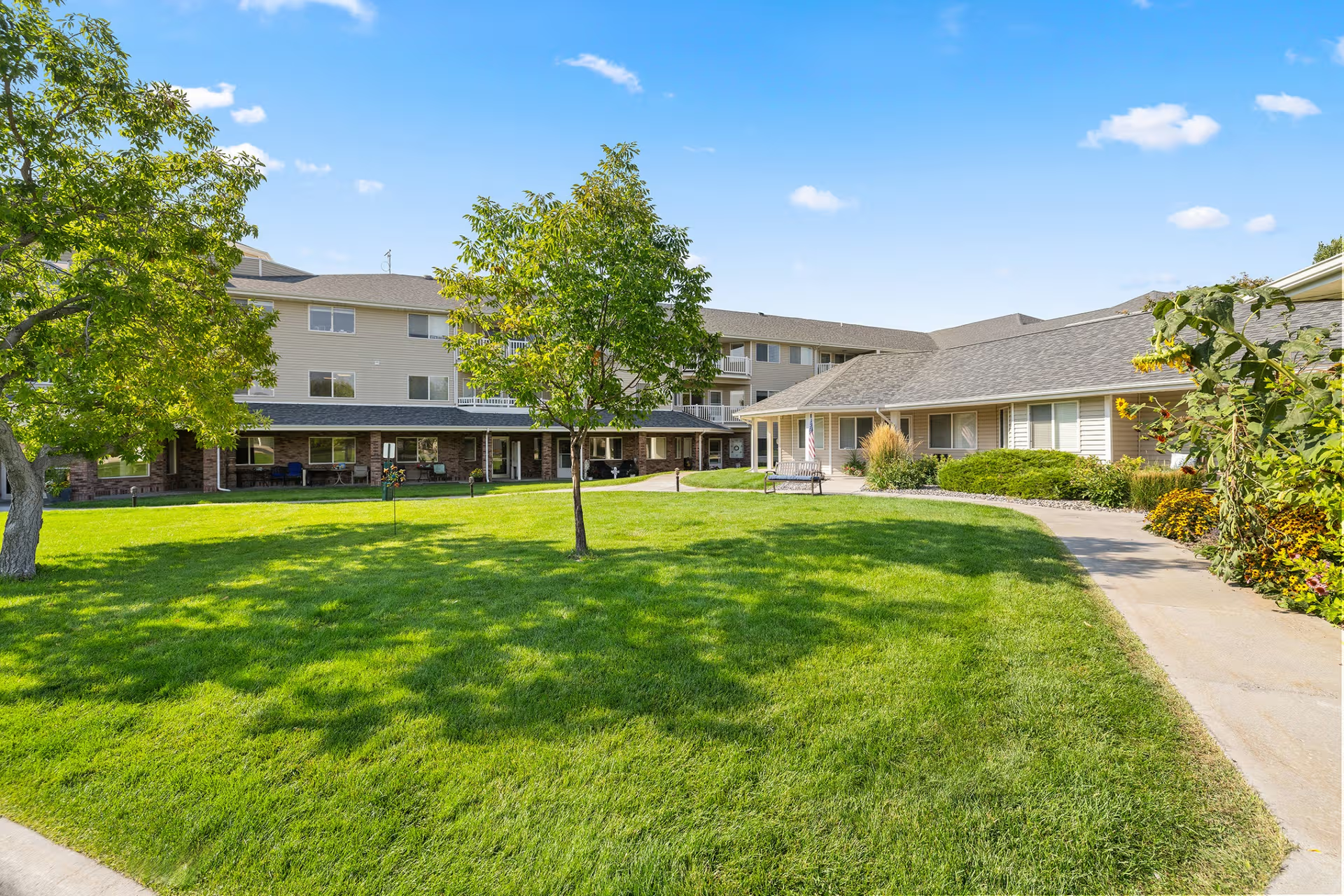
Facility maintenance and environment received both positive and negative comments. The building and private rooms were often described as clean and roomy, with attractive interior courtyards and pet-friendly policies that families appreciated. However, inadequate heating/cooling in portions of the building, sanitation and odor concerns in some areas, and occasional cleanliness lapses were also cited. These environmental issues sometimes intersected with staffing problems to magnify resident discomfort.
Communication, administration, and financial practices are areas of notable concern in the reviews. Several families described difficult discharge experiences, unexpected charges, insurance coordination problems (including long-distance transfers and uncovered travel), and billing disputes that led to significant stress. Reviewers also cited inconsistent responsiveness from management and social-services staff, frequent administrative turnover, and perceptions that corporate-level decisions prioritized finances over operational needs.
Safety and oversight gaps were highlighted in multiple accounts: delays responding to emergencies, questions about fall-risk management and transfer procedures, and isolated reports of unsafe handling or unsupervised residents. While some reviewers characterized these as one-off incidents, the aggregate suggests systemic weaknesses in overnight staffing, emergency response protocols, and transfer-safety practices.
In summary, Yellowstone River Nursing and Rehabilitation appears to offer strong short-term rehabilitation services and has features families value (clean rooms, outdoor spaces, activity programming, and some compassionate caregivers). However, prospective residents and families should weigh these strengths against recurrent operational concerns: inconsistent staffing and leadership, variable clinical responsiveness, meal- and personal-care inconsistencies, environmental comfort issues, and financial/administrative communication problems. Those considering placement are advised to ask specific, situational questions about staffing ratios at the desired unit and shift, discharge and billing procedures, medication and equipment procurement timelines, and facility climate control before admission.