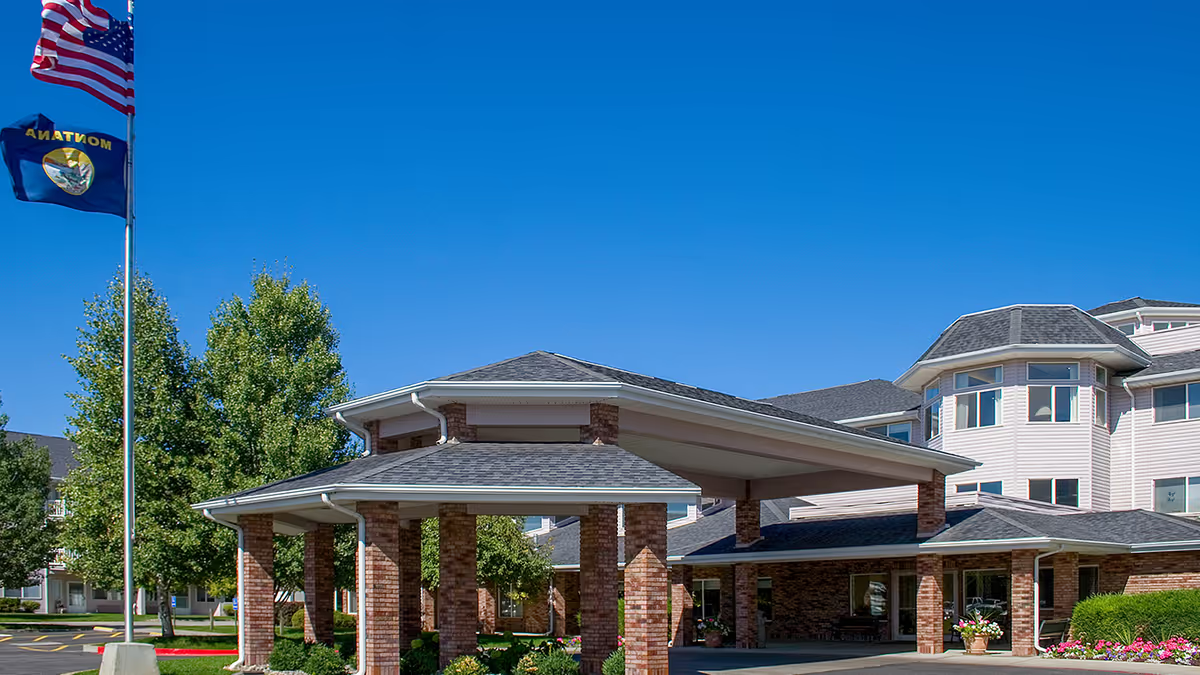
The reviews for Laurel Health and Rehabilitation Center are strongly polarized. Many families and former residents commend the facility for compassionate direct-care staff, effective therapy and rehabilitation, and a homelike environment with engaging activities. At the same time, a subset of reviews describes significant clinical and operational concerns that prospective families should evaluate closely.
Care quality appears inconsistent. Numerous reviewers praised attentive nurses, CNAs, therapists, and social-service staff who facilitated good rehabilitation outcomes, smooth discharges, and coordinated hospice support. Conversely, other reviews describe serious clinical events and care-process gaps, including medication-related emergencies requiring naloxone and hospital transport, IV-port handling problems, missed or delayed pain medications, and lapses in pressure-ulcer prevention and wound management. These accounts suggest variability in clinical practice and the need to confirm protocols for medication administration, emergency response, and wound care.
Staffing and management are recurring themes. Positive comments highlight staff who know residents by name, supportive reception and social-service personnel, and examples of management-driven improvements over time. Negative feedback points to inconsistent staffing levels, slow response to call lights or emergencies, and variability in staff professionalism and training. Reviewers also cited examples of delayed family communication and slow administrative follow-up; regulatory concerns and cited fines were mentioned in some instances. Together these items indicate staff burnout and administrative oversight as areas requiring attention.
Dining, housekeeping, and the physical environment receive mixed feedback. Many reviews describe a clean, well-maintained facility with a warm, home-like atmosphere, active programming, and holiday events. Positive notes also include accommodating dietary services and affordable pricing for fixed incomes. However, other reviews indicate unreliable mealtime service (late or missed meals), variable food quality, sanitation concerns in particular units, odor concerns, and inconsistent bathing and laundry schedules. These operational inconsistencies often track with reports of understaffing and shift-to-shift variability.
In summary, Laurel Health and Rehabilitation Center offers strong clinical and social strengths in several areas—particularly rehabilitation, compassionate caregiving by many staff members, and an engaging activities program—but also exhibits operational weaknesses that can materially affect resident experience. Prospective residents and families should conduct an in-person tour, observe staffing levels during different shifts, review the facility’s emergency response and medication-safety protocols, ask about wound-prevention and bathing/laundry routines, and request recent regulatory and staffing records. These steps can help determine whether the facility’s strengths align with a particular resident’s needs and whether the documented operational gaps have been addressed.